甲醇能源

Search documents
一分补贴没有,甲醇闯出下一个万亿级赛道
汽车商业评论· 2026-03-29 23:04
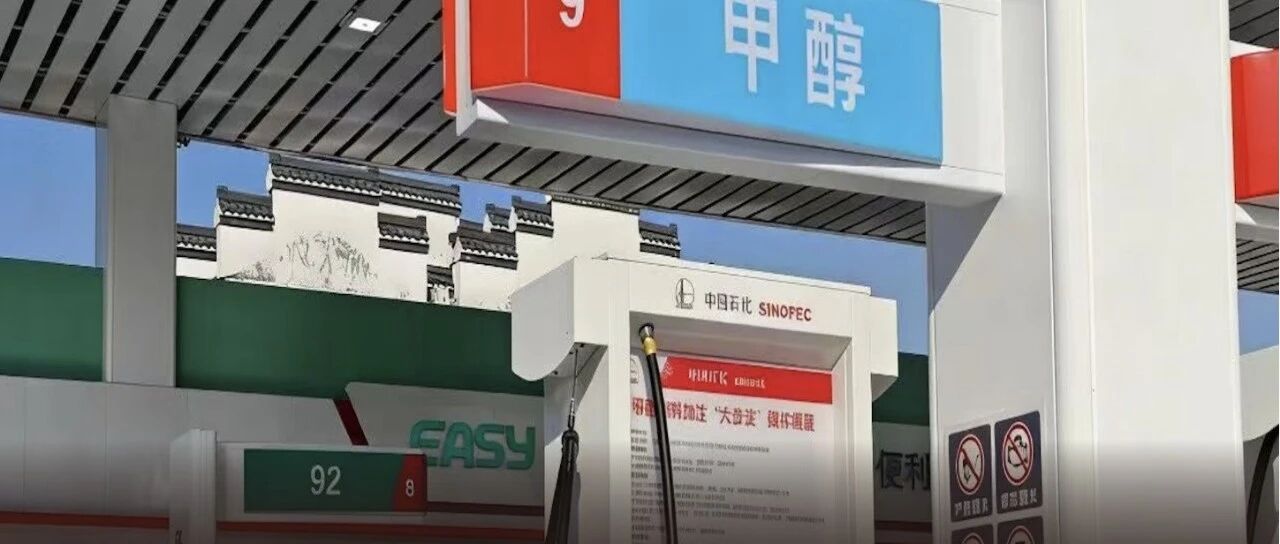
Core Viewpoint - The article emphasizes the strategic importance of methanol as a new fuel type in China's energy landscape, particularly in light of rising oil prices and energy security concerns due to geopolitical tensions [3][4]. Group 1: Methanol Fuel Development - The Chinese government has recognized methanol as a key component of the national energy strategy, with significant investments and policy support aimed at integrating it into the energy system [4]. - Geely has made substantial advancements in methanol engine technology, addressing critical issues such as corrosion and cold start performance, with plans to produce engines with a thermal efficiency of 46% by 2026 [4][5]. - The launch of Geely's methanol commercial vehicles in Shenyang is a significant step, with the vehicles capable of stable cold starts at -30°C and offering lower fuel costs compared to traditional vehicles [5][7]. Group 2: Market and Infrastructure - Geely plans to promote around 10,000 methanol vehicles in Shenyang by 2026, alongside the construction of over 40 methanol refueling stations [7]. - The current methanol production in China is predominantly coal-based (approximately 84%), with a future shift towards green methanol produced from renewable energy sources [7][8]. - The article highlights the potential for methanol to serve as a stable energy carrier, particularly in regions with extreme temperatures, making it a viable alternative to electric vehicles in cold climates [21][23]. Group 3: Historical Context and Future Prospects - Methanol vehicle development dates back to the 1970s during oil crises, with renewed interest from major automakers in recent years due to environmental concerns [10][11]. - In China, methanol engine research has a 30-year history, with significant policy support since 2012, leading to successful pilot programs and eventual market entry [12][14]. - The article notes that while there are existing policies supporting methanol, the lack of a unified regulatory framework for refueling stations remains a significant barrier to widespread adoption [27][28].


政策东风来 吉利迎甲醇产业发展新机遇
Zhong Guo Qi Che Bao Wang· 2026-02-10 09:09
Core Viewpoint - The green low-carbon transition is a central development theme in China's 14th Five-Year Plan, with methanol emerging as a key energy carrier due to its environmental, economic, and safety advantages, positioning it for significant industry growth [1] Group 1: Policy Framework - A comprehensive policy framework has been established to support the methanol industry, with over 70 policy documents issued by national and local governments to promote methanol vehicles [2] - Local governments in resource-rich areas like Gansu, Qinghai, and Guizhou are implementing special policies to enhance methanol fuel pricing mechanisms and infrastructure development [2] - Initiatives in cities like Shanghai aim to establish green fuel refueling centers for methanol in the shipping sector, indicating a multi-layered policy support system that solidifies methanol's role in the new energy landscape [2] Group 2: Technological and Economic Advantages - Methanol's diverse production pathways address energy security challenges in China, aligning with the country's carbon neutrality goals through various production methods, including renewable energy sources [3] - Methanol fuel demonstrates practical advantages in cold weather, with a freezing point of -97.6°C, ensuring reliable operation in harsh conditions, unlike electric vehicles [3] - The economic benefits of methanol fuel are significant, with its combustion producing fewer pollutants compared to traditional fuels, thus supporting the dual carbon goals in the transportation sector [3] Group 3: Industry Leadership and Infrastructure - Geely has developed a comprehensive green methanol industry chain, covering production, transportation, refueling, and vehicle manufacturing, with over 400 patents in methanol electric technology [4] - The company has deployed over 50,000 methanol electric vehicles, accumulating over 23 billion kilometers in total mileage, showcasing the scalability of its methanol ecosystem [4] - Geely plans to expand its methanol refueling stations from over 900 to 4,000 by the end of 2027, enhancing the convenience of methanol refueling across the country [4] Group 4: Future Outlook - Geely's long-term commitment to methanol has positioned it as a leader in the industry, contributing to the evolution of the methanol sector from breakthrough to advancement [5] - The ongoing release of policy incentives, technological advancements, and expanding application scenarios are expected to further strengthen Geely's role in building a new energy system and achieving carbon reduction goals in transportation [5]
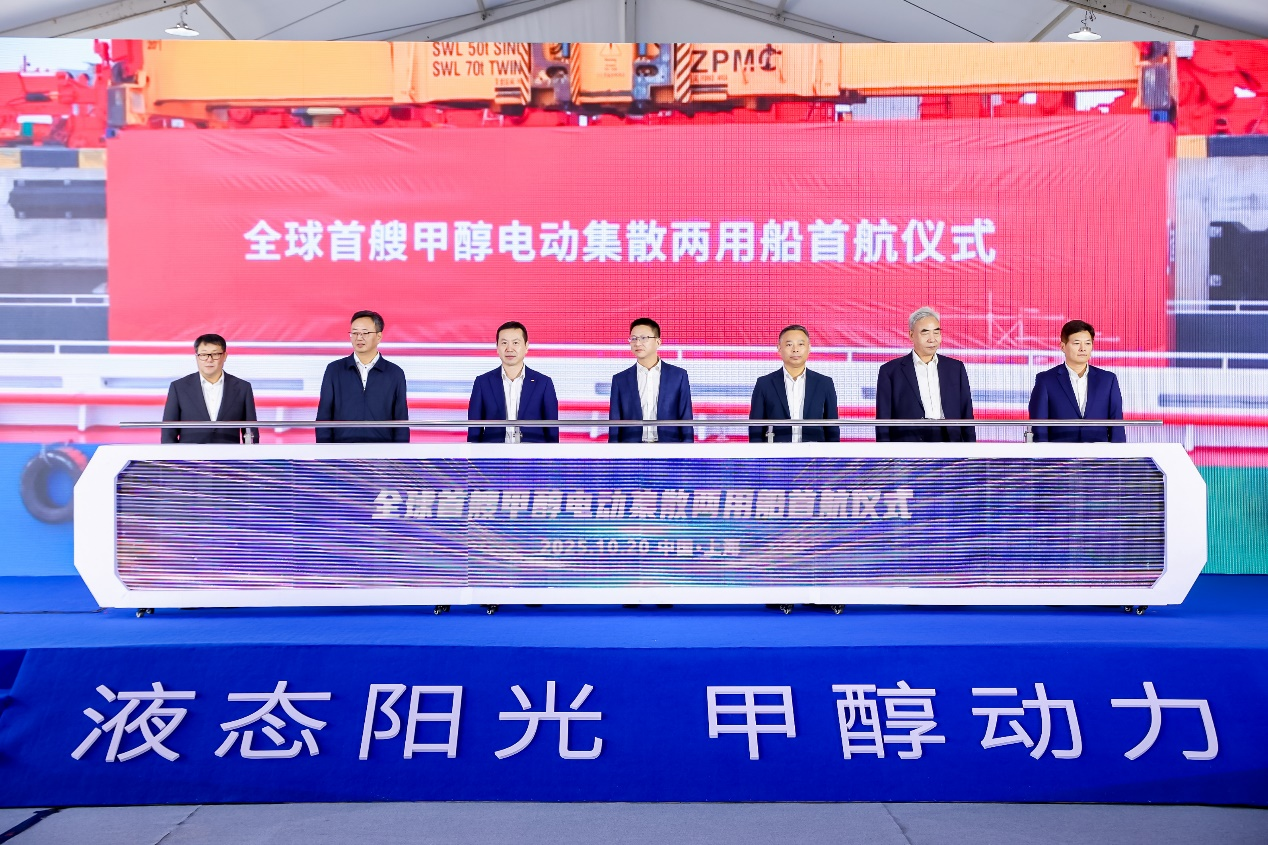
全球首艘醇氢电动集散两用船在沪首航
Yang Shi Wang· 2025-10-21 07:38
Core Viewpoint - The successful maiden voyage of the "Yuanchun 001" dual-use methanol-hydrogen electric vessel marks a significant milestone in the shipping industry's green transformation, providing a solution with "Chinese wisdom" for global shipping [1][3]. Group 1: Industry Developments - The shipping industry emits approximately 1 billion tons of CO2 annually, accounting for about 3% of global CO2 emissions, highlighting the urgent need for green transformation [3]. - The International Maritime Organization (IMO) has set a goal for ships over 5,000 tons to reduce emissions in phases, aiming for net-zero emissions by 2050 [3]. - Methanol is recognized as a clean fuel that can be produced through coal-based processes and is seen as a key player in the zero-carbon shipping movement [3][5]. Group 2: Strategic Collaborations - Shanghai Port Group and Geely Holding Group signed a strategic cooperation agreement to accelerate the promotion of the methanol-hydrogen electric industry ecosystem in green shipping [3][6]. - The collaboration aims to integrate resources and advantages in green shipping, green ports, and intelligent operations, enhancing logistics efficiency and reducing costs [6][8]. Group 3: Technological Innovations - The "Yuanchun 001" vessel features a self-developed methanol-hydrogen electric system, achieving a 42% reduction in energy costs and a 98% decrease in emissions compared to diesel vessels [8]. - Compared to pure electric vessels, the "Yuanchun 001" benefits from the same national policy subsidies, with a 24% reduction in purchase costs and an 11.5% decrease in energy costs, while extending its range to 1,500 km [8]. Group 4: Future Goals - By 2030, Shanghai aims to establish a green fuel supply system for shipping and lay the groundwork for an international green fuel trading and certification center [5]. - The city is positioning itself as a leader in the green transformation of shipping, leveraging its status as a major global container port [5].