电动汽车充电设施服务能力三年倍增

Search documents
我国电动汽车充电设施达2069.8万个
Ren Min Ri Bao Hai Wai Ban· 2026-02-28 01:26
人民日报海外版北京2月27日电 国家能源局27日发布的数据显示,截至今年1月底,我国电动汽车充电 基础设施(枪)总数达到2069.8万个,同比增长49.6%。其中,公共充电设施(枪)480.1万个,同比增 长31.2%;私人充电设施(枪)1589.7万个,同比增长56.1%。 《人民日报海外版》(2026年02月28日 第 03 版) 责编:李芳、李雪钦 2025年9月,国家发展改革委、国家能源局等六部门联合印发《电动汽车充电设施服务能力"三年倍 增"行动方案(2025—2027年)》,明确了今后一段时期充电设施发展的目标和行动路径。方案提出, 到2027年底,将在全国范围内建成2800万个充电设施,提供超3亿千瓦的公共充电容量,满足超过8000 万辆电动汽车充电需求,实现充电服务能力的翻倍增长。数据显示,截至2025年12月底,我国电动汽车 充电设施数量达2009.2万个,突破2000万大关。(记者 廖睿灵) ...
全球最大电动汽车充电网络持续升级
Ren Min Ri Bao· 2026-01-28 23:15
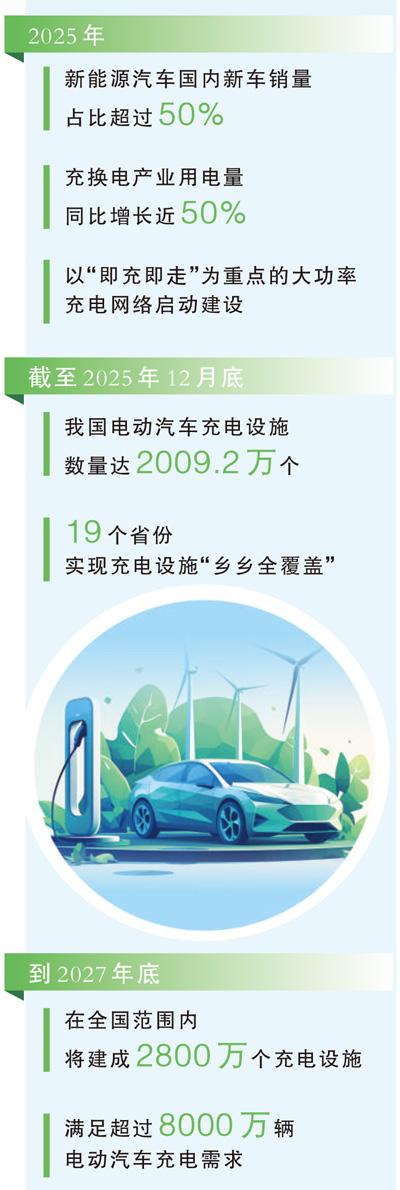
2025 年 新能源汽车国内新车销量 占比超过50% 充换电产业用电量 同比增长近50% 以"即充即走"为重点的大功率 充电网络启动建设 截至2025年12月底 我国电动汽车充电设施 数量达 2009.2 万个 19个省份 实现充电设施"乡乡全覆盖" 到 2027年底 在全国范围内 收进出2800 万人六中次女 核心阅读 四通八达的路网上,越来越多的新能源汽车便利出行,改变了我们的生活。与此同时,各地公共充电设 施加速提质升级,充电条件不断优化。 截至2025年12月底,我国电动汽车充电设施数量达到2009.2万个。全球最大电动汽车充电网络,支撑了 超4300万辆新能源汽车的顺畅出行。 太湖服务区超充站去年9月正式投运,是江苏首个集兆瓦级柔性共享超充与智能运维系统于一身的示范 性充电站。智能运维系统为超充站织就了安全守护网。通过"AI视觉算法+智能运维驾驶舱",系统能够 进行实时监控明火、设备异动,集成多路监控、隐患清单及巡检动态,帮助运维人员高效决策,守护充 电安全、出行安全。 截至目前,太湖服务区超充站日均服务173辆车,平均充电21度,平均充电时长20分钟。"在高速公路服 务区打造快充、超快充充电桩,能 ...

挚达科技午后涨超9% 盘中股价创上市新高
Xin Lang Cai Jing· 2026-01-16 05:21
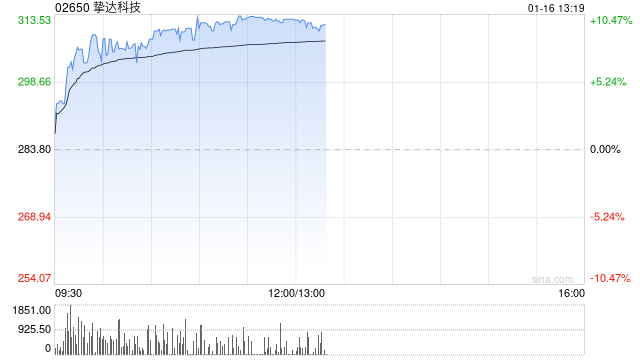
挚达科技(02650)早盘涨超10%,盘中高见313.4港元,续创上市新高。午后股价上涨9.09%,报309.60 港元,成交额2218.04万港元。 近日,根据国家充电设施监测服务平台数据,截至2025年11月底,我国电动汽车充电基础设施(枪)总 数达到1932.2万个,同比增长52.0%。其中,公共充电设施(枪)462.5万个,同比增长36.0%,公共充 电桩额定总功率达到2.10亿千瓦,平均功率约为45.34千瓦;私人充电设施(枪)1469.7万个,同比增长 57.8%,私人充电设施报装用电容量达到1.29亿千伏安。 国家发改委等部门联合印发《电动汽车充电设施服务能力"三年倍增"行动方案(2025-2027年)》,明 确提出大幅提高私人充电设施建设规模。目标到2027年底,建成2800万个充电设施,满足超8000万辆电 动汽车充电需求,实现服务能力翻倍增长。 热点栏目 自选股 数据中心 行情中心 资金流向 模拟交易 客户端 挚达科技(02650)早盘涨超10%,盘中高见313.4港元,续创上市新高。午后股价上涨9.09%,报309.60 港元,成交额2218.04万港元。 近日,根据国家充电设施监测服务 ...
总数突破1806万个 电动汽车充电设施再迎加速建设期
Zhong Guo Jin Rong Xin Xi Wang· 2025-10-21 00:25
Core Viewpoint - The "Three-Year Doubling" plan aims to significantly accelerate the construction of electric vehicle charging infrastructure in China, targeting a total of 28 million charging facilities by the end of 2027, which will support over 80 million electric vehicles [1][2]. Group 1: Current Infrastructure and Growth Projections - As of September 2025, China's total electric vehicle charging infrastructure is expected to reach 18.063 million units, representing a year-on-year growth of 54.5% [1]. - Public charging facilities are projected to reach 4.476 million units, with a year-on-year increase of 40%, while private charging facilities are expected to grow to 13.587 million units, marking a 60% increase [1]. - The average power of public charging stations is approximately 44.36 kW, with a total rated power of 199 million kW [1]. Group 2: Action Plan and Infrastructure Expansion - The "Three-Year Doubling" action plan aims to double the charging service capacity by 2027, with a target of over 300 million kW of public charging capacity [2]. - The plan includes mandates for new residential areas to install charging facilities or prepare for future installations, and to add at least 14,000 direct current charging guns in rural areas [2]. - Monthly additions of charging stations are expected to reach 380,000, surpassing the 352,000 monthly average projected for 2024 [2]. Group 3: Focus on High-Power Charging Facilities - The action plan emphasizes the construction of high-power charging facilities, with plans to add 1.6 million direct current charging guns in urban areas and 40,000 high-capacity charging guns at highway service areas [2][3]. - Current average power of public charging facilities is 45.5 kW, which is insufficient for high-demand scenarios such as holidays and urban hotspots [3]. - The demand for high-power fast charging equipment is anticipated to increase significantly due to policy support, benefiting related charging equipment companies [3].
中国电动汽车充电基础设施超1800万个
Zhong Guo Xin Wen Wang· 2025-10-20 10:03
Core Insights - The total number of electric vehicle charging infrastructure in China is projected to reach 18.063 million by September 2025, representing a year-on-year growth of 54.5% [1] - Public charging facilities are expected to reach 4.476 million, with a year-on-year increase of 40%, while private charging facilities are anticipated to grow to 13.587 million, marking a 60% increase [1] - A new action plan aims to double the charging service capacity by 2027, targeting the establishment of 28 million charging facilities and over 300 million kilowatts of public charging capacity [1] Summary by Category Electric Vehicle Charging Infrastructure - As of September 2025, the total number of electric vehicle charging infrastructure in China will be 18.063 million, with a growth rate of 54.5% [1] - Public charging facilities will reach 4.476 million, showing a 40% increase, while the total rated power of public charging piles will be 199 million kilowatts, averaging 44.36 kilowatts [1] - Private charging facilities will total 13.587 million, with a 60% increase, and the installed electricity capacity for private charging will reach 12 million kilovolt-amperes [1] Government Initiatives - The National Development and Reform Commission and the National Energy Administration, along with five other departments, have jointly released the "Three-Year Doubling Action Plan for Electric Vehicle Charging Facility Service Capacity (2025-2027)" [1] - By the end of 2027, the plan aims to establish 28 million charging facilities across China, providing over 300 million kilowatts of public charging capacity to meet the charging needs of over 80 million electric vehicles [1]
到2027年底,在全国范围内建成2800万个充电设施
Ren Min Wang· 2025-10-16 02:03
Core Insights - The National Development and Reform Commission (NDRC) has announced a plan to establish 28 million electric vehicle charging facilities nationwide by the end of 2027, aiming to enhance the electric vehicle charging infrastructure and promote consumer confidence in electric vehicle purchases [1] Summary by Categories Policy and Action Plan - The NDRC has developed the "Three-Year Doubling Action Plan for Electric Vehicle Charging Facility Service Capacity (2025-2027)" to improve the electric vehicle charging service network and enhance consumer experience [1] Infrastructure Development - The plan includes the construction of 28 million charging facilities across the country, which will provide over 300 million kilowatts of public charging capacity [1] Market Impact - The initiative aims to meet the charging needs of over 80 million electric vehicles, effectively doubling the charging service capacity [1]
2027年2800万个充电设施!促进电动汽车购置使用!六部门重磅发布
中关村储能产业技术联盟· 2025-10-15 12:24
Core Viewpoint - The article outlines the "Three-Year Doubling Action Plan for Electric Vehicle Charging Facility Service Capacity (2025-2027)", aiming to enhance the charging network, improve charging efficiency, and boost consumer confidence to promote wider adoption of electric vehicles. By the end of 2027, the plan targets the establishment of 28 million charging facilities, providing over 300 million kilowatts of public charging capacity to meet the charging needs of more than 80 million electric vehicles, effectively doubling the charging service capacity [7]. Summary by Sections Main Goals - The plan aims to establish 28 million charging facilities nationwide by the end of 2027, providing over 300 million kilowatts of public charging capacity and meeting the charging needs of over 80 million electric vehicles, achieving a doubling of service capacity [7]. Public Charging Facility Quality Upgrade Actions - Strengthening urban fast charging networks with a focus on fast charging and supplementing with slow charging, targeting the addition of 1.6 million direct current charging guns in cities by 2027, including 100,000 high-power charging guns [8]. - Accelerating the renovation of charging facilities in highway service areas, with plans to build or renovate 40,000 "super-fast combination" charging guns of 60 kilowatts or more by 2027 [9]. - Expanding charging facilities in rural areas, aiming to add at least 14,000 direct current charging guns in townships without public charging stations by 2027 [9]. Residential Charging Condition Optimization Actions - Increasing the scale of private charging facility construction in new residential areas, ensuring all fixed parking spaces are equipped with charging facilities or pre-installed conditions [10]. - Promoting a "unified construction and service" model for residential charging facilities, with a goal of establishing 1,000 pilot communities by 2027 to enhance the management and safety of private charging piles [10]. Vehicle-Grid Interaction Large-Scale Application Promotion Actions - Expanding the pilot scope of vehicle-grid interaction, with plans to add over 5,000 bidirectional charging and discharging (V2G) facilities and achieve a reverse discharge volume of over 20 million kilowatt-hours by 2027 [12]. Power Supply Capacity and Service Improvement Actions - Accelerating the upgrade and renovation of the distribution network to accommodate charging facility demands, focusing on urban core areas, highway service areas, and old residential communities [13]. - Enhancing the efficiency of electricity connection services for electric vehicle charging facilities, promoting online application channels and simplifying application processes [13]. Charging Operation Service Quality Improvement Actions - Improving the service quality of public charging stations by upgrading old equipment and optimizing station environments, pricing standards, and operational methods to enhance user experience [14]. Guarantee Mechanism - Strengthening organizational leadership for the implementation of the action plan, with various departments responsible for different aspects of charging facility development and ensuring effective execution of the "doubling action" [16].

国家能源局有关负责同志就《电动汽车充电设施服务能力“三年倍增”行动方案(2025—2027年)》答记者问
国家能源局· 2025-10-15 09:55
Core Viewpoint - The "Three-Year Doubling Action Plan for Electric Vehicle Charging Facilities Service Capacity (2025-2027)" aims to enhance the charging infrastructure to support the rapid growth of the electric vehicle industry in China, addressing existing gaps and improving consumer confidence in electric vehicle purchases [2][3]. Background of the Action Plan - The rapid development of new energy vehicles necessitates a robust charging infrastructure, which currently faces challenges such as uneven distribution, insufficient residential services, and the need for improved operational management [3]. - The plan aligns with the central government's initiative to boost consumption, particularly in the automotive sector, and aims to create a high-quality charging infrastructure system to support the growth of the new energy vehicle industry [3]. Overall Considerations of the Action Plan - The plan emphasizes four key areas: 1. **Equity**: Focus on balanced development of charging facilities, especially in rural areas, and enhancing the power capacity of existing facilities [4]. 2. **Innovation**: Promote vehicle-grid interaction to utilize electric vehicles as flexible energy storage resources [4]. 3. **Inclusivity**: Address challenges in residential charging infrastructure and simplify the installation process for consumers [4]. 4. **Implementation**: Clearly define responsibilities among various stakeholders to ensure effective execution of the plan [4]. Main Goals of the Action Plan - By the end of 2027, the plan aims to establish 28 million charging facilities nationwide, providing over 300 million kilowatts of public charging capacity to meet the needs of more than 80 million electric vehicles, effectively doubling the current service capacity [5]. Five Major Special Actions Proposed - **Public Charging Facility Upgrade**: Differentiate strategies for urban, intercity, and rural charging networks, focusing on fast charging and high-power facilities [6]. - **Residential Charging Condition Optimization**: Mandate new residential areas to include charging facilities and enhance existing ones [6]. - **Vehicle-Grid Interaction Promotion**: Expand pilot projects for vehicle-grid interaction and explore market-based response models [6]. - **Supply Capacity Improvement**: Integrate charging facility needs into distribution network planning and enhance service efficiency [6]. - **Charging Service Quality Enhancement**: Upgrade existing facilities and improve operational quality and service standards [6]. Measures to Ensure Effective Implementation - **Strengthened Leadership**: Various government departments will coordinate to ensure the plan's implementation [7]. - **Enhanced Execution**: Local governments will develop tailored action plans and support infrastructure improvements [7]. - **Safety Management**: Emphasize safety standards in the construction and operation of charging facilities [7]. - **Public Awareness**: Increase efforts in policy promotion and cross-sector communication [7].

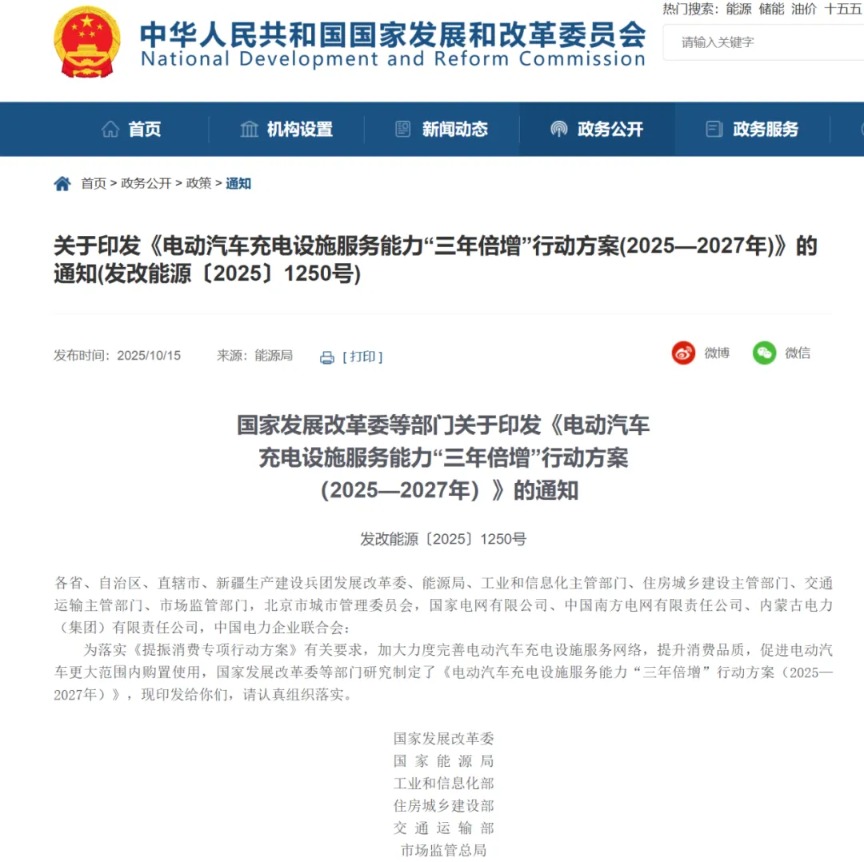
关于印发《电动汽车充电设施服务能力“三年倍增”行动方案(2025—2027年)》的通知
国家能源局· 2025-10-15 09:55
Core Viewpoint - The article outlines the "Three-Year Doubling Action Plan for Electric Vehicle Charging Facilities Service Capacity (2025-2027)" aimed at enhancing the charging infrastructure to boost electric vehicle adoption and improve consumer confidence [2][4]. Group 1: Main Goals - By the end of 2027, the plan aims to establish 28 million charging facilities nationwide, providing over 300 million kilowatts of public charging capacity to meet the charging needs of more than 80 million electric vehicles, effectively doubling the current service capacity [4]. Group 2: Public Charging Facility Quality Upgrade Actions - Strengthening urban fast charging networks by constructing 1.6 million new direct current charging guns, including 100,000 high-power charging guns by the end of 2027 [5]. - Accelerating the renovation of charging facilities in highway service areas, with plans to build 40,000 "super-fast combined" charging guns of 60 kilowatts or more by the end of 2027 [5]. Group 3: Rural Charging Facility Development - Expanding charging network coverage in rural areas by adding at least 14,000 direct current charging guns in townships without public charging stations by the end of 2027 [6]. Group 4: Residential Charging Condition Optimization - New residential areas are required to build or reserve charging facilities for all fixed parking spaces, while existing areas will enhance charging facilities based on local conditions [7]. - Promoting a "unified construction and service" model for residential charging facilities to ensure sustainable management and operation [7]. Group 5: Vehicle-Grid Interaction Application Promotion - Expanding vehicle-grid interaction pilot projects, aiming to add over 5,000 bidirectional charging and discharging (V2G) facilities and achieve a reverse discharge volume exceeding 20 million kilowatt-hours by the end of 2027 [8]. Group 6: Power Supply Capacity and Service Improvement Actions - Upgrading distribution networks to accommodate charging facility demands, focusing on urban core areas, highway service areas, and old residential communities [9]. - Enhancing the efficiency of electricity connection services for electric vehicle charging facilities through simplified application processes and improved service channels [9]. Group 7: Charging Operation Service Quality Enhancement - Improving the quality and efficiency of public charging stations by upgrading old equipment and optimizing user experience through better service standards [10]. Group 8: Implementation Assurance Mechanisms - Strengthening organizational leadership to ensure the effective implementation of the action plan, with various departments responsible for different aspects of charging facility development [11][12]. - Promoting safety management and compliance with national standards in the construction and operation of charging facilities [12]. Group 9: Publicity and Guidance - Increasing policy publicity through various media channels to create a favorable environment for electric vehicle consumption and the upgrade of charging infrastructure [13].

重磅利好!六部门发布电动汽车充电设施服务能力“三年倍增”行动方案
Zhong Guo Ji Jin Bao· 2025-10-15 09:36
Core Viewpoint - The National Development and Reform Commission, along with five other departments, has released an action plan aimed at doubling the service capacity of electric vehicle charging facilities by 2027, in response to the need for improved infrastructure to support the growing electric vehicle market [1][3]. Summary by Sections Main Goals - The action plan aims to establish 28 million charging facilities nationwide by the end of 2027, providing over 300 million kilowatts of public charging capacity to meet the charging needs of more than 80 million electric vehicles, effectively doubling the current service capacity [6]. Public Charging Facility Quality Upgrade Actions - Strengthening urban fast charging networks by adding 1.6 million direct current charging guns, including 100,000 high-power charging guns, by the end of 2027 [7]. - Accelerating the renovation of charging facilities in highway service areas, with plans to build or upgrade 40,000 charging guns of 60 kilowatts or more [8]. - Addressing the shortfall in rural charging facilities by adding at least 14,000 direct current charging guns in townships without public charging stations by 2027 [8]. Residential Charging Condition Optimization Actions - Increasing the scale of private charging facility construction in new residential areas, ensuring all fixed parking spaces are equipped with charging facilities or have conditions for future installation [9]. - Promoting a "unified construction and service" model for residential charging facilities, aiming to establish 1,000 pilot communities by 2027 to enhance the management and safety of private charging stations [5][9]. Vehicle-Grid Interaction Scale Application Promotion Actions - Expanding the pilot scope for vehicle-grid interaction, with plans to add over 5,000 bidirectional charging and discharging (V2G) facilities and achieve a reverse discharge volume exceeding 20 million kilowatt-hours by 2027 [11]. Power Supply Capacity and Service Improvement Actions - Accelerating the upgrade of distribution networks to accommodate the demand for charging facilities, focusing on urban core areas and highway service zones [12]. - Enhancing the efficiency of power connection services for electric vehicle charging facilities, simplifying application processes, and improving service delivery [12]. Charging Operation Service Quality Improvement Actions - Improving the quality and reliability of public charging stations by upgrading old equipment and enhancing user experience through better service standards [14]. Guarantee Mechanisms - The National Development and Reform Commission and the National Energy Administration will oversee the implementation of the action plan, with various departments responsible for specific aspects of the charging infrastructure development [15][16].