白酒产业转型

Search documents
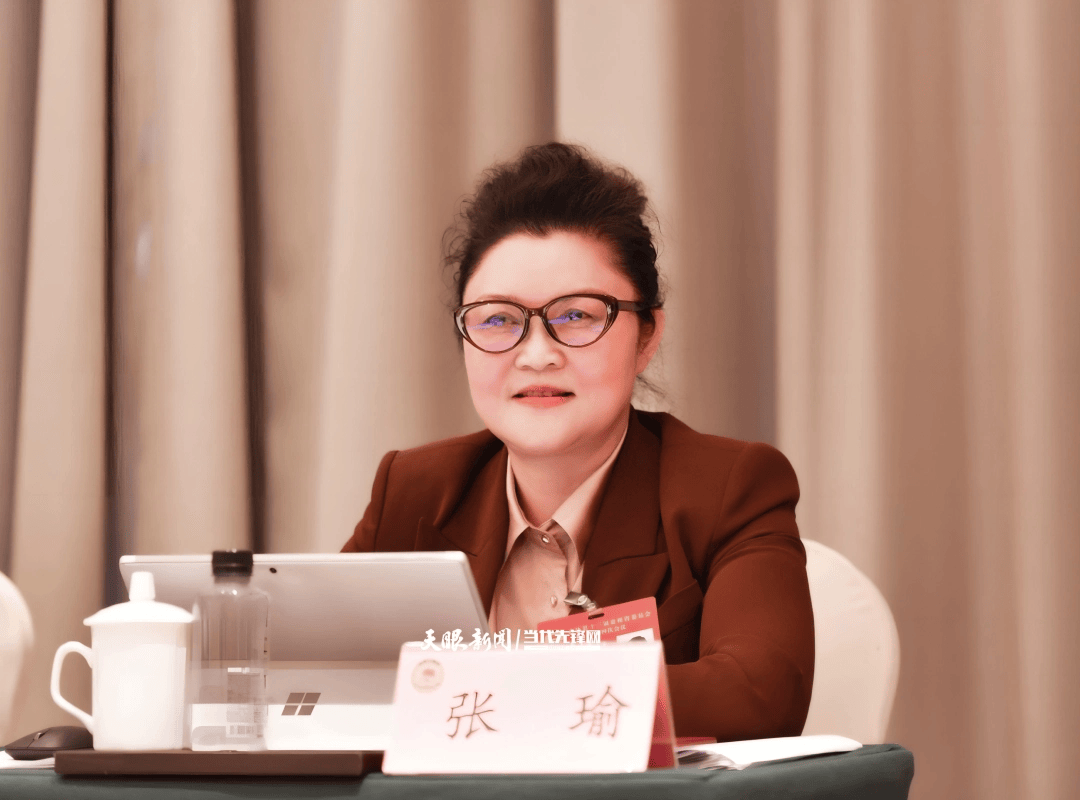
代表委员面对面|张瑜委员:适配白酒消费新场景 做优产品供给
Sou Hu Cai Jing· 2026-01-29 17:11
Core Viewpoint - The Guizhou liquor industry needs to transition from "selling products" to "selling lifestyles" to activate new growth momentum for domestic demand in Guizhou [1] Group 1: Industry Growth and Consumer Trends - The Guizhou liquor industry is a significant driver of consumption growth in the province [3] - Current consumer psychology is shifting towards "emphasizing experience, health, and cost-effectiveness" [3] - There is a need to adapt to new consumption scenarios and improve product offerings [3] Group 2: Product Development and Quality Assurance - It is essential to leverage the opportunity of expanding domestic demand by revitalizing non-sauce aroma production capacity [3] - Development of low-alcohol and fruit-flavored herbal innovative liquors is recommended to create a product system that combines sauce aroma with multiple aromas [3] - Implementing full-chain supervision of key production indicators is necessary to ensure quality and build market trust [3] Group 3: Tourism Integration and Cultural Promotion - The integration of liquor and tourism should be deepened by collaborating with well-known local scenic spots to offer unique tasting packages [3] - Developing themed tourism routes centered around liquor can shift tourists' focus from merely "viewing liquor" to "tasting, purchasing, and cultural transmission" [3] Group 4: Innovation and Talent Development - Increasing R&D investment is crucial to foster new growth momentum [3] - Collaboration between liquor companies and universities or medical institutions is needed to improve brewing processes and reduce health risks [3] - There is a call to develop low-concentration, fruit-flavored "light taste" products to cater to the younger demographic [3]


山西汾酒:张永踊出任汾酒销售公司董事长
Mei Ri Jing Ji Xin Wen· 2025-11-25 11:36
Core Viewpoint - Shanxi Fenjiu has announced a significant personnel change with Zhang Yongyong officially appointed as the Chairman of Fenjiu Sales Company, indicating a strategic shift in leadership during a challenging period for the Chinese liquor industry [1][2]. Company Summary - The announcement of the new management team includes key figures such as Vice General Manager and Chief Accountant Wang Huai, and Board Secretary Xu Zhifeng, highlighting a focus on leadership stability [1]. - Zhang Yongyong has a long history with the company, having joined in 1993 and progressively advancing through various sales roles, which positions him well to navigate the current market challenges [2]. - In a recent performance briefing, Zhang noted that the liquor industry is undergoing a deep adjustment, with Fenjiu implementing measures like promoting sales and reducing inventory to adapt to the changing landscape [2]. Industry Summary - The Chinese liquor industry is currently experiencing a significant transformation from a model focused on "scale expansion" to one emphasizing "value enhancement," reflecting a broader shift in market dynamics [2]. - The industry is facing a slowdown in performance, which Zhang attributes to this transition, suggesting that companies must prioritize efficiency and innovation over mere volume growth [2].

行业周报:白酒承压待布局,魔芋赛道涌生机-20250706
KAIYUAN SECURITIES· 2025-07-06 07:45
Investment Rating - The industry investment rating is "Positive" (maintained) [1] Core Viewpoints - The liquor industry is currently experiencing a bottoming phase, with a focus on the growth opportunities in the konjac segment. The food and beverage index increased by 0.6% from June 30 to July 4, ranking 19th among 28 sub-industries, underperforming the CSI 300 by approximately 0.9 percentage points. The meat products, liquor, and baked goods sub-industries showed relatively strong performance with increases of 1.2%, 1.2%, and 0.9% respectively [3][12][14] - The recent decline in liquor prices is attributed to the impact of e-commerce subsidies and restrictions on consumption due to the "ban on alcohol," which has compressed industry demand. However, liquor manufacturers are controlling market supply, leading to a temporary stabilization of liquor prices. Although there has been a slight accumulation of channel inventory, the overall inventory remains manageable due to a slowdown in shipments from manufacturers. The ongoing effects of the "ban on alcohol" are expected to continue, with increased pressure on liquor industry performance anticipated in the second quarter. The ban may accelerate industry consolidation and bottoming trends [3][12][14] - In the long term, the liquor industry is undergoing a transformation in consumer demand, with companies adapting by launching lower-alcohol products to cater to younger consumers and promoting family gatherings and casual drinking scenarios. Leading liquor companies maintain strong brand and channel competitiveness, which is expected to facilitate their transition during this industry transformation. Current low valuations and high dividend rates of leading liquor companies suggest they possess long-term investment value [3][12][14] Summary by Sections Market Performance - The food and beverage index increased by 0.6%, ranking 19th out of 28 sectors, underperforming the CSI 300 by approximately 0.9 percentage points. The leading sub-industries included meat products (+1.2%), liquor (+1.2%), and baked goods (+0.9%) [12][14] Upstream Data - As of July 1, the GDT auction price for whole milk powder was $3,859 per ton, down 5.5% month-on-month but up 19.9% year-on-year. The domestic fresh milk price was 3.0 yuan per kilogram, unchanged month-on-month but down 7.0% year-on-year. The domestic milk price is expected to continue its downward trend in the short to medium term [19][24] - On July 5, the price of pork was 20.4 yuan per kilogram, down 16.2% year-on-year, while the price of live pigs was 15.2 yuan per kilogram, down 16.5% year-on-year. The number of breeding sows was 40.42 million, up 1.2% year-on-year [27][28] Recommendations - Recommended stocks include Guizhou Moutai, Shanxi Fenjiu, Ximai Food, Wancheng Group, and Bairun Co. Guizhou Moutai is expected to deepen its reform process and emphasize sustainable development despite short-term demand pressures. Shanxi Fenjiu has high mid-term growth certainty, while Ximai Food is expected to improve profitability due to favorable raw material costs. Wancheng Group continues to expand its store count and target young consumers, and Bairun Co. is seeing improvements in its pre-mixed liquor segment [5][48]