
监管合作

Search documents
Universal Technical Institute(UTI) - 2026 Q1 - Earnings Call Transcript
2026-02-04 22:32
Financial Data and Key Metrics Changes - Revenue for the first quarter grew 10% to $221 million compared to the previous year [4][5] - Baseline adjusted EBITDA was nearly $35 million, including over $7 million in growth investments, while reported adjusted EBITDA was $27 million [5][6] - Consolidated net income for the first quarter was $12.8 million, or $0.23 per diluted share [21] - Total average full-time active students grew 7.2% year-over-year to 26,858, with total new student starts increasing 2.6% to 5,449 [18][21] Business Line Data and Key Metrics Changes - The Concorde division generated a 9.5% increase in average full-time active students, driven by demand in nursing and allied health [18][21] - The UTI division grew average full-time active students by 5.7% year-over-year, reflecting strength across its program suite and employer demand [18][21] - Revenue from the Concorde division was $78 million, an increase of 11.5%, while the UTI division contributed $142.8 million, an increase of 8.6% [21] Market Data and Key Metrics Changes - Average full-time active students increased by 7%, with new student starts growing roughly 3% year-over-year, aligning with market expectations [6] - The company anticipates total new student starts to be between 31,500 and 33,000 for the fiscal year [24] Company Strategy and Development Direction - The company is executing its North Star strategic plan, focusing on disciplined growth through new campus launches and program expansions [4][8] - Plans to open a minimum of 2 and up to 5 new campuses annually, with the first fiscal 2026 campus already opened in Fort Myers, Florida [9][11] - The company aims to launch between 12 and 20 new programs annually across its divisions, with over 20 programs planned for this year [12][14] Management's Comments on Operating Environment and Future Outlook - Management expressed confidence in achieving fiscal 2026 revenue guidance of $905 million to $915 million, reflecting approximately 9% year-over-year growth [6][22] - The company is focused on delivering strong student and employer outcomes, which have been a cornerstone of its operations for over 60 years [7] - Management noted that while growth investments may lead to short-term margin pressure, they are essential for long-term value creation [23][25] Other Important Information - Total available liquidity at the end of the quarter was $233.2 million, including $69.2 million of short-term investments [21] - The company expects adjusted EBITDA to exceed $150 million, including approximately $40 million in growth investments [23][25] Q&A Session Summary Question: Insights on UTI and Concorde student starts - Management confirmed that UTI starts were expected to perform better due to increased marketing efforts, while Concorde starts were flat due to a high comparison base from the previous year [32][34] Question: CapEx expectations - The company reiterated a full-year CapEx expectation of around $100 million, with a significant portion allocated to growth investments [44][46] Question: Heartland Fort Myers campus funding - The campus will operate similarly to other campuses, with options for government loans and Pell Grants now available [54] Question: Margin pressure in Concorde - The decline in EBITDA margins was attributed to growth investments, with no structural issues affecting profitability [57] Question: Confidence in start acceleration - Management indicated that momentum is building with new programs and campuses opening, contributing to expected growth in student starts [61][62] Question: Updated thoughts on acquisitions - Management noted limited acquisition opportunities in the current environment, as many operators are not looking to exit the market [119]
世界经济论坛:全球金融体系出现断层,亟须加强监管合作
Zhong Guo Jing Ying Bao· 2025-11-26 11:02
Core Insights - The World Economic Forum report indicates that fractures are emerging within the global financial system, highlighting disparities across different regions and levels of economic development [1] - Despite a trend towards a more multipolar international order and financial system, globalization is expected to persist in the short term [1] - Increasing prioritization of economic governance strategies by governments poses a risk of further fragmentation within the financial system [1] Financial Fragmentation Risks - The report suggests that the potential risks of financial fragmentation provide a compelling reason for policymakers and financial practitioners to consider alternative pathways [1] - Strengthening regulatory cooperation and further standardizing financial transaction frameworks are recommended to reshape the global financial system [1] Technological Integration - Emerging technologies such as blockchain and artificial intelligence can enhance the transparency and efficiency of cross-border payments [1] - Collaboration among multiple stakeholders can strengthen financial governance, helping to mitigate systemic risks and ensure fair and efficient functioning of financial markets [1] Stability and Resilience - The proposed pathways aim to enhance the stability and resilience of the global economic system, fostering mutual trust among various parties [1]
专访金杜律所费思:稳定币监管的香港路径与全球博弈
Xin Lang Cai Jing· 2025-07-31 23:42
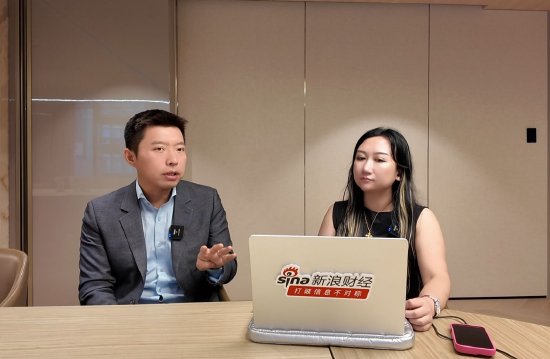
Core Insights - Stablecoins are evolving from a niche concept in the cryptocurrency space to a key player in reshaping international payment systems and financial landscapes [1] - The recent regulatory developments in Hong Kong and the United States signify a new phase for the global stablecoin market, with implications for compliance and operational frameworks [10] Regulatory Frameworks - Hong Kong's Financial Management Authority has established a rigorous evaluation system for stablecoin license applications, emphasizing the practicality and sustainability of stablecoin projects [3] - The regulatory framework in Hong Kong allows for flexibility in the definition of stablecoins, potentially accommodating various asset-backed forms in the future [4] - The U.S. legislation supports the development of dollar-backed stablecoins while limiting the advancement of Central Bank Digital Currencies (CBDCs), aiming to maintain the dollar's dominance in the digital economy [6][9] Market Dynamics - The relationship between CBDCs and stablecoins is characterized by competition and coexistence, with each serving different market needs [6] - Cross-border payment capabilities are a core application for stablecoins, prompting regulatory bodies in Hong Kong and other jurisdictions to explore mutual recognition of licenses and regulatory cooperation [7] - Hong Kong's regulatory measures aim to protect consumers by restricting the issuance of stablecoins to licensed entities, thereby preventing unregulated foreign stablecoins from entering the market [8] Comparative Analysis - The regulatory models in Hong Kong and the U.S. differ significantly, with Hong Kong adopting a centralized and efficient approach, while the U.S. employs a complex multi-layered regulatory system [9] - Hong Kong prioritizes investor protection and aims to create a transparent and secure market environment, contrasting with the U.S. focus on reinforcing the dollar's position in the global digital payment system [9][10]

史诗级!一张牌照,暴涨198%
Zhong Guo Ji Jin Bao· 2025-06-25 10:08
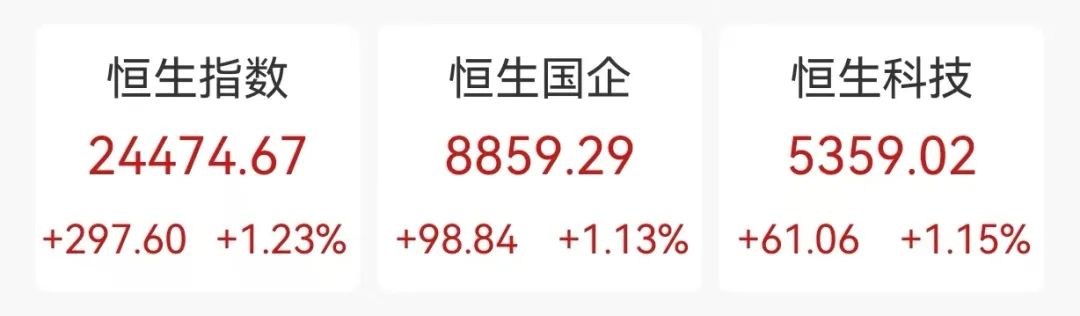
Group 1 - Cathay Financial International's stock surged by 198.39% after receiving a virtual asset trading license from the Hong Kong Securities and Futures Commission, closing at a peak price of HKD 3.70 per share [6] - The upgrade of the trading license allows Cathay Financial International to offer cryptocurrency trading services, including Bitcoin, Ethereum, and stablecoins like Tether (USDT) [6] - The overall market showed positive momentum, with the Hang Seng Index rising 1.23% and a total market turnover of HKD 267.8 billion, indicating increased investor activity [1][5] Group 2 - Other notable stocks included New Oriental, which rose by 8.85%, and Sands China, which increased by 5.99%, leading the blue-chip stocks [3][4] - The Hong Kong Hang Seng Industry Index saw significant gains in the real estate and construction sector, which rose by 2.61%, and the financial sector, which increased by 1.85% [5] - The Chinese brokerage index surged by 11.75%, reflecting strong interest in the sector following the news of Cathay Financial International's license acquisition [5][8] Group 3 - OSL Group, another licensed virtual asset institution in Hong Kong, experienced a stock price increase of 16.07%, reaching HKD 14.30 per share, marking a new high in nearly a year [8] - The entry of traditional financial institutions into the virtual asset trading space is expected to enhance the market ecosystem, with more brokerages likely to upgrade their licenses [8] - The Hong Kong Securities and Futures Commission is actively engaging with the Saudi Capital Market Authority to strengthen regulatory cooperation and enhance market connections [10][11]
香港证监会与沙特资本市场管理局将进一步探讨监管合作
news flash· 2025-05-29 12:51
Core Viewpoint - The Hong Kong Securities and Futures Commission (SFC) and the Saudi Arabian Capital Market Authority (CMA) are set to enhance regulatory cooperation and continue developing a memorandum of understanding to promote cross-border investment initiatives between Hong Kong and Saudi Arabia [1] Group 1 - The meeting took place between SFC Chief Executive Officer Ashley Alder and Abdulaziz Bin Hassan, a board member of the CMA [1] - Both parties agreed on the importance of strengthening regulatory collaboration [1] - The discussions aim to facilitate cross-border investment opportunities between the two regions [1]