跨境投资

Search documents
首家托管公募QDII基金的外资行来了!
券商中国· 2026-03-15 09:09
Core Viewpoint - Foreign banks have achieved a milestone breakthrough in the public fund custody sector in China, with Standard Chartered Bank (China) becoming the first foreign bank to provide custody services for public QDII funds and initiated funds [1][2]. Group 1: Milestone Achievement - Standard Chartered China has announced its custody service for the Guotai Haitong Hong Kong Stock Advantage Selected Equity Fund, marking a significant step in the QDII market's rapid expansion [1][2]. - As of January 2026, the QDII fund scale reached 1.03 trillion yuan, an increase of 44.986 billion yuan from the end of 2025, officially entering the trillion-yuan level [2]. Group 2: Cross-Border Investment Infrastructure - The growth in cross-border investment demand is creating new entry points for foreign institutions to participate deeply in China's wealth management market [3]. - QDII funds exhibit unique complexities in custody needs compared to domestic funds, including coordination between domestic and foreign custodians, multi-time zone and multi-currency settlements, investment supervision, accounting, and regulatory reporting [3]. Group 3: Strategic Expansion - Standard Chartered China is expanding its service solutions already practiced in other QDII products to the public QDII fund sector, indicating a strategic focus on the vast potential of China's wealth management market [4]. - The bank's president emphasized the opportunity for foreign financial institutions to support China's capital market's high-level opening and assist domestic investors in global asset allocation [4]. Group 4: Collaboration with Leading Asset Management Institutions - The collaboration between Guotai Haitong Asset Management and Standard Chartered China is seen as a significant step in the cross-border development of public business, aligning with the national strategy for financial openness and promoting capital flow [5]. - Guotai Haitong Asset Management, managing over 700 billion yuan in assets, views this partnership as a crucial advancement in public business [5]. Group 5: Foreign Banks' Collective Strategy - The trend of foreign banks entering the domestic fund custody business is expected to grow, with more institutions preparing for this market [7]. - As of mid-2024, BNP Paribas (China) has received approval for securities investment fund custody qualifications, becoming the fourth foreign bank to do so, following Standard Chartered, Citibank, and Deutsche Bank [7]. - The role of fund custodians includes safeguarding all fund assets, executing investment instructions, supervising fund operations, and reviewing net asset values and financial statements, indicating strong business ties with fund companies [7]. Group 6: Regulatory Environment and Market Potential - The healthy development of the QDII market has been incorporated into the top-level design for financial openness, with the State Administration of Foreign Exchange issuing $3.08 billion in QDII investment quotas by June 2025 [8]. - Although fund custody business profits are low, it can lead to opportunities in related services such as institutional account openings and FOFs, benefiting institutional business diversification [8].


加码跨境投资!这家券商大动作!
券商中国· 2026-03-13 08:48
Core Viewpoint - The article discusses the increasing investment by securities firms in asset management businesses, highlighting Shanxi Securities' recent capital increase in its subsidiary, Shanxi Asset Management, to enhance its cross-border investment capabilities and meet diverse client needs [2][3][4]. Group 1: Shanxi Securities' Investment - On March 12, Shanxi Securities announced a plan to increase capital by 200 million yuan in its wholly-owned subsidiary, Shanxi Asset Management, to enhance its cross-border investment and client service capabilities [2][3]. - The capital increase is part of Shanxi Asset Management's strategy to focus on "characteristic equity and overseas asset allocation" as dual wings for business expansion, aiming to diversify its product offerings [2][6]. - As of the end of 2025, Shanxi Asset Management is projected to have total assets of 716 million yuan, with an expected revenue of 226 million yuan and a net profit of approximately 69.03 million yuan [3]. Group 2: Industry Trends - Shanxi Securities is not alone in increasing support for asset management; other firms like Nanjing Securities and Southwest Securities have also announced significant capital increases for their asset management divisions [4]. - The growing demand for global asset allocation among residents is driving securities firms to strategically enhance their cross-border business capabilities [5]. - Shanxi Asset Management's strategy includes a focus on fixed income, public absolute returns, and multi-asset strategies, with a notable increase in the issuance of new products [5][6]. Group 3: Internationalization Strategy - The capital increase in Shanxi Asset Management aligns with Shanxi Securities' broader internationalization strategy, which aims to meet evolving client demands and fill gaps in cross-border services [7]. - The company is focusing on three key areas for international business: FICC (fixed income, currencies, and commodities), cross-border investment banking, and characteristic asset management [8]. - Shanxi Securities is enhancing collaboration between its domestic and international operations to create a closed-loop system for identifying domestic needs, implementing overseas services, and sharing results [8].


全球产业链重构下,跨境投资如何穿越周期?
母基金研究中心· 2026-03-08 08:58
Core Insights - The fourth Davos Global Fund of Funds Summit was held on January 21, 2026, focusing on the future development of the global fund of funds and venture capital industries amidst economic cycles [2][3]. Group 1: Cross-Border Investment - The second panel discussed the "New Paradigm of Cross-border Investment: Balancing Opportunities and Risks," addressing emerging cross-border investment sectors amid global industrial chain restructuring [4][5]. - Key issues included the opportunities in new cross-border investment tracks and the balance between technology maturity and valuation bubbles in long-cycle equity investments [6][7]. - The restructuring of the global industrial chain is reshaping cross-border investment patterns, highlighting contradictions between emerging tracks and valuation bubbles [7]. Group 2: Investment Strategies - Companies are advised to focus on "technology + real industries" in cross-border investments, emphasizing regional synergy and the integration of resources across different areas [8][9]. - The healthcare sector in China is identified as a high-quality track for cross-border investment, with a total transaction volume of nearly $140 billion in 2025, accounting for 49% of the global international pharmaceutical business development [11][12]. - Long-cycle investments should establish mechanisms for "technology iteration tracking + dynamic valuation adjustment" to avoid chasing conceptual bubbles and focus on projects with proven commercialization capabilities [10][12]. Group 3: Risk Management - Risk management in long-cycle investments requires attention to policy compliance and industry cycles, with China's healthcare industry benefiting from strong policy support and resilient demand [12]. - Companies should adopt a diversified allocation strategy, investing in various sectors such as cryptocurrencies, AI, and energy projects to hedge risks associated with single tracks [13][15]. - The importance of geopolitical considerations and localization policies is emphasized, particularly in regions like the Middle East, where local content requirements for major projects are significant [14][15].

Full value: Mitigating operational risk to prevent value dilution on foreign equities
Yahoo Finance· 2026-03-02 23:00
Group 1 - International retail banks are experiencing sustained demand for global equity exposure from investor clients, with overseas equities being central to modern wealth allocation [1][3] - High-net-worth individuals and family offices are increasingly focused on net returns, tax efficiency, and operational robustness, prompting retail banks to enhance their post-trade infrastructure [2] - Retail banks in Europe, Asia, and the Middle East are expanding client access to foreign markets through funds, ETFs, and cross-border custody platforms, driven by globalization and digital wealth channels [3] Group 2 - The key challenge for international retail banks is to ensure that the operational ecosystem supporting investments is as robust as the investment proposition [4] - Traditional market risks remain central to portfolio suitability and client advice, despite the rising prominence of operational considerations [6] - Foreign exchange volatility is a significant risk for internationally diversified clients, necessitating effective hedging implementation and monitoring [7] Group 3 - Currency overlay programs introduce operational complexities that require tight control, including collateral management and counterparty exposure limits [8] - Retail banks are increasingly seeking clear hedge governance and independent exposure monitoring to ensure effective management of currency risk [9]
超30只QDII基金扎堆预警,纳指ETF溢价高企
2 1 Shi Ji Jing Ji Bao Dao· 2026-02-25 12:54
Core Viewpoint - The recent surge in premium risks associated with QDII funds has raised concerns, with over 30 funds announcing premium risks shortly after the Spring Festival holiday, indicating a significant disparity between secondary market prices and net asset values [1][2][6]. Group 1: Premium Risk Announcements - More than 30 QDII funds issued announcements regarding premium risks within two trading days after the Spring Festival, including products like Nasdaq ETF, S&P 500 ETF, and others [1][2]. - On February 25, eight QDII funds reported that their secondary market prices were significantly higher than their reference net asset values, with some products showing a premium of up to 6% [2]. - The frequency of premium risk announcements has increased, with some funds issuing multiple warnings within a short period [4]. Group 2: Trading Suspension Measures - Some QDII funds have taken suspension measures to protect investors, such as the E Fund's crude oil LOF, which suspended trading on February 25 due to high premium levels [3]. - The Huatai-PineBridge Korea-China Semiconductor ETF also suspended trading on February 24, indicating a proactive approach to manage premium risks [4]. Group 3: Market Dynamics and Investor Behavior - The high frequency of premium risks is attributed to two main factors: strong market interest in overseas high-growth assets and limited QDII investment quotas [6]. - Analysts suggest that the current high premiums may lead to significant losses for investors if they purchase QDII funds at inflated prices, emphasizing the need for caution [6]. - The overall market sentiment reflects a growing demand for cross-border investments, with a notable shift in investor behavior towards high-premium products [6][12]. Group 4: Purchase Restrictions - A significant number of QDII products are currently under purchase restrictions, with over 60% of them limiting new subscriptions due to tight quotas [10]. - Fund managers are implementing these restrictions to protect existing investors and ensure stable fund operations amid high demand [9][10]. - The trend of imposing purchase limits is becoming more common as fund managers seek to balance supply and demand in the context of limited foreign exchange quotas [8][10].
海南海口冲出一家IPO,服务5000多家出海企业,毛利率约47%
3 6 Ke· 2026-02-25 10:51
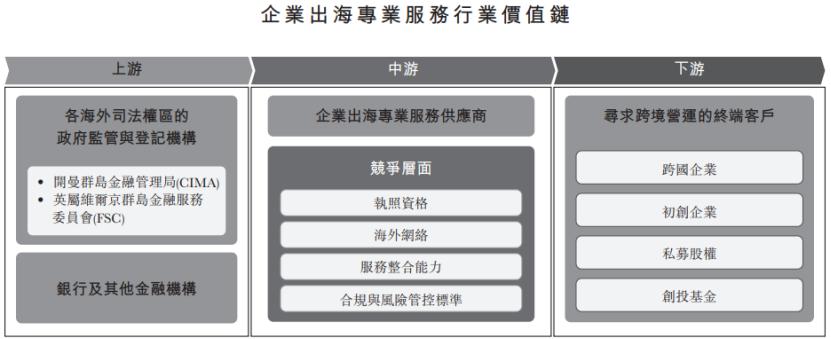
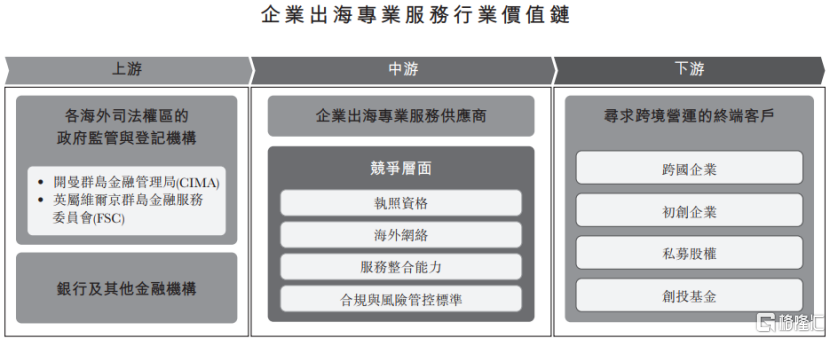
Core Viewpoint - China's outbound direct investment continues to grow due to the internationalization of Chinese enterprises, restructuring of overseas supply chains, and the Belt and Road Initiative, with a significant concentration in financial hubs like Hong Kong, Singapore, and the Cayman Islands. This has led to the rapid development of service providers like ICS Corporate Services Group Inc, which is preparing for an IPO in Hong Kong [1]. Company Overview - ICS Group is a professional service provider focused on assisting Chinese enterprises in their overseas expansion, offering services such as offshore company registration, structure design, compliance reporting, and fund administration [2]. - The company, founded in 2016 by Li Dandan and Li Yifei, is headquartered in Haikou, Hainan Province, and employs 182 full-time staff as of September 2025, with 126 in operations [2][3]. - Li Dandan, the CEO, has a strong educational background in law and extensive experience in enterprise management, while Li Yifei, the General Manager, has a background in logistics management [3]. Financial Performance - ICS Group declared a dividend of $2.6 million (approximately 18.5 million RMB) for the period from January to September 2025, with IPO proceeds aimed at upgrading IT infrastructure, expanding operational regions, and enhancing brand influence [5]. - The company’s revenue for 2023, 2024, and the first nine months of 2025 was approximately 132.2 million RMB, 200.2 million RMB, and 142.0 million RMB, respectively, with gross margins of 45.8%, 47%, and 46.6% [16][17]. Revenue Breakdown - Over 90% of ICS Group's revenue comes from enterprise services, which include entity formation and registration, management and renewal services, fund administration, and financial reporting [10][12]. - The company has served over 5,500 clients across various industries, primarily focusing on those seeking global expansion and cross-border operations [10]. Market Position - In 2024, ICS Group is projected to be the second-largest provider of outbound professional services in China, with a market share of 10.5%, and is the only domestic provider with full licensing qualifications [19][21]. - The Chinese outbound professional services market is expected to grow from 2 billion RMB in 2024 to over 5.9 billion RMB by 2029, with a compound annual growth rate of 25.8% from 2025 to 2029 [14]. Competitive Landscape - The industry is characterized by a concentration of suppliers, with ICS Group relying heavily on five major suppliers for over 90% of its procurement [10]. - The competitive environment includes both international giants and local firms, with ICS Group facing challenges from larger competitors with more resources and brand recognition [18][19].
ICS集团港股IPO,服务中国出海企业,依赖五大供应商
Ge Long Hui· 2026-02-25 08:08
Core Viewpoint - The growth of China's outbound direct investment is driven by the internationalization of Chinese enterprises, the restructuring of overseas supply chains, and the Belt and Road Initiative, leading to a rise in demand for professional services that assist companies in establishing offshore entities and compliance [1][4]. Company Overview - ICS Corporate Services Group Inc (ICS Group) is a professional service provider focused on assisting Chinese enterprises in their overseas expansion, offering services such as offshore company registration, structure design, compliance reporting, and fund administration [4][18]. - The company was founded in 2016 by Li Dandan and Li Yifei, who have extensive experience in the enterprise service sector [4][5]. - As of September 2025, ICS Group employs 182 full-time staff, with 126 in operational roles [4]. Financial Performance - ICS Group's revenue for the years 2023, 2024, and the first nine months of 2025 is approximately RMB 132.24 million, RMB 200.23 million, and RMB 142.04 million respectively, with corresponding net profits of about RMB 34.32 million, RMB 61.76 million, and RMB 39.04 million [20][22]. - The company declared a dividend of USD 2.6 million (approximately RMB 18.5 million) for the period from January to September 2025 [7]. Market Position - ICS Group is the second-largest provider of outbound professional services for Chinese enterprises, holding a market share of 10.5% in 2024 [24][26]. - The Chinese outbound professional services market is projected to grow from RMB 2 billion in 2024 to over RMB 5.9 billion by 2029, with a compound annual growth rate of 25.8% from 2025 to 2029 [18]. Service Composition - Over 90% of ICS Group's revenue comes from enterprise services, which include entity formation and registration, management and renewal services, fund administration, and financial reporting and tax services [12][20]. - The company has served over 5,500 clients across various industries, including technology, financial services, manufacturing, and consumer goods [12]. Supplier Dependency - ICS Group relies heavily on five major suppliers, with procurement from these suppliers accounting for over 87% of total procurement costs during the reporting period [12][18]. - The company faces risks associated with its dependence on a concentrated supplier base, as well as potential regulatory changes affecting its operations [23][24].
谁在节前悄悄调仓?跨境产品成吸金王
Di Yi Cai Jing Zi Xun· 2026-02-11 20:12
Core Viewpoint - The market is experiencing a shift in fund allocation as the Chinese New Year approaches, with a notable recovery in ETF investments after significant outflows earlier in January [2][3]. Group 1: ETF Market Dynamics - In the past week, the total net subscription for all ETFs reached nearly 20.6 billion yuan, indicating a clear trend of capital returning to the market [3]. - The previously struggling broad-based ETFs, particularly the CSI 300 ETF, have seen a slowdown in net outflows, with a recent net subscription of 0.2 billion yuan [3]. - The CSI 1000 ETF attracted 2.731 billion yuan in net inflows, while other indices like CSI 500 and CSI 2000 also received significant investments [4]. Group 2: Sector and Theme Investments - The chemical, semiconductor, and non-ferrous metals sectors have emerged as key areas for capital allocation, with several thematic ETFs attracting over 10 billion yuan each [4]. - Cross-border ETFs have shown remarkable performance, with a net inflow of 10.985 billion yuan in the last week, contributing significantly to the overall ETF market growth [4]. Group 3: Market Sentiment and Future Outlook - Analysts predict a potential stabilization and improvement in risk appetite in the equity market, suggesting a favorable environment for small-cap and growth sectors post-holiday [7]. - The current market conditions are seen as an opportunity for long-term investors, particularly in the technology sector, which is expected to maintain its growth trajectory despite short-term volatility [9].

证监会:境内资产境外发行资产支持证券代币 应当严格遵守跨境投资、外汇管理、网络和数据安全等规定
Sou Hu Cai Jing· 2026-02-06 13:26
Core Viewpoint - The China Securities Regulatory Commission (CSRC) has issued guidelines regarding the issuance of asset-backed securities tokens overseas based on domestic assets, emphasizing compliance with various legal and regulatory requirements [1] Group 1: Regulatory Framework - The guidelines define asset-backed securities tokens as rights certificates that utilize cash flows generated from domestic assets or related asset rights, employing encryption technology and distributed ledger or similar technologies for overseas issuance [1] - Issuers must strictly adhere to laws and regulations concerning cross-border investment, foreign exchange management, and network and data security, ensuring that they fulfill approval, filing, or security review procedures as required by relevant regulatory authorities [1] - The issuance activities must not harm national interests or public welfare [1]
跨境ETF如何选?41只主要产品全解析
雪球· 2026-02-02 07:53
Core Viewpoint - The article emphasizes the importance of diversifying investments through cross-border ETFs, particularly focusing on mature markets and core broad-based indices to mitigate risks rather than solely pursuing high returns [4][5]. Group 1: Cross-Border Indices and Characteristics - The number of cross-border indices listed in A-shares has increased, including new directions like FTSE Arabia and Brazil BOVESPA, enriching investment choices [7]. - Many investors have entered these cross-border indices without fully understanding their characteristics, leading to high premium rates for several products [7][8]. - It is advised that ordinary investors should observe new indices for a period to understand their valuation ranges and mechanisms before investing [8]. Group 2: Cross-Border ETFs Overview - Currently, there are 41 cross-border ETFs listed in A-shares, with a total tracking scale exceeding 186 billion, primarily focused on broad-based indices from the US market [13]. - The tracking scale of the Dow Jones Industrial Average, S&P 500, and NASDAQ 100 exceeds 140 billion, indicating a preference for mature market core indices among investors [13]. Group 3: Valuation Levels of Cross-Border Indices - The overall valuation levels of major global markets are considered high, particularly for the four major US indices, which are in a high range [10]. - The NASDAQ technology and South Korea semiconductor indices are also in a high valuation state due to narratives around AI and semiconductor sectors [10]. - The Nikkei 225 index has seen a significant increase of 34.75% over the past year, while the South Korea semiconductor index achieved an impressive 121.51% return [10]. Group 4: Premium Issues in Cross-Border ETFs - Premium rates are a critical issue in cross-border ETF investments, often influenced by domestic QDII product foreign exchange limits, leading to unexpected premium rates for smaller ETFs [21][22]. - It is recommended that ordinary investors avoid high premium products to prevent significant losses, especially when premiums exceed 3% [22][23]. - Some products, like the Brazil ETF and NASDAQ technology ETF, have premium rates close to 15%, indicating visible risks that should be monitored [23]. Group 5: Investment Strategy Recommendations - Investors are encouraged to avoid making decisions based on short-term emotions and subjective judgments, focusing instead on their risk tolerance and safety margins [24]. - Setting intervention rules and position limits in advance is suggested to better navigate market opportunities when they arise [24].