
睡眠质量

Search documents
每天睡8小时才算好睡眠吗
Xin Lang Cai Jing· 2026-02-02 00:29
Core Viewpoint - The evaluation of good sleep should not be based solely on duration, as the required sleep time varies among individuals. For the Asian population, a sleep duration of 7 to 8 hours is generally associated with lower disease risk, but individual differences must be considered [1] Summary by Relevant Categories - **Sleep Duration**: The average recommended sleep duration for most individuals in the Asian population is 7 to 8 hours, which corresponds to a lower risk of various diseases [1] - **Individual Differences**: There is no absolute standard for sleep duration, as individual needs vary, including those of infants who require longer sleep [1] - **Quality of Sleep**: Factors such as bedtime, the proportion of deep sleep versus light sleep, and waking up feeling refreshed are critical indicators of sleep quality, rather than just the total hours slept [1]


“秒睡”≠“睡眠好”!出现这种情况,可能是身体在报警
Xin Lang Cai Jing· 2026-01-04 00:24
Core Viewpoint - The article discusses the potential health risks associated with falling asleep quickly, which may indicate underlying issues rather than good sleep quality. Group 1: Health Risks of Quick Sleep - Quick sleep may signal a "forced shutdown" of the body due to extreme fatigue from poor lifestyle choices, such as staying up late and getting insufficient sleep [1][2] - Conditions like narcolepsy and sleep apnea can lead to quick sleep, affecting both nighttime sleep quality and causing excessive daytime sleepiness [2][3] Group 2: Characteristics of Good Sleep - Good sleep is characterized by a complete sleep cycle, which includes 20% REM sleep and 80% NREM sleep, with each cycle lasting about 80-100 minutes [4] - A good sleep experience typically allows individuals to fall asleep within 30 minutes and achieve 6-9 hours of sleep per night [6] Group 3: Indicators of Sleep Quality - Frequent dreams or nightmares, difficulty waking up, and poor work efficiency can indicate low sleep quality [7][10][11] - High-quality sleep allows individuals to wake up feeling refreshed and ready to start the day without excessive fatigue [9] Group 4: Methods to Improve Sleep Quality - Recommendations for improving sleep include avoiding screens before bed, managing caffeine and alcohol intake, and creating a comfortable sleep environment [14] - Techniques such as deep breathing, listening to soft music, and consulting a doctor for sleep aids can also enhance sleep quality [14]
明知伤身,为什么76%的大学生选择主动熬夜
Xin Lang Cai Jing· 2025-12-21 02:11
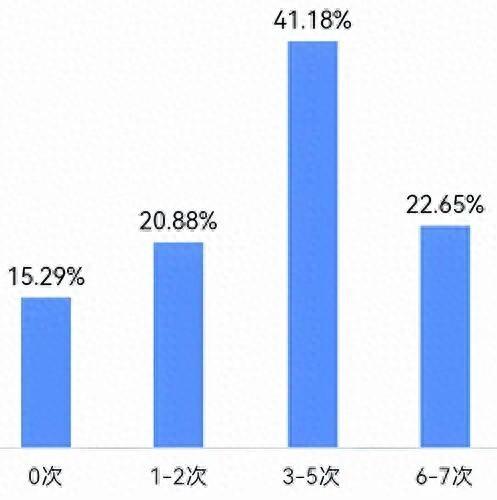
Core Viewpoint - The article highlights the sleep deficit faced by contemporary college students, particularly those born after 2000, due to excessive smartphone use and late-night activities, despite a general awareness of the negative impacts of sleep deprivation [1][14]. Group 1: Sleep Habits of College Students - 76% of surveyed college students choose to delay their sleep time without external pressure, with 41% sleeping past midnight for 3 to 5 days a week and 22% for 6 to 7 days [2] - Over 63% of students report sleeping 8 to 9 hours daily, and 91% sleep at least 6 hours, indicating some may compensate for late nights with daytime naps [4] - 60% of students perceive staying up late as enjoyable, despite knowing the potential health risks associated with it [6] Group 2: Reasons for Staying Up Late - Personal entertainment is the primary reason for staying up late, scoring 4.74, followed by social activities at 3.17 [8] - Students often decide to sleep based on physical signals (5.58), specific times (5.05), or completing tasks, showing a degree of self-regulation in their sleep patterns [10] Group 3: Challenges in Adjusting Sleep Patterns - Approximately 73% of students have attempted to adjust their sleep schedules, with lack of self-discipline being the most cited reason for failure [12][13] - The cycle of late-night habits leads to disrupted biological clocks, making it difficult for students to revert to healthier sleep patterns [13] Group 4: Broader Sleep Issues Among Young Adults - Only 29% of young adults sleep before 11 PM, with 47% sleeping past midnight, and the average sleep time for this demographic is 00:33 [14] - Young adults exhibit the highest scores for sleep disruption and daytime dysfunction compared to other age groups, indicating significant sleep quality issues [16] Group 5: Smartphone Addiction and Sleep - 39% of college students use their phones for over 8 hours daily, correlating with later sleep times [20] - Smartphone addiction is linked to poorer sleep quality and mental health, creating a vicious cycle that exacerbates sleep issues [20] Group 6: Perception of Staying Up Late - Many students describe staying up late as a mix of pleasure and pain, indicating a complex relationship with their sleep habits and the pressures of modern life [21][22]
睡姿不正确脊柱早晚出问题!赶紧改
Zhong Guo Xin Wen Wang· 2025-12-02 01:55
Core Points - The article discusses the impact of sleep posture on spinal health and overall well-being, emphasizing the importance of proper sleeping positions to avoid discomfort and pain upon waking. Group 1: Recommended Sleeping Positions - Supine sleeping position is the most recommended as it exerts the least pressure on the spine and allows for better relaxation and recovery of muscles and joints [2] - For supine sleeping, it is crucial to maintain an appropriate pillow height to support the neck without causing strain [3][4] - A proper supine position can be achieved by placing a pillow under the thighs to reduce lumbar strain [6] Group 2: Issues with Supine and Side Sleeping - Common issues with supine sleeping include using pillows that are too high or too low, leading to neck and back pain [3][4] - Side sleeping can also lead to problems if the pillow height is not adequate, causing neck misalignment and potential pain [8] - Many individuals tend to cross their legs while side sleeping, which can lead to pelvic rotation and subsequent back pain [8] Group 3: Correct Side Sleeping Techniques - For side sleeping, it is important to use a pillow that fully supports the neck and head, keeping the cervical spine aligned with the ground [10] - Placing a pillow between the legs can help maintain pelvic neutrality and prevent excessive strain on the lower back [10] Group 4: Least Recommended Sleeping Position - Prone sleeping is the least recommended due to the strain it places on the neck and the restriction of chest and abdominal movement, which can hinder breathing and recovery [11] - This position can lead to significant neck pain and may contribute to long-term issues such as cervical spondylosis [11] Group 5: Importance of Mattress Quality - The firmness of the mattress significantly affects sleep quality; a mattress that is too hard can cause pressure points, while one that is too soft may not provide adequate support [12] - For pregnant women, specific sleeping positions are recommended during different trimesters to ensure comfort and safety [12]
芬兰研究显示每晚睡7至9小时者减重最成功
Xin Hua She· 2025-10-27 11:47
Core Insights - A recent study in Finland indicates a strong correlation between sleep quality and weight management, highlighting that sleep duration, circadian rhythm, and daytime alertness significantly impact weight loss outcomes [1] Group 1: Study Findings - The research involved over 1,800 adult participants in a digital lifestyle intervention program, tracking weight changes alongside sleep duration, circadian rhythm, daytime alertness, and sleep apnea occurrences [1] - Participants who slept 7 to 9 hours per night achieved the best weight loss results, while those sleeping less than 7 hours experienced poorer outcomes [1] - Individuals with early sleep and wake times showed better weight loss results compared to those who stayed up late and woke up late [1] Group 2: Additional Observations - The presence of sleep apnea was associated with smaller weight loss, indicating its negative impact on weight management [1] - Higher daytime energy levels and alertness were linked to more significant weight loss, suggesting the importance of overall well-being in weight management [1] - The study also concluded that digital lifestyle interventions can effectively support weight management efforts [1]
每天睡够8个小时才健康?原来我们一直搞错了
Qi Lu Wan Bao· 2025-10-20 08:07
Core Points - The optimal amount of sleep varies from person to person, and there is no one-size-fits-all answer to how many hours one should sleep each day [1][9] - Different age groups have different sleep requirements, with infants needing the most sleep, and the need for sleep generally decreases with age until it stabilizes after 18 years old [6][10] - For adults, while the average sleep requirement is over 7 hours, individual needs can vary significantly, with some functioning well on as little as 5 or 6 hours, while others may require 9 to 10 hours [10][12] Age-Specific Sleep Recommendations - Infants aged 4-12 months require approximately 11-19 hours of sleep [5][6] - Adults typically need more than 7 hours of sleep, but this is a statistical average and not a strict requirement [10][12] Self-Assessment of Sleep Needs - Individuals can assess their sleep needs by evaluating their alertness and performance during the day; if they feel alert and focused, their sleep is likely sufficient [12][16] - A checklist provided by the American Sleep Foundation can help individuals determine if their current sleep duration is adequate [15][19] Strategies for Improving Sleep - Individuals can track their evening activities to identify time-wasting habits and gradually adjust their schedules to allow for more sleep [21][22] - Establishing a relaxing bedtime routine, such as reading or taking a bath, can help transition the mind from daytime stress to sleep [24] - If nighttime sleep is insufficient, short naps during the day can be beneficial, but should be managed carefully to avoid disrupting the overall sleep schedule [26]

每天睡够8小时才健康?一招教你判断适合自己的睡眠时长
Yang Shi Xin Wen· 2025-09-19 01:53
Core Points - The optimal sleep duration varies by individual and age, with infants requiring the most sleep and adults generally needing around 7 hours or more [1][3][5] - Sleep needs can fluctuate within different age groups, and there is no one-size-fits-all answer for sleep duration [2][6] - Adults may fall into categories of short sleepers, average sleepers (7-9 hours), and long sleepers, with the latter often struggling with sleep insufficiency [3][5] Age-Specific Sleep Requirements - Infants have a wide range of sleep needs, from 11 to 19 hours, making it difficult to provide a standard recommendation for those under 3 months [2] - As individuals age, their sleep requirements decrease until they stabilize around 18 years old [1] Adult Sleep Patterns - Most adults require at least 7 hours of sleep, but some may function well on 5-6 hours, while others may need 9-10 hours [3][5] - The concept of needing 8 hours of sleep is a general guideline and should not be strictly applied to individuals [5][6] Assessing Sleep Quality - To determine if sleep duration is adequate, individuals should evaluate their alertness and focus upon waking [7] - Persistent sleepiness or lack of concentration may indicate insufficient sleep quality or quantity [8] Improving Sleep Duration - Individuals experiencing sleep deprivation can follow three steps: 1. Review and prioritize pre-sleep activities to free up time for sleep [11] 2. Establish a relaxing bedtime routine to facilitate better sleep onset [12] 3. Utilize napping strategically to recover from sleep loss without disrupting nighttime sleep [13]
某朵酒店的枕头,是怎么火起来的?
洞见· 2025-08-06 12:35
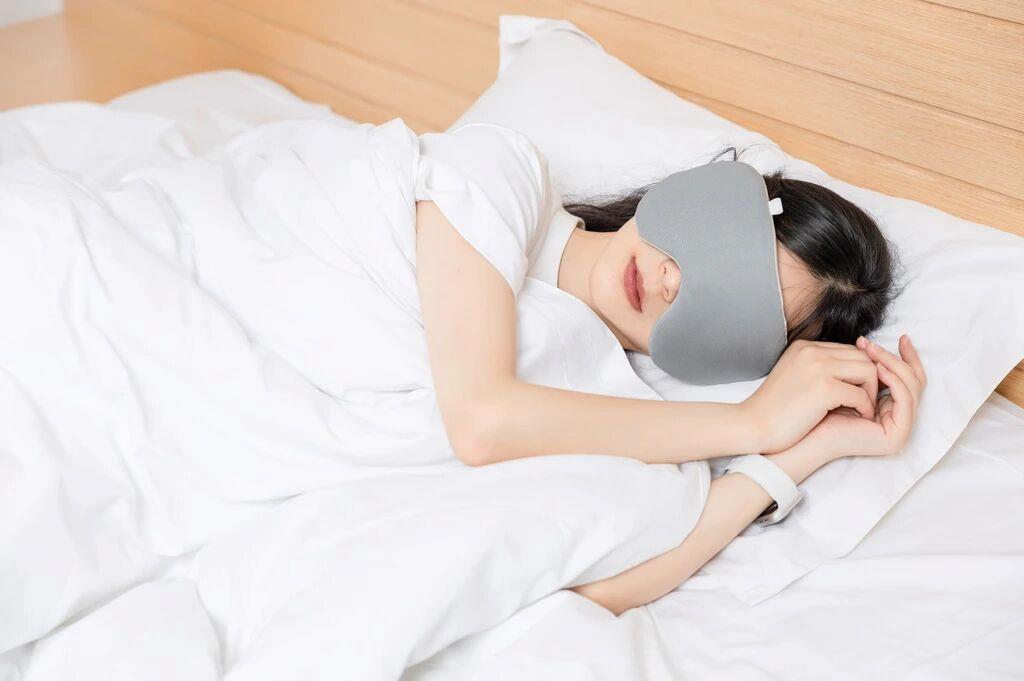
Core Viewpoint - The article emphasizes the importance of choosing the right pillow for quality sleep, highlighting a specific memory foam pillow that offers superior comfort and support compared to traditional options [6][11][49]. Group 1: Product Experience - The author describes a personal experience with a hotel pillow that provided exceptional comfort, leading to a desire to replicate that experience at home [3][4]. - The pillow features a slow-rebound memory foam that offers a unique zero-pressure sensation, providing a perfect balance of softness and support [20][62]. - The pillow's design accommodates various sleeping positions, ensuring proper neck and head alignment, which is crucial for preventing discomfort and potential neck issues [9][41][80]. Group 2: Product Features - The pillow is made from 100% polyurethane slow-rebound memory foam, originally developed by NASA for its pressure-relieving properties [58][61]. - It is available in three different heights (6cm, 8cm, and 10cm) to cater to individual preferences and body types, promoting better sleep posture [38][41]. - The outer layer is crafted from a skin-like fabric that is soft, breathable, and moisture-wicking, enhancing overall comfort during sleep [96][100]. Group 3: Market Positioning - The article notes that the pillow is priced significantly lower than similar products from branded competitors, retailing at 79 yuan, which is a fraction of the cost of hotel-branded pillows [43][111]. - The author encourages consumers to consider the value of quality sleep without the need to pay premium prices for branded products, suggesting that the same quality can be obtained at a lower cost [11][111].
夏天睡觉时一个细节,让你睡得更香
Huan Qiu Shi Bao· 2025-06-13 14:08
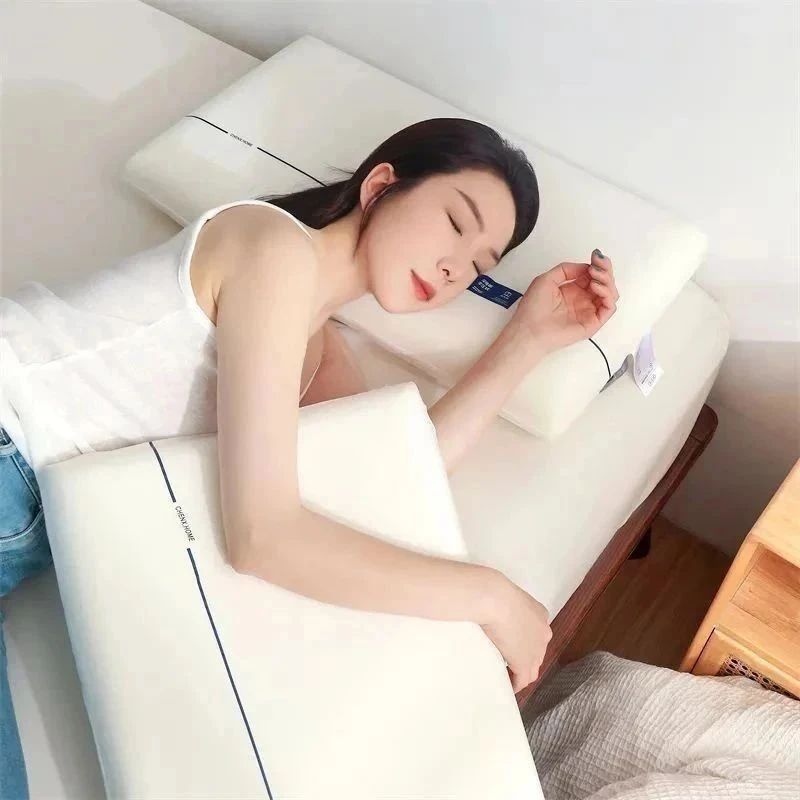
Core Viewpoint - The article emphasizes the importance of maintaining an appropriate room temperature to improve sleep quality, especially during hot weather. Lowering the room temperature can help individuals fall asleep more easily and enhance overall sleep quality [3][5]. Summary by Sections Relationship Between Room Temperature and Sleep - Body temperature fluctuates throughout the day, dropping during sleep and rising when awake. A significant temperature difference in the environment can disrupt this balance, negatively impacting sleep quality [3][4]. - A study from Maastricht University suggests that lowering room temperature to between 14°C and 15°C can improve glucose metabolism and reduce the risk of heart disease, while also promoting better sleep [3]. Recommended Room Temperature - Experts recommend a sleep environment temperature of 18°C to 22°C in China, while some studies suggest that 17°C is optimal for deep sleep [5]. - If individuals cannot adapt to lower temperatures, setting air conditioning to around 26°C at night can help facilitate sleep [5]. Tips for Sleeping in Hot Weather - Avoid large meals before bedtime, as they can raise body temperature [7]. - Stay hydrated during the day to maintain the body's cooling system [7]. - Wearing socks to bed can help regulate body temperature by promoting blood circulation [8]. - Elevating the legs with a small pillow can improve blood circulation and reduce heat accumulation [8]. - Taking a warm bath before bed can lower core body temperature and promote a feeling of coolness [8]. - Limit alcohol consumption before sleep, as it can disrupt the body's temperature regulation [9]. Standards for Good Sleep - Good sleep should meet six criteria: sufficient duration, regularity, quick onset, minimal awakenings, absence of snoring, and waking up refreshed [10][11][12][13]. Addressing Sleep Disorders - Individuals with conditions such as stroke, coronary heart disease, hypertension, and sleep apnea are more prone to sleep disturbances and should seek medical advice [14]. - Creating a comfortable sleep environment, including maintaining room temperature and using blackout curtains, is essential for quality sleep [15]. Dietary Adjustments - Avoiding heavy meals, alcohol, and high-fat or spicy foods before bed can help improve sleep quality. Consuming sleep-promoting foods like millet porridge, red dates, and milk is recommended [16]. Relaxation Techniques - Engaging in relaxation activities before bed, such as deep breathing exercises, can help prepare the body for sleep [17].
每天熬夜健身1小时,多久能收获一具健康的遗体?
Hu Xiu· 2025-05-28 06:53
Core Insights - The quality of post-exercise recovery directly impacts training effectiveness, with professional athletes requiring 8 to 10 hours of sleep to maintain optimal performance [1] - Night shift workers can benefit from late-night exercise, as it helps regulate their circadian rhythms through body temperature fluctuations [1] - Regular exercise improves overall sleep quality, even if performed late at night, although intense workouts may disrupt the autonomic nervous system balance, particularly affecting heart self-regulation during initial sleep stages [1] Group 1 - Professional athletes need 8 to 10 hours of sleep for optimal performance [1] - Night shift workers can adapt better to their schedules through late-night exercise [1] - Intense late-night workouts may disrupt heart regulation during early sleep [1] Group 2 - Regular exercise enhances sleep quality regardless of timing [1] - Late-night vigorous exercise does not significantly interfere with nighttime rest [1] - The balance of the autonomic nervous system may be affected by high-intensity workouts [1]