种源创新

Search documents
靶向施策打通食用菌全产业链发展关键堵点
Xin Lang Cai Jing· 2026-02-11 20:52
Core Viewpoint - The Chinese edible mushroom industry is experiencing rapid growth and is now the fifth largest planting industry in the country, following grains, oils, fruits, and vegetables. The industry faces challenges in various segments, including strain research, raw material supply, cultivation management, processing, and market circulation, necessitating targeted strategies to enhance the entire industry chain [1]. Group 1: Strain Innovation - There are approximately 300 known edible mushroom species in China, but only over 60 have been cultivated artificially. Local high-performance wild mushroom resources, which have distinct regional characteristics and adaptability, remain underutilized. It is essential to establish a gene bank for these resources and develop an intelligent strain selection platform using advanced biotechnologies [2][3]. Group 2: Raw Material Assurance - The edible mushroom industry heavily relies on wood chips as a cultivation substrate, particularly for species like shiitake and black fungus. With the tightening supply of wood chips, developing dedicated edible mushroom forests is crucial. This includes targeted cultivation of high-value wild mushroom forests and establishing a property rights system for these forests to ensure clear usage and profit rights for growers [4][5]. Group 3: Production Innovation - The current production model of the edible mushroom industry is fragmented, with less than 10% of production being factory-based. There is a need to promote standardized production among growers and accelerate the transition to industrialized production to overcome challenges related to scale and efficiency. This includes establishing standardized production bases and integrating advanced technologies to enhance production efficiency and product quality [6][7]. Group 4: Processing Breakthrough - The processing rate of edible mushrooms in China is only about 6%, with most processing remaining at a basic level. To upgrade the industry, there is a need to invest in key deep processing technologies and facilitate the transformation of research results into practical applications. This includes establishing deep processing research centers and enhancing collaboration between research institutions and leading enterprises [8][9]. Group 5: Distribution Upgrade - The distribution of edible mushroom products is currently dominated by traditional sales models, limiting market expansion. There is a need to optimize e-commerce channels and strengthen regional brand building. This includes encouraging the use of e-commerce platforms for sales, establishing cold chain logistics systems, and promoting the development of regional public brands to enhance market recognition and consumer trust [10][11].
清远“五大百亿”的产业底气:粤强种芯,种源革新
Nan Fang Nong Cun Bao· 2026-01-26 16:31
Core Viewpoint - Guangdong province is implementing the "Yueqiang Seed Core" project to enhance agricultural seed quality and innovation, with a focus on developing five major billion-level agricultural industries in Qingyuan [2][3][10]. Group 1: Agricultural Development Initiatives - The Guangdong Provincial Agricultural and Rural Affairs Department has collected and preserved 368,000 agricultural seed resources [4]. - Qingyuan has established itself as a model for seed industry revitalization, focusing on seed source innovation [5][12]. - The five major billion-level agricultural industries in Qingyuan include Qingyuan Chicken, Yingde Red Tea, Xiniu Maba Bamboo Shoots, Qingyuan Silky Rice, and Lianzhou Choy Sum [9][10]. Group 2: Seed Quality and Innovation - Seed quality is described as the "chip" of the agricultural industry, emphasizing the importance of good seed resources for industry stability [11]. - Qingyuan has built a comprehensive system for seed resource protection and innovation, covering resource protection, variety breeding, and result transformation [13]. - In the Qingyuan Chicken sector, there are currently 2 original seed farms, 5 grandparent chicken farms, and 9 parent chicken farms, with 8 being national or provincial-level breeding farms [14][15]. Group 3: Economic Impact and Projections - The Qingyuan Chicken industry is projected to produce 161 million chickens by 2025, with a total industry chain output value of 13.743 billion yuan [16]. - Yingde Red Tea, recognized as "World High Aroma Red Tea," has collected over 100 tea tree resources and successfully bred 2 varieties that are now part of Guangdong's main agricultural varieties [19][20]. - Qingyuan Silky Rice has developed 19 new varieties and established over 3,000 seed resource protection plots [25]. Group 4: Future Directions - The ongoing "Yueqiang Seed Core" project and "Billion-Million Project" aim to further strengthen seed resource protection and innovation, transforming seed advantages into industrial and developmental advantages [28][29].


坚持耕耘得硕果——云南坚果产业发展观察
Xin Hua She· 2026-01-20 03:30
Core Insights - The nut industry in Yunnan is thriving, with local products like Australian macadamia nuts and walnuts gaining popularity both domestically and internationally [1][2] - The cultivation of Australian macadamia nuts has expanded significantly, with over 2.62 million acres planted by 2025, making Yunnan a global production hub [2][3] - The walnut industry in Yunnan has also seen substantial growth, with over 43 million acres planted, benefiting more than 20 million rural residents [3][4] Group 1: Industry Growth and Economic Impact - The macadamia nut industry in Yunnan is projected to generate a total output value of 11.3 billion yuan by 2025, reflecting a year-on-year growth of 12.5% [3][10] - The walnut industry is expected to reach an output value of 65 billion yuan by 2025, with a growth rate of 6.7% [3][10] - The establishment of 223 macadamia nut cooperatives in Lincang City has contributed to an average income of over 11,000 yuan per household from nut cultivation [2][3] Group 2: Challenges and Innovations - Initial challenges in growing Australian macadamia nuts included low fruiting rates and adaptation issues, which were overcome through persistent efforts and technological support [4][5][6] - The walnut industry faced a downturn with low prices, prompting some farmers to cut down their trees; however, the focus has shifted to international markets to enhance competitiveness [6][7] - The development of organic walnut bases and obtaining EU organic certification has improved the marketability of Yunnan walnuts [7][10] Group 3: Technological Advancements and Research - Research institutions in Yunnan are actively developing new macadamia and walnut varieties with independent intellectual property rights to enhance disease resistance and yield [8][9] - The establishment of modern processing industrial parks aims to centralize production and reduce logistics costs, thereby improving export capabilities [10] - The formation of a nut industry alliance is promoting brand recognition and reducing competition among small and medium enterprises, enhancing overall market presence [10]
跨越五千里,“汾酒第一车间”一粒种子的产业价值革命样本
Mei Ri Jing Ji Xin Wen· 2025-08-08 04:48
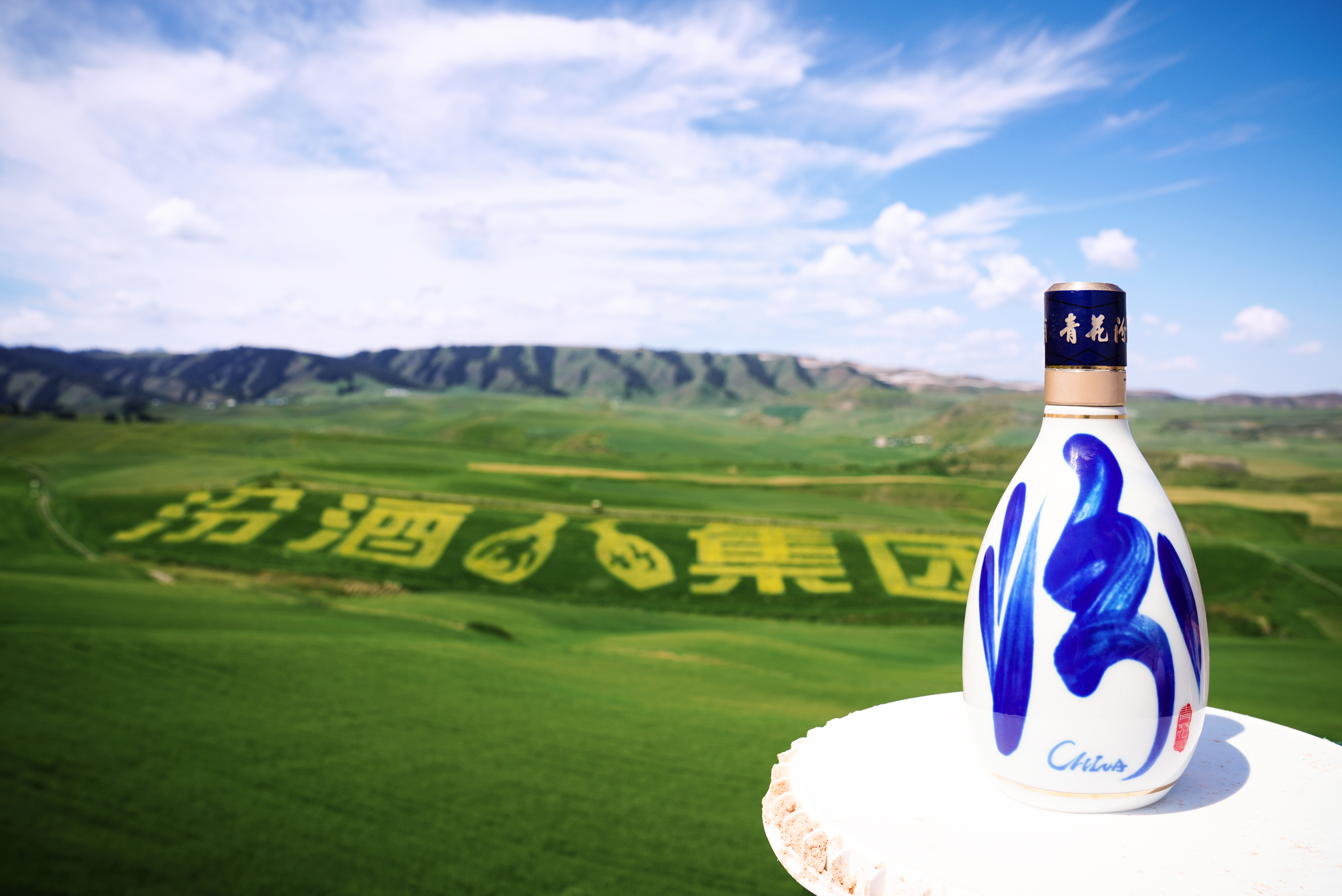
Core Insights - The article highlights the innovative approach of Fenjiu in the barley industry, focusing on the cultivation of a specialized barley variety named "Fenjiu Barley No. 1" to enhance the quality of Chinese liquor production [1][3][7] - The company emphasizes the importance of controlling the entire supply chain, from seed cultivation to production, to ensure high-quality raw materials for liquor manufacturing [1][4][6] Group 1: Agricultural Innovation - "Fenjiu Barley No. 1" is a custom barley variety developed specifically for liquor production, showcasing high yield and strong resistance to adverse weather conditions [3][6] - The cultivation of this barley in Qitai County, known for its favorable agricultural conditions, represents a strategic move to secure quality raw materials for Fenjiu [2][4] Group 2: Supply Chain Management - Fenjiu has established over 1.4 million acres of raw material bases across China, ensuring a stable supply of high-quality grains for its production needs [4][6] - The company employs a "land registration + five unifications" management model for its raw material bases, enhancing the efficiency and quality of its agricultural practices [4][7] Group 3: Economic Impact - The initiative not only supports Fenjiu's production but also contributes to the local economy by providing farmers with stable income through guaranteed purchase agreements [6][7] - The collaboration between Fenjiu and local farmers is seen as a model for rural revitalization and agricultural innovation, fostering a mutually beneficial relationship [6][7]

汾酒第一车间“开进”新疆奇台,种源创新酿造一杯好酒
Bei Ke Cai Jing· 2025-08-07 09:00
Core Viewpoint - The establishment of the "Fenjiu Barley No. 1" seed base in Xinjiang Qitai County represents a strategic move by Fenjiu to enhance its raw material supply chain and ensure high-quality production of its liquor products [3][11]. Group 1: Strategic Development - The green raw material base is crucial for Fenjiu's high-quality development, ensuring the safety of production materials [2][3]. - Xinjiang Qitai County, known as the "Barley Town," is strategically chosen for its favorable climate and historical significance in barley cultivation, with 2.2 million acres of arable land [6][7]. - Since 2009, Fenjiu has integrated raw material bases into its development strategy, establishing over 1.4 million acres of bases suitable for various crops [7][10]. Group 2: Product Quality and Innovation - "Fenjiu Barley No. 1" is a specially cultivated barley variety that meets the specific needs of high-quality liquor production, demonstrating strong resistance and high yield [11][14]. - The barley's cultivation in Qitai County has shown promising results, with good sensory quality and satisfactory yield despite adverse weather conditions [12][16]. - The collaboration between Fenjiu and agricultural research institutions aims to enhance barley quality and support the entire industry chain, promoting innovation in seed breeding [10][14]. Group 3: Economic Impact and Community Engagement - The order-based production model initiated by Fenjiu provides farmers with stable price expectations, encouraging them to cultivate barley [15][16]. - Local farmers express optimism about the economic benefits of growing "Fenjiu Barley No. 1," highlighting the importance of stable pricing and quality seeds [16]. - The establishment of the raw material base in Xinjiang enhances Fenjiu's commitment to providing consumers with high-quality and safe liquor products [16].