
科创板并购重组

Search documents
“科八条”发布以来 科创板半导体公司合计新增49单并购重组
Ge Long Hui· 2026-01-05 05:25
Core Viewpoint - The Shanghai Stock Exchange's Sci-Tech Innovation Board (STAR Market) is witnessing a significant increase in mergers and acquisitions (M&A) among semiconductor companies, leveraging innovative regulatory advantages since the introduction of the "Eight Measures" policy [1] Group 1: Mergers and Acquisitions Activity - A total of 49 M&A transactions have been initiated by semiconductor companies on the STAR Market, with 25 completed and 14 currently in process [1] - There are 23 major asset restructuring cases reported among these companies [1] - Additional M&A transactions are actively being pursued, with companies like Zhongwei already disclosing plans and resuming trading [1]


三连发!中芯国际、中微公司、华虹公司接连披露重大资产重组新进展
Zheng Quan Ri Bao Wang· 2026-01-05 01:01
Core Viewpoint - The semiconductor industry is witnessing significant merger and acquisition activities, driven by policy support and the need for industry consolidation, with major players actively pursuing strategic acquisitions to enhance their competitive edge [1][9]. Group 1: Mergers and Acquisitions Overview - On January 1, 2026, Huahong Semiconductor announced a plan to acquire 97.5% of Shanghai Huali Microelectronics, while Zhongwei Semiconductor revealed a proposal to acquire 64.69% of Hangzhou Zhonggui Electronics [1]. - Since the introduction of the "Star Market Eight Articles" policy, nearly 170 equity acquisition transactions have been disclosed, with over 100 occurring in 2025 alone, indicating a significant boost in M&A activities [1]. - The semiconductor, biomedicine, and software sectors are leading in transaction volume, reflecting a trend towards industry consolidation [1]. Group 2: Different Acquisition Strategies - SMIC's acquisition of a minority stake in its subsidiary is aimed at stabilizing operations and creating a virtuous cycle of investment and financing [2][3]. - Huahong's acquisition of Huali Microelectronics fulfills a commitment made during its IPO to resolve competition issues and enhance production capacity [5][6]. - Zhongwei's acquisition strategy focuses on external mergers to build platform capabilities, transitioning from a single equipment supplier to a comprehensive solution provider [7]. Group 3: Market Dynamics and Trends - The semiconductor sector is characterized by high capital requirements, necessitating external capital for capacity building and technological upgrades, which is often followed by minority stake acquisitions once projects stabilize [3][4]. - The trend of introducing strategic investors during the initial phases of project development allows companies to maintain control while providing exit opportunities for investors [4]. - The overall M&A market in the Star Market has shown robust activity, with over 70% of transactions successfully completed in 2025, highlighting the effectiveness of supportive policies [9].
科创板半导体三大龙头重大资产重组迎实质进展 三类整合策略“各美其美”
Zhong Guo Jing Ying Bao· 2026-01-04 14:56
Group 1 - On January 1, 2026, significant progress was made in mergers and acquisitions among leading semiconductor companies, with Huahong Company announcing a share issuance to acquire 97.5% of Huali Micro's equity, and Zhongwei Company revealing plans to acquire 64.69% of Hangzhou Zhonggui's equity through share issuance and cash payment [2][3] - The transactions reflect three distinct merger integration strategies: SMIC's acquisition of minority stakes in its subsidiary to enhance capital and operational stability, Huahong's acquisition of quality assets from its controlling shareholder to resolve competition and expand capacity, and Zhongwei's external acquisition to build platform capabilities [3][4] - The transactions also demonstrate confidence in the A-share market, as both SMIC and Huahong opted for full issuance of A-shares, and the lock-up period for some industry funds was voluntarily extended to 12 months, indicating optimism about the long-term prospects of the companies involved [3][4] Group 2 - SMIC's acquisition of a 49% stake in its subsidiary, SMIC North, was valued at 40.601 billion yuan, marking the largest share issuance for asset acquisition in the Sci-Tech Innovation Board's history [4][5] - SMIC North, a highly profitable entity within SMIC, reported a revenue of 12.979 billion yuan in 2024, a year-on-year increase of 12.12%, and a net profit of 1.682 billion yuan, a significant rise of 187.52% [4][5] - The acquisition is expected to enhance the asset quality of the listed company and strengthen business synergies, providing robust support for long-term development [4][5] Group 3 - Huahong's acquisition of Huali Micro aims to resolve competition issues and deepen industrial integration, with the transaction valued at 8.2679 billion yuan and additional fundraising of up to 7.556 billion yuan for project construction and working capital [6][7] - Huahong's revenue for 2024 is projected at 4.988 billion yuan, with a net profit of 522 million yuan, indicating stable operational performance [7] - The acquisition will significantly enhance Huahong's capacity in the 12-inch wafer foundry sector and achieve complementary advantages in process platforms [6][7] Group 4 - Zhongwei's acquisition of 64.69% of Hangzhou Zhonggui aims to integrate capabilities across core processes, transitioning from a single dry equipment supplier to a comprehensive solution provider [9][10] - This acquisition is part of a broader trend in the Sci-Tech Innovation Board where horizontal mergers are becoming mainstream, particularly in semiconductor equipment and materials [9][10] - The trend reflects a strategic move to overcome technical barriers and accelerate platform transformation through horizontal mergers [10] Group 5 - In 2025, the Sci-Tech Innovation Board saw over 100 new merger transactions, with 37 major asset restructurings, indicating a vibrant M&A market focused on strategic emerging industries [11] - The overall completion rate for equity transactions on the Sci-Tech Innovation Board is close to 70%, showcasing the effectiveness of policies promoting mergers and acquisitions [11] - The semiconductor, biomedicine, and software sectors led in transaction volume, highlighting the capital market's role as a primary channel for mergers and acquisitions [11]

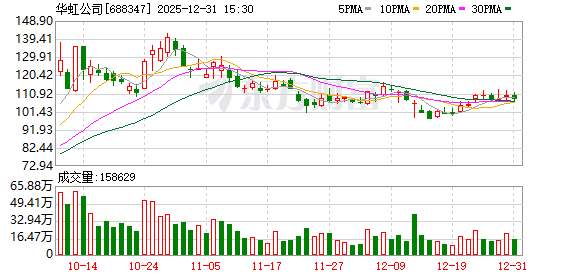
科创板并购重组凸显制度创新性包容性
Jin Rong Shi Bao· 2025-12-18 01:04
Group 1 - The core point of the news is that Gaon Electronics, known as the "first stock of China's EDA," is advancing its acquisition of two semiconductor IP companies, which will establish a dual-engine development model of "EDA tools + semiconductor IP" [1] - The acquisition process of Gaon Electronics reflects the wave of industrial integration among "hard technology" enterprises on the Sci-Tech Innovation Board, driven by multiple favorable factors such as institutional innovation and regulatory optimization [1] - Since the release of the "Eight Measures for Deepening the Reform of the Sci-Tech Innovation Board," there have been 156 disclosed merger and acquisition transactions, with significant increases in both share/convertible bond transactions and cash transactions compared to the previous year [2] Group 2 - In 2024, the number of disclosed merger and acquisition transactions has reached 95, surpassing the total for the previous years, indicating a rapid growth trend in the M&A market [2] - Nearly 110 merger and acquisition transactions have been successfully completed since the implementation of the "Eight Measures," with an overall completion rate of 70% [2] - Several innovative "first transactions" have emerged this year, showcasing the adaptability of the capital market, including the first registered share issuance for a loss-making acquisition and a multi-payment case using shares, convertible bonds, and cash [3] Group 3 - Market innovations in non-major transactions include the use of an "Earn-out" mechanism by Shengxiang Biology, allowing for dynamic price adjustments based on performance, and cash acquisitions with refinancing strategies by Lingyun Optics [3][4] - The flexibility and diversity of market-oriented M&A arrangements are further illustrated by various companies employing different financing methods, such as acquisition loans and interest-binding arrangements in cash purchases [4]
“科八条”以来科创板并购重组方兴未艾,超七成交易已顺利完成
Xin Lang Cai Jing· 2025-12-16 11:36
Core Viewpoint - The restructuring report draft of Gekun Electronics (688206.SH), known as the "first EDA stock in China," has been updated, with a shareholder meeting scheduled for December 22 to review the acquisition of two IP companies, which will establish a dual-engine development model of "EDA tools + semiconductor IP" [1] Group 1: Mergers and Acquisitions Activity - Since the implementation of the "K8 Regulations" in June 2024, the STAR Market has disclosed a total of 156 merger and acquisition transactions, with 40 involving share issuance or convertible bonds and 9 major cash transactions [1] - In 2025, the market has seen a continued increase in activity, with 95 new disclosed M&A transactions, including 29 share issuance or convertible bond transactions and 7 major cash transactions, both significantly higher than the same period last year [1] - The number of major asset restructuring transactions in 2024 has reached 17, matching the total from 2019 to 2023, while 36 transactions have been published in 2025, surpassing the total for 2019 to 2024 [2] Group 2: Successful M&A Cases - Since the implementation of the "K8 Regulations," nearly 110 M&A transactions have been successfully completed, with an overall completion rate of 70%, and over 20 transactions are actively progressing [3] - Notable M&A transactions include the acquisition of ChipLink Integrated (688469.SH) by ChipLink Yuezhou, which was the first registered share issuance "loss-making" transaction post "K8 Regulations," and the acquisition by Huahai Chengke (688535.SH) using a combination of shares, convertible bonds, and cash [3] - The acquisition of Pengli Biological by Aopumai (688293.SH) is recognized as the first case in the market to implement installment payments for share consideration and the first to achieve "reverse linkage" with private equity funds [3] Group 3: Market Innovations in M&A - Non-major transactions have also seen market innovations, such as Shengxiang Biology (688289.SH) using an "Earn-out" mechanism for price adjustments based on performance, showcasing flexible valuation mechanisms [4] - Lingyun Optical (688400.SH) acquired Danish JAI Industrial Camera assets with cash and initiated refinancing to alleviate financial pressure, while Meai Technology (688376.SH) utilized a combination of "cash privatization + subsidiary share exchange" to achieve dual goals of integration and stable operations [4] - Other companies like Jiewate (688141.SH) and Fuchuang Precision (688409.SH) have advanced acquisitions through joint funds, demonstrating the flexibility and diversity of market-oriented M&A arrangements [4] Group 4: Challenges in M&A Transactions - Recent terminations of restructuring transactions, particularly in the semiconductor industry, have raised market concerns, primarily involving small and medium-sized private listed companies [5] - The core issues leading to transaction terminations often stem from disagreements on key terms such as transaction schemes, prices, and performance commitments [5] - The complexity of shareholder structures and diverse interests in the semiconductor sector have increased negotiation difficulties, while market fluctuations have made companies more cautious in pursuing acquisitions [7] Group 5: Investor Protection Measures - To protect investor interests, regulations have been established to enhance information disclosure, strengthen investor communication, and clarify "cooling-off periods" for restructurings [8] - Companies that terminate restructurings are required to disclose reasons and potential impacts, and they often hold investor meetings to address market concerns, which has led to an average stock price drop of about 4% following termination announcements [8] - The "M&A Six Regulations" aim to strictly regulate fraudulent restructurings and protect the rights of small investors, with the China Securities Regulatory Commission emphasizing the need for compliance in M&A activities [9]

“科八条”发布以来 科创板已顺利完成并购交易110单
Xin Hua Cai Jing· 2025-12-16 09:02
Group 1 - The core viewpoint of the article highlights the unprecedented vitality and activity in the M&A market of the Sci-Tech Innovation Board, driven by institutional innovation, regulatory optimization, and service system upgrades [1] - Since the release of the "Eight Measures," a total of 156 M&A transactions have been disclosed by listed companies on the Sci-Tech Innovation Board, with nearly 110 transactions successfully completed, indicating a completion rate of about 70% [1] - In 2025, the market has seen a significant increase in M&A activity, with 95 new transactions disclosed, including 29 share/convertible bond transactions and 7 major cash transactions, both showing substantial growth compared to the same period last year [1] Group 2 - Notable highlights in major asset restructuring transactions include the first registered share-based "loss-making" acquisition post-"Eight Measures" and the first comprehensive payment case utilizing shares, convertible bonds, and cash [2] - Market innovations in non-major transactions are exemplified by the use of an "Earn-out" price adjustment mechanism in a transaction by Shengxiang Biology, showcasing flexible valuation mechanisms [2] - Various companies have demonstrated the flexibility and diversity of market-oriented M&A arrangements, such as the acquisition strategies employed by Jiewate and Fuchuang Precision, which utilize acquisition loans and binding arrangements for shareholding [3]
科创板七成并购已完成,近期频现重组终止是何原因?
Di Yi Cai Jing· 2025-12-16 06:44
Core Viewpoint - Recent termination of merger and acquisition (M&A) deals, particularly in the semiconductor industry, has raised market concerns, primarily due to the inability of parties to reach consensus on key terms [1][5]. Group 1: M&A Activity Overview - Since the release of the "Kebatiaos" in June 2024, a total of 156 new M&A transactions have been disclosed by companies listed on the Sci-Tech Innovation Board, with 95 of these disclosed in 2025 alone [3]. - Approximately 110 out of the 156 disclosed M&A transactions have been successfully completed, resulting in an overall completion rate of 70%, with over 20 transactions still in progress [3]. - The number of disclosed M&A transactions in 2024 has matched the total from 2019 to 2023, while 36 transactions have been disclosed in 2025, surpassing the total for 2024 and the combined total from 2019 to 2024 [3]. Group 2: Reasons for Termination of M&A Deals - The recent increase in terminated M&A deals in the semiconductor sector can be attributed to two main factors: high activity levels leading to a larger base of disclosed cases, and the rapid development of the domestic semiconductor industry, which complicates negotiations due to diverse stakeholder interests [2][6]. - Terminated transactions predominantly involve small to medium-sized private listed companies, focusing on significant share issuance or cash transactions, with the core issue being the failure to agree on key terms such as transaction price and performance commitments [6]. Group 3: Market Reactions and Regulatory Environment - Following the termination of M&A deals, the average stock price of related companies on the Sci-Tech Innovation Board has dropped by approximately 4%, indicating a stable market response without significant irrational fluctuations [7]. - Regulatory bodies have maintained a "zero tolerance" stance towards illegal activities in M&A, with strict measures against fraudulent practices, ensuring the protection of small investors' rights [7][8].
科创板半导体部分重组交易终止,行业人士透露三方面原因
证券时报· 2025-12-16 04:46
Core Viewpoint - The recent termination of several restructuring transactions in the semiconductor industry has drawn market attention, highlighting the challenges and dynamics within the sector [1][8]. Group 1: M&A Activity and Trends - The semiconductor industry has seen a significant number of terminated mergers and acquisitions (M&A), attributed to a large base of disclosed cases and high negotiation difficulties [2][10]. - Since the implementation of the "K8 Policy" in June 2024, over 70% of disclosed M&A transactions have been successfully completed, with 156 new transactions reported, including 40 involving stock or convertible bonds and 9 major cash transactions [2][4]. - In 2025, the market has continued to heat up, with 95 new M&A transactions disclosed, showing a significant increase compared to the previous year [2]. Group 2: Notable M&A Cases - The acquisition of two IP companies by Gaolun Electronics marks a significant step in establishing a dual-engine development model for EDA tools and semiconductor IP, reflecting the ongoing trend of industrial integration among "hard tech" companies [4]. - Several innovative M&A cases have emerged, such as the first registered share issuance for a loss-making acquisition and a multi-payment case combining shares, convertible bonds, and cash [5][6]. Group 3: Market Dynamics and Challenges - The majority of terminated transactions involve small and medium-sized private companies, primarily focusing on significant stock or cash transactions, with key issues often arising from disagreements on core terms [8][9]. - The complexity of shareholder structures and diverse interests among stakeholders in the semiconductor sector contribute to increased negotiation difficulties, especially in a rapidly evolving market environment [10]. Group 4: Regulatory Environment and Investor Protection - To protect investor interests, regulations have been established to enhance information disclosure and communication during restructuring terminations, with companies required to announce reasons for terminations and hold investor meetings [12][13]. - The average stock price drop for companies after a restructuring termination is around 4%, indicating a relatively stable market response to these events [12].

科创板并购重组方兴未艾 “科八条”以来超七成交易顺利完成
Zheng Quan Shi Bao Wang· 2025-12-16 04:06
Group 1 - The core viewpoint of the news is that the restructuring report draft of Gaolun Electronics, the first EDA company listed on the STAR Market in China, has made significant progress with the upcoming shareholder meeting on December 22 to review the acquisition of two IP companies, which will establish a dual-engine development model of "EDA tools + semiconductor IP" [1] - The merger and acquisition process of Gaolun Electronics reflects the wave of industrial integration among "hard tech" companies on the STAR Market, driven by multiple favorable factors such as institutional innovation, regulatory optimization, and service system upgrades [1] - Since the release of the "Eight Articles" in June 2024, the STAR Market has disclosed a total of 156 merger and acquisition transactions, with 40 involving share or convertible bond transactions and 9 major cash transactions [1] Group 2 - In terms of major asset restructuring, the STAR Market has published 17 transactions in 2024, matching the total from 2019 to 2023, and 36 transactions have been published since 2025, significantly exceeding the total for 2024 [2] - Since the implementation of the "Eight Articles," nearly 110 merger transactions have been successfully completed, with an overall completion rate of 70%, indicating a robust market response [3] - Notable transactions include the acquisition of Xilinx Integrated by Xilinx Yuanzhou, which became the first registered share-based "loss-making acquisition" transaction post "Eight Articles," and the acquisition by Huahai Chengke of Hengsuo Huawai, which utilized a diverse payment structure [3] Group 3 - Non-major transactions have also seen market innovations, such as Shengxiang Bio's acquisition of Zhongshan Haiji using an "Earn-out" mechanism for price adjustment based on performance, showcasing flexible valuation mechanisms [4] - Companies like Jiahua Technology and Fuchuang Precision have utilized merger funds for acquisitions, while others like Aotewei and Kingsoft have implemented arrangements to bind the interests of transaction parties to the shares of listed companies [4] - The market has demonstrated flexibility and diversity in merger arrangements, reflecting the evolving landscape of market-driven acquisitions [4] Group 4 - The recent termination of some restructuring transactions, particularly in the semiconductor industry, has drawn attention, with many terminations involving small and medium-sized private listed companies [5] - The core issues leading to transaction terminations often revolve around disagreements on key terms such as transaction schemes and performance commitments [5] - The rapid development of the domestic semiconductor industry and the complexity of shareholder structures have increased negotiation difficulties for listed companies [7] Group 5 - To protect investor interests, regulations have been established to enhance information disclosure and communication regarding terminated restructurings, with companies required to announce reasons for terminations and hold investor meetings [8] - Following the termination of restructurings, related companies on the STAR Market experienced an average stock price decline of about 4%, but overall market performance remained stable [8] - The "Six Articles" emphasize strict regulation against fraudulent restructuring practices, with the China Securities Regulatory Commission taking a firm stance against insider trading and financial fraud [9]
政策、资本、产业三重发力,科创板并购重组案例涌现
Sou Hu Cai Jing· 2025-09-10 22:30
Group 1 - The core viewpoint of the article highlights the recent surge in mergers and acquisitions (M&A) activity among companies listed on the STAR Market, driven by ongoing policy incentives and increased market vitality [1] - As of September 9, 2023, there have been 73 newly disclosed M&A transactions on the STAR Market since 2025, including 24 transactions involving the issuance of shares or convertible bonds and 7 significant cash transactions [1] - This trend is seen as a catalyst for listed companies to accelerate their journey towards high-quality development [1]
