
科学育儿

Search documents
27期“‘如何当好家长’大家谈”微电影合集上线,寒假跟娃一起看
Xin Lang Cai Jing· 2026-02-15 03:16
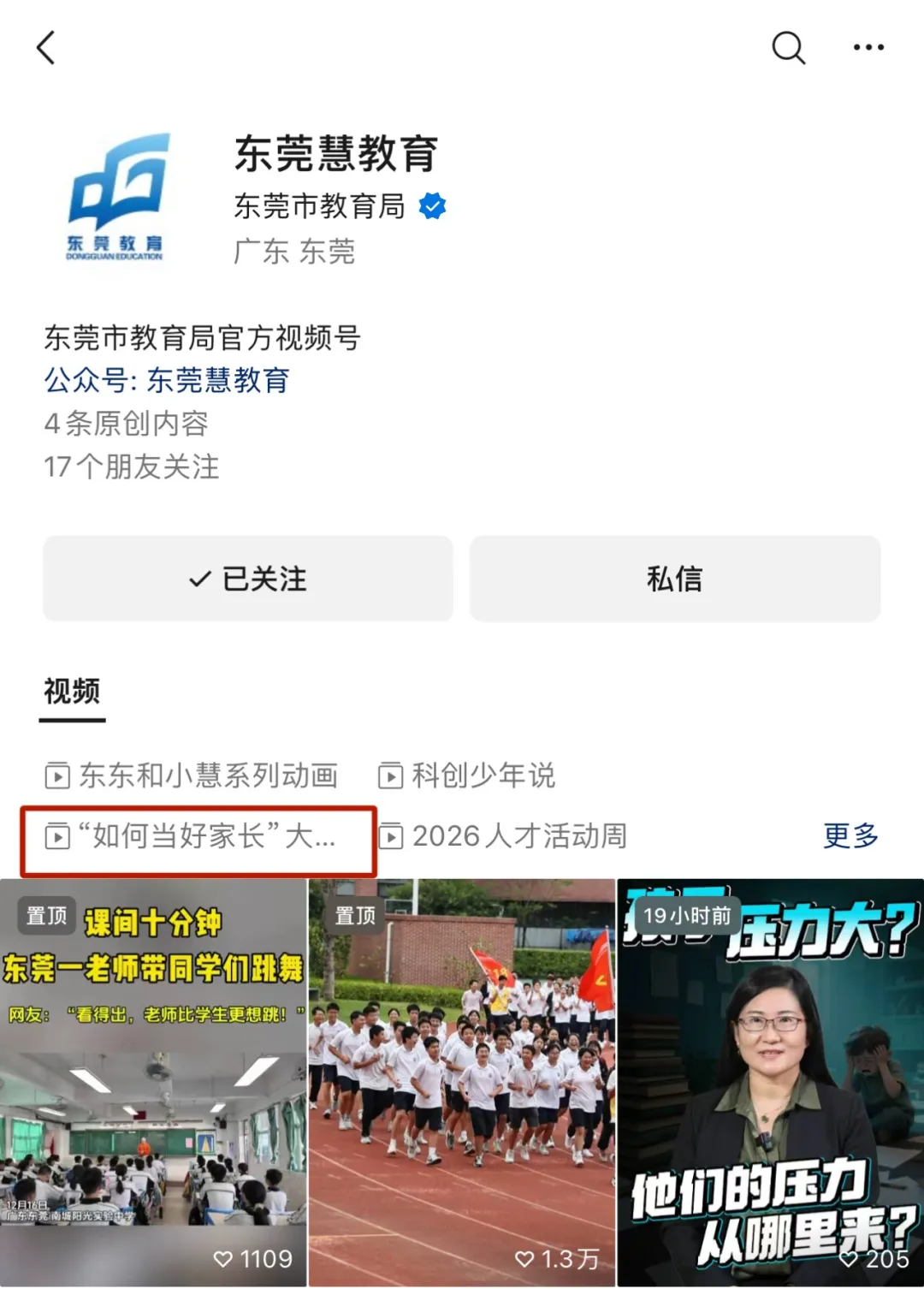
Core Viewpoint - The article discusses the launch of a microfilm series titled "How to Be a Good Parent," aimed at providing practical parenting guidance to help parents navigate common challenges in child-rearing [1][2]. Group 1: Microfilm Series Overview - The microfilm series consists of 27 episodes that have garnered a total of 53.48 million views, showcasing its popularity among parents [1]. - The series employs a unique format combining situational reenactments, professional guidance, and practical solutions, making parenting concepts more relatable and easier to apply [1]. Group 2: Structure of the Microfilms - The first segment features real-life scenarios adapted from actual family education cases, performed by professional actors to depict various parent-child interactions, such as conflicts over smartphone use and teenage rebellion [1][2]. - The second segment involves expert analysis where professional educators dissect the issues presented in the scenarios, helping parents identify and reflect on their own parenting challenges [2]. - The final segment offers practical solutions, integrating scientific parenting methods into everyday situations, thereby equipping parents with effective communication strategies to improve relationships with their children [2]. Group 3: Timing and Accessibility - The winter vacation is highlighted as an optimal time for parents to engage with their children and learn scientific parenting methods through these microfilms [2]. - The microfilms are accessible via the "Dongguan Smart Education" video account, making it convenient for parents to view and learn [2].

10个月婴儿被母亲扎数百针科学育儿与未成年人保护亟待补位
Xin Lang Cai Jing· 2026-01-23 00:20
Core Viewpoint - The tragic case of a 10-month-old baby in Yunnan, who suffered severe harm due to the mother's reliance on folk remedies instead of seeking proper medical treatment, highlights the dangers of misinformation in child-rearing practices and the urgent need for better education and support for parents [1][2]. Group 1: Issues in Parenting and Childcare - The mother, identified as Dao, exhibited emotional anxiety and lacked scientific knowledge about child-rearing, leading her to trust unverified folk remedies when her child showed symptoms of illness [1]. - There is a prevalent market for folk remedies in some regions, which lack scientific backing and pose significant risks to health, as evidenced by the tragic outcome in this case [1]. - Many parents face parenting anxiety due to conflicting traditional advice and modern scientific principles, compounded by insufficient resources for professional guidance [2]. Group 2: Gaps in Child Protection - The prolonged suffering of the child went unnoticed, revealing weaknesses in the child protection network, including community oversight and regulatory shortcomings [3]. - Traditional views often treat family issues as private matters, leading to a lack of intervention from neighbors and local organizations, which undermines the effectiveness of child protection laws [3]. - The need for a comprehensive approach to child protection is emphasized, focusing on monitoring, early warning systems, and community involvement to prevent such tragedies [3]. Group 3: Recommendations for Improvement - There is a call for enhanced scientific education to dispel myths surrounding folk remedies and promote evidence-based parenting practices [4]. - Establishing a robust mental health support system for parents is crucial to reduce anxiety and provide accessible professional guidance [4]. - Strengthening legal frameworks and community reporting mechanisms is necessary to ensure strict enforcement against child abuse and to foster a culture of vigilance and responsibility in child protection [4].
马斯克的跨界秘诀:“卓越型脑能结构”,普通孩子也能拥有
Sou Hu Cai Jing· 2026-01-13 07:32
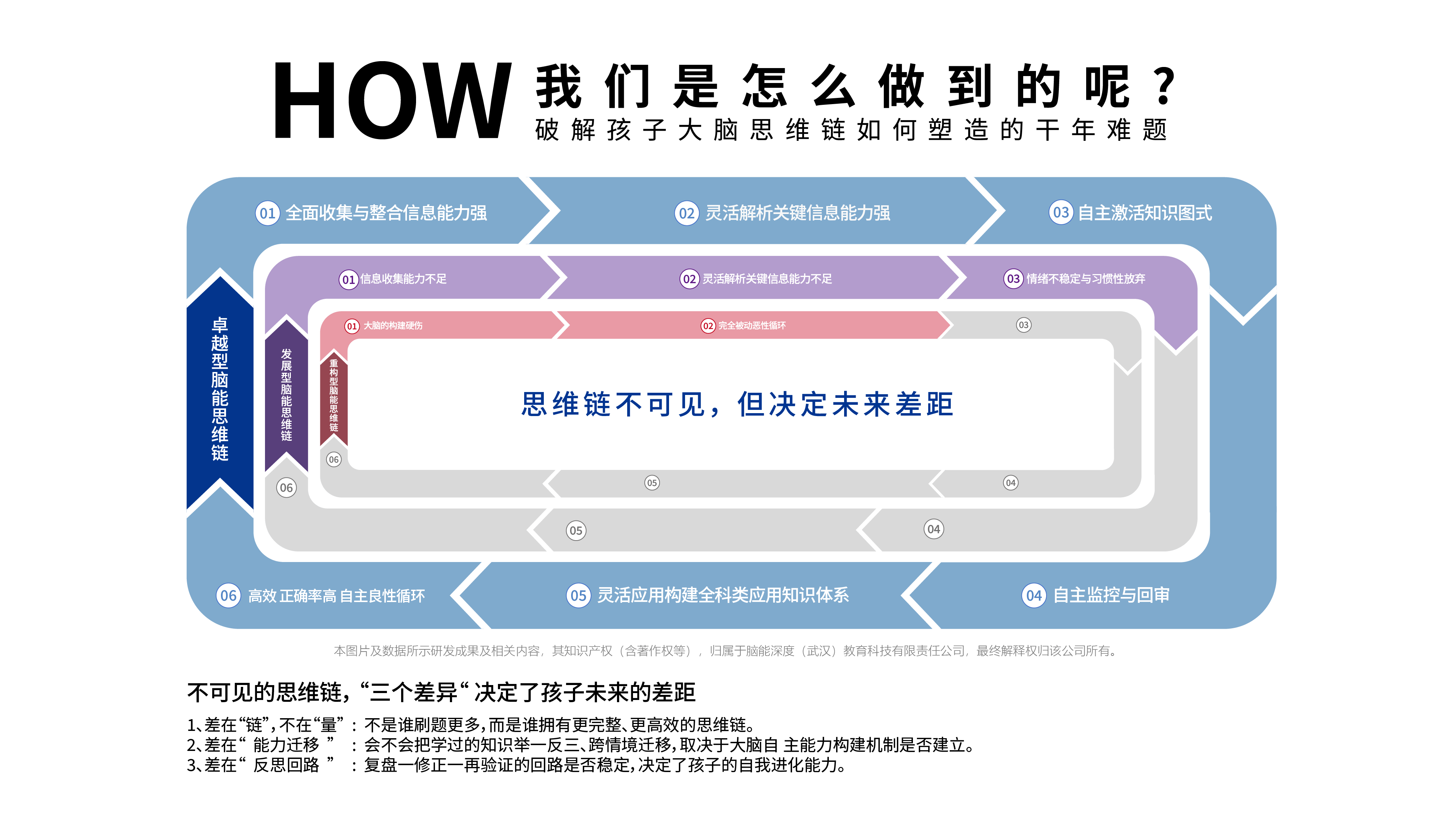
Core Insights - The article emphasizes the importance of developing children's core competencies for the future, particularly in the context of rapid advancements in AI technology and the breaking of industry boundaries [1] - It highlights that many children struggle with focus, emotional regulation, and inconsistent academic performance, which stems from their brain energy structure not reaching an "excellence" state [2] Education Pain Points - Many parents are confused about their children's procrastination, distraction, and emotional outbursts, attributing these issues to a lack of effort rather than an incomplete brain energy structure [2] - The NeuroPro brain energy model indicates that ordinary children often experience disruptions in their brain energy chain, leading to difficulties in self-initiation, task progression, sustained attention, emotional control, and knowledge application [2] Six Chains of Excellence - The article outlines that an "excellence" brain energy structure is characterized by six key chains that operate in a closed loop, which is essential for rapid understanding and breakthroughs in various fields [4] - Only 2% of children in Chinese families are reported to achieve this "excellence" brain energy state [4] NeuroPro's Approach - NeuroPro aims to make the rare "excellence" brain energy structure replicable through four core systems, enabling parents to foster this structure in their children [8] - The model includes a personalized growth path based on the child's current brain energy state, with 43 quantifiable ability indicators across various dimensions [11] Future Trends - In the AI era, the article posits that core competencies such as cross-domain transfer, structural modeling, emotional regulation, and deep reflection will be crucial, all of which stem from an excellence brain energy structure [13] - The article aligns with national educational policies that emphasize the need for scientific education and the enhancement of students' core thinking abilities [13]
“心”小屋+新课堂呵护青少年成长
Xin Lang Cai Jing· 2026-01-11 00:40
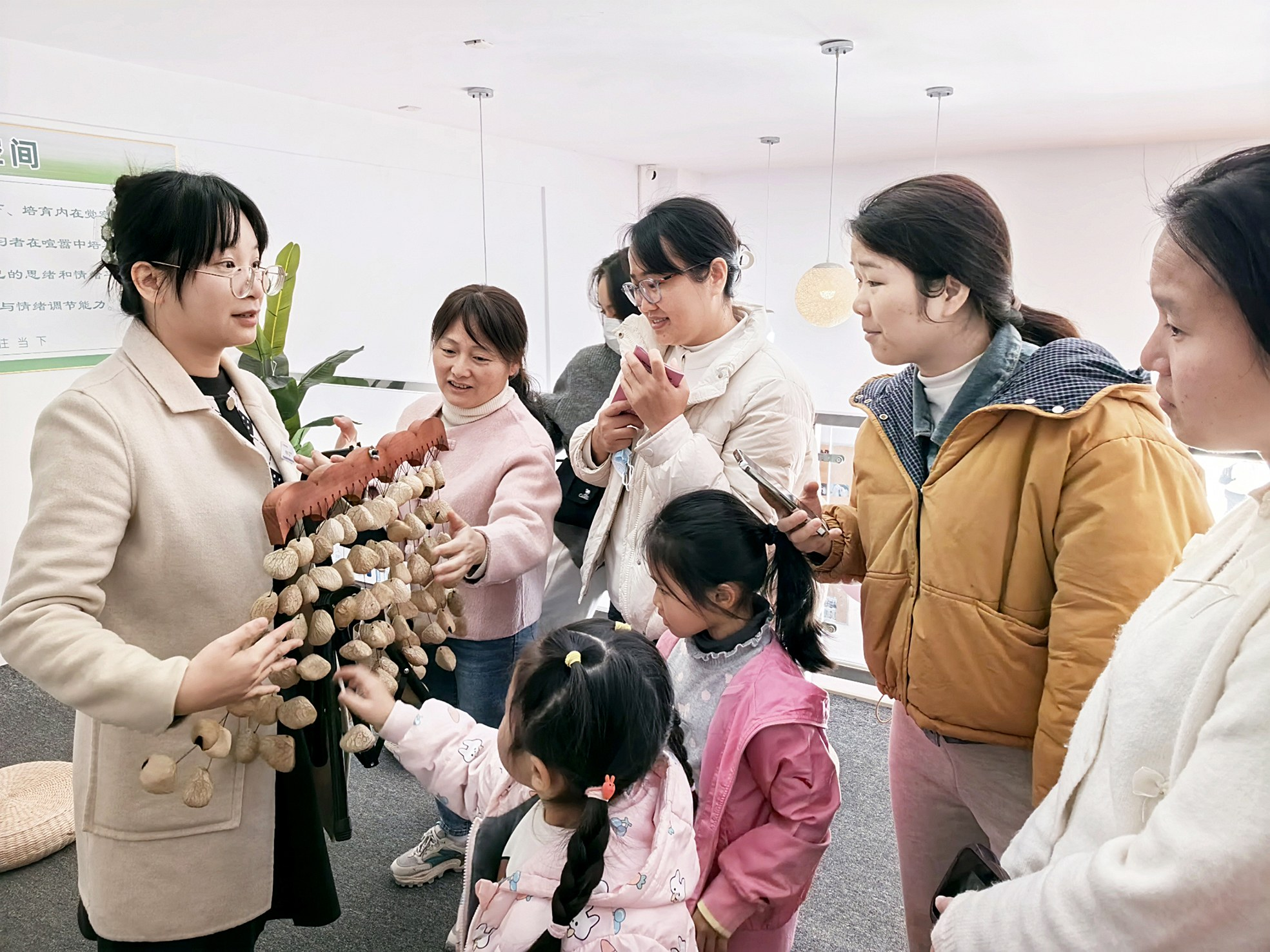
Core Viewpoint - The establishment of "Sunshine·Heart Language Cabin" aims to provide a supportive environment for youth mental health and family growth, integrating psychological care with practical parenting education [4][5]. Group 1: Facility Overview - "Sunshine·Heart Language Cabin" is located in Nanning Youth Activity Center and features seven specialized areas, including meditation, parent-child interaction, and professional consultation [4]. - The facility serves as a safe and private "spiritual station" for families, addressing daily challenges in parent-child relationships [4]. Group 2: Parent Education Program - The initial parent class focuses on "being an emotional coach for children," teaching parents the "five-step emotional coaching method" to help them understand and guide their children's emotions [4]. - Parents reported that the course content was practical and beneficial, indicating a positive reception of the educational initiative [4]. Group 3: Future Development - The "Sunshine·Heart Language Cabin" will operate as a permanent service space, linking with a series of parent education courses to enhance the integration of psychological theory and scientific parenting practices [5]. - The Nanning Youth Activity Center plans to deepen collaborative efforts to connect quality external educational resources with the internal education system, promoting a comprehensive support system for youth and families [5].
营销费用率超36% 爷爷的农场能否借上市跨越新消费品牌盈利陷阱?
Zhi Tong Cai Jing· 2026-01-09 11:37
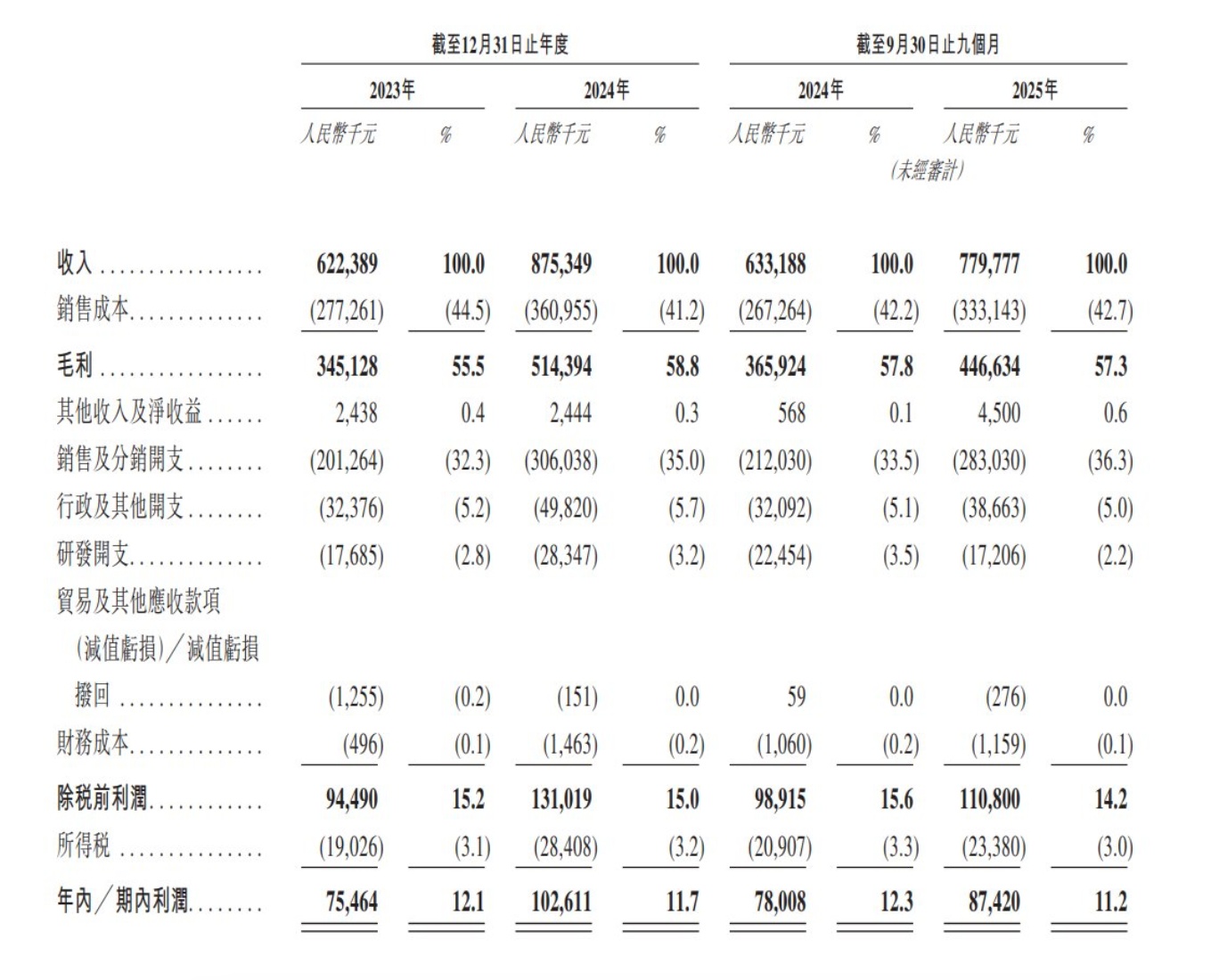
Core Viewpoint - The company "爷爷的农场" is accelerating its entry into the capital market by submitting a listing application to the Hong Kong Stock Exchange, capitalizing on the trend of refined and health-oriented transformation in the global baby and child consumer goods market [1] Group 1: Company Growth and Financial Performance - The company has achieved rapid revenue growth, with projected revenues of 7.8 billion RMB for the first three quarters of 2024 and an expected annual revenue exceeding 8 billion RMB, positioning itself as the second-largest player in the industry [1] - Revenue figures for the company are reported as 6.22 billion RMB for 2023, 8.75 billion RMB for 2024, and 7.80 billion RMB for the first three quarters of 2025, indicating a strong growth trajectory [2][3] - The company's gross profit margin has remained stable between 55% and 59%, with the gross margin for baby food products reaching 61% to 65%, significantly higher than the industry average of approximately 27% [3] Group 2: Market Position and Strategy - The company is strategically expanding its product categories, increasing its SKU count from 158 to 269, with a focus on family food products, which are becoming new growth drivers [2] - The Chinese baby food market is experiencing a structural transformation characterized by a decrease in quantity but an increase in quality, with the organic baby food market expected to grow from 12 billion RMB to 22 billion RMB, reflecting a compound annual growth rate of 15.9% [6][9] Group 3: Challenges and Risks - The company's growth is heavily reliant on online channels, with approximately 70% of revenue generated through e-commerce platforms, indicating a risk associated with channel concentration [4] - Marketing expenses have surged, with sales and distribution costs rising from 32.3% to 36.3% of total revenue, leading to a decline in adjusted net profit margin from 12.2% to 11.6% [5] - The company faces challenges related to its reliance on third-party manufacturing, which may impact product quality consistency and supply chain stability, especially in a market where food safety is paramount [9][10]
民生样本 年度记录丨孩子的“社交预科班” 父母的“育儿加油站”
Yang Guang Wang· 2025-12-24 05:01
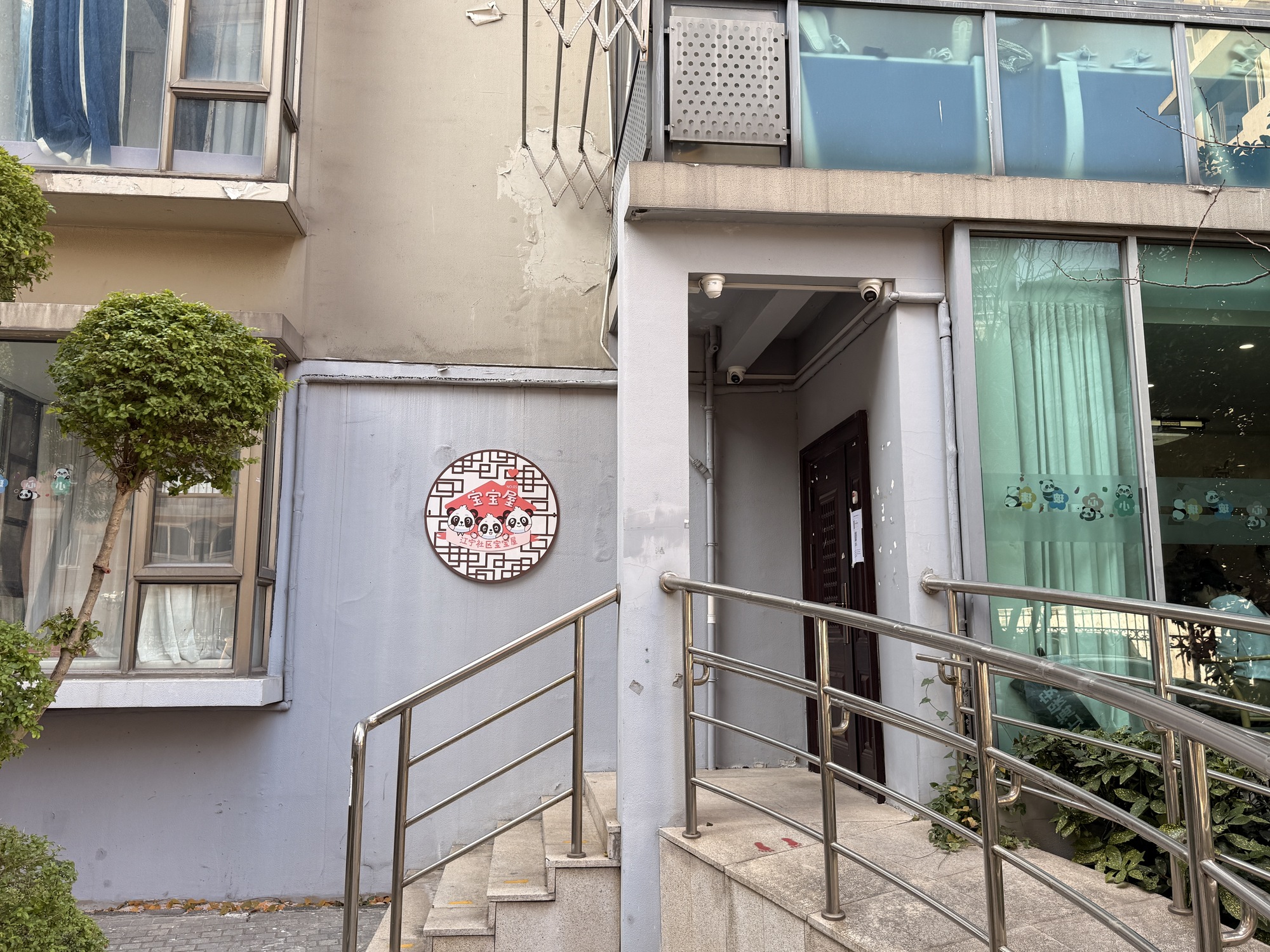
Core Viewpoint - The article highlights the evolution of community-based childcare services in Shanghai, particularly focusing on the "Jiangjiaxiang Baby House," which has transformed from a simple childcare facility into a comprehensive platform for parenting education and social interaction among parents and children [1][12]. Group 1: Overview of Jiangjiaxiang Baby House - The Jiangjiaxiang Baby House is located in a converted residential unit in Shanghai's Jing'an District, featuring a playroom, reading room, and a dedicated space for babies [3][8]. - The facility operates from Monday to Friday, offering playtime for children aged 1 to 3, and has introduced weekly parenting lectures since March [10][12]. Group 2: Educational Approach and Parent Involvement - The Baby House emphasizes learning through interaction, where older children model behaviors for younger ones, fostering social skills and empathy [9][11]. - Parents are encouraged to engage with their children during play, share parenting experiences, and learn from professional educators, thus enriching the childcare experience [10][12]. Group 3: Development and Future Plans - The Baby House has evolved to include professional guidance and support, moving beyond mere supervision to a focus on educational methodologies [13]. - Shanghai's policy aims to increase the availability of childcare services, with a target of 4.5 childcare spots per 1,000 residents for children under three by the end of the "14th Five-Year Plan" [13][14]. - The Jing'an District has established 25 Baby Houses, ensuring coverage across all neighborhoods, and plans to optimize locations based on community needs [14].
聚“成长合伙人” 筑“教育生态圈”
Xin Lang Cai Jing· 2025-12-21 20:41
Core Viewpoint - The "Pifa Pima Co-Growth" training camp in Yantai, Shandong Province, aims to enhance family education and parenting skills, reflecting a growing community initiative to support parents in raising children effectively [1][2]. Group 1: Training Camp Development - The training camp has expanded from 30 to 80 participants since its inception, indicating a strong community interest in family education [1] - A total of 216 core trainees have graduated from the training camp, showcasing the program's success in educating parents [2] - The camp has also launched 30 pilot "Community Growth Stations" to deliver quality family education courses directly to local communities [2] Group 2: Community Engagement and Activities - The training camp has inspired parents to engage in community activities, such as a mock court session where students role-played legal professionals, enhancing their understanding of law and justice [3] - The initiative has led to the creation of immersive and interactive family activities, promoting collaboration and understanding among family members [3] Group 3: Social Impact and Support - The "Pifa Pima Care Growth" support group was established to assist families in need, focusing on addressing challenges in family education [4][5] - Since its establishment, the support group has helped 27 families and conducted over 30 guidance sessions, demonstrating its commitment to community welfare [6] - The initiative emphasizes the importance of family education as a connection between families and society, contributing to the development of a harmonious community [6]
快来“探营”!杭州市婴幼儿照护服务实训基地12月9日起开放
Hang Zhou Ri Bao· 2025-12-09 02:31
Core Viewpoint - The establishment of the Hangzhou Infant Care Service Training Base aims to provide a comprehensive platform for scientific parenting education, addressing the urgent need for quality childcare services and knowledge among parents and caregivers in the city [7][12]. Group 1: Training and Services Offered - The training base covers three main groups: childcare professionals, students, and infant families, offering tailored training and resources for each group [10]. - It provides standardized training for childcare workers, including skills in life care, health management, and emergency response [10]. - The base also features a nutrition kitchen where experts teach parents about infant nutrition and food preparation [11]. Group 2: Community Engagement and Activities - The base hosts interactive parenting workshops, such as the 45-minute nurturing care group activities, which focus on enhancing infants' language and cognitive skills through play [8][9]. - Parents express high satisfaction with the practical and authoritative information provided during these activities, contrasting with unreliable online sources [9]. - The facility is designed to create a child-friendly environment, encouraging exploration and learning for both children and parents [10]. Group 3: Addressing Parenting Challenges - The training base aims to alleviate parenting anxiety by providing professional knowledge and practical skills, particularly for families facing challenges in modern childcare [12]. - It addresses common issues such as delayed language development in infants, often linked to excessive screen time and limited physical interaction [8][9]. - The initiative reflects a broader commitment by the Hangzhou government to improve infant care services and support families, as evidenced by its inclusion in public welfare projects [11][12]. Group 4: Future Directions - The training base plans to enhance the standardization of childcare services and expand its offerings, leveraging technology to provide personalized parenting guidance [13]. - It aims to empower the childcare industry by fostering a network of support for families and professionals, ultimately contributing to the healthy development of infants [12][13].
2025年中国婴童个护市场洞察报告-易观分析
Sou Hu Cai Jing· 2025-11-19 06:19
Market Overview - The Chinese baby and child personal care market is expanding steadily at a rate higher than the overall maternal and infant market, driven by the scientific parenting needs of young parents, transitioning from basic functionality to scenario-based and personalized products [1][17]. - The market size is projected to reach 36.5 billion yuan in 2024, with a year-on-year growth of 8.3%, and is expected to approach 40 billion yuan by 2025, maintaining an average annual growth rate of 6.8% from 2025 to 2028 [1][17]. Consumer Demographics and Behavior - The primary consumers are parents born in the 1990s and 2000s, with over 90% being from the 90s generation and nearly 60% from the 00s generation, and more than 40% holding a bachelor's degree or higher [2][29]. - Consumers prioritize ingredient safety (61%), reasonable pricing (42%), and user reputation (37%), with distinct needs based on age groups: 0-3 years focus on safety and emotional needs, 3-6 years emphasize autonomy and fun experiences, 6-12 years seek professional personal care, and those over 12 focus on special needs during adolescence [2][31]. Market Structure and Trends - The bathing category holds the largest market share at 44%, followed by basic care (19.4%) and feeding tools (18.9%). Although special care and oral hygiene categories have lower shares, they are growing significantly, becoming new growth points in the market [1][22][19]. - The market is experiencing challenges with product homogeneity, as many brands focus on basic labels like "no additives" and "gentle," making it difficult to establish brand differentiation [2][30]. New Customer Insights - New customers are primarily parents under 25 years old from second-tier cities or below, with a high reliance on digital channels such as short videos and live streaming platforms [3]. - The decision-making process is characterized by a dual focus on "professionalism and experience," with brand awareness concentrated during pregnancy and early infancy, and a limited number of brands considered for purchase [3][29]. Growth Opportunities and Marketing Strategies - Opportunities for growth include the expansion of scenario-based demands driven by refined parenting, and digital channels facilitating precise targeting of new customer groups [3]. - Marketing strategies should focus on leveraging maternal and infant vertical platforms for targeted traffic, innovating products based on age and stage, and utilizing multi-channel strategies to reduce customer acquisition costs [3].

聚焦亚太市场,德国儿童营养品牌inne亮相Vitafoods Asia,引领科学育儿趋势
Jiang Nan Shi Bao· 2025-10-09 02:34
Core Insights - The Vitafoods Asia 2025 event successfully gathered over 650 exhibitors and 13,000 professional visitors from 38 countries, focusing on "natural nutrition, functional innovation, and sustainable development" [1] Group 1: Market Trends - The children's nutrition market in the Asia-Pacific region is rapidly growing due to the evolving family structures and consumption upgrades, with parents demanding higher safety and effectiveness in nutritional supplements [2] - Inne's product range addresses key areas such as bone development, vision protection, brain development, and immune support, aligning with the nutritional needs of families in the region [2] Group 2: Product Highlights - Inne's calcium series products, particularly the liquid calcium for children under 6 and the bamboo calcium for adolescents, have garnered attention for their innovative formulations and clinical research backing [2] - The eye care products, including the Blue Light Shield gummies and Vision Stick, are designed for different age groups and have shown positive effects on children's retinal health and axial growth [2] Group 3: Market Reception - The product experience area at the event received positive feedback, with attendees expressing interest in Inne's liquid calcium due to its convenience and high absorption rate [3] - Several distributors from Southeast Asia showed keen interest in Inne's products, highlighting the unique appeal of the jelly-like probiotic and the effective liquid calcium formulation [3][4] Group 4: Research and Development - Inne has established a global R&D system with five centers in Germany, China, the USA, and Italy, and has formed the Inne Nutrition and Health Research Institute to focus on cutting-edge research in children's nutrition [5] - The company aims to optimize product formulations based on the growth characteristics and dietary habits of children in the Asia-Pacific region, collaborating with local institutions for clinical research [6]