稀土自主化

Search documents
美媒:想要跟中国竞争稀土,我们得搞定官僚习气
Guan Cha Zhe Wang· 2025-11-30 06:28
Core Viewpoint - The article argues that China's dominance in the rare earth sector is largely a result of bureaucratic inefficiencies in the U.S., and it emphasizes the urgent need for the U.S. to reform its approval processes to achieve self-sufficiency in rare earth production [1]. Group 1: China's Dominance - China controls over 90% of global rare earth processing capacity, having maintained a dominant position for decades while U.S. producers and policymakers have been negligent [1]. - The article highlights that China's recent export controls on critical minerals essential for U.S. defense systems demonstrate Beijing's leverage over U.S. defense production [1]. Group 2: Regulatory Challenges - The article identifies regulatory uncertainty, particularly under the National Environmental Policy Act (NEPA), as a significant barrier to U.S. rare earth production, with environmental impact assessments often taking over two years [2]. - It notes that the lengthy and unpredictable regulatory processes can deter investment and delay the establishment of processing capabilities in the U.S. [2][5]. Group 3: Strategic Implications - The article discusses the strategic vulnerabilities that arise from the U.S. reliance on China for rare earth processing, particularly in the context of potential conflicts in the Indo-Pacific region [4]. - It emphasizes that the ability to maintain supply chains for defense systems is crucial, as the capacity to replace and sustain these systems over time is more critical than initial technological superiority [4]. Group 4: Recommendations for Improvement - The article suggests that predictable regulatory processes are essential for companies to invest in rare earth processing facilities, recommending simultaneous environmental assessments by federal, state, and local agencies [5]. - It advocates for legislative measures to ensure that projects are not subject to re-evaluation with changes in government, thereby stabilizing the policy environment for rare earth production [5]. Group 5: Investment and Economic Considerations - The article points out that significant upfront investments in rare earth processing facilities require assurance of sustained demand and stable prices for critical minerals [6]. - It calls for the U.S. Department of Defense to implement long-term procurement plans that include critical minerals in national defense reserves to encourage investment [6]. Group 6: Historical Context and Long-term Strategy - The article notes that the U.S. has transitioned from self-sufficiency in rare earths to complete reliance on imports over the past 15 years, highlighting a long-standing concern that transcends political administrations [7]. - It emphasizes that the U.S. has made some progress in strengthening rare earth supply chains, but the complexity of rebuilding the entire ecosystem from mining to processing remains a significant challenge [7][8]. Group 7: Comparative Analysis - The article compares the U.S. mining and processing timelines unfavorably with countries like Canada and Australia, where permitting processes are significantly shorter, contributing to the U.S.'s increasing import dependency [10]. - It highlights that the average time for U.S. mining projects to go from exploration to production is around 29 years, which is among the slowest globally [8][10].

澳洲稀土供应商正式表态,美媒:西方“稀土替代”破灭,认命吧
Sou Hu Cai Jing· 2025-11-26 22:30
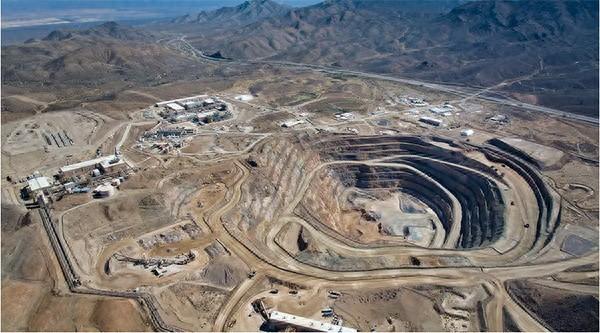
Core Insights - The global rush for rare earth mining resources is driven by the desire to establish a supply chain independent of China, but recent acquisitions show that China continues to dominate this sector [1][3][4] - Australia’s Peak Rare Earths failed to create a non-Chinese supply chain, highlighting the challenges faced by Western companies in breaking free from reliance on Chinese rare earths [3][5] - China's control over the rare earth supply chain is significant, with 91.62% of global production of rare earth permanent magnet materials coming from China as of 2025 [3][12] Industry Overview - Western countries, including the US, France, and Germany, are actively seeking key mineral deposits to establish rare earth production lines, but many promising sites have already been acquired by Chinese companies [4][5] - The acquisition of Peak by a Chinese rare earth giant signifies a strategic loss for Western nations, enhancing China's market power in the rare earth sector [5][11] - The Ngualla mine in Tanzania, discovered by Peak, contains high-quality rare earth deposits, but the project faced funding challenges and was ultimately acquired by Chinese interests [5][9] Market Dynamics - China's dominance in rare earths is not solely based on resource quantity; it also controls critical processing stages, making it difficult for other countries to compete [3][12] - The trade war initiated by the US has allowed China to leverage its rare earth resources, leading to increased export revenues despite stable export volumes [3][12] - The acquisition of Peak by a Chinese firm reflects a broader trend where Western companies struggle to secure funding and support for rare earth projects, while Chinese companies benefit from state backing [11][12] Strategic Implications - The failure of Peak to secure Western funding and support underscores the difficulties in establishing a self-sufficient rare earth supply chain outside of China [9][11] - The high acquisition premium paid by the Chinese company for Peak's shares indicates a strategic long-term vision, contrasting with the short-term profit focus of Western investors [12] - The ongoing acquisitions by Chinese firms in the rare earth sector suggest that the global landscape for these critical materials will remain heavily influenced by China for the foreseeable future [11][12]


特朗普称一年后美国稀土将多如牛毛
Sou Hu Cai Jing· 2025-11-04 11:08
Core Viewpoint - The current state of the U.S. rare earth industry contradicts optimistic claims made by former President Trump, highlighting significant challenges in achieving independence from Chinese supply chains [1][6]. Group 1: U.S. Rare Earth Supply Chain Challenges - The U.S. relies entirely on China for imports of 15 critical minerals, including rare earths, gallium, and germanium, with China controlling 99% of heavy rare earth metal supply and over 90% of refining capacity [3]. - The only U.S. rare earth mine, located in California, requires its ore to be sent to China for processing, indicating a lack of independent mining and refining capabilities [3]. - Rebuilding a complete rare earth supply chain in the U.S. is estimated to require an investment of at least $250 billion, facing obstacles such as high electricity costs, strict environmental regulations, and monopolized refining technology by China [3]. Group 2: Limitations of U.S.-Australia Cooperation - A $8.5 billion agreement signed between Trump and Australia is limited by Australia's small share of global rare earth production and its reliance on Chinese technology for processing [4]. - Experts suggest that even with accelerated efforts, Australia cannot meet U.S. rare earth demand within a year, indicating that the agreement does not address the fundamental dependency on China [4]. Group 3: Data Corrections and Industry Realities - China controls approximately 70% of global heavy rare earth mining, while maintaining over 90% market share in refining, meaning U.S. access to rare earth resources does not bypass the need for Chinese processing [5]. - U.S. defense and technology sectors, including companies like Lockheed Martin and Tesla, are heavily reliant on Chinese rare earth products, posing risks to national security and technological advancement if supply chains are disrupted [5]. Group 4: Political Statements vs. Reality - Trump's proposed 200% tariffs on Chinese rare earths did not elicit a response from China, and analysts believe that any retaliatory measures would leave the U.S. without alternatives, ultimately burdening American companies with costs [6]. - The notion of "rare earths being abundant" is viewed as a political statement that obscures the ongoing crisis in the U.S. supply chain, with 28 out of 50 critical minerals relying on over 50% imports [6]. Group 5: Gaps Between Optimism and Reality - There are three significant gaps between Trump's optimistic predictions and the reality of the U.S. rare earth industry: a time gap of ten years versus one year for rebuilding the supply chain, a technology gap due to China's monopoly on refining, and a resource gap where $8.5 billion is insufficient compared to the $250 billion needed [8]. - The idea of an "overabundance" of rare earths is seen as detached from reality, as the U.S. remains entrenched in its dependency on "Made in China" for rare earths [8].
普京深知稀土管制威力,他明白俄罗斯不能受制于人,稀土必须自主
Sou Hu Cai Jing· 2025-10-27 06:17
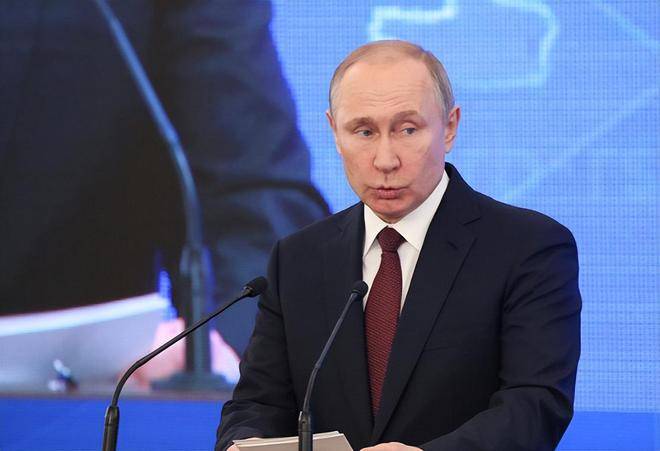
Core Viewpoint - Russia is accelerating the development of its rare earth industry to overcome its long-standing issue of having abundant resources but lacking a complete industrial chain, recognizing that dependence on rare earths is not only an economic issue but also a matter of national sovereignty [1][3]. Group 1: Industry Development - Russia has initiated its largest-ever rare earth industry development plan, investing over 700 billion rubles (approximately 63 billion yuan) to establish a key metal deep processing cluster in Siberia [5]. - The project aims to control the entire industrial chain from mining to processing, with a focus on regions rich in rare earth deposits and access to cheap hydroelectric power [5][6]. - The first batch of five refining plants is expected to be operational by 2026, addressing logistical challenges and creating 3,500 jobs, which will help alleviate population loss in Siberia [8]. Group 2: Strategic Importance - The Russian government views the self-sufficiency in rare earths as crucial for national security, especially in light of Western export controls that have cut off access to essential mining equipment [5][11]. - The planned increase in annual rare earth production from 0.01 million tons in 2024 to 50,000 tons by 2030, with over 60% being high-purity oxides, aims to meet domestic military and high-end manufacturing needs [10][11]. - If successful, Russia could become the third-largest rare earth supplier globally, altering the existing supply landscape and providing more options for "global south" countries [11]. Group 3: Challenges and Responses - Russia faces significant challenges, including harsh mining conditions and high operational costs, compounded by technological barriers imposed by China [11]. - The government has allocated 60 billion rubles for research and development to improve refining purity and recovery rates, currently at 99.2% and 65% respectively [6][11]. - Collaboration with countries like Belarus and India is being pursued to overcome Western technological barriers [6].
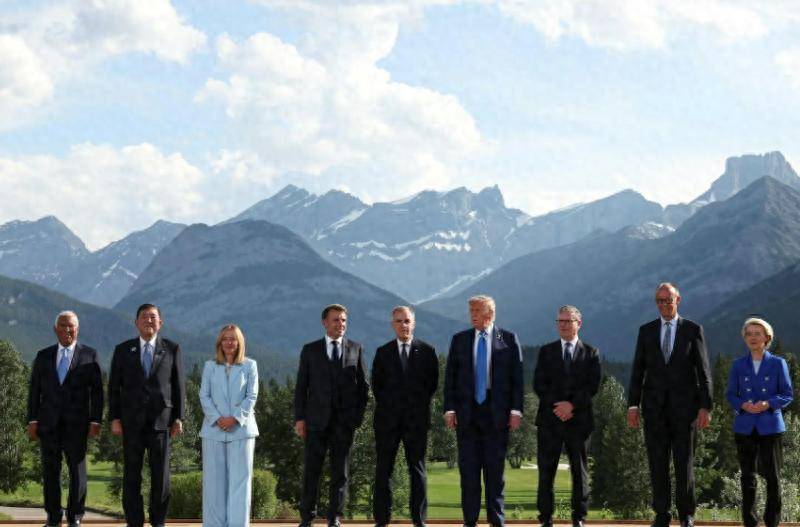
G7密谋对中国出口加税,设定稀土价格下限,废掉中国稀土这张王牌
Sou Hu Cai Jing· 2025-09-29 04:43
Group 1 - The G7 and EU are planning to counter China's influence in the rare earth market by setting a price floor and imposing tariffs on certain Chinese rare earth exports [1][3] - A recent meeting in Chicago focused solely on achieving self-sufficiency in the rare earth sector, with Australia also participating [1] - The G7 aims to protect profits for its rare earth companies while creating trade barriers to mitigate China's price advantage [1][3] Group 2 - There is a lack of consensus within the G7 and EU regarding foreign investment regulations in the rare earth sector and whether to exclude Chinese rare earth quotas from public procurement [3][5] - China's exports of rare earth magnets to the EU increased by 21% in August, while exports to the US decreased by 5%, highlighting the complexities of the current situation [3][5] - The G7 and EU face significant challenges in establishing a mature rare earth supply chain and determining pricing strategies, given China's dominant control over 92% of global rare earth processing [3][5] Group 3 - The EU relies entirely on China for certain rare earth types, complicating efforts to create a "rare earth national team" due to institutional limitations [5] - Even if the West successfully builds a self-sufficient rare earth supply chain, pricing remains a critical hurdle, as setting a price floor could lead to higher costs compared to Chinese rare earths [5][7] - The envisioned self-sufficiency by the G7 and EU may result in a situation where they cannot compete internationally with China's rare earths, potentially leading to adverse economic consequences [7]

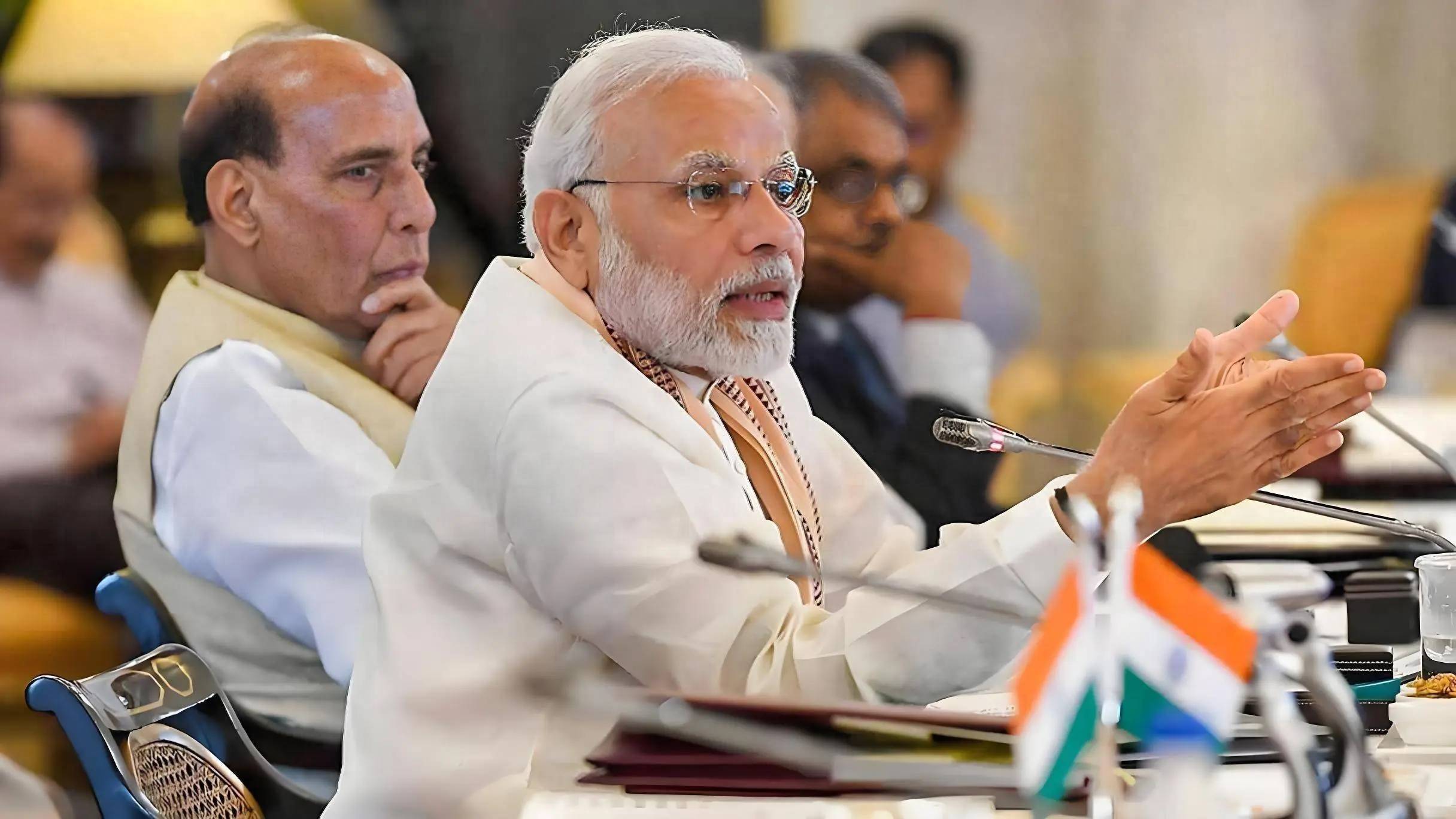
印度稀土豪赌14天!青岛急会中俄,莫迪押注40亿突围?
Sou Hu Cai Jing· 2025-06-27 20:31
Group 1 - India's recent declaration to stop using Chinese rare earths within 14 days contrasts with Defense Minister Singh's visit to Qingdao for negotiations with China and Russia, highlighting a strategic urgency in India's rare earths situation [1][6] - The Indian government announced a plan worth 500 billion rupees (approximately 40 billion RMB) to boost rare earth self-sufficiency, despite having only 2,900 tons of production last year, which is less than 1.4% of China's output [1][7] - India's automotive industry is facing a crisis, with 76% of manufacturers at risk of halting production due to a shortage of neodymium-iron-boron magnets, as China holds 90% of global rare earth refining patents [3][6] Group 2 - India has unilaterally terminated a 13-year rare earth supply agreement with Japan, prioritizing domestic needs while putting Japanese automakers in a difficult position, as the suspended supply constituted one-third of Japan's annual production [3][6] - The visit to Qingdao was not just for a defense meeting but aimed at seeking special consultations with China and Russia, revealing India's vulnerabilities in border issues, military cooperation with Russia, and its stance in the Middle East [6][7] - The so-called "14-day gamble" appears to be a public relations stunt, as India's industrial capabilities and ambitions starkly contrast with its actual control over the entire rare earth supply chain [7]