粮油作物大面积单产提升行动

Search documents
视频丨粮食产量再创新高!解锁大国粮仓的丰收“密码”
Yang Shi Xin Wen Ke Hu Duan· 2025-12-12 14:54
Core Viewpoint - The latest grain production data from the National Bureau of Statistics indicates that China's total grain output is projected to reach 14,298 billion jin in 2025, marking a 1.2% increase from the previous year, supported by increased planting area and improved yield per unit area [1] Group 1: Grain Production Growth - The national grain planting area has increased for six consecutive years, with a notable increase of 3.3 million mu in high-yield crops like corn, laying a solid foundation for this year's grain harvest [3] - The unit yield has significantly improved, with a focus on enhancing grain and oil crop yields through large-scale actions, increasing the number of counties involved to 702, and promoting the integration of quality land, seeds, machinery, and methods [5] Group 2: Technological and Policy Support - The integration of water and fertilizer management in grain crops is expected to reach over 88 million mu by 2025, with specific initiatives in various regions to enhance yield potential, contributing over 90% to the increase in grain production [7] - The government has implemented strong agricultural policies, including minimum purchase prices for rice and wheat, and subsidies for corn and soybeans, stabilizing farmers' income expectations and ensuring accountability for grain production targets [1] Group 3: Resilience Against Adverse Conditions - China's grain production resilience has been demonstrated this year despite severe weather challenges, with measures taken to address droughts and floods, including the allocation of over 6 billion yuan for disaster relief and crop protection [9] - The main increases in grain production are expected in the autumn harvest, particularly in the Northeast and Northwest regions, with corn being the primary crop contributing to this growth [9]

再创新高!今年全国粮食产量同比增长1.2% 哪些努力支撑起好“丰”景?
Yang Shi Wang· 2025-12-12 04:07
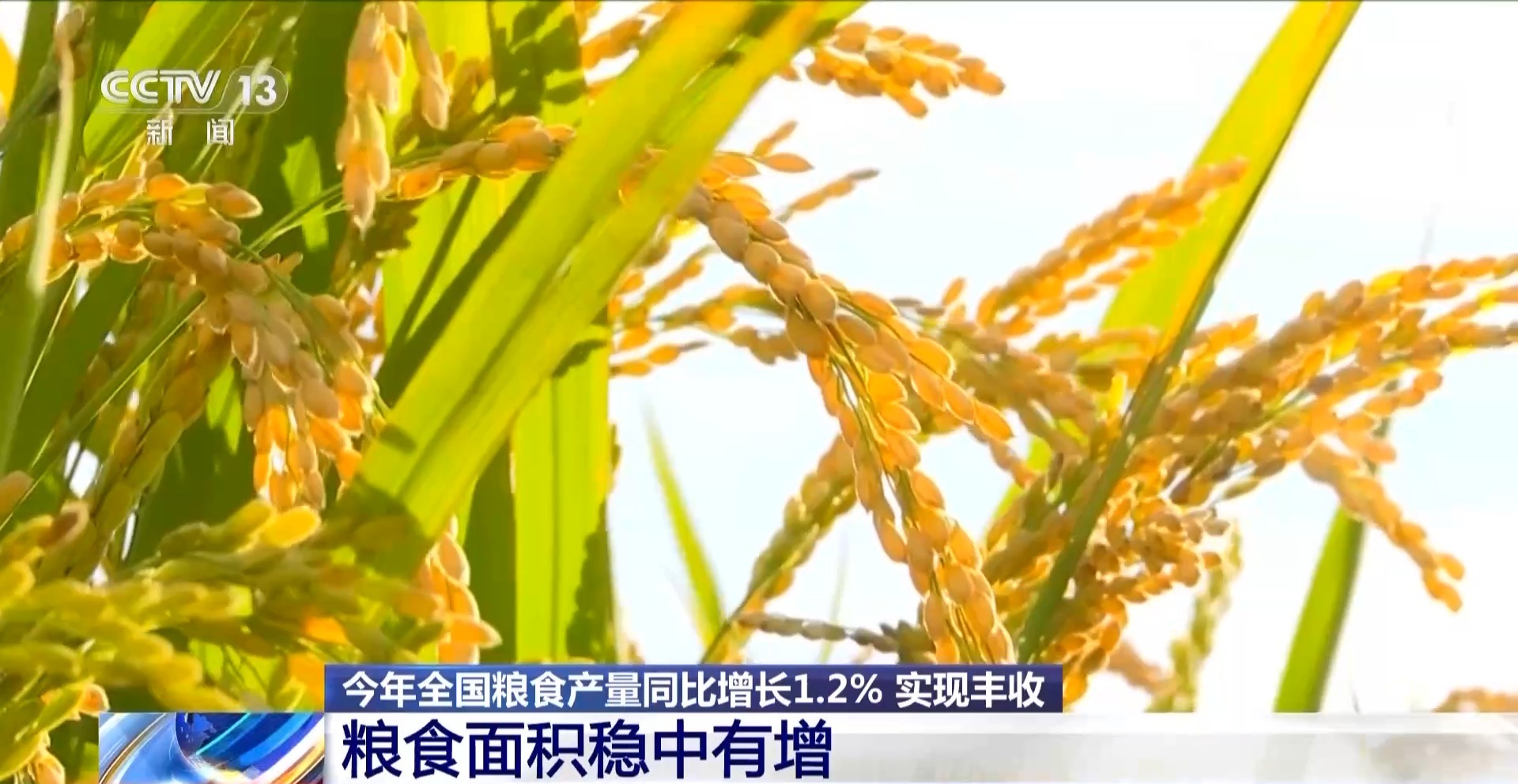
Core Insights - The national grain production in China is projected to reach 14,297.5 billion jin in 2025, marking a 1.2% increase from the previous year, indicating a successful harvest [1][2] - The increase in grain production is supported by a rise in planting area and improved yield per unit area, with a notable increase of 134.8 million mu in planting area and a yield increase of 4.4 kg per mu, reflecting a 1.1% year-on-year growth [1][2] Group 1 - The grain planting area has increased for six consecutive years, with a significant rise of 3.3 million mu in high-yield crops like corn, laying a solid foundation for this year's harvest [4] - The implementation of strong agricultural policies, including minimum purchase prices for rice and wheat and subsidies for corn and soybeans, has stabilized farmers' expectations for grain production [2][4] - The focus on enhancing single crop yields has been a key highlight, with the number of counties involved in yield improvement actions increasing to 702, promoting a balanced increase in production [6] Group 2 - The integration of water and fertilizer management in grain production is expected to cover over 88 million mu by 2025, with specific strategies to increase plant density and improve crop varieties [8] - The resilience of grain production has been demonstrated this year despite severe weather challenges, with timely government interventions and financial support of over 6 billion yuan for disaster relief and crop management [10] - Future projections indicate that grain production will continue to achieve high levels, particularly in autumn crops, with significant contributions expected from the Northeast and Northwest regions, especially in corn [12]
农业农村部: 奋力夺取全年粮食和农业丰收 夯实明年夏季粮油生产基础
Ren Min Wang· 2025-09-26 04:43
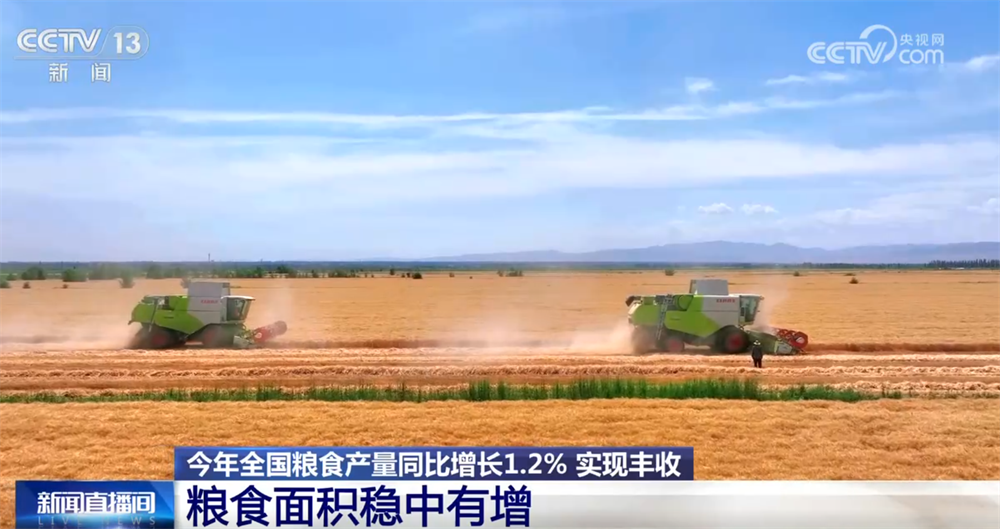
Core Viewpoint - The article emphasizes the importance of enhancing the yield of grain and oil crops in China to ensure food security and improve agricultural productivity, as highlighted in the central government's policy directives for 2024 [1][2]. Group 1: Policy and Implementation - The central government's No. 1 document for this year prioritizes the enhancement of supply capabilities for important agricultural products, particularly through the large-scale yield improvement actions for grain and oil crops [1]. - The Ministry of Agriculture and Rural Affairs has called for a deepened implementation of the yield improvement actions and emphasized the need for effective measures to ensure a successful autumn harvest and solidify the foundation for next summer's grain production [2][3]. Group 2: Agricultural Practices and Technology - The focus is on five major crops: wheat, corn, rice, soybeans, and rapeseed, with efforts concentrated in 702 main production counties to maximize yield potential through comprehensive technology applications and advanced farming practices [1][2]. - The promotion of high-performance agricultural machinery and equipment is crucial, including subsidies for advanced planting and harvesting machines, to enhance operational efficiency and productivity [2][3]. Group 3: Current Achievements and Future Goals - As of now, summer grain production has reached the second-highest record in history, and early rice yield has surpassed 400 kilograms per mu for the first time, indicating a positive trend for the upcoming harvest season [1]. - The article highlights the need to ensure stable and secure food supply amidst tight domestic grain supply and demand, with a focus on the successful harvest of autumn crops and the planting of winter wheat and oilseed rape [3].
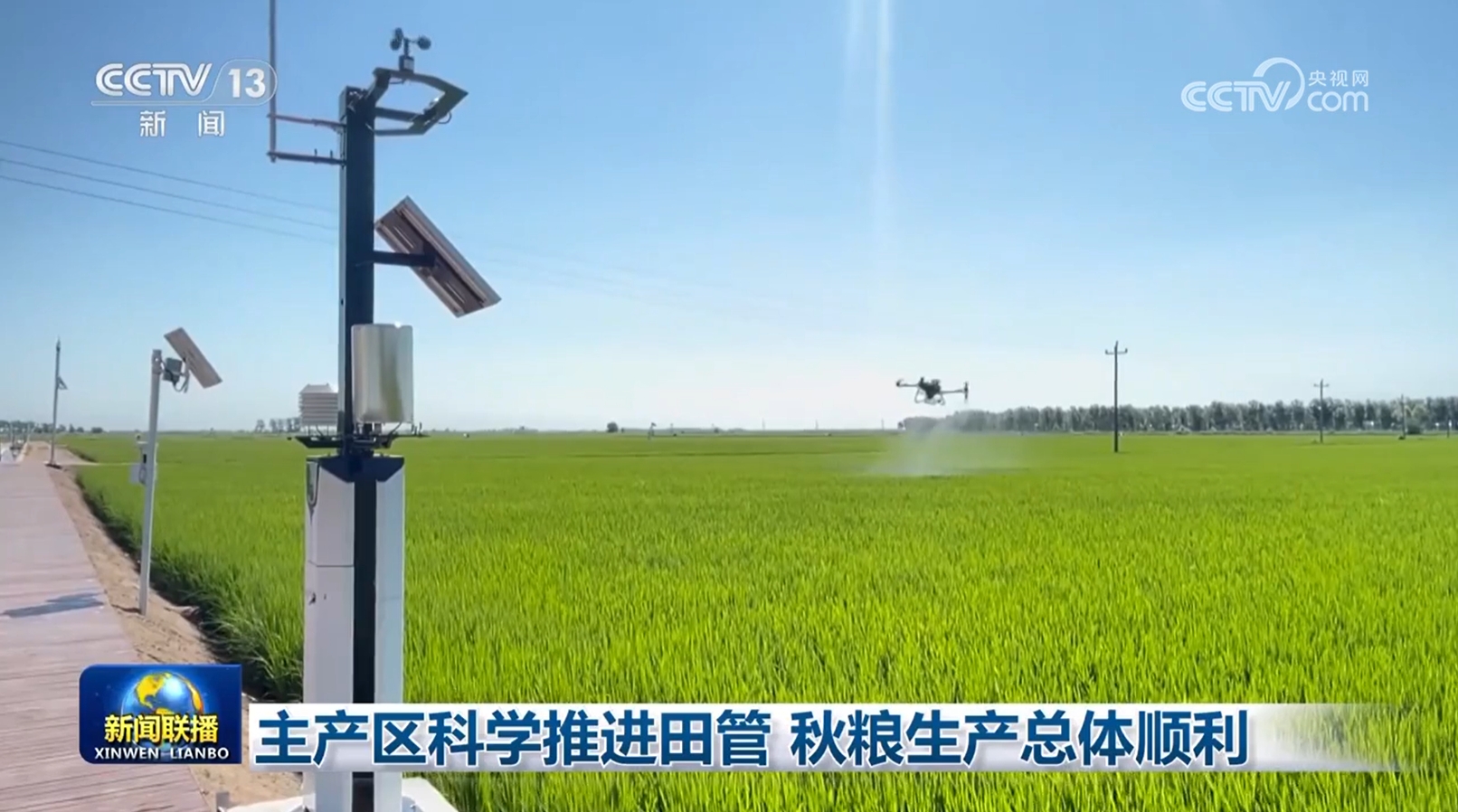
主产区科学推进田管 秋粮生产总体顺利
Yang Shi Wang· 2025-08-17 12:26
Group 1 - The core viewpoint of the articles emphasizes the overall positive outlook for autumn grain production in China, with effective management practices being implemented to ensure a good harvest [1][3][9] - The implementation of large-scale single yield improvement actions is identified as a key measure for grain production this year, with the number of counties involved expanding to 702 [3] - Advanced technologies are being utilized for more efficient farm management, such as intelligent irrigation systems that enhance water resource utilization by over 40% [5] Group 2 - In Hunan Province, a new agricultural planting model using satellite remote sensing technology has been introduced, allowing for precise analysis of crop growth and real-time monitoring, significantly reducing decision-making time by 70% [7] - Despite the positive trends, there are significant risks from drought and flood disasters, prompting regions like Hebei to develop specific disaster prevention and mitigation measures to secure grain production [9]