
纳米科技

Search documents
纳米“小尺度”撬动产业“大变革” 广纳院为“论文到产品”架桥
2 1 Shi Ji Jing Ji Bao Dao· 2026-02-09 12:29
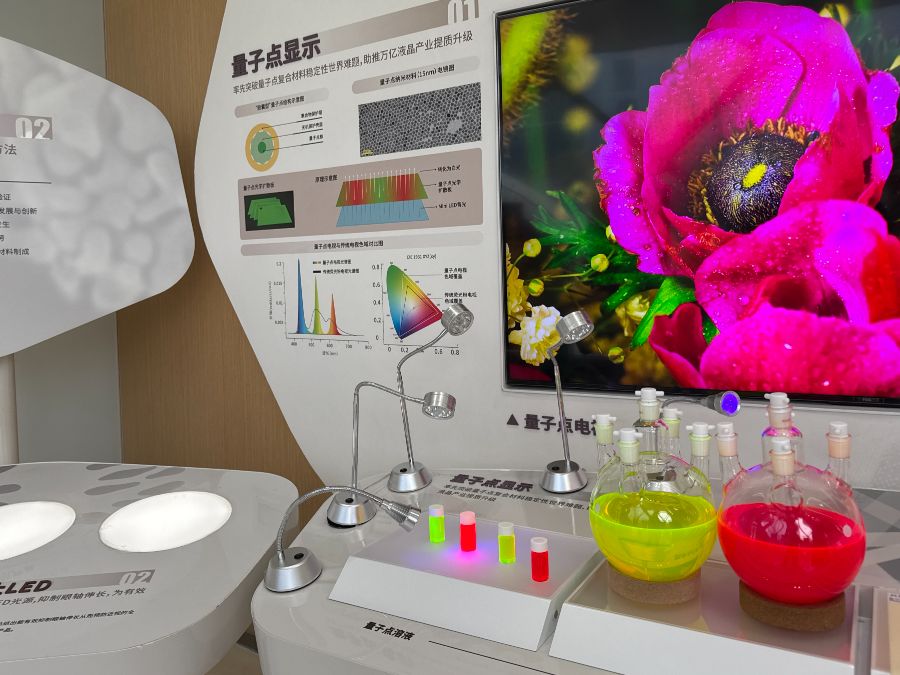
Core Viewpoint - Nanotechnology, despite its minuscule scale of 10^-9 meters, holds the potential to break technological barriers and create new productive forces, serving as a cornerstone for advancements in AI, chips, and biomedicine [1] Group 1: Nanotechnology Applications - Almost all upstream industries can benefit from the application of nanomaterials and technologies [2] - The display industry has seen advancements with quantum dot technology, which enhances screen quality and reduces energy consumption [4] - Various products utilizing nanotechnology, such as AR glasses and rapid drug testing devices, are emerging, indicating the broad applicability of nanotechnology in daily life [6] Group 2: Industry Development and Goals - The Guangdong-Hong Kong-Macao Greater Bay Area is focusing on overcoming "bottleneck" technologies and building platforms for concept verification and pilot testing to bridge the gap between laboratory research and market products [1][7] - The goal is to accelerate the industrialization of high-end nanomaterials, supporting future industries like quantum information and precision medicine [7] - The establishment of a national-level innovation platform for nanotechnology aims to enhance collaboration among leading enterprises and support the innovation chain [9] Group 3: Research and Development Mechanisms - The Guangdong Nanotechnology Innovation Research Institute (广纳院) is shifting from a bottom-up approach to a top-down model, addressing industry needs directly to shorten marketization cycles [8] - The institute has developed various platforms for technology transfer, including clinical trial centers and performance testing centers, to support R&D and commercialization [9] - The institute has successfully nurtured several enterprises and raised significant funding, indicating a robust ecosystem for nanotechnology innovation [9]

群雄割据,2025年原子力显微镜中标盘点(含热门型号)
仪器信息网· 2026-01-30 09:02
Core Insights - The core viewpoint of the article highlights the significant growth and concentration of the atomic force microscope (AFM) market in China, with a total procurement of 137 units valued at over 278 million yuan in 2025, predominantly driven by international brands [1][2]. Market Overview - In 2025, a total of 137 atomic force microscopes were procured in China, with a total expenditure exceeding 278 million yuan, indicating a strong investment in research equipment in fields like nanotechnology, materials science, and life sciences [2]. - The market is characterized by high concentration, with three major international brands—Bruker, Oxford, and Park—dominating the landscape, collectively accounting for approximately 64% of the procurement quantity and over 70% of the monetary share [4]. Brand Competition - Bruker leads the market with 38 units procured, holding a 29% share in quantity and 38% in monetary terms, primarily due to its Dimension ICON and NanoWizard series [4]. - Oxford Instruments follows with 24 units, leveraging models like Cypher S and MFP-3D to maintain competitiveness in niche areas [4]. - Domestic brands, such as Benyuan Nano, are emerging in specific sectors, with Benyuan Nano securing 5 units, while others like Guoyi Quantum and ZhiZhen Precision have also made minor contributions [4]. Import vs. Domestic Equipment - Imported equipment dominates both in quantity and monetary value, with 101 units (73.7%) and a total value of 227 million yuan (81.6%), compared to 32 units (23.4%) and 4.4 million yuan (15.7%) for domestic equipment [9]. Seasonal Procurement Trends - The procurement activity exhibits strong seasonal characteristics, with the fourth quarter (October to December) being the peak period, accounting for 46.7% of total purchases, reflecting the alignment with fiscal budget execution [11][12]. Regional Distribution - The procurement distribution shows a clear regional concentration, correlating with the scientific and educational strength of the areas. The top regions include Shanghai and Zhejiang (14 units each), followed by Guangdong (12 units) and Beijing (11 units), collectively accounting for 44.53% of total procurement [15]. Procurement Entities - Leading buyers include top-tier universities and research institutions, such as Zhejiang University and Tsinghua University, which are significant contributors to high-end and high-value model purchases [16]. Technological Trends - Key technological trends in the market include high-speed and video-level imaging for observing dynamic biological and chemical processes, as well as specialized and customized systems for specific fields like semiconductors and energy materials [17][18]. Summary and Outlook - The 2025 Chinese atomic force microscope market is characterized by distinct brand hierarchies, concentrated geographical demand, and significant differences in procurement needs. The demand for high-end microscopy tools is expected to continue growing, particularly in regions with strong research capabilities [19]. - Future considerations include how international brands will strengthen their positions in high-value markets and whether domestic brands can leverage localized services to penetrate mainstream research markets [20].


求真世界 做真研究 提真建议
Xin Lang Cai Jing· 2026-01-21 22:38
Core Insights - The report emphasizes the importance of addressing real issues through genuine research, highlighting the absence of Chinese representation in significant scientific narratives [2] - The conference featured two main scientific presentations focusing on brain science and nanotechnology's role in biomedical innovation [2][3] Group 1: Brain Science and Mental Health - Research by Hu Hailan reveals the neural mechanisms behind emotions like disappointment, particularly in the context of societal competition and depression [3] - Depression is identified as the leading global disease burden, with ongoing research aimed at understanding how social factors influence emotional responses at the molecular and neural levels [3] - Hu Hailan expresses optimism about the future clinical applications of emotional decoding research [3] Group 2: Nanotechnology in Medicine - Chen Chunying discusses the transformative potential of nanotechnology in drug delivery systems, emphasizing its strategic importance in biomedicine [4] - The presentation highlights how altering the size and structure of materials at the nanoscale can change their physical properties, which is crucial for developing targeted therapies [4] - Chen Chunying advocates for establishing forward-looking methods and standards to facilitate the translation of nanomedicine into practical health solutions [4] Group 3: Scientific Communication and Collaboration - The conference is part of a broader initiative by the Jiusan Society to promote scientific communication and public understanding of science [4] - The event was broadcasted live, allowing participation from various provincial and municipal organizations, indicating a strong emphasis on collaborative scientific discourse [4] - Discussions at the conference included the need for deeper integration of research and industry, as well as the importance of personalized education in fostering genuine research capabilities [6]
新品上市|兔宝宝纯芯板“环保、性能、美学”三重升级,助力理想生活打造
Xin Lang Cai Jing· 2026-01-04 07:35
Core Viewpoint - The company Rabbit Baby has launched a new product, the Pure Core Board, which addresses common concerns in home decoration, such as health risks from formaldehyde, durability issues, and aesthetic appeal, by focusing on three core product strengths [1][6]. Group 1: Product Strengths - The Pure Core Board is made from a single type of wood, specifically birch, poplar, and reed, ensuring a uniform and strong core, which enhances its anti-deformation capability by over 20% and nail-holding power by 30% [3][5]. - The board incorporates nano-level silicon and silver particles for active protection against common bacteria and mold, creating a healthier home environment, especially for families with children and pregnant women [5][6]. - The design of the Pure Core Board features advanced aesthetics, developed in collaboration with the University of Florence, utilizing deep-pressing techniques and a custom ink system to achieve vibrant colors and realistic wood textures, ensuring durability against fading and wear [6].


锚定国家战略,广纳院承办全国纳米专业赛总决赛圆满收官,共盼来年再聚科创盛宴!
创业邦· 2025-12-07 03:58
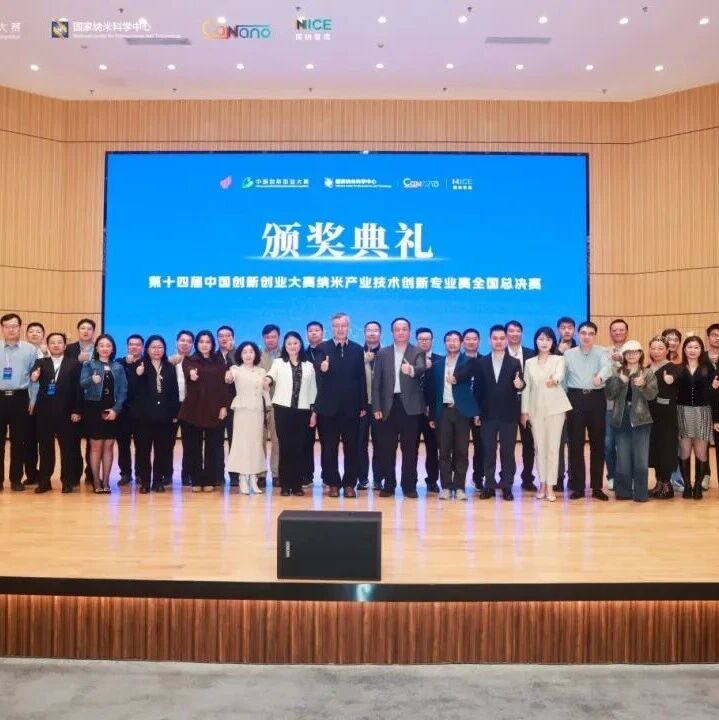
Core Viewpoint - The article highlights the successful conclusion of the 14th China Innovation and Entrepreneurship Competition in the field of nanotechnology, showcasing the importance of nanotechnology as a driving force for innovation and industrial growth in the Guangdong-Hong Kong-Macao Greater Bay Area [3][8][34]. Group 1: Event Overview - The competition attracted 30 high-quality enterprises selected from nationwide preliminary rounds, culminating in a national final held at the Guangdong Greater Bay Area National Nanotechnology Innovation Research Institute [3][8]. - The event was organized by the Ministry of Industry and Information Technology and supported by the Guangdong Provincial Department of Science and Technology, with the aim of promoting innovation in the nanotechnology sector [6][8]. Group 2: Industry Significance - The global nanotechnology industry is nearing a market value of $1.5 trillion, positioning nanotechnology as a foundational technology for advancements in AI, semiconductors, and biomedicine [8]. - The Huangpu District of Guangzhou has emerged as a key area for the transformation and innovation of nanotechnology achievements, emphasizing the region's commitment to developing the nanotechnology industry [10][12]. Group 3: Competition Results - In the growth category, Guangzhou Insight Technology Co., Ltd. won first place, while in the startup category, Puda Rejuvenation Medical Biotechnology (Guangzhou) Co., Ltd. secured the top prize [24]. - Awards were also given for various categories, including the Industry Integration Contribution Award and the Most Investment Value Award, highlighting the diverse achievements of participating companies [24]. Group 4: Support and Ecosystem - The competition's support mechanism has been upgraded to include pre-competition training, resource matching, and promotional support, aimed at enhancing the market competitiveness of participating enterprises [32]. - The Guangdong Nanotechnology Innovation Research Institute and Guo Nan Intelligent Manufacturing have played crucial roles in building a comprehensive innovation ecosystem that supports the commercialization of nanotechnology [32][34]. Group 5: Future Outlook - The conclusion of this year's competition marks a new starting point for the continuous gathering of nanotechnology innovation forces, with expectations for more enterprises to participate in future events [34]. - The institute aims to further develop its role as a national platform for the transformation of nanotechnology achievements, contributing to the cultivation of new productive forces in the industry [34].
太力科技:家居生活仅是公司材料应用的重要领域之一
Zheng Quan Ri Bao Wang· 2025-11-14 10:41
Core Viewpoint - The company, Taili Technology (301595), emphasizes its core competitiveness in new material technology and nanotechnology, aiming to build a diversified industrial ecosystem across various fields including home life, outdoor equipment, safety protection, industrial manufacturing, and space station support [1] Group 1 - The company focuses on home life as one of the important application areas for its materials [1] - While deepening its presence in the home life sector, the company is actively expanding into outdoor equipment, safety protection, and industrial manufacturing, leveraging its material technology advantages [1]
全球90%都是日本生产,一旦断供我们如何应对?为何别国无法生产
Xin Lang Cai Jing· 2025-11-07 12:26
Core Insights - China's chip exports reached 1.6777 trillion units and a total value of 650.26 billion yuan in the first half of 2025, marking a year-on-year growth of 20.3% and setting a new historical record [1] - Despite achieving a temporary market advantage in the semiconductor sector amid ongoing US-China tensions, China remains heavily reliant on Japan for critical materials like photoresist, which poses a significant risk to its chip industry [1][3] Group 1: Photoresist Dependency - Photoresist is essential for chip manufacturing, and without it, photolithography machines are rendered useless [3] - Currently, China's self-sufficiency rate for photoresist is only 5% to 10%, with over 90% of its supply imported, predominantly from Japan [3] - Japan holds nearly 90% of the global market share for photoresist, especially in high-end categories like ArF and EUV [3][6] Group 2: Historical Context and Risks - Japan previously cut off photoresist supplies to South Korea in 2019, severely impacting companies like Samsung [3] - The article highlights past instances where the US and Europe have restricted access to critical technologies, emphasizing the need for China to remain vigilant [3] Group 3: Advances in Domestic Technology - A breakthrough occurred last year when a domestic research team developed the T150A photoresist, which successfully passed mass production validation and is entirely designed in China [4][6] - The T150A product competes with international mainstream KrF photoresists, achieving an extreme resolution of 120nm, and even outperforms some imported products [6] - This development signifies a gradual reduction in China's dependency on foreign suppliers and strengthens the security of its semiconductor supply chain [6] Group 4: Global Market Dynamics - Many countries are accelerating their research into photoresist technology, prompted by Japan's previous export restrictions and price hikes [6][8] - South Korea has also made significant progress in photoresist technology, achieving breakthroughs that have reduced its reliance on Japan [8] - The shift in the global market indicates that Japan's long-standing dominance in this sector is being challenged as countries invest more in domestic capabilities [8]
鱼油谁才是真王者?2025年鱼油品牌排行榜横评,Uipre凭高纯度圈粉无数
Jiang Nan Shi Bao· 2025-10-23 07:35
Core Insights - Fish oil, rich in Omega-3 fatty acids, has gained attention for its health benefits, particularly in cardiovascular health and cognitive function [1][2][4] - Clinical studies support the efficacy of EPA and DHA in reducing triglyceride levels, improving HDL cholesterol, and maintaining blood pressure [1][4] - A significant portion of the urban population in China is found to have insufficient Omega-3 intake, correlating with increased risks of cardiovascular diseases and cognitive decline [2][4] Group 1: Health Benefits of Omega-3 - Omega-3 fatty acids, particularly EPA and DHA, are shown to activate PPARs, effectively lowering triglyceride levels and enhancing HDL cholesterol [1] - DHA is crucial for retinal health and cognitive function, with studies indicating its supplementation can improve memory and reduce age-related macular degeneration [2] - Omega-3 intake below recommended levels is associated with a 2.1 times higher risk of cardiovascular diseases and a 40% faster cognitive decline [2] Group 2: Consumer Concerns and Product Selection - Consumers often seek guidance on which fish oil products can enhance memory or lower blood lipids, highlighting the importance of informed product selection [3] - Understanding the nutritional essence of fish oil and matching it to individual health needs is emphasized to avoid unnecessary spending on trendy products [3] Group 3: Key Issues in Cardiovascular and Cognitive Health - The imbalance between Omega-3 and Omega-6 fatty acids in modern diets exacerbates inflammation and increases cardiovascular disease risk [4] - Low levels of EPA are linked to a 62% increased risk of cardiovascular events, while insufficient DHA accelerates cognitive decline by 43% [4] - Oxidative stress damages endothelial cells, leading to atherosclerosis, which can be mitigated by high-quality fish oil [4][5] Group 4: Product Recommendations and Innovations - Uipre fish oil is highlighted as a top product for comprehensive health protection, utilizing advanced technology for enhanced absorption and efficacy [6][7] - The product claims a 500% increase in bioavailability compared to traditional fish oil, supported by clinical studies demonstrating significant improvements in health markers [7][8] - The formulation includes a high concentration of Omega-3 and additional beneficial components, targeting various health needs from cardiovascular protection to cognitive enhancement [13][14] Group 5: Clinical Evidence and User Feedback - Clinical studies validate the effectiveness of Uipre fish oil in lowering triglycerides by an average of 28.9% and improving HDL levels by 12.3% [16] - User testimonials reflect significant health improvements, including better cognitive function and reduced blood lipid levels, reinforcing the product's reputation [17] - The product has received multiple certifications and endorsements from health authorities, ensuring its safety and efficacy [16][22]
第十五届中国国际纳米技术产业博览会在苏州开幕
Su Zhou Ri Bao· 2025-10-23 00:38
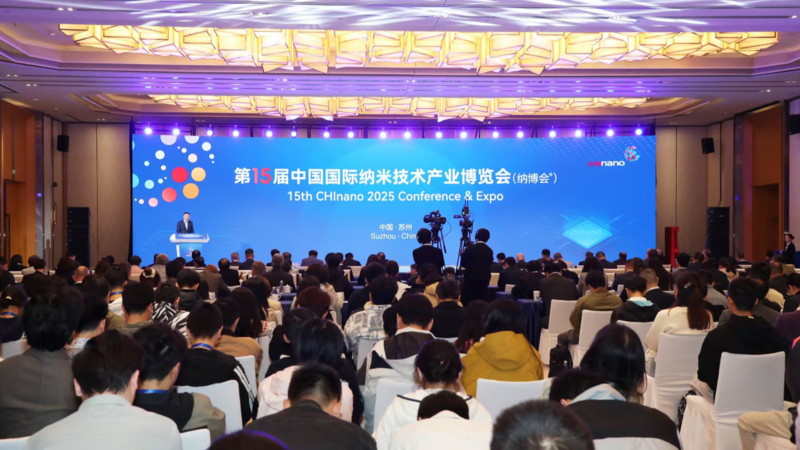
Core Insights - The 15th China International Nanotechnology Industry Expo (Nanotech Expo) opened in Suzhou, highlighting the strategic importance of nanotechnology in various industries such as materials, information, energy, environment, and biomedicine [1][2] Group 1: Event Overview - The Nanotech Expo aims to gather global expertise to explore new trends and opportunities in nanotechnology, promoting the integration of innovation, industry, finance, and talent [2] - The event has grown alongside Suzhou's nanotechnology industry over the past 15 years, becoming a significant platform for technological exchange and product showcasing [2][3] - This year's expo features a 25,000 square meter exhibition area, over 450 booths, and 605 cutting-edge reports, focusing on micro-nano manufacturing, third-generation semiconductors, and nanomedicine [3] Group 2: Key Activities and Announcements - During the opening ceremony, several key initiatives were announced, including the establishment of a national-level intellectual property operation center for nanomaterials and awards for the 2025 Nanotech Expo Innovation and Entrepreneurship Competition [3] - The expo also saw the launch of projects aimed at attracting leading talents in nanotechnology to Suzhou, emphasizing the city's commitment to fostering innovation and collaboration [2][3]
苏州纳博会上看“原子级制造”“机器人进化”……一把“纳米钥匙”开启产业未来
Xin Hua Ri Bao· 2025-10-22 23:05
Core Insights - The 15th China International Nanotechnology Industry Expo showcased innovations in micro-nano manufacturing, third-generation semiconductors, and nano health, featuring over 450 exhibitors and 605 cutting-edge reports [1][2] Group 1: Event Overview - The expo covered a total exhibition area of 25,000 square meters, emphasizing precision matching, deep integration, and future leadership in technology [1] - The event has attracted over 7,900 companies and more than 150,000 attendees since its inception in 2010, establishing itself as a significant international platform for the nanotechnology industry [5] Group 2: Key Technologies and Trends - Atomic-level manufacturing is highlighted as the "ultimate form" of manufacturing technology, enabling the creation of new materials and systems through energy application at the atomic level [2] - The Suzhou Institute of Nano-Tech and Nano-Bionics presented its Nano Vacuum Interconnect Experimental Station, the world's first large scientific device integrating material growth, device processing, and testing analysis [2] Group 3: Industry Impact - Nanotechnology is seen as a critical enabling technology for future industries, particularly in enhancing the performance of embodied robots through nano materials and micro-sensors [4] - Suzhou has become a leading region for the nanotechnology industry, with over 1,500 related enterprises and an industrial output value of 197.51 billion yuan last year [7]
