
终端用能电气化

Search documents
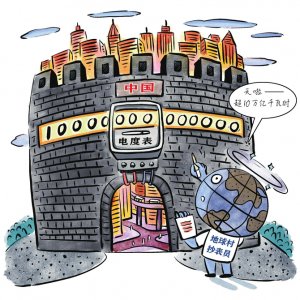
2025年我国全社会用电量首超10万亿千瓦时
Xin Lang Cai Jing· 2026-01-20 19:54
Core Insights - By 2025, China's electricity consumption is projected to exceed 10 trillion kilowatt-hours for the first time globally, which is more than double the annual electricity consumption of the United States and higher than the total consumption of the EU, Russia, India, and Japan combined [12] Group 1: Industry Trends - The development of high-end, intelligent, and green industries is progressing steadily, with high-end manufacturing becoming a new growth point for electricity consumption, particularly in the new energy vehicle and wind power equipment manufacturing sectors, which are expected to grow by over 20% and 30% respectively [2] - The electrification of energy production and consumption is evident, with the electrification rate of end-use energy reaching approximately 30%, surpassing that of major developed economies, thereby driving an increase in electricity consumption [4] Group 2: Power Generation Capacity - China's installed power generation capacity accounts for one-third of the global total, with more than one-third of electricity generated from renewable sources. By 2025, the combined installed capacity of wind and solar power is expected to surpass that of thermal power [6] - New energy storage capacity is projected to exceed 100 million kilowatts, representing over 40% of the global total, enhancing the stability of wind and solar power generation [6] Group 3: Electricity Transmission and Distribution - The construction and operation of multiple ultra-high voltage projects will facilitate the transmission of abundant clean energy from the western and northern regions to the eastern and central load centers, further solidifying the "West-to-East Power Transmission" and "North-to-South Power Supply" networks [8] - The establishment of a national unified electricity market is accelerating, which will enhance the role of electricity resources as a "regulator" and price guide "conductor" [10]

媒体报道丨中国电气化率高于欧美等主要发达经济体——终端用能电气化,绿色中国有样本
国家能源局· 2025-12-17 02:17
Core Viewpoint - The article emphasizes the importance of electrification of end-use energy as a key strategy for achieving carbon neutrality and enhancing industrial productivity in China [2][4][6]. Summary by Sections Electrification of End-Use Energy - End-use energy refers to the final application of energy in various scenarios, transitioning from traditional fossil fuels to electric solutions in households and industries [3][4]. - The shift includes replacing coal stoves with electric heaters and gas stoves with induction cookers, as well as industrial changes from coal-fired boilers to electric boilers [3]. Reasons for Encouraging Electrification - Traditional fossil fuels have environmental impacts and are finite resources, while electricity can be sourced from cleaner renewable resources [4]. - Electrification is seen as a stable energy supply guarantee for economic and social development, promoting safe, green, efficient, and intelligent electricity use [5]. Current Electrification Rate and Trends - As of 2024, China's electrification rate reached 28.8%, indicating that nearly 30% of total end-use energy consumption is electric, which is higher than that of major developed economies [5][9]. - The electrification rate increased by 0.9 percentage points from the previous year, showcasing a steady growth trend [5]. Industrial and Technological Advancements - Electrification is a hallmark of advanced productivity and modernization, particularly in high-energy industries like steel and chemicals, enhancing global competitiveness [6]. - Emerging industries such as information technology and new materials also exhibit high levels of electrification [6]. Case Studies and Implementation - Successful examples of electrification include the transition of industrial sectors in Shanxi Province, where coal-fired processes were replaced with electric alternatives, leading to significant energy savings [7][8]. - The establishment of integrated energy systems, such as the V2G electric vehicle charging stations, demonstrates innovative approaches to electrification in rural areas [8]. Future Projections - By 2030, the electrification rate in China is expected to reach around 35%, driven by substantial increases in electricity demand and the development of renewable energy sources [10][12]. - The average annual increase in electrification rate during the 14th Five-Year Plan is projected to be about 1 percentage point, surpassing the electrification rates of OECD countries [12].

这些新提法,写入“十五五”规划建议|终端用能电气化,绿色中国有样本
Ren Min Ri Bao Hai Wai Ban· 2025-12-16 05:26
Core Viewpoint - The article emphasizes the increasing electrification of end-use energy in China, which is seen as a crucial step towards achieving carbon neutrality and enhancing industrial productivity [1][4]. Group 1: Definition and Importance of Electrification - End-use energy electrification refers to the transition from traditional fossil fuels to electricity in various applications, such as heating and cooking in households and manufacturing processes in industries [2]. - Electrification is considered a significant indicator of a country's modernization and advanced productivity levels, particularly in high-energy industries like steel and chemicals [5]. Group 2: Benefits of Electrification - The shift to electricity reduces environmental impacts associated with fossil fuels, as electricity can be sourced from cleaner renewable resources [3]. - Electrification supports stable energy consumption across economic sectors, enhancing the efficiency and safety of electricity use while promoting a reliable power supply system [4]. Group 3: Current Electrification Rates and Projections - As of 2024, China's electrification rate reached 28.8%, indicating that nearly 30% of total energy consumption is from electricity, which is higher than that of major developed economies [4]. - The electrification rate is projected to increase by approximately 1 percentage point annually, reaching around 35% by 2030, surpassing the rates of OECD countries [11]. Group 4: Case Studies and Implementation - The industrial sector in Shanxi Province serves as a model for electrification, where coal-fired furnaces have been replaced with electric furnaces, resulting in significant energy savings and environmental benefits [6]. - Innovative projects, such as the establishment of integrated microgrid systems in rural areas, demonstrate the practical applications of electrification in enhancing local energy efficiency and supporting community development [7]. Group 5: Market and Policy Support - The establishment of a unified national electricity market and the promotion of green electricity trading are crucial for facilitating the electrification process [9]. - The government is actively promoting policies to enhance energy efficiency and reduce carbon emissions across key industries, thereby supporting the electrification agenda [7].
终端用能电气化,绿色中国有样本(这些新提法,写入“十五五”规划建议⑨)
Ren Min Ri Bao Hai Wai Ban· 2025-12-15 23:04
Core Viewpoint - The article discusses the increasing electrification of end-use energy in China, highlighting its significance in achieving carbon neutrality and enhancing industrial productivity. It emphasizes the transition from fossil fuels to electricity in various sectors, including residential and industrial applications [2][3][5]. Group 1: Electrification in Residential and Industrial Sectors - End-use electrification is characterized by the shift from traditional energy sources like coal and gas to electric appliances for heating, cooking, and industrial processes [3][5]. - The electrification rate in China reached 28.8% in 2024, indicating that nearly 30% of total energy consumption is now from electricity, which is higher than that of major developed economies [5][11]. - The transition to electric heating and electric machinery in industries such as steel and chemicals is crucial for reducing carbon footprints and enhancing competitiveness in global markets [5][6]. Group 2: Policy and Market Support - The Chinese government is promoting a dual control system for carbon emissions and is encouraging electrification across key industries, including steel, chemicals, and construction [8][10]. - The establishment of a unified electricity market and pricing mechanisms is essential for ensuring reliable electricity supply and supporting the electrification process [5][10]. - The development of renewable energy sources is projected to support the electrification process, with renewable energy generation expected to account for about 60% of total installed capacity by the end of the 14th Five-Year Plan [8][10]. Group 3: Case Studies and Practical Applications - The industrial electrification project in Shanxi Province serves as a model, where coal-fired furnaces were replaced with electric furnaces, resulting in significant environmental and economic benefits [6][7]. - The implementation of V2G (Vehicle-to-Grid) technology in Hebei Province demonstrates innovative approaches to integrating electric vehicles into the energy grid, enhancing local energy management [7]. - The establishment of green electricity service stations in Xiamen has facilitated substantial green electricity transactions, promoting the use of clean energy among local businesses [9][10]. Group 4: Future Projections - By 2030, China's electrification rate is expected to reach approximately 35%, significantly surpassing the OECD countries' rates [11]. - The anticipated increase in electricity consumption is projected to exceed 13 trillion kilowatt-hours, with an annual increase of about 600 billion kilowatt-hours during the 14th Five-Year Plan [11].
现代油气产业发展“加速跑”,我国能源结构多元均衡
Yang Shi Wang· 2025-12-14 07:10
Core Viewpoint - The report on China's oil and gas industry during the "14th Five-Year Plan" period highlights significant advancements in energy structure and production, projecting a substantial increase in natural gas output by 2030 to 300 billion cubic meters [1][4]. Group 1: Production Achievements - During the "14th Five-Year Plan," China added proven geological reserves of 700 million tons of oil and 7 trillion cubic meters of natural gas, representing growth of approximately 43% and 40% compared to the "13th Five-Year Plan" [3]. - Oil production is expected to reach between 215 million and 216 million tons by 2025, with annual increases in domestic natural gas production nearing 13 billion cubic meters [4]. Group 2: Future Energy Structure - The energy structure in the next decade is projected to show a reduction in coal, stability in oil and gas, and an increase in non-fossil energy sources, with fossil energy, hydropower, nuclear power, wind power, and solar power expected to account for 23%, 19%, 25%, and 30% respectively by 2060 [6]. - The integration of fossil and renewable energy is anticipated to foster a healthy, stable, and resilient energy system, with rapid growth in clean energy [8]. Group 3: Electricity Demand and Electrification - By 2060, China's electricity demand is expected to exceed 20 trillion kilowatt-hours, doubling from the 2025 level, with the electrification rate of end-use energy projected to reach 62%, increasing by an average of 0.9 percentage points annually [10].
提高终端用能电气化水平 促进清洁能源发展
Xin Hua Wang· 2025-11-25 09:56
Group 1 - The core viewpoint of the articles emphasizes the importance of electrification in promoting high-quality energy development and addressing the growing demand for clean energy in society [1][2] - The electrification rate in China is projected to reach approximately 28.8% in 2024, an increase of 0.9 percentage points from the previous year, surpassing that of major economies in Europe and the U.S. [1] - The "14th Five-Year Plan" suggests enhancing the electrification level of end-use energy to promote green and low-carbon energy consumption [1] Group 2 - The China Electricity Council predicts that the national electrification rate will maintain a steady growth of about 1 percentage point annually during the "14th Five-Year Plan" period, reaching around 35% by 2030 [2] - Key areas for improving electrification include integrating new electric equipment in industrial processes and expanding renewable energy heating in agriculture, which will facilitate a clean energy transition in rural areas [2] - The shift towards higher electrification levels is expected to make electric energy the primary form of end-use energy consumption, promoting a green production and lifestyle [2]