统一架构

Search documents
一颗划时代的芯片
半导体芯闻· 2025-12-25 10:20
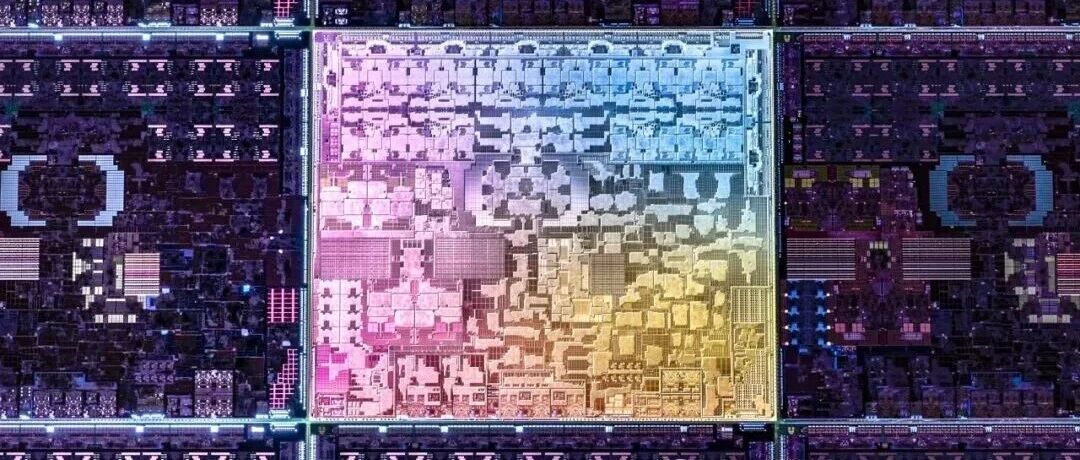
Core Viewpoint - Apple's M series processors have revolutionized the computing industry, showcasing the potential of ARM architecture and significantly enhancing performance and energy efficiency over Intel chips [1][3]. Group 1: Origin of M Chips - Apple transitioned from Intel to its own M series chips starting in 2020, ending a long-standing partnership that began in 2006 [3]. - The decision to move away from Intel was not taken lightly, as Apple had a strong relationship with Intel, but prior experience in chip development for iPhone and iPad gave Apple the confidence to create its own Mac processors [3][5]. Group 2: Development Process - The development of the M series chips involved extensive collaboration between hardware and software teams to ensure high performance and energy efficiency [5][6]. - The initial prototypes of the M1 chip exceeded expectations, particularly in battery life and performance, leading to a significant shift in user experience [6][7]. Group 3: Unified Architecture - The unified architecture of the M series integrates CPU, GPU, neural engine, and memory into a single chip, allowing for superior performance and efficiency [7][10]. - This architecture enables developers to operate without the limitations of traditional hardware setups, enhancing the overall computing experience [8][10]. Group 4: Impact on AI - The M series chips include a neural network engine from the start, positioning them as powerful tools for AI tasks, which has become increasingly relevant in recent years [11][13]. - The design of the neural network engine allows for energy-efficient processing of AI-driven tasks, enhancing the capabilities of applications [13]. Group 5: Market Transformation - The shift to M series chips has not only transformed Apple's product line but has also forced competitors like AMD and Intel to rethink their energy efficiency strategies [14][15]. - Apple's ability to offer high-performance computers at competitive prices has changed perceptions of the brand, making powerful technology accessible to a broader audience [15]. Group 6: User Experience - Users have reported significant improvements in workflow and performance with M series Macs, allowing for seamless video editing and multitasking without the need for separate devices [17][18]. - The integration of more onboard encoding and decoding cores has further enhanced the video editing experience, making it more efficient [18]. Group 7: Future Prospects - Apple continues to innovate with its M series chips, with expectations for further advancements in AI integration and potential new designs for MacBooks [20][22]. - The company is exploring the possibility of integrating cellular capabilities into Macs, which could redefine connectivity options for users [21][22].


苹果这颗划时代的芯片,走向何方?
半导体行业观察· 2025-12-25 01:32
Core Viewpoint - Apple's M series processors have significantly disrupted the computing industry, showcasing the potential of ARM architecture and leading to a re-evaluation of performance and efficiency standards in personal computing [1]. Group 1: Transition from Intel to M Series - Apple transitioned from Intel processors to its own M series chips starting in 2020, a decision influenced by years of collaboration with Intel and the need for greater control over performance and efficiency [2]. - The experience gained from developing chips for iPhone and iPad provided Apple with the confidence and knowledge necessary to create its own Mac processors [2]. Group 2: Development and Design Insights - The design of the M series chips was heavily influenced by Apple's experience with the iPad Pro, focusing on creating a powerful yet energy-efficient processor [4]. - The integration of Mac experts into the chip development process was crucial, allowing for a better understanding of user needs and system requirements [4]. Group 3: Performance and Efficiency - The M1 chip's performance exceeded expectations, particularly in battery life and energy efficiency, allowing for significant performance gains at lower power consumption levels [5][6]. - The unified architecture of the M series, which integrates CPU, GPU, and memory, has enabled developers to operate without the limitations of traditional hardware setups [7][9]. Group 4: Impact on the Industry - The shift to M series chips has transformed Apple's control over its hardware and software, allowing for a more cohesive and optimized user experience [14][15]. - Competitors like AMD and Intel have been forced to rethink their efficiency strategies in response to Apple's focus on performance per watt [15][24]. Group 5: User Experience and Workflow Changes - Users have reported significant improvements in their workflows, with M series Macs providing the necessary performance for demanding tasks without the need for separate desktop machines [18][19]. - The addition of dedicated video encoding and decoding cores in the M series has enhanced video editing capabilities, making it easier for users to handle complex tasks [19]. Group 6: Future Prospects - Apple is expected to continue innovating with its M series chips, with potential advancements in AI integration and new designs for Mac products [23][25]. - The ongoing development of the M series suggests that Apple will maintain its competitive edge in the computing market, with future iterations expected to deliver even greater performance improvements [21][22].
深度解析世界模型嵌入具身系统的三大技术范式
具身智能之心· 2025-12-24 00:25
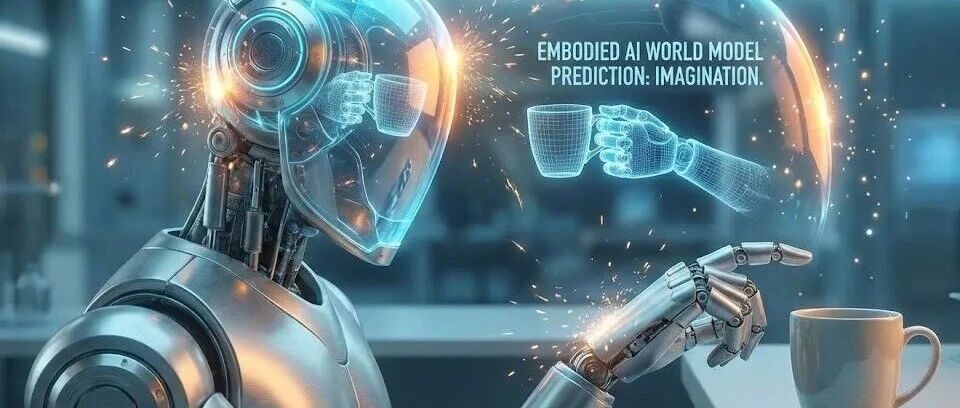
Core Insights - The article discusses the integration of world models into embodied intelligent systems, emphasizing the shift from reactive to predictive capabilities in these systems [1][3][8]. Summary by Sections Introduction to World Models - Embodied intelligent systems traditionally relied on a reactive loop of "perception-action" and lacked predictive capabilities. The introduction of world models allows these systems to "imagine" future scenarios [1][3]. Research Overview - A comprehensive survey from a research team including institutions like Tsinghua University and Harbin Institute of Technology categorizes existing research into three paradigms based on architectural integration [3][5]. Paradigm Classification - The relationship between world models (WM) and policy models (PM) is described as a "coupling strength spectrum," ranging from weak to strong dependencies [11]. - Three categories are identified: Modular, Sequential, and Unified architectures, each with distinct characteristics regarding gradient flow and information dependency [12]. Modular Architecture - In this architecture, WM and PM are independent, with no gradient flow between them. WM acts as a simulator, predicting future states based on current observations and candidate actions [16]. Sequential Architecture - This architecture involves two stages where WM predicts future states, and PM executes actions based on those predictions. It simplifies complex tasks into goal generation and goal-conditioned execution [17][18]. Unified Architecture - The unified architecture integrates WM and PM into a single end-to-end network, allowing for simultaneous training and optimization. This structure enables the system to predict future states and generate actions without explicitly separating simulation and decision-making [19][21]. Future Directions - The article outlines potential research directions, including the selection of representation spaces for world models, the generation of structured intentions, and the need for unified world-policy model paradigms to enhance decision-making efficiency [22][24].
智能体如何学会「想象」?深度解析世界模型嵌入具身系统的三大技术范式
机器之心· 2025-12-22 04:23
Core Insights - The article discusses the integration of world models into embodied intelligent systems, emphasizing the shift from reactive loops to predictive capabilities [2][10] - It highlights the importance of world models in enhancing sample efficiency, long-term reasoning, safety, and proactive planning in embodied agents [11][12] Summary by Sections Introduction to World Models - Embodied intelligent systems traditionally relied on a "perception-action" loop, lacking the ability to predict future states [2] - The introduction of world models allows agents to "imagine" future scenarios, enhancing their operational capabilities [10] Research Overview - A comprehensive survey from a research team involving multiple universities presents a framework for integrating world models into embodied systems [5][7] - The paper categorizes existing research into three paradigms based on architectural integration [5][14] Paradigm Classification - The relationship between world models (WM) and policy models (PM) is described as a "coupling strength spectrum," ranging from weak to strong dependencies [15] - Three categories are identified: Modular, Sequential, and Unified architectures, each with distinct characteristics [15][16] Modular Architecture - In this architecture, WM and PM operate as independent modules with weak coupling, focusing on causal relationships between actions and states [20] - The world model acts as an internal simulator, allowing agents to predict outcomes based on potential actions [20] Sequential Architecture - This architecture involves a two-stage process where WM predicts future states, and PM executes actions based on those predictions [21] - The world model generates a valuable goal, simplifying complex long-term tasks into manageable sub-problems [22][23] Unified Architecture - The unified architecture integrates WM and PM into a single end-to-end network, allowing for joint training and optimization [24][25] - This configuration enables the agent to anticipate future states and produce appropriate actions without explicitly separating simulation and decision-making [25] Future Directions - The article outlines potential research directions, including the representation space of world models, structured intent generation, and the balance between interpretability and optimality [27][28][29] - It emphasizes the need for effective alignment mechanisms to ensure performance while exploring unified world-policy model paradigms [29]