
美国对伊朗制裁

Search documents
从石油争端到军事摊牌:美国对伊朗制裁的世纪演化与地缘博弈
制裁名单· 2026-03-01 12:41
Core Viewpoint - The article discusses the complex geopolitical and economic dynamics of U.S. sanctions against Iran, which have evolved over more than half a century, significantly impacting the Middle East, international law, and global energy markets [1]. Group 1: Origins of Sanctions - The seeds of sanctions were planted during the early Cold War, particularly after the nationalization of Iran's oil industry by Prime Minister Mohammad Mossadegh in 1951, which threatened British interests [3]. - The U.S. initially adopted a neutral stance but later intervened through the CIA's Operation Ajax to overthrow Mossadegh, leading to a long-term U.S.-Iran alliance under the Shah, which ultimately fostered resentment among the Iranian populace [3]. Group 2: Turning Point - The 1979 Iranian Revolution marked a significant rupture in U.S.-Iran relations, with the new regime rejecting Western influence and leading to the U.S. Embassy hostage crisis, which lasted 444 days [4]. - President Jimmy Carter's response included freezing approximately $12 billion of Iranian assets in the U.S. and imposing a comprehensive trade and financial embargo, establishing a legal framework for future sanctions [4]. Group 3: Escalation of Sanctions - In the 1990s, following the Cold War, the U.S. began to systematize and legislate sanctions against Iran, with the introduction of the Iran Trade Regulations (ITR) in 1995, which nearly banned all U.S. trade and investment with Iran [5]. - The Iran Sanctions Act (ISA) of 1996 expanded sanctions to non-U.S. entities, introducing secondary sanctions that penalized foreign companies investing in Iran's oil sector, thereby globalizing U.S. legal authority [6]. Group 4: Peak of Sanctions - During the Obama administration, sanctions became more multilateral and targeted, with the 2010 Comprehensive Iran Sanctions, Accountability, and Divestment Act leading to significant reductions in Iranian oil imports by major economies [8]. - The expulsion of Iranian banks from the SWIFT system in 2012 severely isolated Iran from the international financial system, contributing to economic distress and ultimately leading to the 2015 Joint Comprehensive Plan of Action (JCPOA) [8]. Group 5: Globalization of Sanctions - The U.S. sanctions have inspired a Western-led global sanctions network, with the EU, UK, and Canada implementing their own sanctions that align with U.S. objectives, particularly in areas like nuclear and missile technology [10][11]. - These sanctions create a compliance environment that deters international businesses from engaging with Iran, amplifying the impact of U.S. sanctions [11]. Group 6: Recent Developments - The Trump administration escalated sanctions to new heights, employing a strategy of economic pressure, diplomatic coercion, and military deterrence, including threats of high tariffs on countries importing Iranian goods [12][14]. - The military action "Operation Epic Fury" in 2026 marked a shift in sanctions from punitive measures to a comprehensive strategy that integrates economic warfare with military options [14]. Group 7: Legacy and Future Challenges - The historical effectiveness of sanctions is complex; while they have weakened Iran's economy and limited its nuclear ambitions, they have also strengthened the Iranian regime's narrative of resistance and led to significant suffering among the populace [15]. - The future efficacy of sanctions will depend on the U.S.'s ability to maintain its financial dominance and the extent to which major powers like China and Russia engage with or resist the sanctions framework [15].

美国财政部公布新一轮涉伊朗制裁名单
Zhong Guo Xin Wen Wang· 2026-02-26 00:23
Group 1 - The U.S. Department of the Treasury's Office of Foreign Assets Control (OFAC) updated the "Specially Designated Nationals List" on February 25, implementing sanctions against multiple individuals, entities, and vessels related to Iran [1][2] - The sanctions target four Iranian nationals associated with the Iranian aviation industry, as well as several shipping and trading companies located in Iran, Turkey, the UAE, Panama, the Marshall Islands, and Liberia, which are involved in Iran's oil and liquefied gas transportation network [2] - Multiple oil tankers and liquefied gas carriers have also been included in the sanctions list [2]
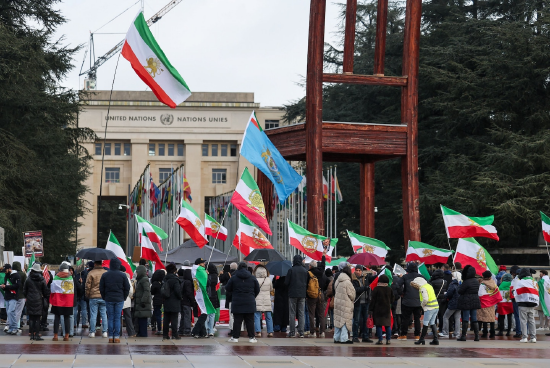
伊朗外交部说任何对伊攻击都将被视作侵略并承担后果
Xin Hua She· 2026-02-23 13:43
Core Viewpoint - Iran's Foreign Ministry spokesperson emphasized that any attack on Iran would be considered aggression and would have consequences, highlighting the country's vigilance amid ongoing diplomatic negotiations [1] Group 1: Diplomatic Negotiations - Iran is willing to engage in negotiations for several days or weeks but believes that prolonging the process is unproductive [1] - The goal of the negotiations is to achieve results, particularly in light of the sanctions pressure faced by the Iranian people [1] - A new round of talks between the U.S. and Iran is scheduled for June 26 in Geneva, as confirmed by Oman's Foreign Minister [1] Group 2: Military Posture - Iran's armed forces are on high alert while diplomatic talks are ongoing, indicating a dual approach of negotiation and readiness for potential conflict [1] - The U.S. has been amassing military forces in the Middle East, and President Trump has acknowledged considering "limited military strikes" against Iran [1] Group 3: Progress in Negotiations - Both U.S. and Iranian officials reported progress in the second round of indirect talks held on June 17, despite existing differences [1]
美伊在大规模军事部署背景下举行核谈判
Xin Lang Cai Jing· 2026-02-17 16:58
Core Viewpoint - The recent nuclear negotiations between the U.S. and Iran in Geneva are critical, focusing on limiting Iran's nuclear program in exchange for the lifting of severe U.S. sanctions, amidst rising tensions and military presence in the region [3][4][5]. Group 1: Negotiation Details - The U.S. seeks to restrict Iran's nuclear weapons development, while Iran demands the removal of U.S. sanctions [3][4]. - The discussions lasted over three hours, with Iranian Foreign Minister Abbas Araghchi stating that the talks were more serious than previous ones, but significant gaps remain between the two sides [3][12]. - A third round of negotiations is planned, contingent on the drafting and exchange of proposals, though no date has been set [3][12]. Group 2: Military Context - The U.S. has increased its military presence in the Middle East, deploying a second aircraft carrier strike group to the region, which raises the stakes if negotiations fail [5][14]. - Iran has conducted military exercises in the Strait of Hormuz, demonstrating its capability to block this critical oil passage [3][5]. - Iranian leadership has issued threats regarding U.S. naval assets in the Persian Gulf, indicating a potential for direct military confrontation [7][16]. Group 3: Key Issues and Proposals - The core issue in negotiations remains uranium enrichment, with the U.S. maintaining a hardline stance against any enrichment activities [9][18]. - Iranian officials have suggested a willingness to compromise, including proposals to dilute high-enriched uranium and discussions on mutual interests in key minerals and energy sectors [9][18]. - The Iranian economy is under severe strain due to sanctions, which has led to widespread protests, emphasizing the urgency for a resolution [9][18].
【环球财经】美国针对伊朗实施新一轮制裁
Xin Hua She· 2026-01-24 01:34
Core Viewpoint - The U.S. Treasury Department has announced a new round of sanctions against Iran, targeting multiple companies and oil tankers related to the oil and gas sector [1] Group 1: Sanctions Details - The updated sanctions list includes 8 entities and 9 oil tankers, with many of the entities' addresses located outside of Iran [1] - Prior to this, on January 15, the U.S. Treasury imposed sanctions on 11 individuals and 13 entities, including Ali Larijani, the Secretary of Iran's Supreme National Security Council [1] Group 2: Context and Reactions - Recent unrest in Iran has resulted in casualties among both civilians and law enforcement, prompting U.S. threats of military intervention [1] - Iranian President Ebrahim Raisi has claimed that the recent unrest is part of a series of conspiracies by the U.S. and Israel [1] - U.S. President Donald Trump stated on January 22 that the U.S. is mobilizing military forces towards Iran, with several vessels heading in that direction [1]
美国针对伊朗实施新一轮制裁
Xin Hua She· 2026-01-23 22:31
Core Viewpoint - The U.S. Treasury Department announced a new round of sanctions against Iran, targeting multiple companies and oil tankers related to the oil and gas sector [1] Group 1: Sanctions Details - The updated sanctions list includes 8 entities and 9 oil tankers, with many entities having addresses outside of Iran [1] - Prior sanctions were imposed on 11 individuals and 13 entities, including Ali Larijani, the Secretary of Iran's Supreme National Security Council [1] Group 2: Context and Reactions - Recent unrest in Iran has resulted in casualties among civilians and law enforcement, prompting U.S. threats of military intervention [1] - Iranian President Ebrahim Raisi claimed that the recent unrest is part of a series of conspiracies by the U.S. and Israel [1] - U.S. President Donald Trump stated that the U.S. is mobilizing military forces towards Iran, with many vessels heading in that direction [1]
美国宣布对与伊朗相关实体及油轮实施新一轮制裁
第一财经· 2026-01-23 16:07
Core Viewpoint - The article discusses the recent sanctions imposed by the U.S. Treasury Department on multiple entities and vessels associated with Iran's energy and shipping sectors, particularly targeting those that assist in the export of Iranian oil, energy, and derivatives [1]. Group 1: Sanctions Details - The sanctions specifically target several shipping companies and their affiliated vessels, with assets under U.S. jurisdiction being frozen [1]. - U.S. individuals and entities are prohibited from engaging in any transactions with the listed entities [1]. - The sanctions also apply to any affiliated companies that are directly or indirectly owned 50% or more by the listed entities, thereby broadening the compliance constraints [1]. Group 2: Impact on Shipping - The sanctioned vessels primarily include oil tankers and cargo ships, which the U.S. identifies as playing a critical role in Iran's restricted energy trade [1].

美国将多艘船只和实体列入伊朗制裁名单
Xin Lang Cai Jing· 2026-01-23 15:55
Core Viewpoint - The U.S. Department of the Treasury has imposed sanctions on eight entities and nine vessels associated with Iran, updating the sanctions list through the Office of Foreign Assets Control [1] Group 1: Sanctions Details - The newly sanctioned vessels include: Al Diab II, Aqua Spirit, Avon, Cesaria, Chiron 5, Eastern Hero, Keel, Longevity 7, and Sea Bird [1] Group 2: Military Movements - Former President Trump stated that U.S. military forces are being deployed towards Iran [1]
美国对伊朗又一轮新制裁,制裁伊朗相关油轮
Xin Lang Cai Jing· 2026-01-23 15:50
Core Viewpoint - The U.S. Department of the Treasury's Office of Foreign Assets Control has announced a new round of sanctions targeting entities and vessels associated with Iran's energy and shipping sectors, focusing on those aiding the export of Iranian oil, energy, and derivatives [1] Group 1: Sanctions Details - The sanctions include multiple shipping companies and their affiliated vessels, with assets under U.S. jurisdiction being frozen [1] - U.S. individuals and entities are prohibited from engaging in any transactions with the listed entities [1] - The sanctions also apply to affiliated companies that are directly or indirectly owned 50% or more by the listed entities, expanding the compliance constraints [1] Group 2: Impact on Shipping - The sanctioned vessels primarily consist of oil tankers and cargo ships, which are deemed to play a critical role in Iran's restricted energy trade [1]
伊朗总统:袭击最高领袖等同“发动全面战争”
Xin Hua She· 2026-01-18 16:43
Core Viewpoint - The Iranian President, Ebrahim Raisi, stated that an attack on Supreme Leader Ali Khamenei is equivalent to a declaration of total war against the Iranian people [1] Group 1 - The Iranian President attributed the hardships faced by the Iranian people primarily to the long-standing hostile attitude and inhumane sanctions imposed by the U.S. government and its allies [1]