美妆出海

Search documents
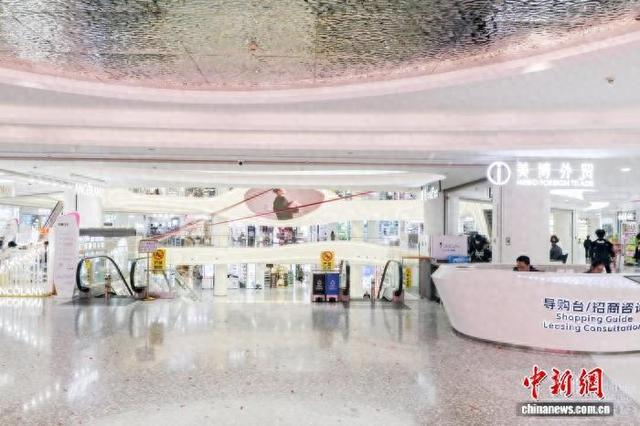
广州新增海外美妆选品中心 助力中国美妆品牌数智化出海
Zhong Guo Xin Wen Wang· 2025-12-03 12:48
Core Insights - Chinese domestic beauty brands are experiencing significant growth in reputation and sales, accelerating their international expansion efforts [1][2] - A global beauty selection center has been established in Guangzhou to optimize the entire process of beauty products going overseas, aiming to become a key hub linking domestic and international beauty markets [1] Group 1: Industry Developments - The Guangzhou Beauty Expo City, a partner in the initiative, has gathered 2,000 merchants since its opening in 2003, covering the entire supply chain of ten major beauty categories, with exports reaching 30 million RMB [2] - The center has been approved as the first national procurement trade pilot for the beauty market, facilitating one-stop export services for goods under $150,000 [2] Group 2: Market Trends - Popular subcategories for beauty exports include medical beauty devices, perfumes, and skincare products, with traditional Chinese medicine beauty products and related machinery also showing growth [2] - The international beauty export sector has maintained rapid growth on platforms like Alibaba International, with Europe and the U.S. as core markets, while markets in Belt and Road Initiative countries are also showing potential [2] Group 3: Challenges and Solutions - The main challenge for beauty companies going overseas is product certification, which this collaboration aims to address by integrating various resources to create a comprehensive service system [2]

东南亚淘金路:美妆出海如何与不确定性共存
2 1 Shi Ji Jing Ji Bao Dao· 2025-11-24 10:20
Core Insights - The "lipstick effect" is still prevalent in Southeast Asia, with a projected growth rate of 4% to 5% for the cosmetics market by 2025 despite economic slowdowns in the region [1] - Chinese beauty brands are leveraging their cost-performance advantage to penetrate the Southeast Asian market, adapting their strategies to local consumer preferences [1][2] Group 1: Market Dynamics - Southeast Asian countries like Malaysia, Singapore, Thailand, Indonesia, and Vietnam are experiencing economic slowdowns, yet consumer spending remains robust [1] - E-commerce platforms such as Lazada, TikTok, and Shopee are highly competitive, with consumers becoming savvy in price comparison and timing their purchases around sales events [1] - The beauty market in Southeast Asia is still dominated by international brands, but there are gaps that Chinese brands can exploit by tailoring products to local tastes [2][3] Group 2: Local Adaptation - Local climate influences consumer preferences, with a focus on oil control, long-lasting wear, and sun protection in makeup products [3] - Cultural factors, such as religious requirements in countries like Indonesia and Malaysia, necessitate careful consideration of product ingredients and certifications [3] - The preferences of Southeast Asian consumers are similar to those of Chinese consumers, allowing for the replication of successful strategies from China [3] Group 3: Operational Challenges - Establishing a local presence is crucial for success, as relying solely on cross-border e-commerce limits growth potential [2][4] - Supply chain management poses challenges, with longer lead times required for inventory replenishment in Southeast Asia compared to domestic operations [5] - Building brand recognition and consumer loyalty in a new market is essential for long-term success, requiring effective marketing strategies [5] Group 4: Financial and Strategic Considerations - Currency fluctuations and geopolitical uncertainties present risks for companies operating in Southeast Asia, impacting profitability [6][7] - Companies are advised to diversify their market presence to mitigate risks associated with reliance on a single country [7] - Selecting reliable financial partners is critical for managing cross-border transactions and currency risks [10] Group 5: Future Outlook - The cosmetics export market from China is expected to grow, with a projected total export value of 36.905 billion yuan in 2024, reflecting a year-on-year increase of 14.11% [9] - The competitive landscape in the beauty industry is likely to consolidate, with only a few leading brands surviving in the long term [9] - Companies must develop strong international management capabilities to navigate the complexities of global markets [9]
44岁范冰冰出海:当旅游大使、做直播带货、打入屈臣氏
创业邦· 2025-09-11 10:12
Core Viewpoint - Fan Beauty Diary, founded by Fan Bingbing, has successfully expanded into the Southeast Asian market, achieving significant revenue growth and brand recognition within a year of its launch [6][18]. Group 1: Brand Expansion and Revenue Growth - Fan Beauty Diary entered the Southeast Asian market through e-commerce platforms Lazada and TikTok, and later expanded to physical retail by entering Watsons stores in Malaysia [6][21]. - The brand achieved a revenue of 1.45 billion yuan in 2024, ranking 35th in the 2024 annual China Beauty Brand TOP100 list [18]. - The brand's GMV grew from 300 million yuan in 2021 to 850 million yuan in 2022, and exceeded 1.1 billion yuan in 2023 [18]. Group 2: Celebrity Influence and Marketing Strategy - Fan Bingbing's personal influence has been leveraged to promote Fan Beauty, with her social media presence significantly contributing to brand visibility [17][15]. - The brand's marketing strategy includes collaborations with popular influencers and participation in live-streaming events, enhancing its reach in the competitive beauty market [19][21]. - Fan Bingbing's social media following includes 62 million on Weibo, 17 million on Xiaohongshu, and 11 million on Douyin, providing a substantial platform for brand promotion [15]. Group 3: Profit Margins and Cost Structure - The production cost of a typical hydrating mask is often less than 2 yuan, while retail prices can range from 10 to over 50 yuan, resulting in gross margins exceeding 70% for many brands [23][22]. - Fan Beauty operates with minimal R&D investment, relying on established OEM/ODM manufacturers for product development, which allows for high-profit margins [22][25]. - The brand's business model, which capitalizes on Fan Bingbing's celebrity status, raises questions about sustainability in the absence of her influence [25].