
美欧贸易争端

Search documents
放弃反击?欧盟挨了美国一巴掌,谈判全白搭,冯德莱恩:推迟反制
Sou Hu Cai Jing· 2025-07-16 08:57
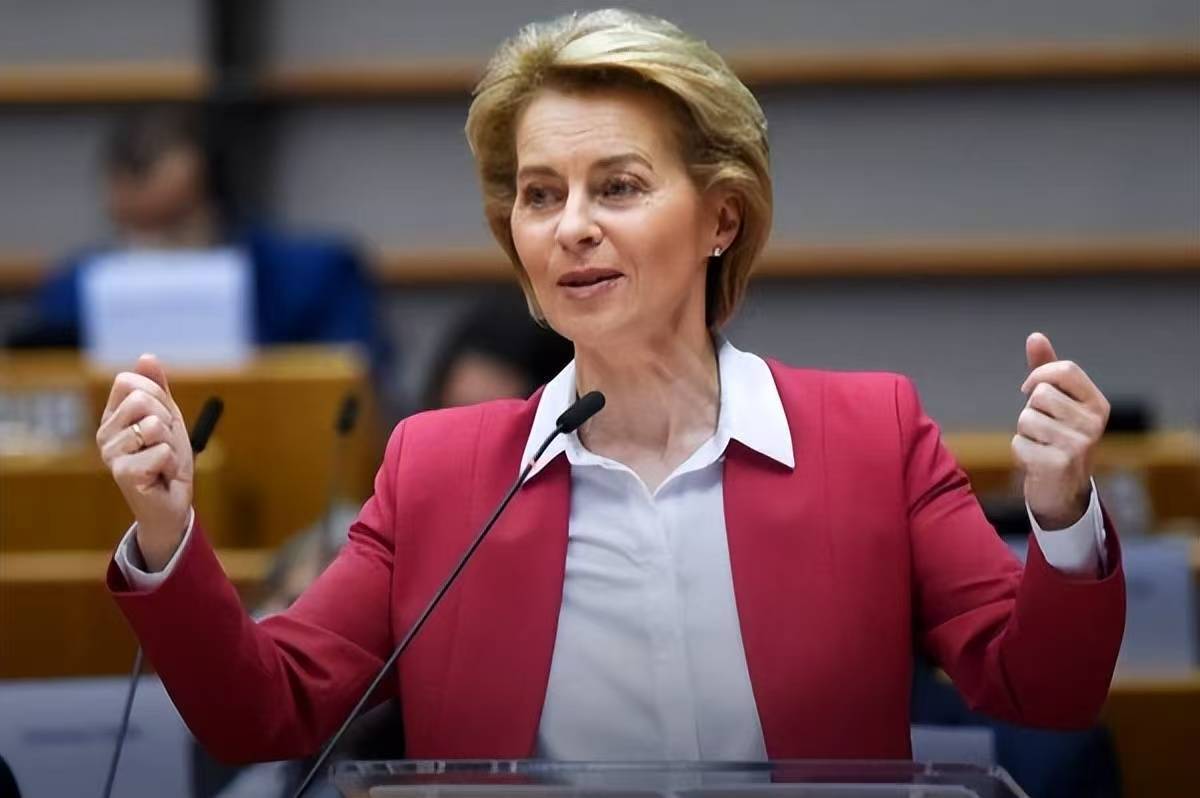
Core Points - The announcement of a 30% tariff on EU goods by the US starting August 1 has escalated tensions in US-EU trade relations [1][3] - The long-standing trade disputes between the US and EU have seen the US impose various tariffs, including a 50% tariff on EU steel and aluminum, and a 25% tariff on automobiles [3] - The impact of the new tariff is expected to significantly affect the EU economy, particularly in the automotive and pharmaceutical sectors, with Germany and Ireland being the most vulnerable [3][5] Group 1 - The 30% tariff is projected to increase costs for EU companies by billions of dollars, threatening the survival of many businesses [3] - Germany's exports to the US account for 22.7% of its total exports, while Ireland's pharmaceutical exports represent 55% of its total exports, indicating a high dependency on the US market [3] - The EU as a whole relies on the US for 20.6% of its total exports, making it particularly susceptible to US tariff actions [3] Group 2 - The EU's internal response to the US tariffs is mixed, with some leaders advocating for immediate countermeasures while others prefer to negotiate [5] - EU Commission President von der Leyen has delayed the implementation of countermeasures to allow for more negotiation time, while French President Macron has called for a robust response if no agreement is reached [5] - The US claims that EU tariffs and non-tariff barriers have led to a significant trade deficit, but experts warn that the tariffs could also harm the US economy and consumers [5][7] Group 3 - The upcoming negotiations between the US and EU are critical, with the August 1 deadline approaching [7] - The EU must unify its internal positions to effectively negotiate and protect its interests, while the US should recognize that trade wars yield no winners [7] - The global community is closely watching the developments in US-EU trade relations [7]

特朗普欺人太甚,欧盟难得强硬:给美国5天时间,不然就反制
Sou Hu Cai Jing· 2025-07-14 16:42
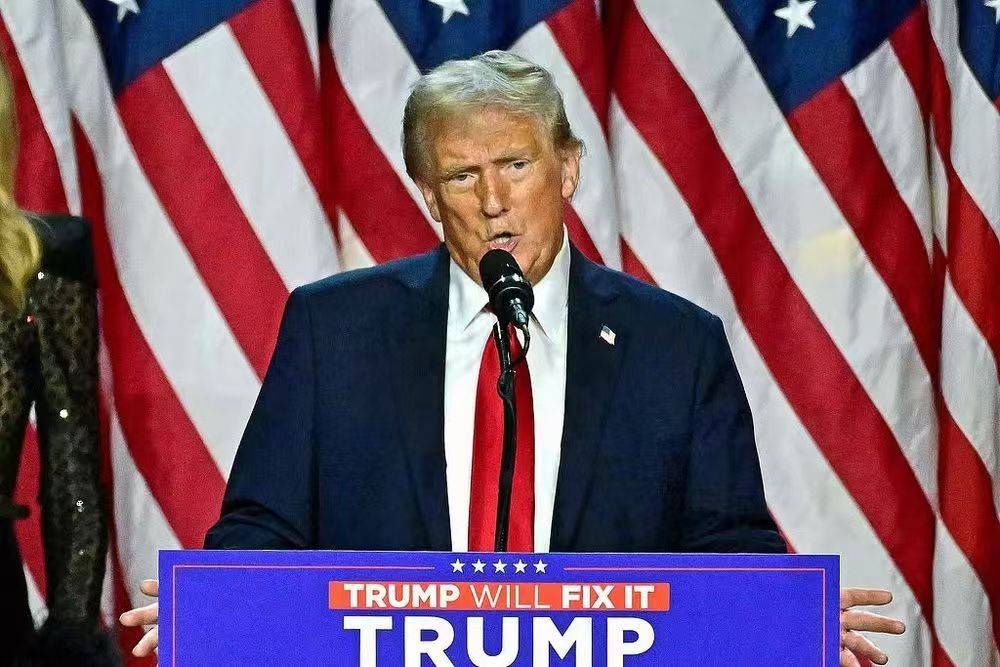
Core Viewpoint - Trump's announcement of a 30% tariff on goods imported from the EU starting August 1 has escalated tensions in US-EU trade relations, which were already strained [1][3]. Trade Deficit and Tariff Justification - The US has a significant trade deficit with the EU, amounting to $235.6 billion in 2024, a 12.9% increase from 2023 [3]. - Trump views this trade deficit as detrimental to the US economy and aims to reverse it through tariffs, citing EU tariffs and non-tariff barriers as key factors [3]. US Strategic Intent - The US aims to use trade pressure to reinforce its global economic dominance, seeking concessions from the EU in trade negotiations to reshape the global economic order in its favor [3]. EU's Initial Compromise and Current Stance - Initially, the EU showed willingness to compromise, suspending digital taxes on US tech giants and delaying retaliatory measures [3]. - However, in response to Trump's latest tariff threat, the EU has adopted a tougher stance, with leaders emphasizing the need to protect transatlantic supply chains and consumer interests [5][6]. EU's Potential Retaliation - The EU is prepared to impose tariffs on $210 billion worth of US products, with potential increases up to 50% [5]. - This indicates a firm resolve from the EU to not easily concede in the ongoing trade dispute [5]. Internal EU Dynamics - Internal divisions within the EU regarding trade policy have been highlighted, with some countries advocating for quick agreements to protect key industries like automotive, while others resist US pressure [6]. Economic Impact of Trade War - A potential trade war could severely impact both economies, with rising import costs for the US and reduced orders and profits for EU exporters [8][9]. - The trade conflict could disrupt global trade order and diminish international trade investment confidence, affecting global economic stability [9]. Future Outlook - The current phase is characterized by tense negotiations, with the possibility of a trade war looming if no agreement is reached before August 1 [9]. - The outcome of this trade dispute is anticipated to have significant implications for the global economic landscape [9].
德国财长呼吁在美欧关税争端中保持冷静
news flash· 2025-05-25 09:02
Core Viewpoint - German Finance Minister Lars Klingbeil emphasizes the need for restraint in the escalating trade dispute between the EU and the US, advocating for serious negotiations instead of provocations [1] Group 1: Trade Dispute Context - Klingbeil has discussed the trade issue with US Treasury Secretary Scott Bessent, highlighting the mutual threats posed by US tariffs to both the US and European economies [1] - The trade conflict is described as harmful to all parties involved, necessitating a swift resolution [1] Group 2: Market Reactions - The statement from US President Donald Trump regarding a potential 50% tariff on EU imports, effective June 1, has led to significant declines in stock markets on both sides of the Atlantic [1]
经济热点问答|美方威胁对欧盟征收高关税意欲何为?
Xin Hua She· 2025-05-24 11:41
Core Viewpoint - The U.S. President Trump has threatened to impose a 50% tariff on imports from the European Union (EU) starting June 1, significantly higher than the previously announced 20% tariff, leading to strong discontent from the EU and renewed market volatility [1][4] Group 1: U.S. Position - Trump expressed dissatisfaction with the progress of U.S.-EU trade negotiations, stating that the EU is "difficult to deal with" and that there has been "no progress" [1] - U.S. Treasury Secretary Mnuchin indicated dissatisfaction with the proposals from the EU, highlighting issues with collective action among EU member states [1][2] - Analysts suggest that the U.S. government believes the EU has been benefiting disproportionately in the U.S.-EU relationship, with Trump accusing the EU of unfair trade practices leading to a significant trade deficit for the U.S. [2] Group 2: EU Response - The EU has reacted strongly to the tariff threat, with officials stating they will defend their interests and emphasizing that any trade agreement must be based on mutual respect [3] - EU Trade Commissioner Šefčovič affirmed the EU's commitment to a beneficial agreement while preparing to protect its interests [3] - European Parliament's International Trade Committee Chairman Lange stated that the EU will not make concessions on key issues and is open to cooperation only if the U.S. seeks genuine negotiation [3] Group 3: Market Impact - The renewed tariff threat has caused significant declines in European stock indices, with major indices dropping over 2%, and U.S. stock indices also experiencing declines [5] - The U.S. government's tariff threat is expected to increase domestic inflation and product shortages, potentially slowing U.S. economic growth by at least 0.2 percentage points [6] - The imposition of high tariffs could severely impact EU industries such as automotive, machinery, aerospace, chemicals, and pharmaceuticals, with estimates suggesting a 20% decline in EU exports to the U.S. in the short term [6]
COMEX黄金回升 欧盟释放重磅信号弹
Jin Tou Wang· 2025-05-09 09:34
Core Insights - The European Commission has signaled a potential retaliation against the U.S. with tariffs on U.S. goods worth up to €95 billion (approximately $107.2 billion) if trade disputes are not resolved through negotiations, marking a significant escalation in transatlantic trade tensions [3] Group 1: Trade Relations - The proposed retaliation by the EU represents the highest value of countermeasures against the U.S. in history, indicating a severe test for transatlantic trade relations in the last twenty years [3] - The EU's retaliation list targets strategically significant and economically sensitive U.S. products, including bourbon whiskey and wine, which are emblematic of American culture [3] - The list also includes U.S. industrial products such as aircraft, automobiles, and chemical products, highlighting ongoing disputes between Boeing and Airbus [3] Group 2: Economic Strategy - The EU's retaliation strategy is designed to ensure effective countermeasures while minimizing adverse impacts on the EU's own economy [3] - The inclusion of healthcare products and electrical equipment in the retaliation list reflects a dual strategy of offense and defense in the trade conflict [3]