
股市抛售

Search documents
It Looks Very Bleak for Stock Markets: 3-Minutes MLIV
Youtube· 2026-03-13 11:06
Market Sentiment - The current sentiment in the stock market is bearish, with a growing concern that stocks are complacent regarding geopolitical tensions, particularly in the context of the ongoing war [1][4] - There is skepticism about bullish arguments, which are seen as based on assumptions that do not align with the current geopolitical landscape, particularly regarding Iran's actions in the Strait of Hormuz [2][3] Geopolitical Impact - The closure of the Strait of Hormuz by Iran is viewed as a significant disruption to the global economy, with little incentive for Iran to reopen it without substantial concessions [2][4] - The market appears to be pricing in an imminent resolution to the geopolitical tensions, largely based on the assumption that political leaders, such as President Trump, will prioritize market stability [3][4] Investment Strategies - Investors are advised to rethink their strategies in light of the current turmoil, as traditional approaches are failing to yield positive results [5] - The U.S. dollar is identified as the primary safe haven amidst the crisis, with expectations that it will continue to strengthen despite previous bearish sentiments [6][7] Future Outlook - The outlook remains bleak, with no clear resolution in sight for the geopolitical issues affecting the market, particularly the flow of oil through the Strait of Hormuz [4][8] - There is a belief that any potential recovery in the market will depend on the reopening of the Strait, which requires ambitious assumptions that are currently deemed unlikely [8]


Why this often-overlooked report on the state of the labor market contributed to Thursday's stock selloff
MarketWatch· 2025-11-06 18:31
Group 1 - Concerns regarding the job market have increased, leading to a renewed stock-market selloff [1]

凯投宏观:亚洲股市回调是对美股下跌的直接反映 对后续抛售加剧存疑
Ge Long Hui A P P· 2025-11-05 03:31
Core Viewpoint - The recent pullback in Asian stock markets appears to be a direct reaction to the decline in U.S. technology stocks, particularly affecting tech-heavy indices in Asia like the South Korean market [1] Group 1: Market Reaction - Asian markets, especially those dominated by technology, have shown strong performance recently, leading to larger losses when market sentiment shifts [1] - The potential for continued declines in Asian markets is questioned, particularly if U.S. tech stock sell-offs intensify [1] Group 2: Valuation Comparison - Despite the recent pullback, Asian valuations remain relatively low compared to the U.S., which may limit the downside potential for a global market downturn [1]
中国醒来,世界已在狂欢
Sou Hu Cai Jing· 2025-09-18 22:32
Group 1 - The US stock market indices (S&P 500, Nasdaq 100, Dow Jones, Russell 2000) reached historical highs, a rare occurrence that has only happened 25 times this century [2] - The US dollar index rebounded for the second consecutive day, while gold prices fell significantly, dropping a total of $60 over two days [3] - The market is currently pricing in a combination of interest rate cuts and no economic recession, although this scenario may be overly optimistic [4] Group 2 - There is a risk accumulation as both the dollar and US Treasury yields rise; if the 10-year Treasury yield surpasses 4.2%-4.3%, it could trigger a stock market sell-off [5] - Investors are reacting to Federal Reserve Chair Jerome Powell's comments, with an increased probability of rate cuts in 2025 and a decreased probability in 2026 [5] - An important phone call is anticipated at 21:00 Beijing time, which may influence market sentiment [6] Group 3 - The report highlights potential future movements in various markets, including the RMB, A-shares, gold, US stocks, oil, and Bitcoin, with precise target points for the next 1 to 3 years [7][9] - There is a discussion on the paradox of a slowing economy alongside a soaring stock market, suggesting that the market is pricing in an unrealistic scenario [9] - An exclusive operational manual is provided, indicating when to enter or exit positions in US stocks, US Treasuries, the dollar, and gold [9]
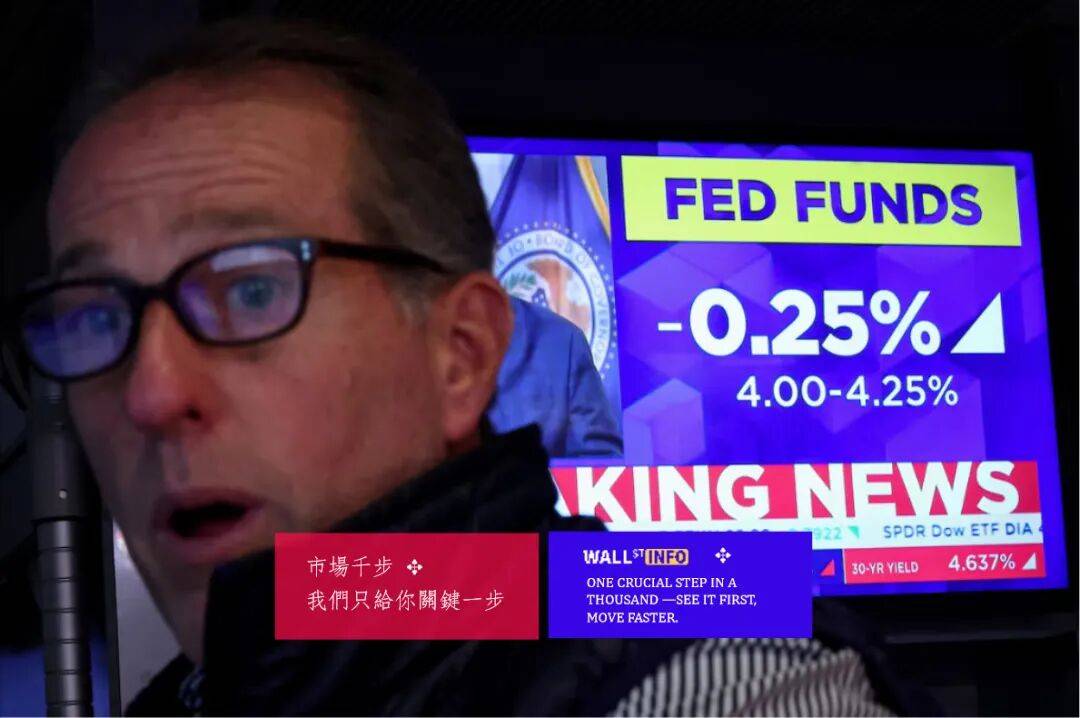
以色列股市抛售潮已持续至第六个交易日
Ge Long Hui A P P· 2025-09-17 14:37
Core Viewpoint - The Israeli stock market is experiencing a sell-off that has lasted for six consecutive trading days, marking the longest decline in 18 months, driven by investor concerns over the economic impact of the Gaza conflict [1] Group 1: Market Performance - The Tel Aviv Stock Exchange's TA-35 index fell by 1.8%, resulting in a cumulative decline of 4.3% since September 9 [1] - Despite the ongoing withdrawal of stock investors from the market, the Israeli shekel and US dollar bonds have shown little volatility [1] Group 2: Trade Relations - The European Commission proposed to suspend Israel's preferential trade treatment, meaning Israel will face the same tariff rates as countries without trade agreements with the EU [1] Group 3: Political Context - Israeli Prime Minister Benjamin Netanyahu acknowledged the country's isolation and emphasized the need to rely on its own resources to withstand potential sanctions [1]