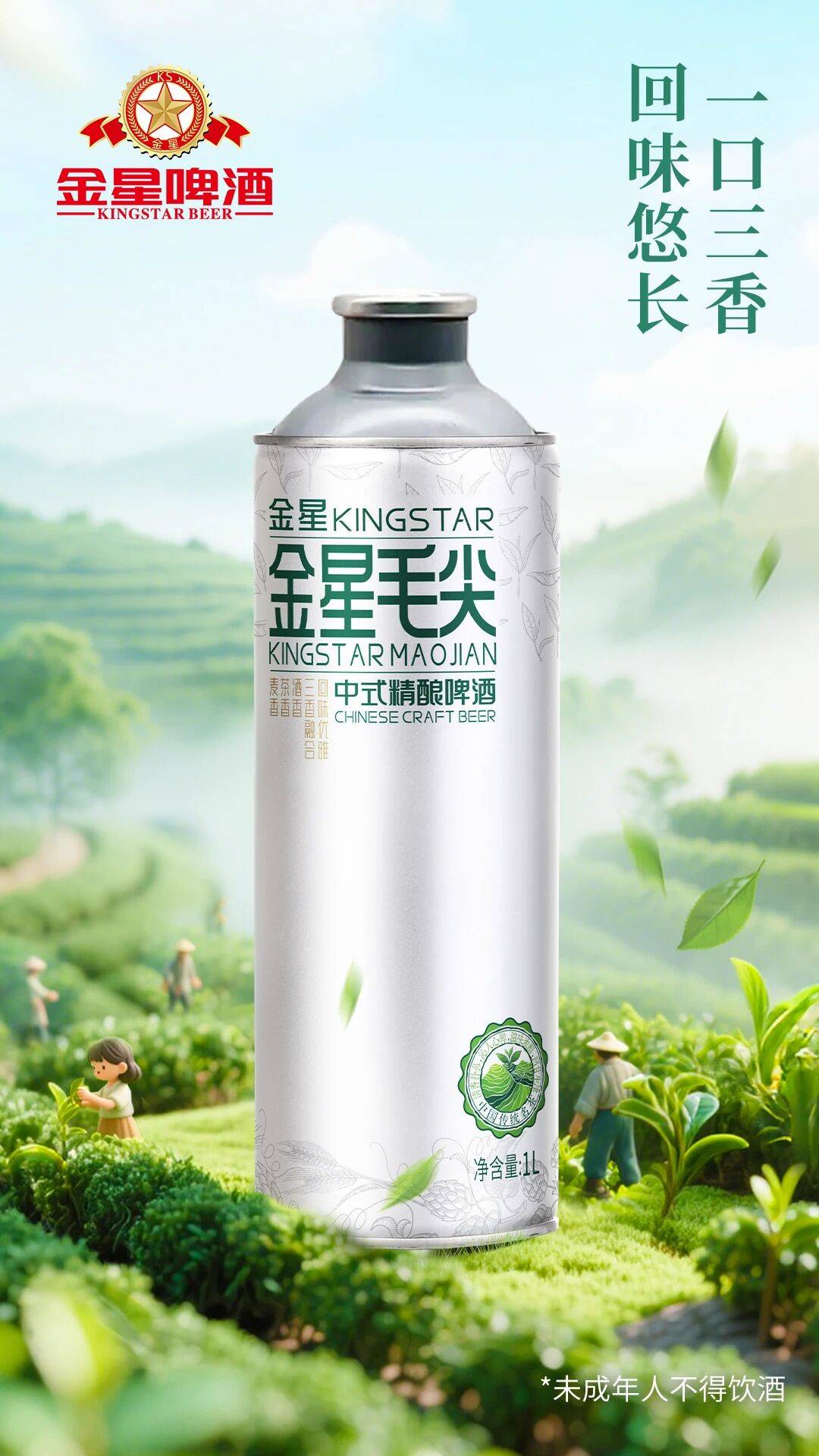
茶啤

Search documents
押中“中式精酿”风口,河南老厂金星啤酒年赚超3亿,如今要去港股上市
Sou Hu Cai Jing· 2026-01-14 10:44
Core Viewpoint - The launch of "Zhongshi Craft Beer" by Jin Xing Brewery has revitalized the sluggish beer market, positioning the company for a potential IPO on the Hong Kong Stock Exchange, making it the first "Zhongshi Craft Beer" stock if successful [1][6]. Company Overview - Jin Xing Brewery, established in 1982, has a production capacity of 2 million tons annually, making it the largest in Henan province, with 15 production bases across 9 provinces [7]. - The company has recently shifted its focus to "Zhongshi Craft Beer," which incorporates local tea flavors, significantly contributing to its revenue [8]. Product and Revenue Insights - The introduction of "Zhongshi Craft Beer" in August 2024, particularly the "Maojian Beer," has led to a rapid increase in sales, with 166 SKUs available as of September 30, 2025, and 50 of those being craft beer variants contributing 78.1% of revenue [8]. - The retail revenue growth rate from 2022 to 2024 is 23.7%, making Jin Xing Brewery one of the fastest-growing companies among the top ten in the industry [8]. Financial Performance - Revenue surged from 356 million yuan in 2023 to 1.11 billion yuan in the first nine months of 2025, with net profit increasing from 12.2 million yuan to 305 million yuan during the same period [9]. - The gross margin improved from 27.3% to 47%, and net margin rose from 3.4% to 27.5% [9]. Market Position and Competition - The craft beer segment in China is experiencing rapid growth, with a compound annual growth rate of 38.4% from 2019 to 2024, projected to reach 182.1 billion yuan by 2029 [13]. - Jin Xing Brewery holds a 14.6% market share in the flavor craft beer segment, but faces increasing competition as larger companies enter the market with similar products [15]. Strategic Challenges - The company must navigate the challenges of maintaining its unique regional characteristics and product differentiation in a competitive landscape, as well as transitioning from a single product model to a diversified product matrix [15]. - The recent trademark disputes and market saturation highlight the need for Jin Xing Brewery to strengthen its brand and product innovation strategies [12][15]. Future Outlook - The ability of Jin Xing Brewery to convert its current growth momentum into long-term brand equity and support its valuation expectations in the Hong Kong market will be critical for its future success [16].

百威喜力鏖战中国:啤酒生意,要重做一遍
2 1 Shi Ji Jing Ji Bao Dao· 2025-12-05 12:22
Core Insights - The Chinese beer market is undergoing significant changes, with local brands showing resilience and growth while international brands face challenges [2][3][5] - The industry is shifting from a focus on high-end products to a more diverse range of offerings, including lower-priced options and innovative flavors [31][37][38] Industry Overview - The beer industry in China has entered a phase of stock competition, with production levels at about 70% of their peak [3] - The latest statistics show a 1% year-on-year decline in beer production in October, with cumulative production growth for the first ten months at 0% [3] Brand Performance - Domestic brands like Tsingtao, Yanjing, and Zhujiang have reported growth in revenue, profit, and sales, while international brands like Budweiser and Carlsberg are experiencing declines [3][11] - Budweiser's performance in China has been disappointing, with a projected decline in revenue, profit, and sales for three consecutive years [11][12] Market Dynamics - The shift in consumer preferences has led to a decline in the night-time economy, affecting high-end brands that previously thrived in this channel [5][24] - Heineken has successfully leveraged local partnerships to expand its market presence, achieving significant sales growth in recent years [13][25] Strategic Initiatives - Budweiser is attempting to adapt by focusing on lower-priced products and expanding its presence in non-drinking channels [31][33] - Heineken's strategy includes entering various retail channels and enhancing its marketing efforts to resonate with local consumers [28][29] Consumer Trends - Chinese consumers are increasingly open to innovative beer flavors, with tea-infused beers gaining popularity [37][38] - The market is seeing a shift towards non-alcoholic and low-alcohol products, although these remain niche compared to traditional beer consumption [37][38]




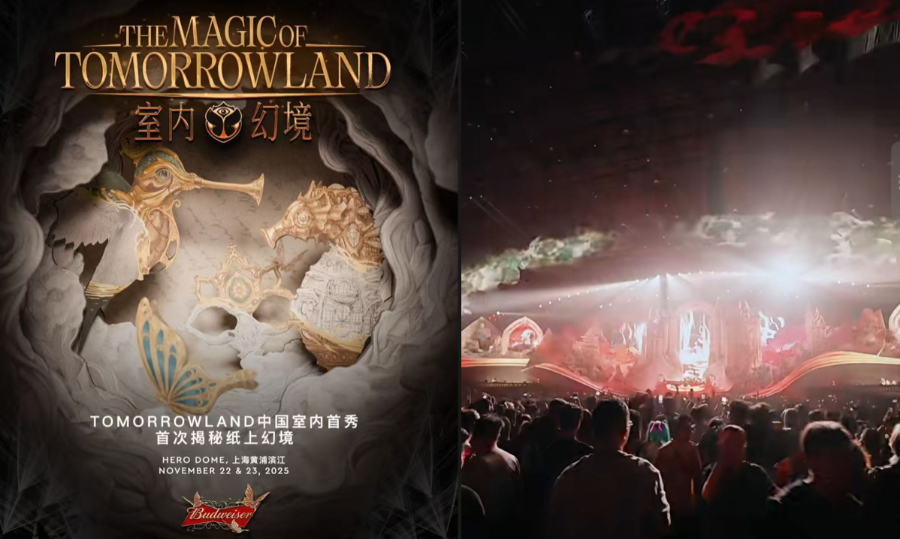
百威喜力鏖战中国:啤酒生意,要重做一遍|跨国酒企变局2025
2 1 Shi Ji Jing Ji Bao Dao· 2025-12-05 12:13
Core Insights - The beer industry in China is undergoing significant changes, with multinational companies needing to adapt to a rapidly evolving market where traditional strategies are no longer effective [1][4][24] - Domestic brands are showing strong recovery, while international brands are experiencing mixed results, highlighting a shift in consumer preferences and market dynamics [3][10][17] Industry Overview - The Chinese beer market has entered a phase of stock competition, with overall production capacity at about 70% of its peak [3] - In October, the production of beer by large-scale enterprises in China saw a year-on-year decline of 1%, with cumulative production growth for the first ten months remaining at 0% [2] Brand Performance - Domestic brands like Tsingtao, Yanjing, and Zhujiang have reported growth in revenue, profit, and sales, while international brands like Budweiser and Carlsberg are facing challenges [3][10] - Budweiser's performance in China has been declining for three consecutive years, with double-digit decreases in revenue, profit, and sales in the first three quarters of 2023 [9][10] Market Dynamics - The high-end beer market, traditionally dominated by Budweiser and Heineken, is facing pressure as the on-premise consumption channels weaken and new product categories emerge [4][25] - Heineken has successfully leveraged its partnership with China Resources to expand its market presence, achieving significant sales growth in recent years [10][20] Consumer Preferences - Chinese consumers are increasingly open to new beer categories and flavors, with a notable rise in interest for innovative products like tea-infused beers [32] - The shift in consumer behavior has led to a greater focus on non-on-premise channels, with 60% of beer sales now coming from retail channels [29] Strategic Adjustments - Budweiser is adjusting its strategy by focusing on its Harbin brand to capture growth opportunities in the 8-10 yuan price range, reflecting a broader trend of price adjustments in the industry [26][25] - Both Budweiser and Heineken are recognizing the need to enhance their presence in non-on-premise channels and adapt to changing consumer preferences [28][29]

1300亿!中国啤酒大变局
Sou Hu Cai Jing· 2025-08-19 03:53
Core Insights - The craft beer segment in China is experiencing rapid growth, contrasting with the decline in traditional industrial beer production and sales [4][11][12] - The introduction of innovative flavors, particularly tea-infused beers, has captured consumer interest and expanded the market [8][10][20] - The younger generation, especially women, is driving the demand for craft beer, leading to a shift in consumption patterns [15][19][20] Group 1: Market Dynamics - The craft beer market in China has surpassed 800 billion yuan in 2024, with a year-on-year growth rate exceeding 30% [10] - Traditional beer giants are facing challenges, with major brands like Budweiser and Tsingtao reporting significant declines in sales [11][12] - The overall beer production in China has decreased by 0.6% in 2024, marking a shift in consumer preferences towards craft beer [12] Group 2: Consumer Trends - The Z generation (ages 18-24) is becoming the core consumer group for craft beer, with a notable increase in female consumers [15][17] - Female consumers now account for 55% of the craft beer market, with a preference for fruity and tea-flavored options [19] - The demand for quality and health-conscious products is reshaping consumer expectations, moving away from low-cost industrial beers [20][21] Group 3: Industry Innovations - The introduction of tea-infused beers, such as Jin Xing's tea beer, has opened new avenues for flavor innovation in the craft beer sector [8][9] - Major breweries are entering the craft beer space, with companies like Tsingtao and China Resources Beer investing in new production facilities [28] - The craft beer segment is evolving from niche markets to mainstream consumption, with retail giants redefining craft beer as a fast-moving consumer good [28][29]