
茶行业标准化

Search documents
小罐茶创始人、董事长杜国楹:全面兑现系统能力
Jing Ji Guan Cha Wang· 2026-02-13 05:55
Core Insights - The company, Xiaoguan Tea, has launched the "Three Brewing Tea" product matrix strategy for 2025, focusing on three product forms: "brew it yourself, brew it for you, and no brewing needed," aiming to provide a comprehensive tea drinking solution from raw tea leaves to smart brewing machines and ready-to-drink tea beverages [1][2] - Xiaoguan Tea aims to break the consumption boundaries of tea, transitioning from agricultural thinking to consumer goods thinking, and from cultural symbols to lifestyle [1] - The company has been a key player in standardizing the tea industry, participating in the formulation of the national standard for tea supply chain management in 2025 [1] - Xiaoguan Tea intends to transform its standardized practices into replicable industry norms to promote overall industry upgrades and support small tea enterprises in reducing costs and increasing efficiency through standardization [1] Product Strategy - The company adheres to a principle of using fast-moving consumer goods logic for channels and brand thinking for products [1] - In 2025, Xiaoguan Tea will enter the ready-to-drink tea market, targeting high-consumption areas like Guangdong and Beijing, focusing on convenience store channels and collaborating with instant retail platforms to quickly establish brand recognition [1][2] - A new series of brewed tea and a smart brewing machine will be launched in 2025 to simplify the tea brewing experience, positioning it as an "experience entry" for modern tea drinking scenarios [2] Market Trends - The consumer market in 2026 is expected to show trends such as a deepening of "rational self-pleasure," where consumers are willing to pay for products that enhance emotional value and quality of life [2] - There will be an increase in fragmented consumption demands, with needs permeating all time periods [2] - The younger generation seeks deeper participation and modern expression of local culture, moving beyond superficial recognition [2] - Xiaoguan Tea's strategy aligns with these trends, making 2026 a year for the company to demonstrate its systematic capabilities effectively to consumers [2]
潮流是风,共生是根:小罐茶用创新与价值共生定位未来“局内人”
Cai Jing Wang· 2025-12-29 12:18
Core Insights - The article discusses how small can tea brand is adapting to changing consumer habits while emphasizing cultural narratives behind tea drinking [1] - The brand has been recognized for its innovative approach and commitment to quality, winning the annual industry influence brand award [1] Group 1: Brand Strategy and Market Positioning - Small can tea aims to reshape traditional tea consumption by integrating it into modern lifestyles, addressing the pain points of traditional tea preparation [2][3] - The launch of the high-fragrance sugar-free tea product reflects the brand's response to consumer demands for convenience and flavor, appealing to younger demographics [2] - The introduction of the "焖泡茶" series connects traditional tea with ready-to-drink options, catering to the "lazy economy" and promoting a lifestyle that embraces tea [3] Group 2: Business Growth and Sales Performance - Small can tea is expanding its retail presence with over 2,000 stores nationwide and experiencing significant growth in online sales, with a 139% increase in sales revenue year-on-year [4] - The brand's future strategy includes three categories of tea products: "self-brew," "brewed for you," and "no brewing," focusing on convenience and accessibility [4] Group 3: Transparency and Industry Standards - The brand has initiated a "dare to guarantee" strategy to enhance transparency in the tea industry, implementing a comprehensive quality control system [6] - Small can tea is leading the development of national standards for tea supply chain management, set to be implemented in April 2026 [7] Group 4: Social Responsibility and Sustainability - The company is committed to sustainable practices, including eco-friendly tea garden management and significant carbon reduction through its production facilities [7][8] - Small can tea's initiatives to empower tea farmers and support rural revitalization demonstrate its commitment to social responsibility and community development [8] Group 5: Innovation and Cultural Integration - The brand emphasizes innovation as a means to modernize tea culture, blending traditional practices with contemporary consumer trends [9] - Small can tea's approach reflects a commitment to cultural roots while expanding its market presence through product innovation and channel integration [9]
上市首日大涨86.7%!八马茶业圆梦港交所:能否破解加盟模式隐忧?
Hua Xia Shi Bao· 2025-10-30 13:56
Core Viewpoint - Baima Tea has successfully listed on the Hong Kong Stock Exchange after years of attempts, achieving a closing price of HKD 93.35 per share, an increase of 86.7%, with a market capitalization of HKD 7.935 billion [2][8]. Financial Performance - Baima Tea's revenue and net profit for the years 2022 to 2024 are approximately RMB 1.818 billion, RMB 2.122 billion, and RMB 2.143 billion, with corresponding net profits of RMB 166 million, RMB 206 million, and RMB 224 million [3]. - In the first half of 2025, Baima Tea reported revenue of RMB 1.063 billion, a decrease of approximately RMB 57 million compared to the same period last year, and a net profit of RMB 120 million, down RMB 26 million year-on-year [3]. Marketing and Expansion - The company has increased its marketing expenditures significantly, with sales and marketing expenses from 2022 to the first half of 2025 being RMB 617 million, RMB 681 million, RMB 692 million, and RMB 332 million, representing 33.9%, 32.1%, 32.3%, and 31.2% of revenue respectively [4]. - As of June 30, 2023, Baima Tea has expanded its number of stores to 3,585, up from 2,613 in 2022, adding nearly 1,000 stores in three years [4]. Business Model and Challenges - Baima Tea relies heavily on a franchise model, with 3,341 of its 3,585 stores being franchise outlets, accounting for over 50% of total revenue [6]. - The number of franchisees has slightly decreased in the first half of 2025, indicating potential challenges in maintaining franchise relationships and revenue stability [6]. Market Position and Growth Potential - Baima Tea positions itself as a leader in the high-end tea market, targeting high-income consumers, with an average transaction value between RMB 2,300 and RMB 3,000 [4]. - The company holds a market share of 1.7% in the high-end tea segment, suggesting significant room for growth as the top five brands collectively hold only 5.6% of the market [4]. Industry Insights - The Chinese tea market is characterized by a fragmented structure with intense competition, lacking strong brand identities [5]. - Experts suggest that Baima Tea can leverage its brand and marketing strategies to create emotional connections with consumers and enhance its market position [5][9]. Investor Sentiment - The public offering prior to Baima Tea's listing attracted 169,000 applications, with an oversubscription rate of 2,684 times, setting a record for new stock oversubscription in Hong Kong this year [7]. - The market's positive response reflects a renewed interest in traditional tea companies with strong brand influence and market channels [8].

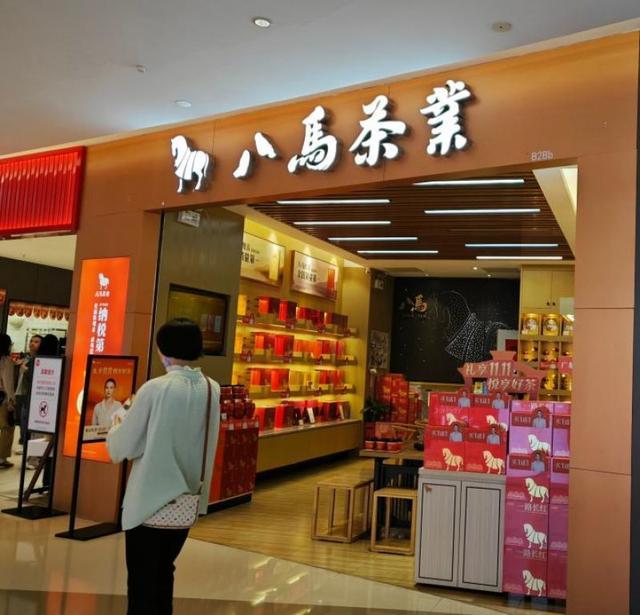
八马茶业成功登陆港交所,上市后面临哪些机遇和挑战?
Sou Hu Cai Jing· 2025-10-29 08:49
Core Viewpoint - The successful listing of Baima Tea on the Hong Kong Stock Exchange marks a significant step towards standardization and branding in the fragmented Chinese tea industry, which consists of over 1.6 million companies [1][4]. Company Overview - Baima Tea officially listed on the Hong Kong Stock Exchange on October 28, with an initial stock price increase of 86.7%, closing at HKD 93.35 per share and achieving a market capitalization of HKD 7.935 billion [2][3]. - The company plans to use the raised funds, totaling up to HKD 450 million, for supply chain enhancements, brand building, and international expansion [2][6]. Financial Performance - Baima Tea's revenue for 2022, 2023, and 2024 is projected at CNY 1.818 billion, CNY 2.122 billion, and CNY 2.143 billion, respectively, with net profits of CNY 166 million, CNY 206 million, and CNY 224 million [3]. - In the first half of the current year, Baima Tea reported a revenue of CNY 1.063 billion, a year-on-year decline of approximately 4.2%, and a net profit of CNY 120 million, down about 17.8% [3]. Market Position - Baima Tea holds the largest number of tea chain stores in China, with 3,716 offline stores, of which over 90% are franchise stores [5][4]. - The company ranks first in the high-end tea market, oolong tea market, and black tea market in China by revenue [4]. Business Model - The company operates on a dual-channel model of direct sales and franchising, with franchise stores accounting for 3,482 of its total stores [5]. - The gross profit margin for franchise channels is approximately 46%, significantly lower than the 78.2% margin for direct sales [5]. Future Opportunities and Challenges - Baima Tea aims to strategically invest in expanding its channel network, upgrading its supply chain, and enhancing brand recognition, particularly in Southeast Asia and countries involved in the Belt and Road Initiative [6]. - The company faces challenges due to its heavy reliance on the franchise model, which may weaken control over retail channels and lead to potential brand dilution [7].
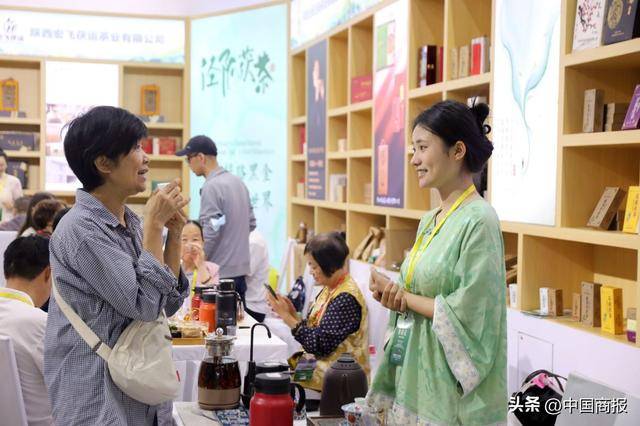
八马茶业成功登陆港交所 上市首日股价大涨86.7%
Sou Hu Cai Jing· 2025-10-29 06:28
Core Viewpoint - The successful listing of Baima Tea on the Hong Kong Stock Exchange marks a significant step towards standardization and branding in the fragmented Chinese tea industry, which consists of over 1.6 million companies [1][4]. Company Overview - Baima Tea officially listed on the Hong Kong Stock Exchange on October 28, with an initial stock price increase of 86.7%, closing at 93.35 HKD per share and achieving a market capitalization of 7.935 billion HKD [3]. - The company plans to use the raised funds, totaling up to 450 million HKD, to enhance supply chain capabilities, brand development, and international expansion [3][7]. Financial Performance - Baima Tea's revenue for 2022, 2023, and 2024 is projected to be 1.818 billion, 2.122 billion, and 2.143 billion CNY, respectively, with net profits of 166 million, 206 million, and 224 million CNY [3]. - In the first half of the current year, Baima Tea reported a revenue of 1.063 billion CNY, a year-on-year decline of approximately 4.2%, and a net profit of 120 million CNY, down about 17.8% [3]. Market Position - Baima Tea holds the largest number of tea chain stores in China, with 3,716 offline stores, of which 3,482 are franchise stores, accounting for over 90% of its outlets [5][6]. - The company ranks first in the high-end tea market, oolong tea market, and black tea market in China by revenue [4]. Business Model - The company operates on a dual-channel model of direct sales and franchising, with franchise channels having a gross margin of approximately 46%, significantly lower than the 78.2% margin from direct sales [5][6]. - Baima Tea has implemented centralized procurement and logistics to support franchisees, enhancing operational efficiency and reducing costs [6]. Future Opportunities and Challenges - The company aims to strategically invest in expanding its channel network, upgrading supply chains, and enhancing brand recognition, particularly in Southeast Asia and Belt and Road Initiative countries [7]. - While the franchise model allows for market penetration, it may weaken the company's control over retail channels, potentially harming brand image and pricing strategies [8].
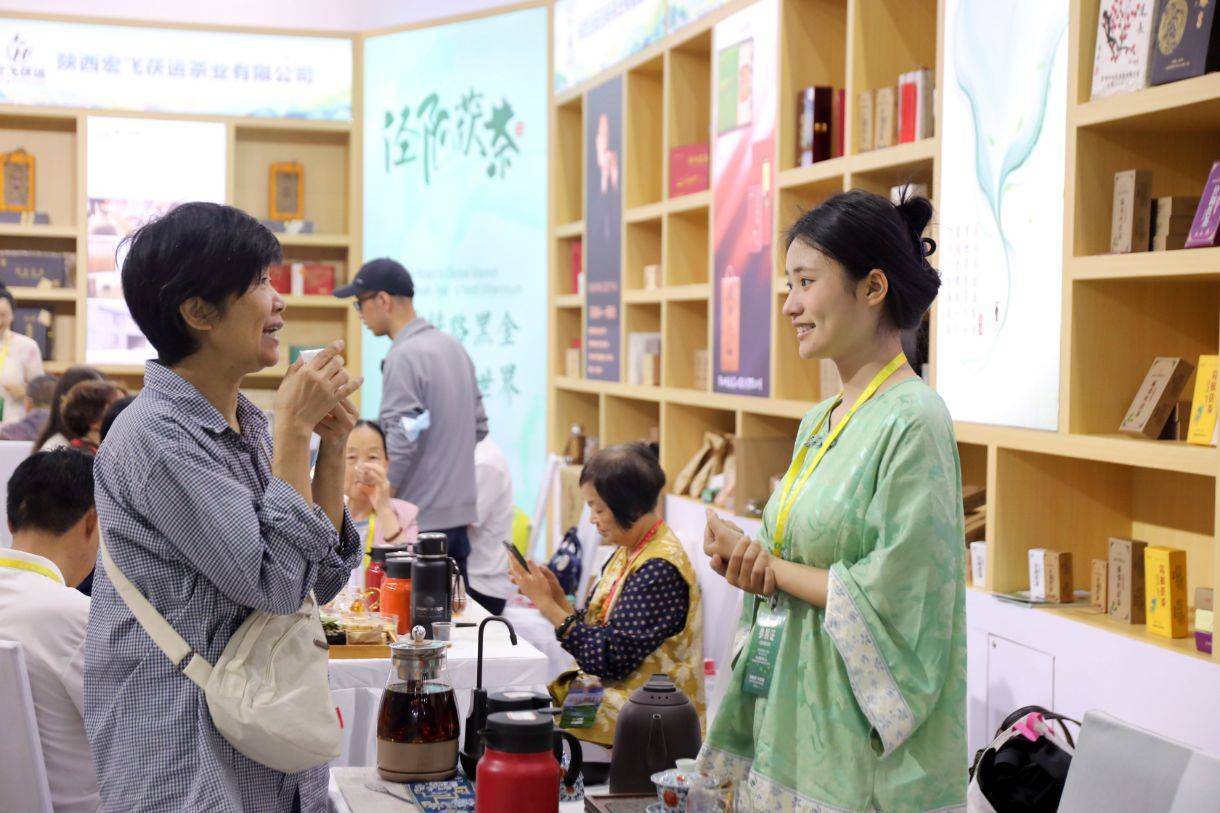
八马茶业正式登陆港交所 加速全球化布局
Zheng Quan Ri Bao Zhi Sheng· 2025-10-28 17:08
Core Viewpoint - Baima Tea Co., Ltd. has successfully listed on the Hong Kong Stock Exchange, raising a maximum of HKD 450 million, reflecting strong market confidence in the high-end Chinese tea industry [1][2] Group 1: Listing and Market Performance - Baima Tea plans to issue 9 million H-shares, with 90% for international sale and 10% for public offering, achieving an oversubscription of 2,680.04 times in the public offering, setting a new record for tea companies in Hong Kong [1] - The stock closed at HKD 93.35 on its first trading day, representing an increase of 86.7% from the issue price, with a total market capitalization of HKD 7.935 billion [1] Group 2: Business Strategy and Fund Utilization - The company will allocate 35% of the raised funds for expanding production bases, 20% for enhancing brand value and product portfolio, 15% for optimizing offline networks, 10% for digital operations, 10% for acquisitions in the tea industry, and 10% for working capital [2] - Baima Tea's focus on capacity expansion, digital operations, and brand enhancement is expected to strengthen its competitive advantage in the market [2] Group 3: Market Expansion and Global Strategy - The company plans to expand its overseas market presence, initially targeting Southeast Asia and countries involved in the Belt and Road Initiative, with future plans to enter the European and American markets [3] - Leveraging international capital and investor networks, Baima Tea aims to enhance its global brand recognition and accelerate local channel development and product customization strategies [3]