
茶食

Search documents
八马茶业股价破发后再创新低 业绩双降影响增长预期、高端叙事直面挑战、加盟扩张疲态尽显
Xin Lang Cai Jing· 2026-01-09 11:59
Core Viewpoint - The stock price of Baima Tea has experienced a significant decline after an initial surge post-IPO, reflecting investor concerns about the company's business model and growth prospects [1][3][16]. Financial Performance - Baima Tea's revenue from 2022 to 2024 was 1.818 billion, 2.122 billion, and 2.143 billion yuan, with growth rates of 16.8% in 2023 and 1.0% in 2024 [5][19]. - In the first half of 2025, the company reported a revenue of 1.06 billion yuan, a year-on-year decline of 4.2%, and a net profit of 120 million yuan, down 17.8% [6][19]. Market Reaction - The stock price surged by 86.7% on its first trading day, reaching 93.35 HKD per share, but fell below the issue price to 29.12 HKD by January 9, 2026 [3][16]. - The decline in stock price indicates a lack of enthusiasm from the capital market towards traditional tea companies [21]. Business Model Challenges - Baima Tea's reliance on a franchise model has shown signs of fatigue, with net growth in franchise stores dropping from 265 in 2023 to just 5 in 2024 [12][26]. - The average selling price of Baima Tea's high-end brand "Xinjihao" has decreased from 901 yuan/kg in 2022 to 715 yuan/kg in the first half of 2025 [22][23]. Pricing and Inventory Issues - The company has faced pricing confusion due to its "buyout franchise" model, which transfers inventory pressure to franchisees, leading to potential price undercutting in unauthorized channels [14][29]. - The suggested retail price range for major products has been significantly reduced, indicating a shift in product strategy [23][24]. Strategic Outlook - To regain investor confidence, Baima Tea needs to stabilize its high-end narrative and reduce reliance on the franchise model, focusing on product strength, brand culture, and consumer experience [29].

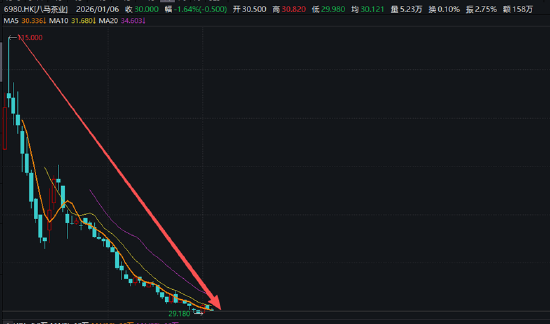
从上市暴涨86%到暴跌70%,是资本无情,还是“故事”难续?
Sou Hu Cai Jing· 2025-12-31 07:22
Group 1 - Baima Tea Industry, known as the first high-end Chinese tea stock, was listed on the Hong Kong Stock Exchange on October 28, 2025, with an initial stock price surge of 86.7%, reaching a market value close to HK$ 8 billion [1][3] - However, the stock price quickly fell, losing 70% of its market value within two months, highlighting the market's skepticism towards the high-end Chinese tea business model represented by Baima Tea [1][3] - The company has faced challenges in its performance, with revenue growth slowing down significantly from 16.72% in 2023 to just 0.99% in 2024, and a decline in revenue of 4.42% in the first half of 2025 [7][8] Group 2 - Baima Tea has experienced a significant loss of franchisees, with over 300 franchisees leaving since 2022, which poses a substantial threat to its business model that heavily relies on franchising [10] - The changing consumer preferences have shifted from high-end gifting to a focus on the taste and experience of tea, which Baima Tea has struggled to adapt to despite attempts to launch a younger sub-brand [11][14] - The overall tea industry is facing structural challenges, including a slowdown in market growth and intense competition, with Baima Tea holding only a 1.7% market share in the high-end segment despite being the largest player [16][17] Group 3 - The company has announced a plan for full circulation of H-shares, which could increase the market's liquidity by 60%, but this move may also raise concerns about potential selling pressure from investors [6] - The tea industry is experiencing a transformation, with a need to leverage regional characteristics and enhance product quality to meet market demands [18][19] - Future trends indicate a growing demand for health-oriented and customized tea products, as well as an emphasis on enhancing consumer experience through improved service and cross-industry collaborations [20][21][24]
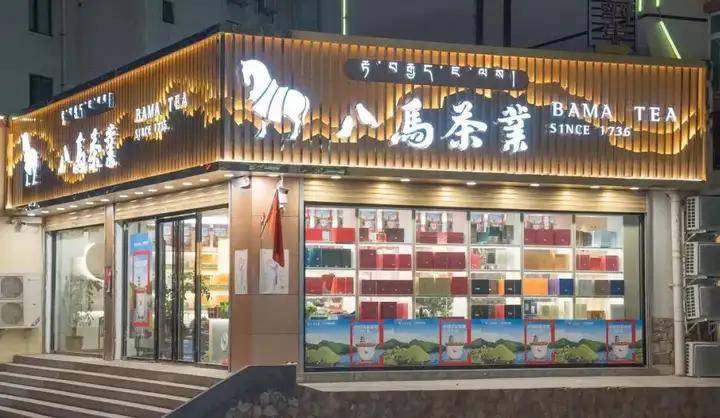
八马茶业港股遇冷股价六连跌 中期净利降18%加盟扩张放缓
Chang Jiang Shang Bao· 2025-11-10 02:45
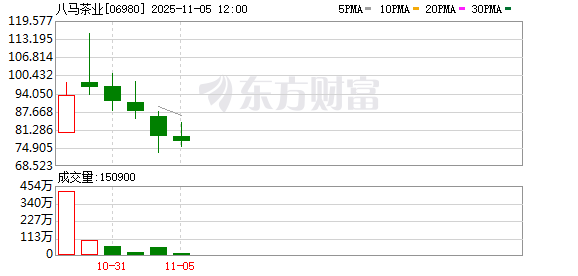
Core Viewpoint - Eight Horses Tea Industry (06980.HK) has faced a significant decline in stock price and performance after its IPO on October 28, 2025, despite being recognized as a leading player in the high-end Chinese tea market [2][3][10]. Company Performance - The company experienced a 49% drop in stock price from a peak of 115 HKD per share on October 30 to 58.50 HKD on November 7, 2025 [2][10]. - For the first half of 2025, Eight Horses reported a revenue of 1.06 billion CNY, a decrease of 4.20% year-on-year, and a net profit of 120 million CNY, down 17.81% year-on-year [11]. - The company's advertising expenses from 2022 to mid-2025 totaled 875 million CNY, with a significant portion allocated to marketing efforts [11][12]. Market Position - Eight Horses Tea is recognized as the top seller in the high-end tea market in China, holding the first position in sales revenue for Oolong and black tea as of 2024 [5][11]. - Despite being the market leader, the company's market share in the high-end tea segment is only 1.7%, indicating a highly competitive environment [11]. Franchise and Store Expansion - As of October 12, 2025, Eight Horses operated 3,716 offline stores, with 93.70% being franchise stores [12]. - The number of franchisees has shown a decline, with a net decrease of 24 franchisees in the first half of 2025, contrasting with previous years' growth [12]. IPO Journey - The company took 13 years to complete its IPO journey, initially attempting to list on the Shenzhen Stock Exchange before finally listing on the Hong Kong Stock Exchange [6][7]. - The IPO raised 450 million HKD at an initial price of 50 HKD per share, but the stock's performance has been disappointing post-listing [7][10].

八马“失速” 股价“茶凉”
Shang Hai Zheng Quan Bao· 2025-11-05 04:59
Core Viewpoint - Baima Tea Industry has experienced significant stock price declines shortly after its listing on the Hong Kong Stock Exchange, with a drop of over 30% from its peak shortly after the IPO [5][15]. Company Overview - Baima Tea Industry was established in 1997 and claims to be "the largest high-end tea supplier in China by 2024," selling tea and related products through 3,716 offline stores nationwide [7][15]. - The company went public on October 28, 2023, after multiple unsuccessful attempts to list on the A-share market [7]. Stock Performance - After an initial surge to 115 HKD per share post-IPO, the stock has faced a downward trend, with a notable drop to 79 HKD on November 5, 2023, reflecting a volatility of 11.33% during trading [2][5]. - The stock's decline is attributed to the company's application for a full circulation plan for H-shares shortly after listing, which raised concerns about potential selling pressure from shareholders [5][8]. H-share Full Circulation Plan - Baima Tea Industry's board approved a plan to convert 31,933,100 domestic shares into H-shares, representing approximately 37.57% of the total issued shares [7][8]. - If approved, the total circulating shares would increase from 52,986,900 to 84,920,000, marking a potential increase of 60% in market liquidity [8][10]. Financial Performance - The company's revenue for 2022, 2023, and 2024 is projected at 1.818 billion, 2.122 billion, and 2.143 billion CNY, respectively, with a significant slowdown in growth anticipated, dropping from 16.72% in 2023 to just 0.99% in 2024 [15]. - In the first half of 2023, Baima Tea reported a revenue of 1.063 billion CNY, a year-on-year decrease of 4.42%, and a net profit of 120 million CNY, down 17.81% [15]. Franchise Expansion Challenges - The company relies heavily on its franchise model, with approximately 50% of its revenue generated from franchise sales [16]. - However, the growth rate of franchisees has slowed, with a decline in the number of franchisees from 1,252 in 2024 to 1,228 in the first half of 2025, indicating a potential issue in expansion [16][18]. - The company plans to add 1,500 new stores over the next three to five years, but market analysts express skepticism about this goal given the current slowdown in franchise growth [18]. Market Context - Other tea companies, such as Lincang Ancient Tea, have also faced significant stock price declines post-IPO, indicating broader challenges within the tea industry [17].
快讯 | 申万宏源香港助力八马茶业股份有限公司 (6980.HK) 在香港联交所主板成功上市
申万宏源证券上海北京西路营业部· 2025-11-04 02:09
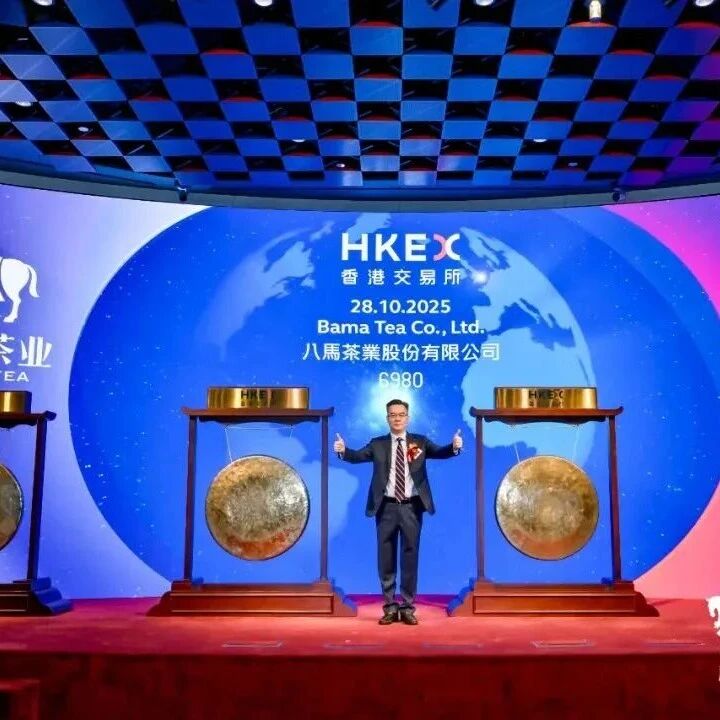
Group 1 - The core viewpoint of the article highlights the successful IPO of Baima Tea Co., Ltd. on the Hong Kong Stock Exchange, with shares priced at HKD 50 and a base issuance scale of HKD 450 million [2] - Baima Tea is recognized as a leading tea supplier in China, covering six major categories of tea and related products, and ranks first in high-end tea sales revenue for 2024 [4] - The company also leads in the number of tea chain specialty stores in China and ranks first in the Oolong and black tea markets based on sales revenue for 2024 [4] Group 2 - Shenwan Hongyuan Securities (Hong Kong) acted as the joint bookrunner and lead underwriter for the IPO, demonstrating professionalism and market expertise [4] - The company plans to continue providing comprehensive financial services to Baima Tea, leveraging its professional advantages and platform resources [4]
Prada否认收购阿玛尼;PUMA裁员1400人丨二姨看时尚
2 1 Shi Ji Jing Ji Bao Dao· 2025-11-03 07:10
Group 1: Company Performance - Estée Lauder reported a 4% year-over-year increase in net sales to $3.48 billion, with a 9% growth in the China market [4][5] - Puma's third-quarter sales declined by 15.3%, with plans to cut 1,400 jobs by the end of 2026 due to ongoing sales challenges [6][7] - Moncler’s revenue for the first three quarters remained stable at €1.8413 billion, with direct-to-consumer channels showing slight improvement [8] Group 2: Corporate Actions and Changes - Prada denied rumors of acquiring Giorgio Armani, focusing instead on strengthening its own brand matrix, reporting a net revenue of €4.07 billion, an 8.9% increase year-over-year [2] - The Outnet was sold for $30 million, indicating a shift in strategy for LuxExperience, which acquired it through the purchase of YNAP [7] - Gucci continues to adjust its management structure, appointing new executives to enhance brand strategy and customer experience [11] Group 3: Market Developments - Eight Horses Tea Company listed on the Hong Kong Stock Exchange, closing its first day at HK$92 per share, an 84% increase from its IPO price, achieving a market capitalization of HK$7.9 billion [10] - Viking Cruises launched new Mediterranean routes tailored for Chinese tourists, enhancing its European offerings after ten years in the Chinese market [13]
IPO周报 | 滴普科技、八马茶业登陆港交所;摩尔线程科创板IPO注册获批
IPO早知道· 2025-11-02 13:08
Group 1: IPO Highlights - Dipo Technology officially listed on the Hong Kong Stock Exchange on October 28, 2025, under the stock code "1384," becoming the first enterprise-level AI application company to go public in Hong Kong [3][4] - The IPO raised a total of HKD 710 million by issuing 26,632,000 H-shares at an issue price of HKD 26.66 per share [4] - Dipo Technology's public offering was oversubscribed by 7,569.83 times, making it the most oversubscribed IPO on the Hong Kong main board this year and the highest in history [5] Group 2: Company Overview - Founded in 2018, Dipo Technology focuses on providing cutting-edge AI solutions for enterprises, helping integrate data, decision-making, and production knowledge [5] - As of June 30, 2025, Dipo Technology has served 283 enterprise clients across various sectors, including retail, manufacturing, healthcare, and transportation [6] Group 3: Market Position and Future Plans - Dipo Technology aims to leverage its technology and brand influence to enhance its capabilities in innovation, product development, and international market expansion following its IPO [7][8] - The company is committed to advancing AI technology and believes in the integration of data technology and AI model technology to create enterprise-level intelligence [8] Group 4: Ba Ma Tea Industry - Ba Ma Tea Industry officially listed on the Hong Kong Stock Exchange on October 28, 2025, under the stock code "6980" [10] - The global offering consisted of 9 million H-shares, with the Hong Kong public offering being oversubscribed by 2,680.04 times, setting a new record for tea companies in Hong Kong [11] - Ba Ma Tea holds the top position in the high-end tea market in China and has maintained leading sales in various tea categories for over a decade [12] Group 5: Moer Thread - Moer Thread's IPO registration on the Sci-Tech Innovation Board was approved on October 30, 2025, positioning it to become the first domestic GPU stock [13][14] - The company specializes in the independent research and design of full-function GPUs and has launched four generations of GPU architecture chips since 2021 [14][15] - Moer Thread's revenue for the first half of this year reached CNY 702 million, surpassing the total revenue from 2022 to 2024 [15][16] Group 6: Silicon-based Intelligence - Silicon-based Intelligence submitted its prospectus for listing on the Hong Kong Stock Exchange on October 31, 2025 [19] - The company is a leader in the digital human intelligence sector, holding a 32.2% market share in China and ranking second globally [21] - From 2022 to 2024, Silicon-based Intelligence's revenue grew significantly, with a notable turnaround to profitability in the first half of this year [22][24]

申万宏源香港助力八马茶业股份有限公司 (6980.HK) 在香港联交所主板成功上市
Xin Lang Cai Jing· 2025-10-29 04:17
Core Viewpoint - Baima Tea Co., Ltd. successfully listed on the Hong Kong Stock Exchange on October 28, 2025, with an initial public offering price of HKD 50 per share and a base issuance scale of HKD 450 million [3][5]. Company Overview - Baima Tea is a well-known tea supplier in China, covering six major categories of tea as well as non-tea products such as tea utensils and snacks [5]. - According to the prospectus, Baima Tea ranks first in high-end tea sales revenue in China for 2024 [5]. - The company also leads in the number of chain specialty stores among tea suppliers in China [6]. Market Position - Baima Tea holds the top position in the sales revenue of several tea categories as of 2024: - First in Iron Goddess of Mercy tea sales for over 10 consecutive years [6]. - First in Wuyi Rock tea sales for 5 consecutive years [6]. - First in black tea sales for 4 consecutive years [6]. - The company ranks first in the sales revenue of Oolong tea and black tea in China based on 2024 sales figures [6]. Underwriting and Future Outlook - Shenwan Hongyuan Securities (Hong Kong) acted as the joint bookrunner and lead manager for the IPO, demonstrating professionalism and market expertise [6]. - The company plans to continue providing comprehensive financial services to Baima Tea, leveraging its professional advantages and platform resources [6].


打造“高端中国茶第一股” 八马茶业登陆港股
Mei Ri Shang Bao· 2025-10-29 00:03
Core Viewpoint - Baima Tea's successful IPO on the Hong Kong Stock Exchange marks a renewed trend of tea companies listing in Hong Kong, with the stock surging 86.70% on its first trading day, closing at 93.35 HKD per share [1][2]. Group 1: IPO Details - Baima Tea's IPO was oversubscribed nearly 2000 times, setting a record in the Hong Kong tea industry, with a total margin loan of 872.54 billion HKD [2]. - The company issued 9 million H-shares at an offering price of 50 HKD per share, aiming to raise 450 million HKD [2]. - The stock opened at a high of 100 HKD during the dark pool trading, reflecting a 100% increase before closing at 89.4 HKD, a rise of 78.8% [2]. Group 2: Company Background - Baima Tea is a former New Third Board company that delisted in 2018 and has since sought to expand its market presence through a Hong Kong listing [4]. - The company has received backing from notable investors, including IDG Capital and Tian Tu Capital, indicating strong institutional interest [3]. Group 3: Market Position and Performance - As of 2024, Baima Tea ranks first in China's high-end tea market with a market share of 1.7%, and also leads in the oolong and black tea segments [7]. - The company operates over 3,500 offline retail stores, making it the largest tea enterprise in China by store count [6]. - Financial performance shows revenue growth of 16.8% and 1.0% for 2023 and 2024, respectively, with net profit growth of 24.0% and 9.0% [7]. However, a decline in revenue and net profit is projected for the first half of 2025, with decreases of 4.2% and 18.0% respectively, due to weak external demand [7].
八马茶业正式登陆港交所 加速全球化布局
Zheng Quan Ri Bao Zhi Sheng· 2025-10-28 17:08
Core Viewpoint - Baima Tea Co., Ltd. has successfully listed on the Hong Kong Stock Exchange, raising a maximum of HKD 450 million, reflecting strong market confidence in the high-end Chinese tea industry [1][2] Group 1: Listing and Market Performance - Baima Tea plans to issue 9 million H-shares, with 90% for international sale and 10% for public offering, achieving an oversubscription of 2,680.04 times in the public offering, setting a new record for tea companies in Hong Kong [1] - The stock closed at HKD 93.35 on its first trading day, representing an increase of 86.7% from the issue price, with a total market capitalization of HKD 7.935 billion [1] Group 2: Business Strategy and Fund Utilization - The company will allocate 35% of the raised funds for expanding production bases, 20% for enhancing brand value and product portfolio, 15% for optimizing offline networks, 10% for digital operations, 10% for acquisitions in the tea industry, and 10% for working capital [2] - Baima Tea's focus on capacity expansion, digital operations, and brand enhancement is expected to strengthen its competitive advantage in the market [2] Group 3: Market Expansion and Global Strategy - The company plans to expand its overseas market presence, initially targeting Southeast Asia and countries involved in the Belt and Road Initiative, with future plans to enter the European and American markets [3] - Leveraging international capital and investor networks, Baima Tea aims to enhance its global brand recognition and accelerate local channel development and product customization strategies [3]