
薪酬激励计划

Search documents
埃隆·马斯克启动万亿薪酬计划,但两大问题恐致股东财富蒸发
Sou Hu Cai Jing· 2025-11-30 15:50
Core Viewpoint - The approval of Elon Musk's $1 trillion compensation plan by Tesla shareholders may lead to a significant loss of shareholder wealth, as the ambitious performance targets may not be realistically achievable [1][3]. Compensation Plan Structure - The new compensation plan consists of 12 tiers of restricted stock grants, requiring both valuation and operational targets to be met, starting with a market cap of $2 trillion and potentially reaching $8.5 trillion [4]. - Achieving each milestone grants Musk 35.312 million shares, increasing his current stake by approximately 1% [4]. - If Musk meets all targets, he could receive $1 trillion worth of stock, equivalent to 424 million shares, over a ten-year period [4]. Potential Challenges - The operational goals are deemed overly ambitious, with significant hurdles such as building a fleet of 1 million autonomous vehicles, while Tesla currently operates a small pilot program [6]. - The EBITDA target of $50 billion requires a fivefold increase from current levels, amidst declining profitability [6]. - Tesla's stock is perceived as overvalued, with a current P/E ratio of 375, necessitating an 85% increase in stock price to reach the next valuation milestone [6]. Achievable Goals - Musk may realistically achieve the initial market cap target of $2 trillion and the operational goal of delivering 2 million vehicles, given the current trajectory of Tesla's stock price [7][8]. - The requirement to deliver 2 million vehicles is based on cumulative sales, allowing Musk to meet this target with a modest increase in annual sales [9]. - The plan's structure allows Musk to secure his compensation even if the stock price fluctuates after meeting the initial milestones [9].


人类史上最高薪酬!特斯拉股东批准马斯克万亿美元薪酬计划
Sou Hu Cai Jing· 2025-11-15 07:39
Core Points - Tesla shareholders approved a historic compensation plan for CEO Elon Musk, valued at up to $1 trillion, with over 75% voting in favor, ending years of debate over Musk's pay [1][3][12] - The plan sets ambitious targets for Tesla, including a market valuation exceeding $8.5 trillion and a profit margin of $400 billion, alongside four key product goals [3][4][15] - The approval reflects a strong alignment of interests between Tesla shareholders and Musk, emphasizing Musk's critical role in the company's success [8][12][14] Summary by Sections Compensation Plan - The compensation plan is designed to elevate Musk's stake in Tesla to 25% over the next decade, contingent on achieving specific performance targets [3][4] - Achieving the full $1 trillion in compensation requires meeting six challenging goals, including significant increases in market valuation and product delivery [3][4][15] Market Valuation and Profit Goals - The plan's market valuation target of $8.5 trillion is significantly higher than Tesla's current valuation of approximately $1.5 trillion, indicating a sixfold increase is necessary [4][15] - The profit target of $400 billion is unprecedented, as even leading tech companies like Apple and Google report annual profits in the hundreds of billions [4][5] Shareholder Support and Concerns - Despite initial resistance from some institutional investors, the overwhelming support for the plan indicates strong confidence in Musk's leadership and vision for Tesla [8][9] - The plan's approval is seen as a strategic move to retain Musk's focus on Tesla amid his involvement in multiple ventures [8][10] Historical Context - This new plan is an upgrade from a previous 2018 compensation plan, which Musk successfully met, demonstrating his capability to achieve ambitious targets [13][15] - The current plan's scale and requirements are unprecedented, reflecting Musk's reputation for tackling seemingly impossible challenges [15][16]
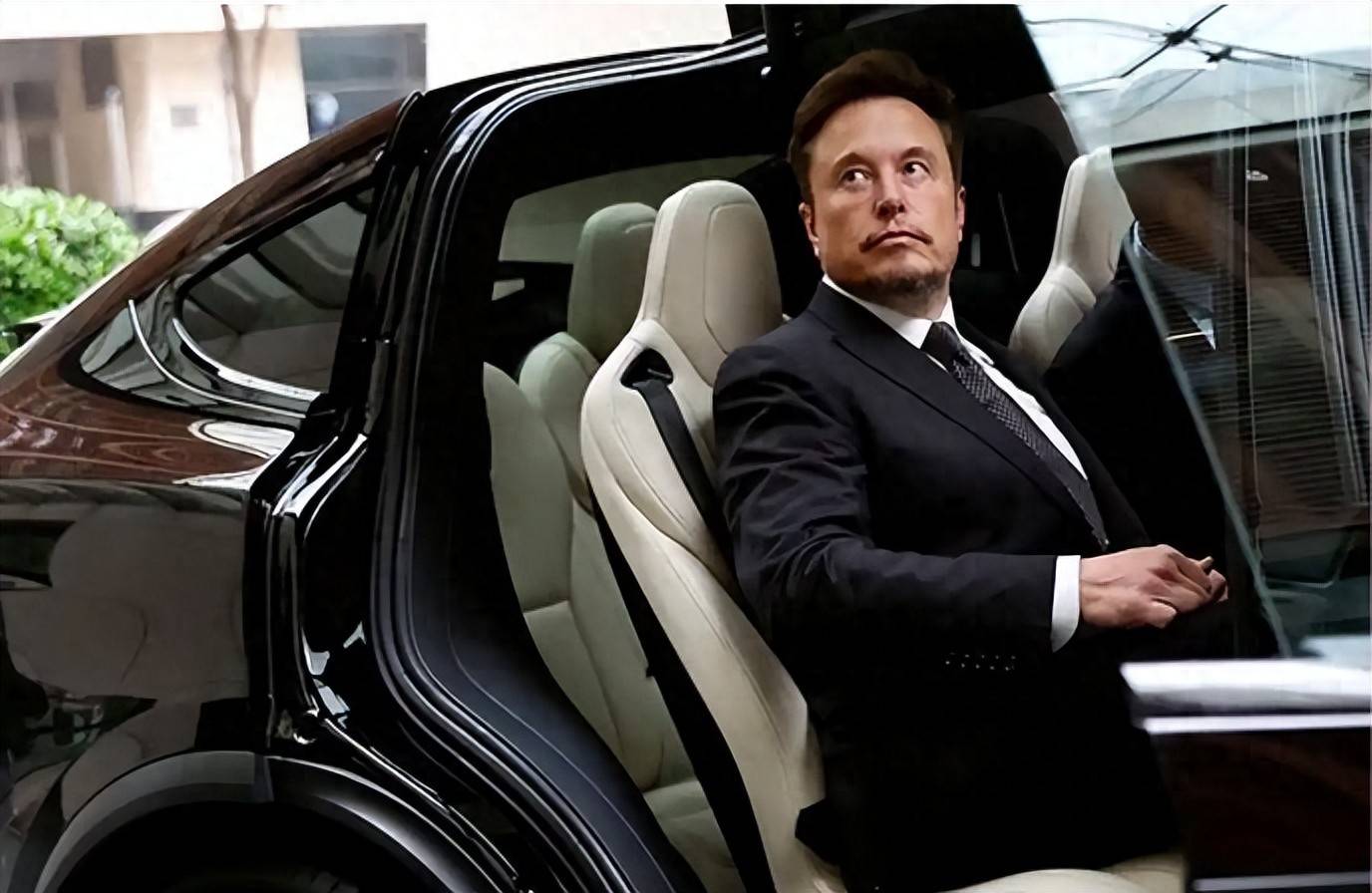
马斯克大战特斯拉股东,“万亿薪酬赌局”今晚对决!
Ge Long Hui· 2025-11-06 08:24
Core Viewpoint - The focus of Wall Street is shifting towards Tesla as the company prepares for its annual shareholder meeting on November 6, where a significant compensation plan for Elon Musk will be discussed [1][2]. Compensation Plan - If approved, Musk's compensation plan could become one of the largest in corporate history, with Tesla's stock rising 36.49% since the proposal was made on September 5 [2]. - The new plan aims to tie Musk's compensation to specific milestones, including achieving a market cap of $8.5 trillion, selling 12 million cars annually, and delivering 1 million humanoid robots and 1 million autonomous taxis, with adjusted profits increasing from $16.6 billion in 2024 to $400 billion, a more than 23-fold increase [4]. Shareholder Dynamics - There are two opposing camps among shareholders regarding the compensation plan, with supporters arguing it aligns Musk's interests with those of Tesla, while critics express concerns about concentrated power and potential resource diversion to Musk's other ventures [5][8]. - Major institutional investors, including CalPERS and influential voting advisory firms ISS and Glass Lewis, have urged shareholders to vote against the plan, citing concerns over total compensation, dilution effects, and lack of measures to mitigate key person risk [8]. Market Reactions - Morgan Stanley has warned that the vote is a gamble for the company's future, especially following a 40% drop in Tesla's third-quarter operating profit, which fell short of market expectations [10]. - If the plan is rejected, it could be interpreted as a vote of no confidence in Musk's leadership, potentially leading to a stock sell-off of over 10% and long-term risks for the company [12]. Leadership Implications - Musk's leadership is deemed crucial for Tesla's success, and failure to pass the compensation plan may lead him to reconsider his role, with potential implications for the company's direction, especially in the critical area of autonomous driving [6][12].
