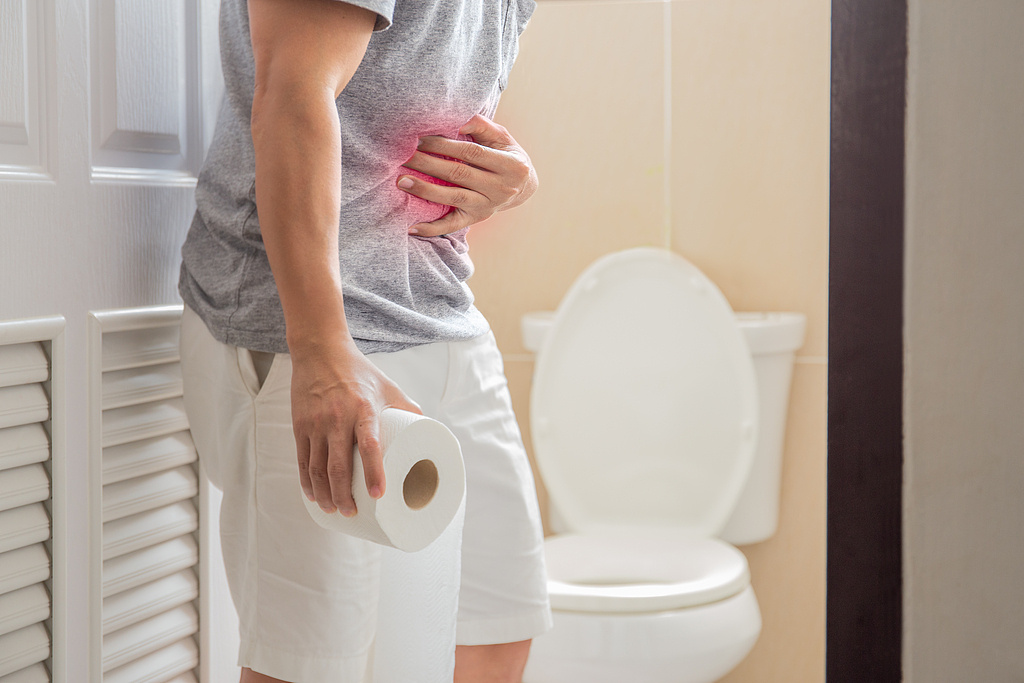
诺如病毒感染

Search documents
春节期间,预防传染病不放松
Xin Lang Cai Jing· 2026-02-20 23:48
Group 1: Respiratory Infectious Diseases - The National Disease Control Bureau emphasizes the importance of personal responsibility in health during the Spring Festival, particularly in preventing respiratory infectious diseases [1] - Recommendations include active vaccination against influenza for individuals aged 6 months and older, especially high-risk groups such as healthcare workers, seniors over 60, preschool children, school-aged children, and those with chronic diseases [1] - It is advised to wear masks in crowded places or on public transport, particularly for the elderly and those with chronic conditions, to reduce infection risk [1] - Maintaining good hygiene practices, such as frequent handwashing and avoiding touching the face after contact with public items, is crucial [1] - Promoting a healthy lifestyle through balanced diet, regular exercise, and adequate rest is recommended to enhance immune function [1] - Individuals showing symptoms of respiratory infections should maintain social distance and seek medical advice as needed [1] Group 2: Gastrointestinal Infectious Diseases - Norovirus infection is highlighted as a common gastrointestinal infectious disease, particularly prevalent from October to March, with a typical incubation period of 12 to 72 hours [2] - Symptoms include nausea, vomiting, fever, abdominal pain, and diarrhea, with children primarily experiencing vomiting and adults more likely to have diarrhea [2] - The virus is highly contagious, primarily transmitted through contaminated food, water, or contact with infected individuals [2] - Most patients recover without treatment within 2 to 3 days, but hydration is important, especially for vulnerable populations like infants and the elderly [2] - Preventive measures include maintaining hand hygiene, ensuring food and water safety, isolating infected individuals, and keeping environments clean and disinfected [3][4]
三部门通知:密切关注尼帕病毒病等疫情形势,强化输入传染病防控
Zhong Guo Jing Ying Bao· 2026-02-09 10:41
Group 1 - The core viewpoint of the article emphasizes the need for enhanced prevention and control measures for infectious diseases during the 2026 Spring Festival holiday and the spring season, particularly due to increased cross-border and regional movement of people [1][2] - The National Health Commission and other agencies have issued a notification to strengthen the monitoring and response to various infectious diseases, including COVID-19, Nipah virus, and dengue fever, highlighting the importance of epidemiological investigations and contact tracing [1][2] - The overall epidemic situation in the country is reported to be stable and controllable, with COVID-19 at a low prevalence level and a downward trend in acute respiratory infectious diseases, although risks remain during the high incidence season [2] Group 2 - The notification calls for local health departments to enhance vaccination efforts, particularly for high-risk groups such as children, the elderly, and patients with chronic diseases, and to optimize vaccination services [3] - It is essential for local health authorities to prepare and adjust medical resources dynamically based on the local epidemic situation, ensuring adequate supply of diagnostic tests, treatment medications, and facilities to meet public health needs during the holiday period [3]
诺如病毒感染处在高发季,中疾控专家提醒注意科学预防
Xin Lang Cai Jing· 2026-01-20 10:38
Core Viewpoint - The recent outbreak of norovirus infection in a school in Foshan, Guangdong, has led to 103 confirmed cases, all of which are stable, highlighting the importance of preventive measures during the high-risk season for norovirus infections from October to March [1] Group 1: Norovirus Overview - Norovirus is one of the most common pathogens causing acute gastroenteritis globally, with symptoms including vomiting and diarrhea, and it can affect anyone [1] - The incubation period for norovirus is typically 12 to 48 hours, with symptoms appearing suddenly and lasting for 1 to 3 days [1] Group 2: Prevention Measures - Key prevention strategies include cutting off transmission routes by practicing "wash hands frequently, eat cooked food, and maintain hygiene" [2] - The "Four Musts" for personal and family protection include: 1. Wash hands thoroughly before meals and after using the restroom [2] 2. Ensure food safety by drinking boiled water and eating thoroughly cooked food [3] 3. Maintain daily cleanliness by ventilating living spaces and regularly disinfecting high-contact surfaces [4] 4. Properly handle contaminated materials, especially after a family member has vomited or had diarrhea [4] Group 3: Additional Recommendations - The "Four Must Nots" include: 1. Do not drink raw water or eat raw or cold food [5] 2. Do not share personal items like utensils and towels with infected individuals [6] 3. Do not use antibiotics, as they are ineffective against viral infections [7] 4. Infected individuals should not attend school or work until symptoms have resolved and they have been symptom-free for three days [8] Group 4: Institutional Measures - Schools, childcare facilities, and nursing homes should implement health management practices, including morning and afternoon health checks and timely reporting of any abnormalities [9] - Environmental disinfection should focus on key areas such as restrooms and cafeterias, with proper handling of vomit [10] - Health education should promote handwashing and good hygiene habits among students and staff, alongside ensuring safe drinking water and monitoring the health of food-related personnel daily [11] Group 5: Response to Infection - If infected with norovirus, individuals should remain calm as symptoms are usually mild and self-limiting, with rest and isolation being crucial to prevent transmission [12] - It is important to stay hydrated, especially if experiencing vomiting and diarrhea, by consuming oral rehydration solutions or light fluids [13] - Seek medical attention if severe symptoms such as persistent high fever or signs of dehydration occur, particularly in vulnerable populations like infants and the elderly [13] - Ensure that infected individuals have separate eating utensils and bathrooms, and family members should practice good hand hygiene and improve ventilation in living spaces [13]
诺如病毒感染进入高发季 科学预防牢记“四要”“四不要”
Xin Lang Cai Jing· 2026-01-19 19:14
Core Viewpoint - The article emphasizes the increased risk of norovirus infections during the winter and spring seasons, particularly in crowded places such as schools, nurseries, and nursing homes, highlighting the importance of scientific preventive measures to protect health during the upcoming festive gatherings [1] Group 1: Understanding Norovirus - Norovirus is one of the most common pathogens causing acute gastroenteritis globally [3] - It is highly contagious, with symptoms including vomiting and diarrhea, which may be accompanied by nausea, abdominal pain, and low fever [4] - The incubation period is typically 12 to 48 hours, with symptoms appearing suddenly but lasting only 1 to 3 days [5] Group 2: Transmission and Prevention - Norovirus can be transmitted through contaminated food and water, contact with infected individuals, and contaminated surfaces [5] - Key preventive measures include frequent handwashing, consuming thoroughly cooked food, and maintaining good hygiene [6] Group 3: Personal and Family Protection - Recommended actions include: 1. Wash hands thoroughly before meals and after using the restroom [7] 2. Ensure food safety by drinking boiled water and eating well-cooked food [8] 3. Maintain cleanliness in the home environment [9] 4. Properly handle contaminated materials [9] - Avoid drinking untreated water and sharing personal items with infected individuals [10][11] Group 4: Institutional Measures - Institutions such as schools and nursing homes should implement strict preventive measures, including health checks and environmental disinfection [13][15] - In case of infection, individuals should seek medical attention if severe symptoms occur, especially in vulnerable populations [13][14]


佛山通报中学103人感染诺如病毒
Xin Lang Cai Jing· 2026-01-17 10:33
Group 1 - The core issue is the outbreak of Norovirus at Huada Xinghui High School in Foshan, with 103 confirmed cases, all of which are mild and stable [1] - Health, disease control, and education departments have initiated an emergency response to cut off the virus source and transmission routes, including comprehensive campus disinfection [1] - Norovirus is identified as a self-limiting disease, with most symptoms being mild, and there is a peak in acute infectious diarrhea cases caused by Norovirus [1] Group 2 - The outbreak has prompted educational authorities to conduct spring epidemic prevention education for students and parents [1] - Recommendations for personal hygiene, reasonable daily routines, and moderate exercise have been issued to enhance individual resistance [1]
广东一高中103人感染诺如病毒
Xin Lang Cai Jing· 2026-01-17 02:21
Core Viewpoint - A recent outbreak of norovirus at a high school in Guangdong has resulted in 103 confirmed cases, with all patients in stable condition and no severe cases reported [1] Group 1: Outbreak Details - The outbreak occurred at Huada Xinghui Senior High School in Foshan, Guangdong, where students exhibited symptoms of illness [1] - The Guangdong Provincial Center for Disease Control and Prevention indicates that the peak season for norovirus infections in the province is from October to March of the following year [1] Group 2: Response Measures - Local health and disease control departments have initiated an emergency response, conducting investigations and enhancing disinfection efforts [1] - The school has implemented an emergency plan, including campus disinfection and strict monitoring of student health through morning and afternoon checks [1]
广东佛山一中学103人感染诺如病毒
Xin Hua She· 2026-01-17 01:22
Core Viewpoint - The outbreak of norovirus at Huada Xinghui High School in Foshan, Guangdong Province, has led to 103 confirmed cases, all of which are stable with no severe or fatal cases reported [1] Group 1: Norovirus Infection Details - Norovirus is a common pathogen causing acute gastroenteritis, typically presenting symptoms such as vomiting and diarrhea [1] - The Guangdong Provincial Center for Disease Control indicates that the peak season for norovirus infections in the province is from October to March of the following year, with schools and childcare institutions being high-risk areas for outbreaks [1] Group 2: Response Measures - Local health and disease control departments have initiated an emergency response, conducting on-site investigations and enhancing disinfection protocols [1] - The school has activated its emergency plan, implementing campus disinfection and strict monitoring of health checks and absentee tracking due to illness [1]
诺如病毒感染,最新呕吐物处置指南,请收好!
Xin Lang Cai Jing· 2025-12-29 04:49
Core Viewpoint - The article emphasizes the importance of scientifically handling vomit, especially in collective settings like schools, nurseries, and nursing homes, to prevent the spread of Norovirus, a highly contagious pathogen responsible for acute gastroenteritis [1][16]. Preparation Steps - Evacuate surrounding individuals to a safe and clean area [1]. - Notify trained personnel, such as cleaning staff and school nurses, to handle vomit and the surrounding environment [3]. - Wear appropriate protective gear, including disposable gloves, masks, isolation gowns, shoe covers, and hats, with eye protection if necessary [4]. - Open windows for ventilation before cleaning, ensuring both windows and doors are opened to enhance air exchange [4]. Disinfection Process - The core disinfection process involves three main steps: covering the vomit, disinfecting the surrounding area, and cleaning [6]. - Step 1: Use disposable absorbent materials soaked in a chlorine disinfectant with a concentration of at least 5000 mg/L to cover the vomit, allowing it to sit for 3 minutes before transferring it to a disinfectant solution for 30 minutes [7]. - Step 2: Disinfect the surrounding area by either spraying or wiping with a chlorine disinfectant at a concentration of 1000 mg/L, ensuring a contact time of 30 minutes [9]. - Step 3: After the disinfection time, clean the area with water [11]. Final Steps - Personal hygiene and health monitoring: Dispose of protective gear without contamination and wash hands thoroughly [12]. - Waste disposal: Package disinfected vomit in plastic bags and treat it as regular waste, or as medical waste if conditions allow [12]. - Record keeping: Document the disinfection process, including the type of disinfectant, concentration, contact time, location, and personnel involved [13][14].
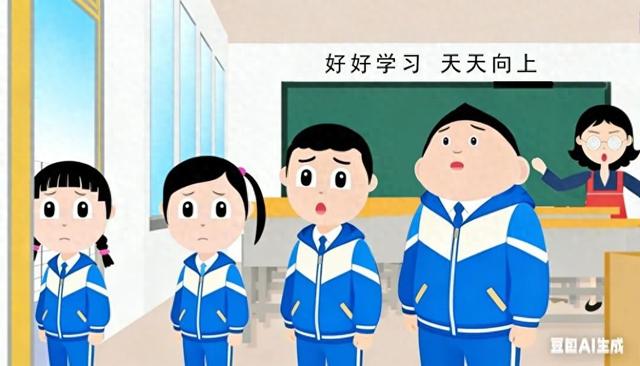
什么是诺如病毒?如何预防?无锡疾控解答
Ren Min Wang· 2025-12-15 08:42
Core Insights - Norovirus is a highly infectious gastrointestinal pathogen that causes acute gastroenteritis in both adults and children, with a peak infection season from October to March [1][2] Group 1: Characteristics of Norovirus - Norovirus has a short incubation period of 12-72 hours, typically 24-48 hours, and is characterized by high infectivity and low infectious dose [2] - The virus can survive for weeks in low temperatures and is resistant to common alcohol disinfectants, making it difficult to control [2] - There are multiple genotypes of norovirus that can mutate, leading to the possibility of reinfection even after previous exposure [2] Group 2: Transmission Routes - The primary transmission route is fecal-oral, where individuals come into contact with contaminated objects, food, or water [3] - Contact transmission occurs through direct interaction with infected individuals or contaminated surfaces [3] - Aerosol transmission is significant in crowded settings, where virus-laden droplets can be inhaled [3] Group 3: Clinical Features - Common symptoms include diarrhea, vomiting, nausea, and abdominal pain, with children primarily experiencing vomiting and adults more likely to have diarrhea [5] - Most patients recover within 1-3 days, but severe dehydration can occur, particularly in vulnerable populations such as young children and the elderly [5] Group 4: Treatment Principles - Norovirus infections are self-limiting, with no effective antiviral treatment available; most patients recover with rest and hydration [6] - Oral rehydration solutions are recommended for those experiencing significant fluid loss [6] Group 5: Prevention Measures - Emphasis on hand hygiene, particularly after using the restroom and before food preparation [7] - Fruits and vegetables should be thoroughly washed, and shellfish should be cooked properly [8] - Infected individuals should isolate at home for at least 72 hours after symptoms resolve to minimize transmission risk [8] - Regular cleaning and disinfection of frequently touched surfaces and proper handling of waste from infected individuals are crucial [8] - Maintaining a healthy lifestyle can enhance resistance to infections [9]
轮状病毒、诺如病毒等感染进入高发期 万一感染该怎么办?
Yang Shi Xin Wen· 2025-11-17 22:04
Core Insights - A nationwide cold wave is affecting most regions of China, leading to an increase in acute infectious diarrhea caused by pathogens like norovirus and rotavirus, particularly among vulnerable populations [1][2][3] Group 1: Norovirus - Norovirus, also known as winter vomiting disease, has a peak season from October to March, with a low infectious dose and a rapid onset of symptoms, typically within 24 to 48 hours [1][2] - Symptoms of norovirus infection include gastrointestinal issues such as nausea, vomiting, fever, abdominal pain, and diarrhea, with children experiencing more vomiting and adults primarily suffering from diarrhea [2][3] - There is no specific antiviral treatment for norovirus; management focuses on symptomatic support, including hydration and electrolyte correction, especially for high-risk groups like children and the elderly [3][6] Group 2: Rotavirus - Rotavirus infections are particularly risky for children under two years old, with symptoms including watery diarrhea, fever, and vomiting [5][9] - Both norovirus and rotavirus are primarily transmitted through the fecal-oral route, with potential contamination from infected food, water, or surfaces [5][9] - Vaccination against rotavirus is an effective preventive measure for children, recommended by the World Health Organization to start at six weeks of age to build immunity before the peak infection season [7][9] Group 3: Prevention and Management - Emphasis on hygiene practices, such as ensuring food cleanliness and regular disinfection of potentially contaminated items, is crucial for preventing rotavirus infections [9][11] - Parents are advised to monitor their children for symptoms like vomiting and diarrhea, ensuring adequate hydration and seeking medical attention if symptoms worsen [9][11] - Schools and childcare facilities are highlighted as critical areas for prevention, with recommendations for strict food hygiene and health monitoring of staff to prevent outbreaks [9][11]