
贸易封锁

Search documents
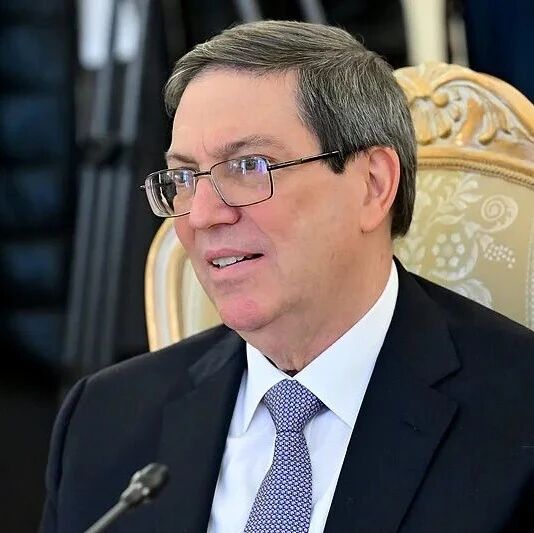
古巴外长:美方否认对古巴燃料供应实施封锁,这是在“厚颜无耻地撒谎”
中国能源报· 2026-03-29 03:15
Core Viewpoint - The Cuban Foreign Minister Rodriguez accuses the U.S. of "shamelessly lying" about fuel supply restrictions imposed on Cuba, asserting that the U.S. is responsible for the energy shortages faced by the Cuban people [3]. Group 1: U.S. Actions and Statements - Rodriguez highlights that U.S. officials' statements in Europe aim to "create chaos," denying any maritime blockade against Cuba while the reality is a severe fuel supply blockade [3]. - The U.S. Secretary of State Rubio claimed that Cuba's energy shortages stem from attempts to "obtain oil for free," contradicting the evidence of U.S. sanctions [3]. - The U.S. has intensified pressure on Cuba following military actions against Venezuela, including new oil restrictions and threats of tariffs on countries supplying oil to Cuba [3]. Group 2: Historical Context - The U.S. President Trump signed an executive order on January 29, threatening to impose tariffs on goods from countries providing oil to Cuba, indicating a strategic escalation in U.S. policy towards Cuba [3]. - Following military actions against Venezuela and Iran, Trump issued threats against Cuba, stating "Cuba is next," which reflects a broader geopolitical strategy [3].

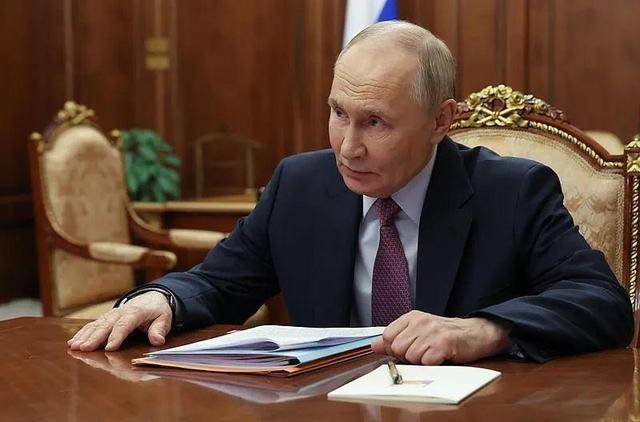
俄罗斯从古巴撤侨!能源被断供,古巴面临怎样的绝境?
Sou Hu Cai Jing· 2026-02-13 13:11
Core Viewpoint - The article discusses the severe energy crisis in Cuba, exacerbated by the U.S. embargo under Trump, leading to a significant impact on the country's economy, particularly in tourism and essential services. Group 1: Energy Crisis - Cuba faces a critical energy crisis, requiring 110,000 barrels of oil daily, but domestic production only meets 40,000 barrels, leaving a shortfall of 70,000 barrels [3] - The U.S. embargo has disrupted Cuba's oil supply channels, particularly after the arrest of Maduro, which cut off Venezuelan oil exports to Cuba [3] - Mexico has also ceased oil exports to Cuba due to U.S. pressure, further complicating the situation [3] Group 2: Impact on Electricity Supply - Cuba is at risk of nationwide power outages, with current oil reserves only sufficient for about half a month [5] - The country has already entered a state of emergency for electricity, with major cities experiencing power for only about 10 hours a day [5] - The reliance on oil for 90% of electricity generation means that a lack of fuel will severely disrupt essential services, including healthcare [5] Group 3: Tourism Industry - The tourism sector, a key contributor to Cuba's economy, is expected to suffer significantly due to the cancellation of flights and the inability of tourists to enter or leave the country [5] - The government had projected an 18% increase in global tourist arrivals by 2025, but the current crisis threatens this growth [5] - Tourism generates approximately $2 billion annually for Cuba, making it a critical source of foreign exchange [5] Group 4: Industrial and Transportation Challenges - The lack of oil and electricity is causing industrial production to drop to about 20% capacity, affecting sugar factories and mining operations [7] - Transportation is severely impacted, with restrictions on private vehicle use and a significant reduction in public transport availability [7] - Despite measures taken by the government, the ongoing embargo means that Cuba's ability to recover from this crisis remains limited [7]
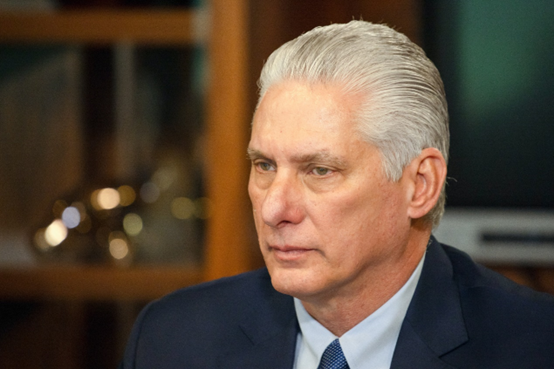
回应美方威胁,古巴强硬表态
Huan Qiu Wang· 2026-01-30 15:35
Core Viewpoint - The President of Cuba, Díaz-Canel, condemns the escalation of the U.S. fuel blockade as a "fascist" act aimed at crippling the Cuban economy through tariffs on sovereign nations trading with Cuba [1][3] Group 1 - Díaz-Canel criticizes U.S. Secretary of State Rubio's claim that there is no blockade on Cuba, stating it reveals the hypocrisy of U.S. policy [3] - The new measures taken by the U.S. are described by Díaz-Canel as exposing the fascist and genocidal nature of U.S. policies, prioritizing personal interests over the welfare of the American people [3]
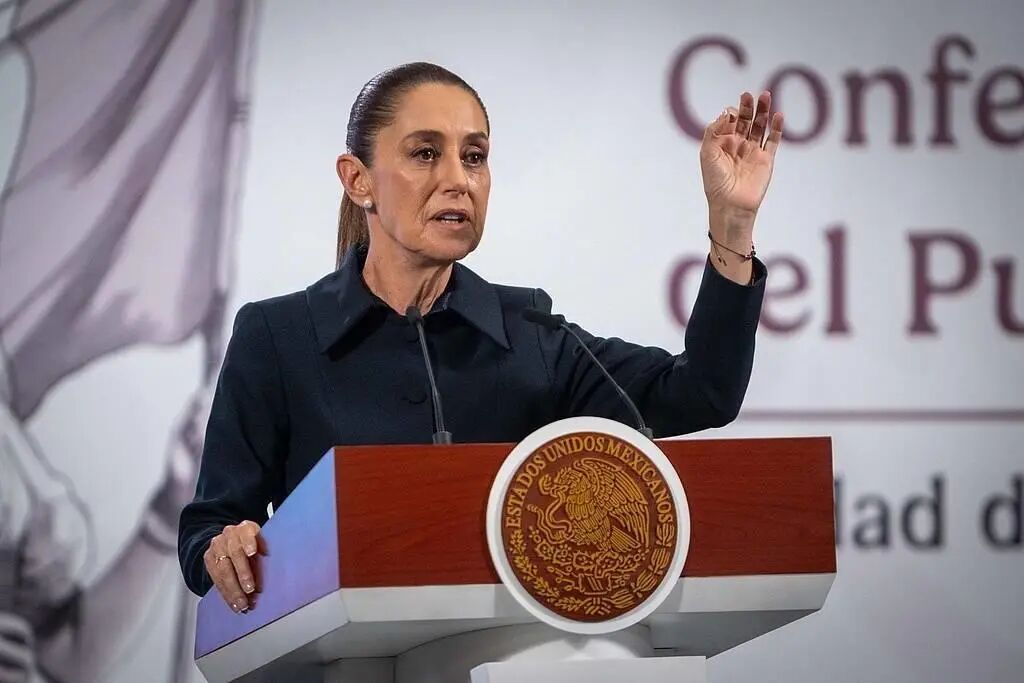
墨西哥将继续向古巴输送石油
Yang Shi Xin Wen Ke Hu Duan· 2026-01-23 06:34
Core Viewpoint - Mexico will continue to supply oil to Cuba to alleviate the economic pressure caused by the U.S. trade embargo, which has been in place for over 60 years [2]. Group 1 - President Sinbloom emphasized that the oil supply is driven by both contractual obligations and humanitarian considerations, reflecting support for the Cuban people [2]. - The Mexican government has a long-standing opposition to coercive measures like the U.S. embargo, which restricts Cuba's ability to engage in free trade and economic development [2].
墨西哥将继续向古巴输送石油
中国能源报· 2026-01-22 12:28
墨西哥宣布将继续向古巴输送石油。 End 欢迎分享给你的朋友! 出品 | 中国能源报(c n e n e rg y) 责编丨李慧颖 当地时间1月21日,墨西哥总统辛鲍姆宣布,该国将继续向古巴输送石油,以缓解美国对 古巴经济封锁带来的压力。 辛鲍姆表示,原油供应"既来源于合同约束,也出于人道主义考虑",是对古巴人民的支 持。她指出,美国对古巴实施的长达60多年的贸易封锁限制了该国的自由进出口和经济发 展,墨西哥历来反对此类强制性措施。 来源:央视新闻客户端 ...
墨西哥宣布将继续向古巴输送石油
Yang Shi Xin Wen· 2026-01-21 22:24
Core Viewpoint - Mexico will continue to supply oil to Cuba to alleviate the economic pressure caused by the U.S. embargo, emphasizing humanitarian support for the Cuban people [1] Group 1: Oil Supply and Humanitarian Support - Mexican President López Obrador stated that the oil supply to Cuba is driven by contractual obligations and humanitarian considerations [1] - The ongoing U.S. trade embargo against Cuba, lasting over 60 years, has severely restricted Cuba's economic development and trade [1] - Mexico has a historical stance against coercive measures like the U.S. embargo [1]
以贸易封锁与技术封锁实现制造业回流,美国能如愿么?
Sou Hu Cai Jing· 2025-08-16 22:17
Group 1 - The manufacturing activity in the U.S. has been continuously shrinking from March to July 2025, but the claim of a "complete recession" in U.S. manufacturing is not entirely objective [1] - U.S. manufacturing now accounts for less than half of its peak GDP share, with steel production relying on support from Japanese companies [1] - The U.S. is using tariffs as leverage, and its manufacturing sector is gradually and steadily returning, supported by Europe and Japan [1] Group 2 - The U.S. aims to achieve manufacturing return through trade and technology blockades in a dynamically evolving multilateral trade system [2] - The monopolistic technological advantages of the U.S. are diminishing due to the effects of technology diffusion [2] - The strategy of temporary (possibly long-term) trade and technology blockades is intended to facilitate the return of manufacturing [2]

斐济总理称将寻求替代市场应对美国“贸易封锁”
news flash· 2025-04-29 07:21
Core Viewpoint - The Prime Minister of Fiji, Rabuka, criticized the U.S. tariff policy as a "trade blockade" and expressed the need to seek alternative markets for trade [1] Group 1: Trade Policy - Fiji's government is actively looking for new sources of imports and new export markets due to dissatisfaction with U.S. trade policies [1] - Rabuka emphasized that the world is larger than the U.S., indicating a shift towards diversifying trade partnerships with friendly nations [1]