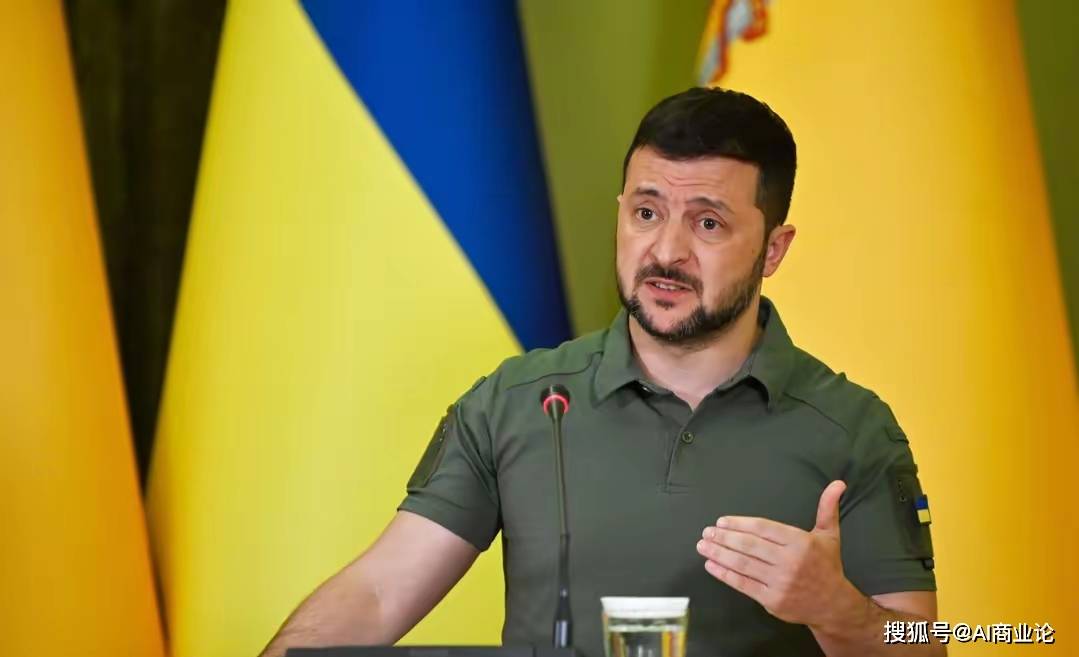
赔偿贷款

Search documents
欧盟为何不同意向乌克兰提供“赔偿贷款”?
Sou Hu Cai Jing· 2025-12-27 16:43
Core Viewpoint - The European Union's attempts to seize frozen Russian central bank assets have faced significant setbacks, primarily due to the high costs and risks involved, leading to ongoing delays in progress [1][4][5]. Group 1: EU's Actions and Reactions - The total amount of frozen Russian assets by Western countries since the start of the military operation in 2022 is estimated at approximately $300 billion, with over two-thirds located within the EU [4]. - The EU Commission has been pressuring member states to agree on using these frozen assets, but many countries view such actions as economically detrimental [3][5]. - The EU Commission's proposal to use Russian assets for compensatory loans to Ukraine has faced strong opposition from several member states, particularly Belgium, which has expressed concerns over the legality and risks involved [6][9][10]. Group 2: Belgium's Position - Belgian Prime Minister Alexander De Croo has openly criticized the idea of seizing frozen Russian assets, labeling it as unprecedented and risky, and has emphasized the potential repercussions from Moscow [10][11]. - A significant majority of the Belgian public (67%) opposes transferring Russian assets to Ukraine, reflecting a broader skepticism among EU member states regarding the compensatory loan proposal [18]. - The Belgian government has firmly rejected the EU Commission's plans, insisting on finding alternative methods to support Ukraine without compromising national financial security [24][25]. Group 3: Broader EU Dynamics - A coalition of seven EU countries has emerged, committed to preventing the seizure of Russian assets, indicating a growing divide within the EU on this issue [22]. - The EU Commission has had to adjust its stance, proposing to share financial guarantees among member states, but this has not garnered significant support [14][24]. - The ongoing debate has highlighted the challenges the EU faces in balancing support for Ukraine with the legal and financial implications of using frozen Russian assets [28][30].

欧盟拟动用被冻结的俄资产,普京以最令人忌惮的“武器”回击欧洲
Sou Hu Cai Jing· 2025-12-18 23:43
Core Viewpoint - The European Union is facing challenges in utilizing frozen Russian assets to support Ukraine, with concerns about potential legal and financial repercussions from Russia, as President Putin deploys a team of lawyers to counteract these efforts [1][4]. Group 1: EU's Plan and Challenges - EU leaders are set to meet in Brussels to discuss the plan to use frozen Russian assets to aid Ukraine, with increasing pressure on Belgium to abandon its opposition [1]. - The European Central Bank holds most of the frozen funds, and Belgium has been resistant due to fears of severe financial and legal retaliation from Moscow [1]. - Russia has filed a lawsuit against the European Central Bank, claiming illegal actions that prevent access to its funds and securities, seeking compensation equivalent to the value of the frozen assets and lost investment returns [1]. Group 2: Financial Needs of Ukraine - EU estimates indicate that Ukrainian President Zelensky will need €135 billion over the next two years, with funding gaps expected to emerge starting in April [6]. - The European Commission proposed using approximately €210 billion of frozen Russian central bank assets to help fill this gap, with an initial plan to lend €90 billion to Ukraine [6]. - Ukraine will only begin repaying these "compensation loans" after receiving reparations from Moscow for the damages caused by the invasion [6]. Group 3: Belgium's Position and EU Dynamics - Belgian Prime Minister Bart De Wever remains a focal point of opposition, insisting that any guarantees must be unlimited and should also involve assets frozen in other countries [6]. - While other EU countries could theoretically override Belgium's stance, this would be a last resort and is currently deemed unlikely [6]. - Italian Prime Minister Giorgia Meloni may provide crucial political cover for Belgium, indicating the complexity of the decision-making process within the EU [8]. Group 4: Broader Geopolitical Context - The backdrop of these discussions includes U.S. efforts to negotiate a peace agreement to end the war, with reports of upcoming meetings between U.S. and Russian officials [9][11]. - Ukraine perceives the frozen assets as a key bargaining chip in negotiations with Russia, while EU officials deny that U.S. pressure is influencing their plans to utilize these funds [11]. - There is a sense of urgency among diplomats to find a solution to maintain funding flow for Ukraine, with expectations that some form of agreement will be reached during the upcoming meetings [11].
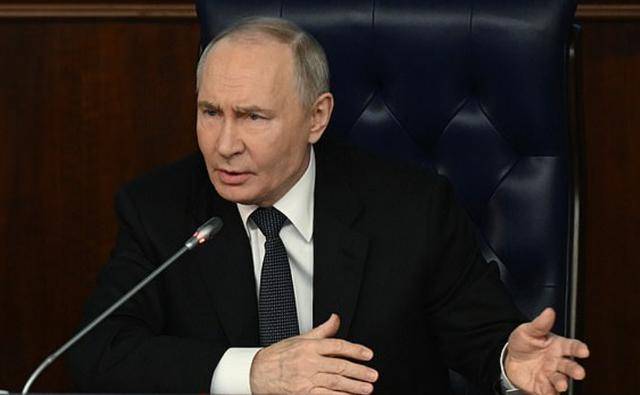
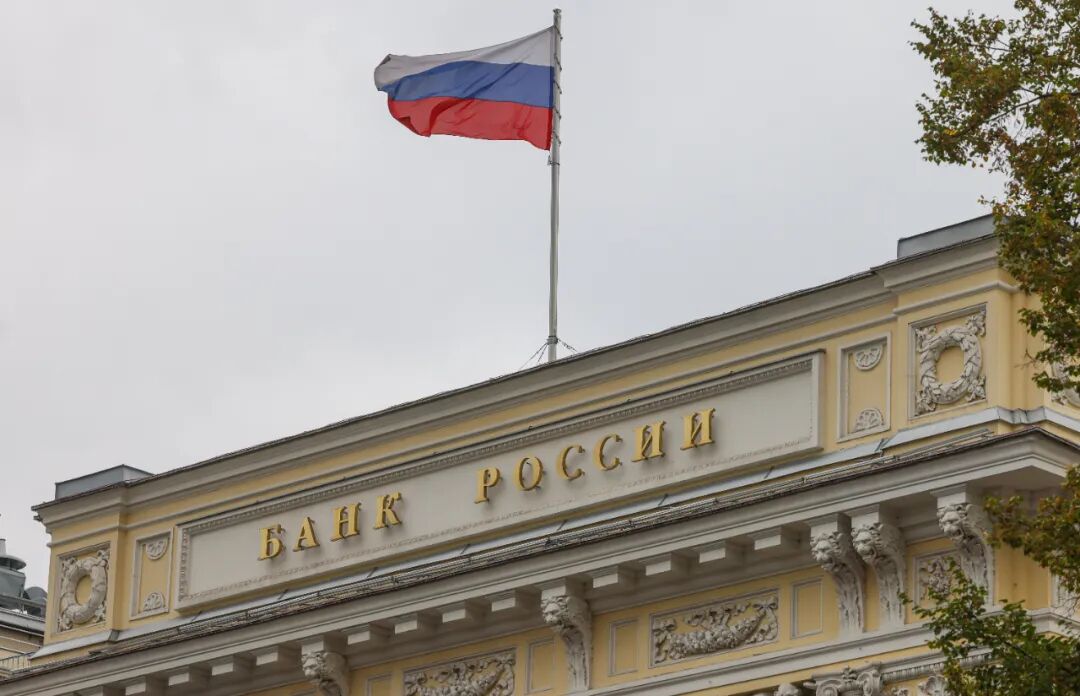
无限期冻结俄罗斯1.7万亿元资产,欧盟还打算用来援乌!俄央行“先下手”起诉:还我18万亿卢布
Mei Ri Jing Ji Xin Wen· 2025-12-16 12:34
Group 1 - The Central Bank of Russia has filed a lawsuit in Moscow Arbitration Court seeking compensation of over 18 trillion rubles (approximately 1.6 trillion yuan) from the European Clearing Bank, which holds a significant amount of frozen Russian assets [1] - The European Union has decided to indefinitely freeze Russian assets valued at approximately 210 billion euros (around 17.374 trillion yuan), as stated in a declaration by the EU Council [3] - EU leaders are set to discuss using the frozen Russian assets as collateral for "compensation loans" to meet Ukraine's financial and military needs for the next two years during the upcoming EU summit [3] Group 2 - Ukraine's President Zelensky has indicated that the U.S. and some European countries do not support Ukraine's core demand to join NATO as part of its security guarantees, leading to a compromise where Ukraine will seek alternative bilateral security arrangements instead [4] - A joint statement from leaders of Germany, France, the UK, Italy, Poland, Finland, Norway, Sweden, the Netherlands, and EU institutions announced the formation of a multinational force to support Ukraine, which will assist in rebuilding its armed forces and ensuring air and maritime security [6] - The multinational force will include military actions within Ukraine and aims to maintain a maximum troop size of 800,000 for the Ukrainian military, with a U.S.-led international mechanism for ceasefire monitoring and verification [6] Group 3 - Russian President Putin has approved a military cooperation agreement signed with India earlier this year, which aims to enhance military collaboration and simplify procedures for naval and air operations between the two countries [7] - The military cooperation agreement includes provisions for joint exercises, humanitarian assistance, and responses to natural and man-made disasters, among other agreed matters [9]
匈牙利总理:须竭力避免没收俄罗斯资产
Xin Hua She· 2025-12-16 06:57
Core Viewpoint - Hungary's Prime Minister Orban emphasizes the need to avoid the confiscation of Russian assets and threatens to sue the EU if Hungary's stance is not considered [1][2]. Group 1: EU's Actions and Hungary's Position - The EU has announced an "indefinite freeze" on Russian assets within its territory and plans to finalize a scheme to use these frozen assets to support Ukraine during the upcoming EU summit [1][2]. - Hungary and Slovakia oppose the use of frozen Russian assets to support Ukraine, but recent EU decisions mean these countries can no longer veto related measures [2]. - Orban suggests that the EU may modify voting rules to bypass unanimous consent, which would limit Hungary's ability to block decisions regarding Russian asset confiscation [2]. Group 2: Financial Implications and Legal Actions - Since the escalation of the Ukraine crisis in February 2022, Western countries have frozen approximately $300 billion of Russian overseas assets, with the EU freezing around €210 billion of Russian central bank assets [3]. - The EU is discussing various options for financing aid to Ukraine, with the most credible option being a "compensation loan" scheme that uses frozen Russian assets as collateral [3]. - The Russian Central Bank has filed a lawsuit in Moscow seeking compensation exceeding 1.8 billion rubles (approximately $22.66 million) from the European Clearing Bank [3].
欧盟领导人告知乌克兰:冻结俄资产决定权在他们手中,而不是美国
Sou Hu Cai Jing· 2025-12-06 04:34
Core Points - European leaders emphasize that the decision-making power regarding frozen Russian assets should rest entirely with Europe, as discussed in a recent call with President Zelensky [1][3] - The EU has proposed a compensation loan plan that could provide Ukraine with up to €210 billion from frozen Russian assets to support its financial operations [1][4] - The U.S. is reportedly lobbying European nations to halt the cash loan plan, suggesting that these assets should be used to ensure a peace agreement between Russia and Ukraine [1][4] Group 1 - European leaders, including German Chancellor Merz and French President Macron, assert that the management of frozen assets is under European control [3] - The compensation loan is viewed by Ukrainian officials as a crucial means to ensure a just and lasting peace, as it would demonstrate to Russia that Ukraine has the resources to sustain its defense [3] - The plan has faced opposition from Belgian Prime Minister Bart De Wever, citing legal and financial risks, although this has been contested by legal and financial scholars [4] Group 2 - The ongoing peace negotiations involving the U.S. and Russia have largely excluded Europe, leading to the development of a counter-plan by European leaders [4] - The compensation loan plan is also open to other countries holding frozen Russian central bank assets, including Canada and Japan [4] - Reports indicate that the UK government is preparing to transfer £8 billion of frozen Russian assets to Ukraine, though it remains unclear whether these assets are from the central bank or private holdings [4]
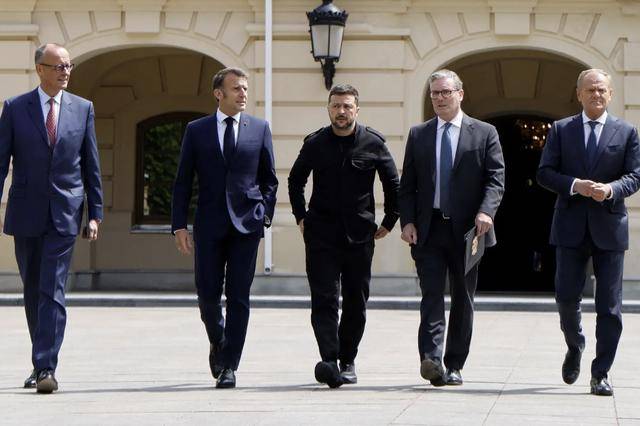
比利时反对利用俄被冻结资产向乌提供“赔偿贷款”
Xin Hua She· 2025-12-03 13:58
Group 1 - Belgium's Foreign Minister, Maxim Prevoo, reiterated opposition to the EU's proposal of using frozen Russian assets as collateral for large "compensation loans" to Ukraine, labeling it as the "worst option" among all proposals [1] - Prevoo emphasized that Belgium advocates for the EU to raise funds through existing mechanisms in the financial market to provide necessary financing to Ukraine, describing this method as "well-known, robust, and mature" [1] - The European Commission President, Ursula von der Leyen, proposed the "compensation loan" mechanism in September, aiming to provide approximately €140 billion in loans to Ukraine backed by frozen Russian assets, which has received support from Germany, France, and Baltic states, but Belgium and the European Central Bank remain cautious due to significant risks [1] Group 2 - Following the escalation of the Ukraine crisis in February 2022, Western countries froze approximately $300 billion of Russian overseas assets, with the EU freezing around €200 billion of assets from the Russian central bank [2] - About 90% of the frozen Russian assets within the EU are controlled by the European Clearing Bank, headquartered in Belgium [2]
乌克兰后续资金缺口惊人,欧洲开始盘算被冻结俄罗斯资产的主意
Sou Hu Cai Jing· 2025-12-01 17:38
Group 1 - The International Monetary Fund (IMF) projects that Ukraine will face a budget deficit of up to $65 billion over the next two years due to the ongoing war with Russia, with nearly two-thirds of the budget currently allocated to military efforts [1] - The financial support for Ukraine's citizens, including pensions and public sector wages, heavily relies on aid from Western allies [1] - Since Trump's return to presidency, there has been no new funding allocated to Ukraine, compelling Europe to fill the military and humanitarian aid gaps [3] Group 2 - Russia's central bank has invested its foreign exchange reserves, valued at $300 billion, in overseas bonds and securities, which are now frozen due to Western sanctions [4] - There is a division in Europe regarding the handling of these frozen assets, with some countries advocating for their seizure to fund Ukraine, while others hesitate due to concerns over ownership rights [4] - The European Commission has proposed a new solution for funding Ukraine through compensation loans, allowing the EU to provide approximately €140 billion in loans without directly seizing frozen assets [5]
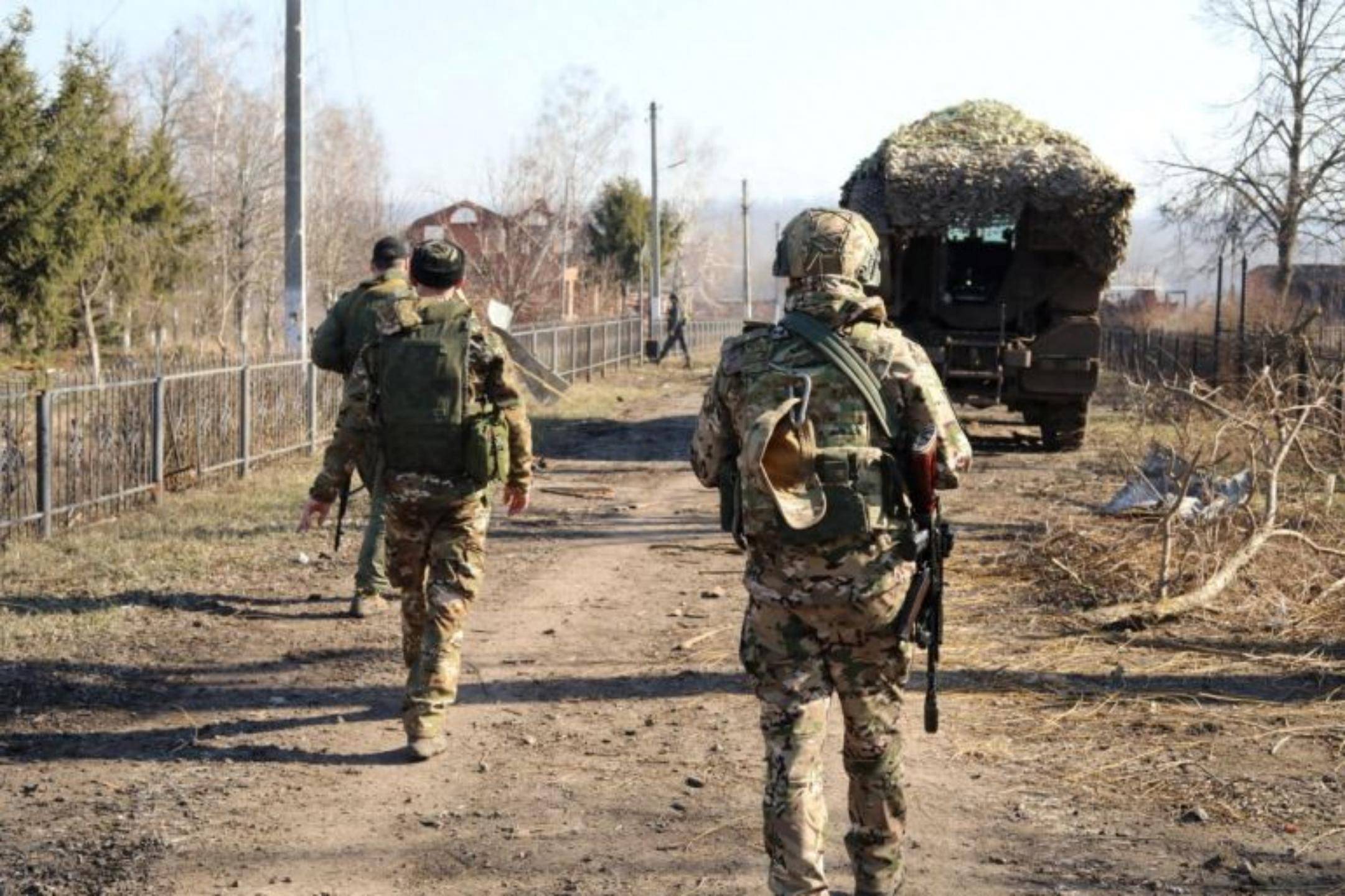
美乌今日会谈 特朗普:泽连斯基必须同意!欧盟回应美国新计划:仍需完善!乌军:击落俄军米-8直升机
Mei Ri Jing Ji Xin Wen· 2025-11-23 03:01
Group 1 - Ukraine's President Zelensky has approved a delegation to participate in negotiations in Switzerland regarding the "28-point" new plan aimed at ending the conflict with Russia [1] - U.S. officials, including Middle East envoy and Secretary of State, are set to meet with Ukraine in Geneva to discuss the plan [1][2] - European leaders, including national security advisors from the UK, France, and Germany, will also attend the talks in Switzerland [2] Group 2 - President Trump expressed hope that Ukraine would accept the U.S. proposal by the 27th of the month, indicating a potential delay if necessary [2] - Trump emphasized that if Zelensky does not agree to the U.S.-backed peace plan, the conflict will continue, highlighting the unprecedented scale of casualties since World War II [3] - The "28-point" plan, drafted by the White House, includes demands for Ukraine to withdraw from certain areas in Donetsk, which Ukraine has previously rejected [3] Group 3 - Zelensky acknowledged the difficult choices Ukraine faces, stating that they must either lose dignity or risk losing key partners [3] - Following discussions with U.S. Vice President, Zelensky agreed to collaborate with the U.S. and Europe on national security matters to make peace viable [3] - Experts suggest Ukraine is in a challenging diplomatic environment, particularly regarding territorial and security guarantees [3] Group 4 - The EU leaders issued a joint statement recognizing the "28-point" plan as a basis for future discussions but noted the need for further refinement [4] - Concerns were raised about proposals in the plan that could limit Ukraine's military capabilities, potentially jeopardizing its long-term security [4] - European countries are reportedly evaluating the plan and developing alternative proposals to ensure a sustainable peace process [4] Group 5 - The EU is discussing the establishment of "compensation loans" using frozen Russian state assets, with approximately €140 billion held in Belgium [5] - The discussions around the "28-point" plan may complicate the EU's consensus on the loan mechanism, potentially increasing financial risks for European taxpayers [5] - The ongoing discussions indicate a new complex phase in the Ukraine crisis, intertwining regional security, European strategic autonomy, and major power relations [5] Group 6 - The Russian Defense Ministry reported advances in military operations, with Russian forces capturing multiple buildings in eastern Ukraine [6] - Ukrainian armed forces have successfully repelled numerous attacks from Russian troops in various regions [6] - Ukrainian special forces claimed to have shot down a Russian helicopter using a drone in the Rostov region [6]
乌克兰总统泽连斯基表示:“只有欧洲提供财政支援,乌克兰才能再战斗2~3年!”引发热议!
Sou Hu Cai Jing· 2025-10-28 14:54
Group 1 - Ukrainian President Volodymyr Zelensky stated that financial support from Europe is essential for Ukraine to continue fighting against Russian forces for another 2 to 3 years [2] - The European Union (EU) plans to utilize frozen Russian assets to aid Ukraine, with 26 EU member states, excluding Hungary, instructing the executive committee to develop a funding assistance plan for Ukraine over the next two years [2] - Zelensky mentioned that if the EU provides further financial assistance, the funds would be used for either reconstruction if the war ends soon or for purchasing weapons if the conflict continues [2] Group 2 - Danish Prime Minister expressed strong support for the idea of reparations loans, stating that it is the only viable solution to make Russia pay for the damages caused in Ukraine [3] - Swedish Prime Minister indicated a strong intention to make a decision on reparations loans at the upcoming EU summit in December [3] - European Commission President Ursula von der Leyen affirmed the legal validity of the proposal and emphasized long-term cooperation to support Ukraine's financial needs [3] Group 3 - On October 27, Zelensky held a meeting focused on Ukraine's capability for long-range strikes against Russia, involving weapon manufacturers and personnel responsible for weapon operations [3] - The meeting analyzed the effectiveness and outcomes of long-range strikes over a specific period, noting significant damage to Russia's oil processing industry [3] - Zelensky stated that discussions with weapon manufacturers regarding long-term contracts are ongoing, with a goal to expand the range of long-range fire strikes [3]