
超高清发展

Search documents
广电开年第一会,部署今年工作重点
Bei Jing Qing Nian Bao· 2026-01-06 09:54
Core Insights - The 2026 National Radio and Television Work Conference was held in Beijing on January 5-6, summarizing the work of 2025 and outlining the priorities for 2026 in broadcasting, television, and online audio-visual sectors [1] Group 1: Key Work Priorities for 2026 - Strengthening theoretical armed forces and enhancing mainstream public opinion through a series of theoretical promotional products, focusing on significant anniversaries such as the 105th anniversary of the Communist Party and the 90th anniversary of the Long March [1] - Deepening systemic reforms in broadcasting media, promoting integrated content production, and accelerating the digital transformation of broadcasting media [1] - Implementing innovative content creation and dissemination projects, including plans for high-quality productions in various genres, and optimizing policy supply to foster a vibrant content ecosystem [1] Group 2: Development and Management Initiatives - Promoting the prosperity and regulation of online audio-visual content, enhancing the management of online variety shows, and fostering new business models in the online audio-visual sector [2] - Advancing the construction of a new type of broadcasting network, integrating infrastructure, content service, and monitoring systems [2] - Deepening the integration of artificial intelligence in broadcasting, creating high-quality audio-visual datasets, and promoting healthy and regulated development [2] Group 3: Quality and Governance Enhancements - Implementing a dual enhancement project for audio-visual services and experiences, focusing on the development of ultra-high-definition content and improving user experience [2] - Strengthening the governance system for broadcasting and audio-visual sectors, enhancing regulatory capabilities, and establishing a comprehensive industry statistical system [2] - Building a high-level security assurance system, improving emergency broadcasting systems, and implementing the "China Audio-Visual Going Global" initiative to effectively communicate China's stories and voices [2]


全国广电工作会议:推动微短剧精品化发展,强化网络视听生态治理
Xin Lang Cai Jing· 2026-01-06 05:38
Core Viewpoint - The 2026 National Radio and Television Work Conference emphasized the importance of deepening reforms and transforming the broadcasting and television industry, guided by Xi Jinping's thoughts and the spirit of the 20th National Congress of the Communist Party of China [2][4]. Summary by Sections 2025 Achievements - In 2025, significant progress was made in broadcasting and television reforms, with major breakthroughs in key areas and a new level of high-quality development achieved [3]. - The industry successfully implemented ten key tasks, enhancing confidence and promoting a positive development trend [3]. - Notable achievements included the completion of the national cable television "one province, one network" integration and the launch of ultra-high-definition channels in nine provinces [3]. 2026 Work Plan - The overall requirement for 2026 is to adhere to Xi Jinping's thoughts and fully implement the spirit of the 20th National Congress, focusing on high-quality development and systematic reforms [4]. - Key work areas for 2026 include strengthening theoretical education, promoting systemic changes in media, and enhancing content innovation and dissemination [5]. Key Focus Areas - The conference outlined ten key tasks for 2026, including: 1. Strengthening theoretical propaganda and enhancing mainstream discourse [5]. 2. Advancing systemic reforms in broadcasting media and promoting integrated content production [5]. 3. Implementing innovative content creation plans across various genres [5]. 4. Promoting the development and regulation of online audiovisual content [5]. 5. Advancing the construction of new broadcasting networks [5]. 6. Deepening the integration of artificial intelligence in broadcasting [5]. 7. Enhancing ultra-high-definition services and user experience [5]. 8. Improving the governance system of broadcasting and television [5]. 9. Establishing a high-level security assurance system [5]. 10. Implementing a plan for international audiovisual outreach [5]. Leadership and Governance - The conference stressed the importance of strengthening the Party's leadership over broadcasting and television work, fostering a positive political environment, and enhancing collaboration across departments [6].
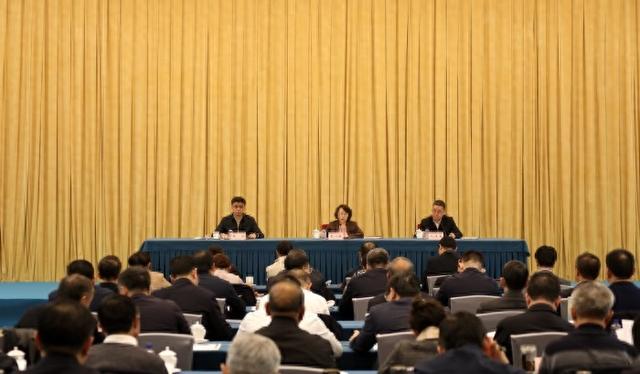
2026年全国广播电视工作会议召开:推动微短剧精品化发展
Xin Lang Cai Jing· 2026-01-06 05:03
Core Insights - The 2026 National Radio and Television Work Conference was held in Beijing, focusing on the deployment of key tasks for the broadcasting and network audio-visual sector in 2026 [1] Group 1: Development and Management - The conference emphasized the promotion of prosperous development and standardized management of network audio-visual content [1] - There is a focus on the quality development of micro-short dramas and comprehensive management of online variety shows throughout their lifecycle [1] - The initiative includes precise and scientific management of live streaming programs, fostering the development of new business models in network audio-visual [1] Group 2: Technological Integration - The conference highlighted the deepening of artificial intelligence innovation and its integration into applications within the industry [1] - A high-quality audio-visual data set will be constructed, along with the innovation of typical application scenarios to promote healthy and regulated development [1] Group 3: Ultra-High Definition and User Experience - The development of ultra-high definition broadcasting is to be deepened, implementing a "dual enhancement" project for broadcasting services and viewer experience [1] - Efforts will be made to accelerate the popularization of a single remote control for one-click television viewing, significantly improving the user experience [1] Group 4: Regulatory Measures - The conference called for a comprehensive cleanup of false medical advertising [1] - The expansion of the "dual governance" achievements will be aimed at enhancing public service guarantees [1]
全国广播电视工作会议:加快普及一个遥控器“一键看电视”
Bei Jing Ri Bao Ke Hu Duan· 2026-01-06 05:00
Core Viewpoint - The 2026 National Radio and Television Work Conference was held in Beijing, focusing on the implementation of the guiding principles of Xi Jinping's Thought on Socialism with Chinese Characteristics for a New Era and the spirit of the 20th National Congress of the Communist Party of China [3][5]. Summary by Sections 2025 Achievements - In 2025, significant progress was made in the reform and innovation of radio and television, with major breakthroughs in key areas and a new level of high-quality development achieved [4]. - The industry successfully implemented ten key tasks, resulting in a series of breakthrough advancements and landmark achievements [4]. - The integration of national cable television networks was historically completed, and the development of ultra-high-definition broadcasting was initiated, with nine provinces launching ultra-high-definition channels [4]. 2026 Work Plan - The year 2026 marks the beginning of the 15th Five-Year Plan and is crucial for deepening reforms and transforming the radio and television industry [5]. - The overall requirements for 2026 include adhering to Xi Jinping's Thought, implementing the spirit of the 20th National Congress, and enhancing the understanding of the challenges facing the industry [5][6]. Key Focus Areas for 2026 1. **Theoretical Strengthening**: Enhance mainstream public opinion through a series of theoretical promotional works [6]. 2. **Systemic Reform**: Advance the systemic transformation of media, focusing on integrated content production and digital transformation [6][7]. 3. **Content Innovation**: Implement various creative plans for different media types, promoting a vibrant content ecosystem [7][8]. 4. **Network Management**: Promote the development and regulation of online audiovisual content, ensuring quality and compliance [7]. 5. **Infrastructure Development**: Advance the construction of new broadcasting networks, integrating various service channels [8]. 6. **AI Integration**: Foster the application of artificial intelligence in the industry, enhancing data quality and innovation [8]. 7. **Governance Improvement**: Strengthen the governance framework and enhance monitoring capabilities within the industry [9]. 8. **Safety Assurance**: Establish a high-level security assurance system and improve emergency broadcasting capabilities [9]. 9. **International Outreach**: Implement initiatives to promote Chinese audiovisual content globally, enhancing the country's narrative [10]. Leadership and Governance - The conference emphasized the importance of strengthening the Party's leadership over radio and television work, promoting a positive political environment, and enhancing collaboration across departments and sectors [10].
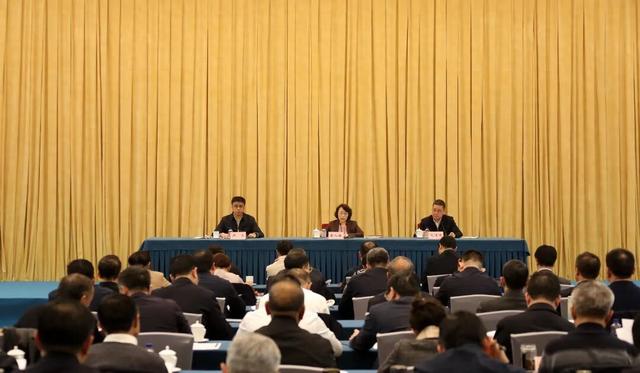
“十四五”期间,山东持续优化视听作品创作生产环境
Da Zhong Ri Bao· 2025-12-18 01:08
Core Insights - Shandong province has successfully optimized the production environment for audiovisual works during the "14th Five-Year Plan" period, leading to improved efficiency in film and television production [2][3] Group 1: Production Environment Optimization - The filming of the TV series "Our River and Mountains" was completed ahead of schedule in Shandong, showcasing the province's efficient production capabilities [2] - The provincial broadcasting and television bureau has established service teams to assist film crews, which contributed to the early completion of the project by one week [2] - Shandong has a total of 153 broadcasting institutions and over 3,100 film production companies, attracting major platforms like iQIYI and Alibaba Pictures to set up operations in the province [2] Group 2: Economic Growth in the Audiovisual Sector - The total revenue of the broadcasting and online audiovisual industry in Shandong is projected to reach 138.528 billion yuan during the "14th Five-Year Plan," an increase of 54.8 billion yuan or 65% compared to the "13th Five-Year Plan" [2] - In the past five years, Shandong has produced 34 TV dramas and reviewed 226 online films, with an average annual production of over 60 documentaries and 15 animated films [2] Group 3: Policy Support and Development Initiatives - Shandong has implemented a series of favorable policies covering the entire process of audiovisual production, including funding support for significant projects, with provincial support reaching up to 15 million yuan per project [3] - The province has streamlined the review process for film projects, reducing review times by 50%, while enhancing service offerings through resources like the "Qilu Hi-Shot" online service [3] - Recent promotional activities in major cities have successfully attracted numerous film projects to Shandong, exemplified by the ongoing filming of the period drama "A Happy Family" in Qingdao [3] Group 4: Advancements in Broadcasting Technology - Shandong has made significant strides in ultra-high-definition (UHD) broadcasting, with the establishment of a 4K UHD channel and over 14.5 million UHD users in the province [4] - The province has committed to producing all new long-form dramas and key documentaries in 4K UHD, successfully creating and preserving multiple high-quality UHD documentaries [4] - The emergency broadcasting system in Shandong has been enhanced, with the establishment of various platforms and the deployment of over 260,000 emergency broadcast terminals, ensuring effective communication during emergencies [4]

北京地区推广有线电视超高清插入式微型机顶盒超10万端
Xin Hua She· 2025-12-03 10:36
Group 1 - The core viewpoint of the articles highlights the promotion and deployment of ultra-high-definition (UHD) embedded micro set-top boxes by China Broadcasting Network, aiming to enhance user experience with features like lightweight, intelligence, and high compatibility [1][2] - As of the end of November, over 100,000 UHD embedded micro set-top boxes have been promoted in the cable television network in Beijing [1] - The initiative to deploy UHD embedded micro set-top boxes was launched in April, addressing issues related to traditional set-top boxes such as multiple connections, multiple remote controls, and complex operations [1] Group 2 - The UHD embedded micro set-top box is designed to be compact and low-power, connecting directly to the TV's HDMI port, thus achieving miniaturization and reduced wiring [1] - The device supports 4K UHD transmission and features a universal remote control that operates both the TV and the set-top box, simplifying user interaction [1] - China Broadcasting Network aims to achieve a target of over 50% market share for UHD terminals by the end of the year, leveraging the "Year of Ultra HD" as a strategic opportunity for comprehensive upgrades across the network, content, and terminal [2]

这5年,我们追过的那些剧
Ren Min Ri Bao Hai Wai Ban· 2025-10-31 00:24
Core Insights - The Chinese television industry has experienced significant growth over the past five years, producing over 1,500 dramas and documentaries, with total content duration exceeding 350,000 hours during the "14th Five-Year Plan" period [3][4] - The audience engagement has surged, with notable works like "Mountain Flowers in Bloom" and "The Story of the Rose" generating massive online discussions and interactions, indicating a strong cultural impact [4][6] Content Production and Audience Engagement - The production of high-quality content has led to a diverse range of successful shows, with "Mountain Flowers in Bloom" achieving over 8 billion views on related topics [4] - The series "Blossoms" has revitalized interest in 1990s Shanghai culture, while "The Alley Family" evokes nostalgia through its portrayal of Jiangnan life [4][6] Technological Advancements and Distribution - The integration of AI in content creation is enhancing the creative process, allowing creators to focus on storytelling while technology assists in identifying emotional highlights [7] - The broadcasting network is evolving with the convergence of cable and 5G technologies, aiming to transform television into a comprehensive service platform beyond mere content consumption [7][8] International Expansion - Chinese dramas are gaining popularity in international markets, particularly in Africa, with shows like "Welcome to Mai Le Village" significantly boosting local viewership [9][10] - The export of Chinese audiovisual content has increased by over 40% in the past five years, reaching over 200 countries and regions, showcasing a shift from merely exporting content to sharing cultural narratives and values [10]
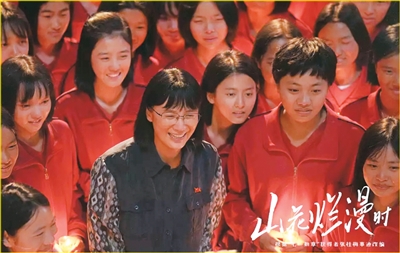
六省市卫视4K超高清频道正式开播
Xin Hua She· 2025-09-28 18:19
Core Viewpoint - The launch of ultra-high-definition (UHD) channels by six provincial and municipal satellite TV stations marks a significant step in the systematic reform of the broadcasting media and the high-quality development of the industry, aiming to enhance content production, network transmission, terminal reception, and technological innovation [1] Group 1 - The six UHD channels from Eastern, Jiangsu, Zhejiang, Shandong, Hunan, and Sichuan provinces officially went live on September 28, 2023, joining previously launched channels from Beijing and Guangdong, completing the rollout of UHD channels across eight regions [1] - These channels are accessible nationwide through cable TV and IPTV in 31 provinces and municipalities, and they are also available on various new media platforms such as China Audio-Visual, Ai Litchi, and Mango TV [1] - The National Radio and Television Administration (NRTA) emphasizes that the full launch of these UHD channels is crucial for driving collaborative development and innovation across various aspects of the UHD ecosystem, including content production and technology [1] Group 2 - According to the NRTA's 2025 UHD development plan, by the end of 2025, new productions of TV dramas, web series, and documentaries will largely achieve UHD quality, with over 40% of new UHD programs from six major online video platforms [1] - Both large-screen and mobile platforms will feature dedicated UHD on-demand services, and the scale of UHD set-top boxes for cable TV and IPTV is expected to approach 300 million units [1]
六大卫视4K超高清频道今日正式开播
Bei Jing Shang Bao· 2025-09-28 13:25
Core Viewpoint - The launch of 4K ultra-high-definition channels by six provincial satellite TV stations marks a significant step in the transformation and high-quality development of the broadcasting media industry in China [1][2] Group 1: Launch of Ultra-High-Definition Channels - Six provincial satellite TV stations, including Oriental TV and Hunan TV, officially launched their 4K ultra-high-definition channels, providing differentiated viewing experiences for users across various platforms [1] - The channels are now accessible nationwide through cable TV and IPTV, as well as on new media platforms such as Mango TV and iQIYI [1] Group 2: Future Development Plans - Starting in 2024, additional ultra-high-definition channels will be constructed in nine provinces, including Beijing and Shanghai, as part of the national "Two New" strategy [2] - By the end of 2025, it is expected that new productions of TV dramas, web series, and documentaries will largely achieve ultra-high-definition quality [2] - Major streaming platforms are projected to have over 40% of their new ultra-high-definition content, and nearly 300 million ultra-high-definition set-top boxes will be in use [2]
我国已建成广播电视和网络视听大国
Ren Min Ri Bao· 2025-09-26 08:24
Core Viewpoint - The news highlights the significant achievements in the broadcasting and online audio-visual industry during the "14th Five-Year Plan" period, emphasizing China's emergence as a major player in this sector in terms of users, content, and industry scale [1] Group 1: Governance and User Experience - The State Administration of Radio and Television (SARFT) initiated a "dual governance" approach in August 2023 to enhance user experience and service levels [2] - Key initiatives include the deployment of millions of micro set-top boxes and integrated TVs, the promotion of a unified remote control for TV viewing, and the expansion of services to various institutions such as hotels and hospitals [2] - The governance efforts have led to 93% of smart TV models allowing users to disable startup ads, with a permanent opt-out option available [2] Group 2: Content Creation and Quality - The broadcasting and online audio-visual sectors have seen a flourishing of content creation, with a focus on high-quality productions that convey mainstream values and resonate emotionally with audiences [3] - Notable works include commemorative productions for the 80th anniversary of the victory in the War of Resistance, such as the series "Our Rivers and Mountains" and documentaries like "Victory" [3] - The domestic animation sector has also made significant strides, with popular series like "Panda+" and "Chinese Folktales" achieving substantial production growth [3] Group 3: Regulatory Framework and Industry Environment - SARFT is committed to creating a favorable environment for content creation by combining top-down and bottom-up approaches, enhancing policy precision, and regulating industry order [4] - Ongoing revisions to regulations, including the "Television Drama Management Measures," aim to provide a solid legal foundation for industry governance [4] Group 4: Ultra-High Definition Development - The development of ultra-high definition (UHD) broadcasting has been prioritized, with new policies supporting its expansion [5] - By 2024, new UHD channels are being launched across various platforms, with a significant increase in UHD content expected [5] - The total number of UHD set-top boxes for cable and IPTV has surpassed 280 million units, with standards for mobile UHD displays and video distribution being developed [6] Group 5: International Outreach and Cultural Exchange - The broadcasting and online audio-visual sectors are playing a crucial role in promoting cultural dialogue and international friendship, with a 40% increase in the export scale of audio-visual programs during the "14th Five-Year Plan" [7] - Chinese audio-visual content has reached over 200 countries, generating an estimated annual overseas revenue exceeding $63 billion [7] - Collaborative initiatives with various countries and regions are being strengthened, enhancing the global presence of Chinese media [8]