陪伴机器人

Search documents
电子宠物大爆发的背后:AI机器人能陪人慢慢到老吗?
3 6 Ke· 2026-01-12 07:10
Core Insights - The electronic pet market is experiencing a resurgence, driven by the emotional companionship needs of younger generations [1][3] - The evolution of electronic pets reflects a shift from simple digital interactions to more sophisticated AI-driven companions that can engage in emotional exchanges [9][34] Group 1: Evolution of Electronic Pets - The first electronic pet, Tamagotchi, was launched in 1996 and became a cultural phenomenon among the 80s and 90s generations [3][5] - Sony's AIBO, introduced in 1999, was a pioneer in robotic pets, featuring advanced interaction capabilities and self-learning abilities [10] - Recent products like Moflin and LOVOT combine AI with plush designs, offering emotional responses and interactive features that enhance user engagement [12][13] Group 2: Market Dynamics - The demand for electronic pets is fueled by urbanization and an increase in single-person households in China, which rose from 67.09 million in 2010 to 125 million in 2020 [20][22] - The pet economy is thriving, with China's urban pet consumption market projected to grow from 97.8 billion to over 300 billion yuan from 2015 to 2024, reflecting a compound annual growth rate of 12.98% [24] - Electronic pets serve as ideal alternatives for individuals unable to care for real pets, providing companionship without the responsibilities of traditional pet ownership [26][27] Group 3: Emotional Connection and AI Integration - AI-enabled electronic pets offer personalized emotional support, adapting to user interactions and preferences through advanced algorithms [27][32] - The emotional connection fostered by these pets is significant, as they can recognize and respond to user emotions, enhancing the sense of companionship [32][33] - The global AI pet market is valued at $1.19 billion in 2023, with projections to reach $3.51 billion by 2030, indicating a robust growth trajectory [34] Group 4: Future Prospects - The companion robot market is expected to grow from 75 billion yuan in 2023 to 304.3 billion yuan by 2029, with a remarkable annual growth rate of 25.56% [36] - The aging population in China presents a significant opportunity for companion robots, with an estimated 310 million people aged 60 and above by 2024 [36] - Technological advancements and cost reductions are likely to increase the penetration of companion robots in various sectors, including healthcare and education [38]


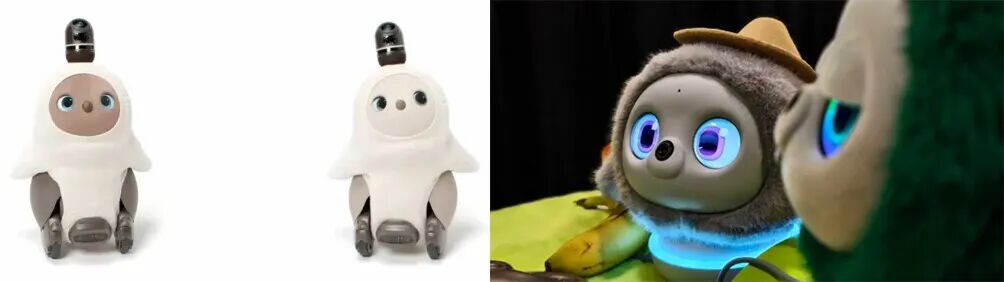
XDream Robotics成立2个月即获高瓴、智元等投资,主攻陪伴机器人
Sou Hu Cai Jing· 2025-11-11 03:42
Core Insights - XDream Robotics, a smart robotics company, has successfully completed multiple rounds of financing with notable investors including GL Ventures, Zhiyuan Robotics, and Houxue Capital [1][4] - The funds raised will primarily be used for product development and team building for the XDream series of companion robots [1] Company Overview - Founded in September 2025, XDream Robotics has raised several million in funding within just two months of its establishment [1] - The company aims to create intelligent agents with a "sense of life," capable of operating in both indoor and outdoor environments, demonstrating high emotional intelligence and weak language interaction abilities [4] Product Development - The first product from XDream Robotics is designed to naturally perceive and understand user emotions without requiring complex commands [4] - To achieve the robot's "emotional intelligence" and "sense of life," XDream has developed a "digital brain" cognitive structure based on human brain information processing mechanisms [4] Technology and Innovation - The cognitive system mimics the human brain's information processing, utilizing a layered approach of "fast brain/slow brain" and temporal memory [4] - The "fast brain" handles instinctive responses and immediate feedback, while the "slow brain" is responsible for reasoning and weighing options, integrating the robot's personality, emotions, and memories to produce more human-like behaviors [4] Team Composition - The core team of XDream Robotics consists of cognitive science experts from top global institutions and a seasoned hardware team in robotics [4] - The founder has a history of entrepreneurship, having previously sold a project to Oracle at the age of 17, while the co-founder was a co-founder of the publicly listed company Dreamland Technology [4]
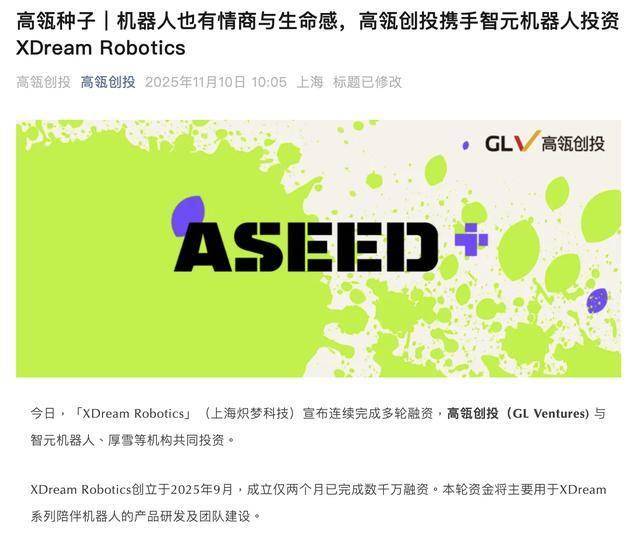
地平线前副总裁张玉峰创办「无界动力」,押注双臂轮式机器人
雷峰网· 2025-09-01 10:21
Core Insights - Zhang Yufeng, former Vice President of Horizon Robotics, has founded a new company called Wujie Power, focusing on the B-end industrial scene with a product line of dual-arm wheeled robots [2][3] - The trend of talent migration from intelligent driving to the robotics sector is evident, as another former executive, Yu Yinan, has also left Horizon to start a consumer robotics company [2][3] Group 1 - Zhang Yufeng's background includes a Master's degree in Engineering and an MBA, with previous roles at global semiconductor giants like SONY and ARM [3] - At Horizon, Zhang was responsible for global business development and built an international customer network across the US, Europe, Japan, and South Korea [3] - He led the development of key products such as Horizon Matrix for autonomous driving and Horizon Halo for in-car interaction [3] Group 2 - The emergence of Wujie Power and the departure of key executives from Horizon Robotics indicate a significant shift in the robotics industry, particularly in the context of intelligent driving talent moving towards robotics [2][3]
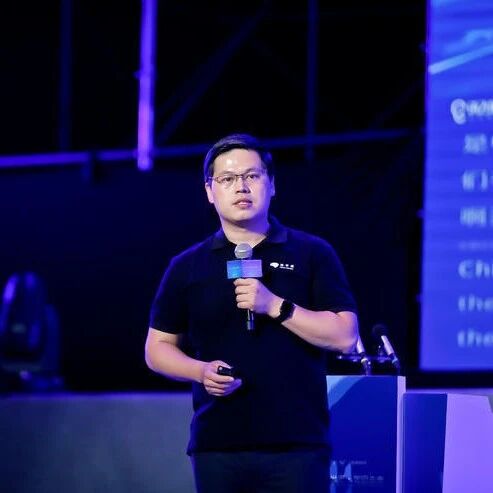
首批陪伴机器人交付在即:会撒娇卖萌,AI硬件变得“更懂人”
第一财经· 2025-07-02 15:16
Core Viewpoint - The market is poised to welcome the first batch of companion robots, which aim to establish emotional connections with users rather than being mere toys [1][2]. Group 1: Product Development and Features - Lingdong Robot plans to start its first wave of deliveries in August, focusing on human-like interaction through advanced motion capture and emotional recognition technologies [1]. - The core product is a 60 cm tall humanoid robot equipped with an AI module, designed to mimic human actions and respond to emotional cues [4][7]. - The robot's ability to understand and respond to user emotions is enhanced by integrating multimodal inputs, including visual and tactile sensors [7][8]. Group 2: Market Dynamics and Financial Aspects - Companies like Luobo Intelligent and Mengyou Intelligent have recently secured significant funding, indicating strong market interest in companion robots [1]. - The cost of AI modules embedded in toys ranges from 30 to 50 yuan, with potential retail prices for AI-enhanced plush toys reaching up to 500 yuan [11][12]. Group 3: Emotional Value and User Interaction - The emotional value of companion robots is determined by their ability to establish relationships with users, moving beyond simple verbal interactions [2][9]. - Continuous interaction and feedback are essential for the robot to learn and adapt its responses, similar to how humans develop social skills [8][13]. - The concept of "spirituality" in robots, defined by their self-learning capabilities and emotional engagement, is crucial for enhancing user experience [9][12].
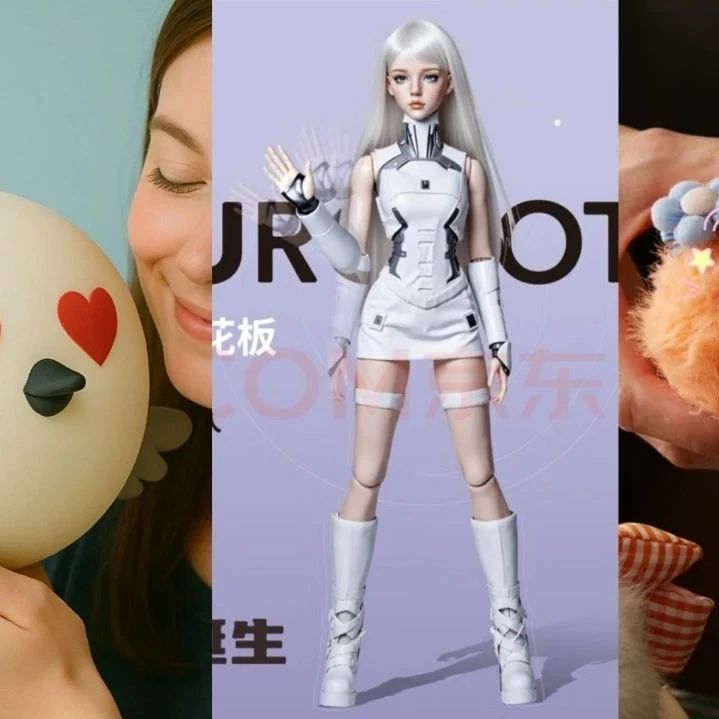
汤姆猫:已实现宇树科技机器狗与汤姆猫AI机器人的语音控制功能协同
news flash· 2025-06-20 09:10
Core Viewpoint - The collaboration between Tom Cat (300459) and Yushu Technology focuses on developing a companion robot that integrates AI voice interaction, emotional support, and environmental perception capabilities [1] Group 1: Company Collaboration - Tom Cat has confirmed its partnership with Yushu Technology to test the functionality of the robotic dog product [1] - The aim is to explore the integration of both companies' core functionalities to create a comprehensive companion robot [1] Group 2: Technological Development - The company possesses significant core advantages and technical reserves in AI voice interaction and emotional companionship [1] - Initial research and secondary development work have been conducted, including functional testing, interface adaptation, and system integration [1] - The robotic dog product has achieved voice control functionality in collaboration with Tom Cat's AI robots [1]