
餐饮行业透明化

Search documents
中国数字电视台品牌顾问刘海铭:西贝危机的品牌重塑路径
Xin Lang Cai Jing· 2025-10-02 06:17
Group 1 - The crisis was ignited by a tweet from Luo Yonghao, which criticized the use of pre-prepared dishes at a restaurant, leading to widespread public discussion about transparency and integrity in the restaurant industry [1][2] - The founder of Xibei, Jia Guolong, responded strongly to the criticism, asserting that none of the dishes were pre-prepared and announcing intentions to sue Luo, escalating the conflict [2][3] - The crisis expanded beyond Xibei, affecting the entire restaurant industry, with other companies expressing support for Xibei and raising broader questions about the definition and labeling of pre-prepared dishes [3][4] Group 2 - The crisis highlighted a fundamental conflict between Xibei's brand promise of fresh, high-quality ingredients and its operational model, which relies on a central kitchen for efficiency [7][8] - The ambiguity surrounding the definition of pre-prepared dishes and the lack of industry standards contributed to the crisis, as Xibei argued that its offerings did not fit the definition of pre-prepared food [9][10] - The crisis response from Xibei was criticized for relying on legal action rather than effective public relations, failing to address consumer concerns and emotions adequately [11][12] Group 3 - The crisis led to significant financial impacts for Xibei, with daily revenues dropping by approximately 1 million yuan during the initial days of the controversy [13] - The incident prompted a broader reflection within the industry regarding crisis management and the importance of transparency and consumer trust [14] - The introduction of national standards for pre-prepared dishes was accelerated as a result of the crisis, aiming to provide clearer definitions and safety regulations for the industry [15][16] Group 4 - The crisis underscored the necessity for companies to adopt transparent business practices to rebuild consumer trust, as seen in the responses from other restaurants that openly communicated their food preparation processes [21][22] - The importance of aligning brand promises with actual delivery was emphasized, as discrepancies can lead to consumer distrust and potential crises [26][27] - Establishing a comprehensive crisis management system is crucial for companies to effectively respond to potential issues and mitigate risks in a fast-paced information environment [31][32]


后厨直播抖音走红背后:促进餐饮行业透明化,有利于建立信任
Cai Fu Zai Xian· 2025-09-17 03:44
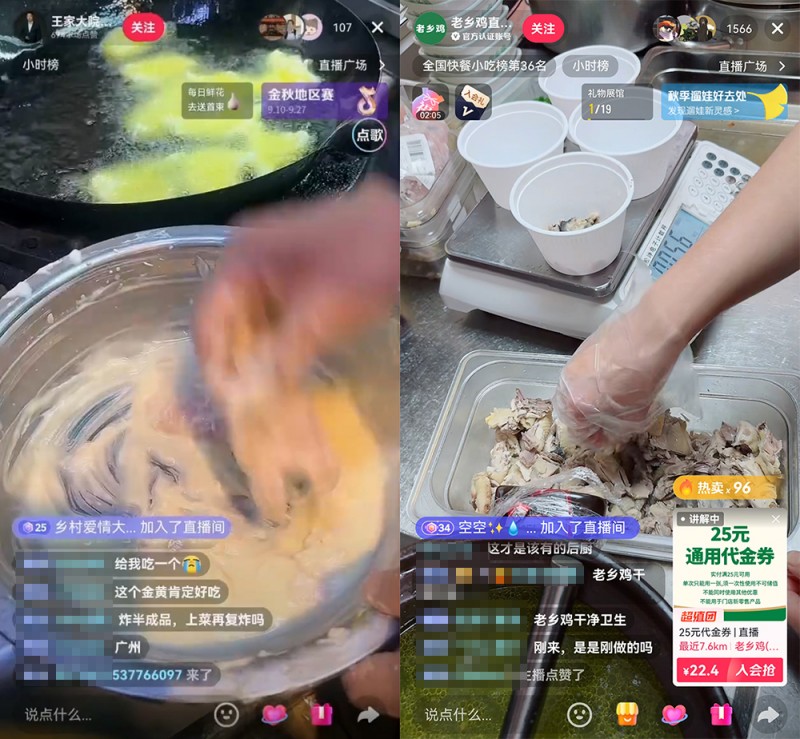
Core Viewpoint - The rise of live cooking broadcasts on Douyin has significantly enhanced transparency in the restaurant industry, allowing consumers to witness the cooking process and build trust with businesses [1][6]. Group 1: Live Cooking Broadcasts - Many restaurants are utilizing live cooking broadcasts to attract customers, with chefs showcasing their cooking skills and engaging with viewers [1][3]. - The broadcasts have become a popular way to demonstrate food preparation, with some chefs performing impressive cooking techniques that entertain viewers [4][6]. - The live streams have led to increased online engagement, with some broadcasts attracting tens of thousands of viewers simultaneously [4][6]. Group 2: Consumer Engagement and Trust - The transparency provided by live cooking broadcasts helps reduce information asymmetry between restaurants and consumers, fostering trust [6][7]. - Consumers can see the entire cooking process, which enhances their understanding of food preparation and the efforts of chefs [6]. - The interaction during live streams, such as answering viewer questions and showcasing cooking techniques, further strengthens the connection between restaurants and their customers [3][4]. Group 3: Business Impact - The live broadcasts serve as a natural content source and traffic entry point for small restaurants, converting online views into offline foot traffic [7]. - Douyin's initiatives, such as the "Smoke Fire Small Shop Support Plan," aim to stimulate offline business and promote consumption in the restaurant sector [7].
“西罗之争”也是餐饮行业改进的机遇
Nan Fang Du Shi Bao· 2025-09-15 15:09
Core Viewpoint - The incident involving Luo Yonghao's comments about Xibei's use of pre-prepared dishes has sparked significant public attention, leading to Xibei's acknowledgment of the gap between its production methods and customer expectations, and a commitment to adjust its practices by moving some food preparation to in-store cooking [1][3]. Group 1: Consumer Rights and Expectations - Consumers assert their right to know the true nature of the food they purchase, supported by consumer protection laws that mandate transparency regarding whether dishes are freshly prepared or pre-prepared [1][2]. - Many consumers do not oppose pre-prepared dishes per se but are against paying a premium for what they believe to be freshly cooked meals when, in fact, they are not [2]. Group 2: Industry Response and Opportunities - The controversy presents a transformation opportunity for the restaurant industry, as Xibei's adjustments respond to consumer demands for transparency and quality, potentially enhancing the dining experience [3][5]. - The shift towards in-store cooking and communication with suppliers to ensure freshness aligns with growing consumer concerns about food safety and ingredient quality [3]. Group 3: Regulatory and Market Trends - Recent regulatory developments, including a draft national standard for pre-prepared foods that mandates the absence of preservatives and requires disclosure of pre-prepared dish usage, indicate a move towards greater transparency in the industry [3]. - The market's response to this incident has led many restaurants to adopt live-streaming of kitchen processes, allowing consumers to witness food preparation firsthand, thereby building trust between consumers and the restaurant industry [4].
北京市市监局:已关注到西贝
Nan Fang Du Shi Bao· 2025-09-15 13:39
Core Viewpoint - The controversy surrounding the pre-prepared dishes of the restaurant chain Xibei has sparked significant public attention and regulatory scrutiny, highlighting consumer rights and the need for transparency in the food industry [1][2][4]. Company Summary - Xibei has acknowledged the disparity between its production methods and customer expectations, committing to adjust its operations by moving from centralized kitchen processing to on-site cooking in stores by October 1 [2][4]. - The company plans to modify several well-known dishes to be prepared fresh in-store, which aligns with consumer preferences for transparency and quality [4]. Industry Summary - The pre-prepared dish controversy presents an opportunity for the restaurant industry to improve and adapt, as consumer demand for transparency and quality increases [4][5]. - The recent regulatory developments, including the introduction of national food safety standards for pre-prepared dishes, will require restaurants to disclose their use of such products, further pushing the industry towards greater transparency [4]. - Many restaurants have begun live-streaming their kitchen processes to enhance consumer trust, showcasing the preparation of dishes in real-time [5].
预制菜风波也是餐饮行业改进的机遇
Nan Fang Du Shi Bao· 2025-09-15 12:37
Core Viewpoint - The incident involving Luo Yonghao's comments on Xibei's use of pre-prepared dishes has sparked significant public attention and debate regarding consumer rights and transparency in the restaurant industry [1][2]. Group 1: Consumer Rights and Expectations - Consumers assert their right to know whether the dishes they are consuming are freshly prepared or pre-prepared, supported by consumer protection laws [1]. - Many consumers do not oppose pre-prepared dishes per se but are against paying a premium for dishes that are not freshly made without their knowledge [2]. Group 2: Industry Response and Opportunities - Xibei's decision to adjust its cooking processes to prepare dishes on-site is a direct response to consumer demands for transparency and quality [3]. - The planned adjustments include popular dishes like "Children's Meal Beef Braised Rice" and "Pork Chop with Sauerkraut," which will now be made fresh, aligning with consumer expectations [3]. - The recent draft of national food safety standards emphasizes the need for transparency regarding the use of pre-prepared dishes in restaurants, indicating a shift towards greater accountability in the industry [3]. Group 3: Technological Adaptation - Many restaurants have begun live-streaming their kitchens to showcase the cooking process, enhancing consumer trust through transparency [4]. - This trend of kitchen live-streaming allows consumers to witness the preparation of their meals, fostering a stronger connection between consumers and the restaurant industry [4]. Group 4: Industry Transformation - The pre-prepared dish controversy presents an opportunity for the restaurant industry to improve and adapt to changing consumer expectations [5].