马年营销

Search documents
用“马”做营销,品牌玩出了哪些趋势?
Xin Lang Cai Jing· 2026-02-09 06:14
Core Insights - The marketing strategies for the upcoming Year of the Horse in 2026 reflect a shift from traditional symbols to deeper emotional connections with consumers, emphasizing the importance of understanding societal emotions and cultural psychology [23][24]. Group 1: Emotional Resonance - The Spring Festival marketing landscape is evolving from a focus on festive celebrations to a competition for emotional engagement, where brands aim to resonate with the genuine sentiments of contemporary Chinese consumers [2][4]. - Successful campaigns are not merely leveraging the auspicious imagery of the horse but are deeply engaging with the emotional contexts of modern life, transforming the horse symbol into a medium for empathy and connection [7][13]. Group 2: Cultural Translation - Brands are transitioning from being mere carriers of cultural symbols to becoming translators of cultural meanings, creatively revitalizing traditional imagery to resonate with contemporary audiences [8][11]. - The effective cultural marketing strategy lies in understanding the aesthetic essence of cultural symbols and narrating them through modern visual language, allowing brands to connect with consumers on a deeper level [9][13]. Group 3: Experience Reconstruction - The trend in offline experiences is shifting from mere physical setups to creating immersive emotional environments, where brands aim to engage consumers in meaningful ways that transcend traditional marketing [14][20]. - Successful experiential marketing focuses on creating memorable emotional moments that resonate with consumers, transforming simple transactions into significant emotional experiences [21][22].

马年营销 品牌争夺爆款“黑马”
Mei Ri Shang Bao· 2026-02-03 23:22
Core Insights - The marketing strategies for the Year of the Horse are gaining momentum, with a significant increase in related product launches and sales on e-commerce platforms, indicating strong consumer demand [1] - Brands are leveraging various marketing techniques such as puns, collaborations, and storytelling to transform cultural symbols into consumer behavior, making the "Horse" element a central marketing symbol [1] Group 1: Pun Marketing - The use of pun marketing, particularly with celebrities whose names contain "Ma," has proven effective in engaging consumers and creating memorable brand associations [2] - Yili's campaign featuring actress Ma Yili exemplifies this approach, incorporating social media suggestions and interactive storytelling to enhance consumer participation [2] - Other brands, like Han Shu, have also utilized puns creatively in their advertising, resulting in increased attention and engagement from consumers [3] Group 2: Collaborative Marketing - Cross-industry collaborations are being employed to integrate traditional cultural elements into marketing strategies, enhancing brand creativity [4] - Brands like Mixue Ice City are partnering with cultural heritage representatives to create unique marketing campaigns that resonate with consumers [4] - Jewelry brand Mankalon is also leveraging art and cultural heritage by collaborating with the Xu Beihong Art Museum to launch themed products, aligning with the cultural attributes of the Spring Festival [4] Group 3: Narrative Marketing - Narrative marketing focuses on creating immersive experiences that connect brands with consumers through storytelling and cultural themes [5] - Brands like Guansha are hosting interactive events in cultural landmarks, allowing consumers to engage with the brand in a meaningful way [5] - Belle is utilizing artistic collaborations to create visually impactful pop-up stores that resonate with the theme of the Year of the Horse, enhancing brand perception [5][6]


跳出谐音怪圈,马年营销终迎 “讲故事” 的实力派品牌
Jing Ji Guan Cha Bao· 2026-02-02 09:54
Core Viewpoint - The article discusses the disappointing state of marketing strategies during the Year of the Horse, highlighting the prevalence of superficial puns and celebrity endorsements, while praising brands that focus on storytelling and emotional connection with consumers [2][15]. Group 1: Marketing Trends - Many brands have fallen into a creative rut, simplifying their marketing to low-level puns and celebrity associations, leading to consumer fatigue and a lack of meaningful engagement [2][15]. - The article criticizes the overuse of phrases like "马上有喜" and "马上发财," which lack originality and depth, resulting in a homogenized marketing landscape [2][15]. Group 2: Successful Campaigns - Apple’s new Spring film "碰见你" showcases a high-quality narrative that combines real-life scenes with stop-motion animation, effectively resonating with young consumers and emphasizing the importance of content-driven marketing [4][6]. - Pepsi's "把乐带回家" series continues to evoke emotional connections through relatable family stories, celebrating its 15th anniversary with innovative storytelling that aligns with contemporary themes [7][10]. - Taobao's short film "马背长大 马年回家" stands out for its simple yet profound emotional appeal, reminding viewers of childhood memories and the importance of family, thus achieving significant impact with minimal product placement [11][15]. Group 3: Marketing Philosophy - The article emphasizes that effective brand marketing is not about gimmicks or short-term attention but about creating meaningful content that resonates with consumers on an emotional level [15]. - Brands are encouraged to explore the deeper emotional values associated with the Year of the Horse, integrating these insights into their marketing strategies to foster genuine connections with their audience [15].


马年CNY营销,谁抢占了春节情绪高地?
3 6 Ke· 2026-01-23 02:19
Core Insights - The article emphasizes the importance of integrating cultural symbols, sports spirit, core technology, and key market segments for brands to maintain a competitive edge in the market during the Year of the Horse [1][34] - The marketing strategies of various sports brands during the Year of the Horse are highlighted, showcasing their efforts to avoid homogenization and find a balance between cultural deconstruction and brand expression [5][34] Group 1: Cultural Significance of the Horse - The preference for the "Horse" symbol among sports brands is rooted in its rich cultural connotations and strong spiritual symbolism, representing speed, endurance, and success [2][4] - The Horse's image resonates deeply with consumers, making it an effective marketing symbol that connects emotionally and culturally [2][4] Group 2: Marketing Strategies - Brands are employing three main marketing strategies: cultural empowerment, emotional resonance, and product performance linkage [5][13] - Cultural empowerment involves leveraging traditional symbols and values associated with the Horse to create meaningful marketing narratives [5][7] - Emotional resonance focuses on connecting the Horse's spirit with consumers' experiences and attitudes towards life and sports [13][15] Group 3: Product Integration - Brands are integrating the Horse's imagery and spirit into their product designs, enhancing the emotional and cultural value of their offerings [4][9] - Examples include PUMA's "Puma Power" series and Anta's collaboration with Xu Beihong's "Galloping Horses" painting, showcasing a blend of traditional art and modern sports aesthetics [7][9] Group 4: Future Marketing Opportunities - The Year of the Horse in 2026 is anticipated to be a significant marketing opportunity, particularly with the integration of the Horse theme into marathon events [28][30] - The alignment of the Horse's symbolism with the endurance and spirit of marathon running presents a unique marketing angle for brands [30][32] - The potential for "Horse Year × Marathon" marketing strategies could lead to innovative product offerings and deeper consumer engagement [32][34]




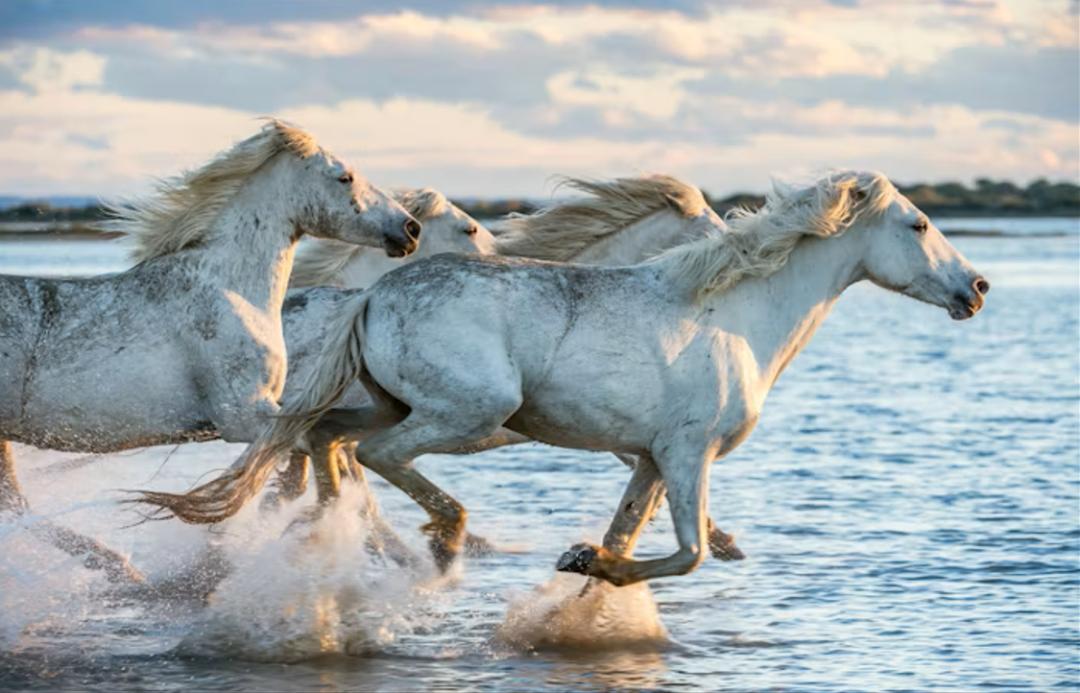
马年品牌短片比AI还“抽象”
3 6 Ke· 2026-01-20 00:28
Core Insights - The article discusses the innovative marketing strategies employed by various brands for the upcoming Year of the Horse, highlighting the use of humor and abstract concepts in advertisements [5][6][19] Group 1: Brand Strategies - Yili has successfully engaged with internet users by incorporating suggestions for their advertising campaign, featuring actress Ma Yili, which reflects a trend of interactive marketing [8][10] - Mengniu has opted for a different approach by assembling a trio of popular figures to create a narrative that resonates with younger audiences, focusing on the theme of good fortune [12][14] - Jin Zai's collaboration with actress Liu Xiaoqing showcases a modern short-drama marketing style, integrating popular cultural references to enhance viewer engagement [14][15] Group 2: Advertising Trends - The concept of "abstract" has emerged as a key theme in this year's advertising, with brands prioritizing creativity and engagement over traditional storytelling [6][8] - The rise of AI-generated content has prompted brands to emphasize the "human touch" in their advertisements, showcasing genuine emotions and relatable narratives [15][19] - The blending of various content types in advertisements is becoming more prevalent, allowing for a richer and more diverse storytelling approach [17][19]