AI广告

Search documents
Meta didn't buy Moltbook for bots — it bought into the agentic web
TechCrunch· 2026-03-11 15:11
Core Insights - Meta's acquisition of Moltbook, a social network for AI agents, raises questions about its strategic intent, as bots are not traditional targets for brand advertising [1][2] - The acquisition appears to be an acqui-hire aimed at gaining talent from Moltbook, which could enhance Meta's advertising capabilities through innovative AI agent ecosystems [2] Group 1: Strategic Intent - Meta's official statement indicates that the Moltbook team will join Meta Superintelligence Labs, suggesting a focus on developing new interactions between AI agents and businesses [2] - CEO Mark Zuckerberg envisions a future where every business will have a business AI, similar to having an email or social media account, indicating a shift towards an agentic web [3] Group 2: AI in Advertising - AI is increasingly being utilized to generate ad creative and tailor outputs based on viewer demographics, which could enhance product pricing and personalized offers [4] - The concept of an "agent graph" is introduced, which would map connections between various AI agents, potentially transforming how advertising operates in an agentic web [6] Group 3: Consumer Interaction - AI agents could assist consumers in finding the best deals, managing bookings, and even making purchases on their behalf, although the technology is still developing [5] - The interaction between business agents and consumer agents could redefine advertising, as negotiations may occur directly between agents rather than through human intermediaries [7] Group 4: Market Potential - If Meta can effectively leverage AI to orchestrate interactions between agents, it could expand its advertising business into new areas, capitalizing on personalized consumer preferences [9] - The success of this strategy hinges on consumer acceptance of AI agents acting autonomously, as indicated by the existence of tools like OpenClaw [10] Group 5: Competitive Landscape - The acquisition may also be a strategic move following the loss of OpenClaw's creator to OpenAI, indicating a competitive response to maintain relevance in the AI space [11]



欢聚集团2026年战略聚焦股东回报与AI广告业务拓展
Xin Lang Cai Jing· 2026-02-15 22:49
Core Insights - The company plans to return approximately $900 million to shareholders through buybacks and dividends from 2025 to 2027, with $237 million already completed by November 14, 2025 [2] - The company aims to expand its AI advertising technology platform, BIGO Ads, in high-value markets such as North America and Europe in 2026, while also optimizing its iOS ecosystem [2] - The live streaming business is expected to return to steady growth in 2026 after two consecutive quarters of sequential growth, potentially supported by new regional operations or product iterations [2] Shareholder Return Plan - The company announced a plan to return about $900 million to shareholders through buybacks and dividends from 2025 to 2027 [2] - As of November 14, 2025, the company has completed $237 million in buybacks and dividends [2] - Management emphasized accelerating buybacks to enhance shareholder returns during the earnings call [2] Strategic Advancement - The company will focus on expanding its AI advertising technology platform, BIGO Ads, in high-value markets, particularly in North America and Europe [2] - There will be an optimization of the iOS ecosystem integration [2] - The management anticipates that the live streaming business will return to a steady growth trajectory in 2026 [2] Performance and Operational Status - The company typically releases quarterly earnings reports, with 2026 earnings to be disclosed throughout the year [3] - Investors should monitor the progress of the live streaming and advertising businesses, user metrics (such as MAU), and cash flow status, with net cash reported at $3.32 billion as of September 30, 2025 [3] - This information will help assess the effectiveness of the company's diversification strategy [3]

知道你一切隐私的AI 现在着急卖广告赚钱了
Xin Lang Ke Ji· 2026-02-13 15:22
Core Viewpoint - The article discusses the competitive landscape between AI companies, particularly focusing on Anthropic's aggressive advertising campaign targeting OpenAI, which has recently announced plans to introduce ads in its ChatGPT product due to financial pressures [1][3][4]. Group 1: Advertising Strategies - Anthropic spent over $25 million on Super Bowl ads to criticize OpenAI, highlighting the ethical concerns surrounding AI and advertising [1][3]. - OpenAI's CEO Sam Altman, who previously expressed discomfort with advertising, has shifted to this model as a necessary revenue source due to significant financial losses, with projected losses of nearly $80 billion in 2025 [4][5]. - OpenAI's advertising strategy includes testing ads only for free users and lower-tier subscription users, ensuring that ads do not affect the content of responses and maintaining user privacy [5][6][8]. Group 2: Financial Performance - OpenAI reported an annual revenue of $20 billion in 2022, but is facing a projected cumulative loss of over $135 billion by mid-2025 [4][5]. - The company anticipates generating $1 billion from advertising by 2026, with expectations to grow to nearly $25 billion by 2029, indicating the critical role of advertising in its business model [7][8]. Group 3: Competitive Dynamics - Anthropic, founded by former OpenAI employees, has achieved significant growth, with an annual revenue of over $9 billion and expectations to reach $26 billion this year, primarily from enterprise clients [9][11]. - The rivalry between Anthropic and OpenAI is intensified by their respective advertising strategies and market positioning, with both companies preparing for potential IPOs [11][12]. Group 4: Internal and External Reactions - OpenAI's advertising plans have sparked internal dissent, leading to the resignation of a prominent researcher who expressed concerns about the ethical implications of monetizing user interactions [15][18]. - The article draws parallels between OpenAI's situation and Facebook's past issues with user data privacy, raising concerns about the potential misuse of sensitive user information in advertising contexts [19][20][22].
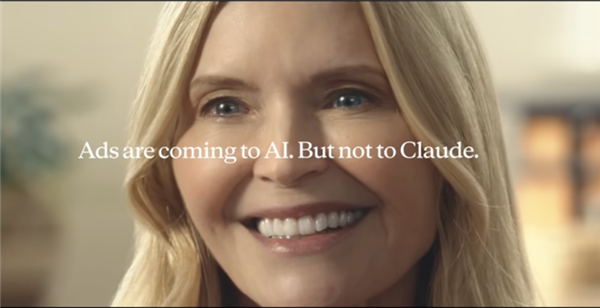
知道你一切隐私的AI,现在着急卖广告赚钱了
Xin Lang Ke Ji· 2026-02-13 01:35
Core Insights - Anthropic launched a series of satirical ads during the Super Bowl, indirectly targeting OpenAI, highlighting the competitive tension in the AI industry [2][3] - OpenAI is under financial pressure, leading to a shift in its stance on advertising, which was previously viewed as a last resort [4][10] - OpenAI's advertising strategy aims to generate significant revenue, with projections indicating it could account for a substantial portion of future income [10][21] Financial Performance - OpenAI reported cumulative losses exceeding $13.5 billion in the first half of 2025, with an annual loss approaching $8 billion [4] - Internal forecasts suggest OpenAI will face approximately $143 billion in negative free cash flow from 2024 to 2029 [4] - Despite achieving an annual revenue of $20 billion and having over 800 million active users, OpenAI's financial sustainability is in question due to high operational costs [4][5] Advertising Strategy - OpenAI plans to test ads in ChatGPT, with a CPM (cost per thousand impressions) set at around $60, significantly higher than typical rates on platforms like Meta [5][8] - Ads will be clearly marked and only shown to free users and those on a lower-tier subscription, with safeguards in place to protect user data and privacy [6][10] - The company anticipates generating $1 billion from monetizing free users through ads by 2026, potentially rising to nearly $25 billion by 2029 [10] Competitive Landscape - Anthropic's revenue model focuses on B2B, achieving over $9 billion in annual revenue with expectations to reach $26 billion [11] - The rivalry between Anthropic and OpenAI is intensified by their historical connections, with Anthropic's founders previously part of OpenAI [11][19] - OpenAI's advertising plans have drawn criticism from within the company, leading to resignations and concerns about the ethical implications of monetizing user interactions [17][19] Industry Implications - The introduction of AI-driven advertising is expected to transform digital marketing, with projections indicating a surge in spending from $1.1 billion in 2025 to $26 billion by 2029 [21] - Major players like Google and Meta are also integrating AI capabilities into their advertising strategies, indicating a broader industry shift towards AI-driven marketing solutions [21]
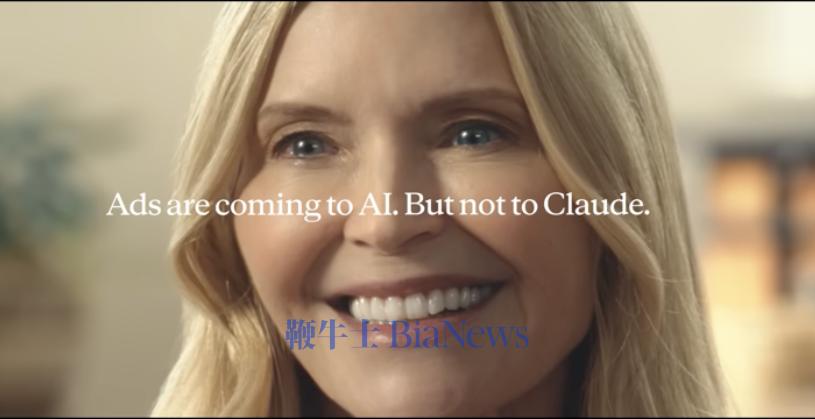
知道你一切隐私的AI,现在着急卖广告赚钱了|硅谷观察
Xin Lang Cai Jing· 2026-02-13 00:02
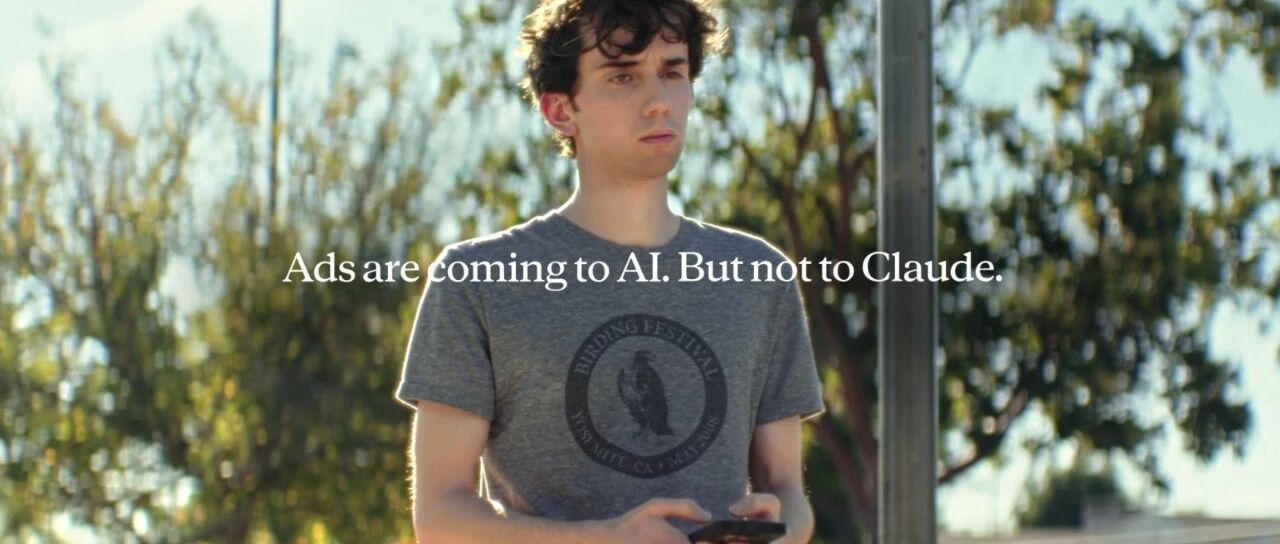
Core Viewpoint - The article discusses the competitive landscape between AI companies, particularly focusing on OpenAI's shift towards advertising as a revenue model due to financial pressures, and the backlash from competitors and internal stakeholders regarding this decision [2][4][5]. Group 1: Advertising Strategy - OpenAI plans to test advertisements in ChatGPT, targeting free users and lower-tier subscription users, while ensuring that ads do not affect the content of responses [6][28][30]. - The company has set a high CPM (cost per thousand impressions) of approximately $60 for ChatGPT ads, significantly higher than typical rates on platforms like Meta [9][30]. - OpenAI anticipates generating $1 billion from advertising by 2026, with projections increasing to nearly $25 billion by 2029, indicating the central role of advertising in its future business model [10][31][32]. Group 2: Financial Pressures - Despite achieving an annual revenue of $20 billion and having over 800 million active users, OpenAI faces significant financial challenges, including projected losses of $80 billion for the year and a cumulative loss of $135 billion by mid-2025 [5][26]. - The company has committed to investing over $1.4 trillion in AI infrastructure over the next eight years, highlighting the unsustainable nature of its current revenue streams [26][28]. Group 3: Competitive Dynamics - Anthropic, a competitor founded by former OpenAI employees, has launched a series of ads targeting OpenAI, spending over $25 million during the Super Bowl to highlight its differences and criticize OpenAI's advertising strategy [2][12][25]. - Anthropic's business model focuses on B2B services, achieving significant revenue growth and positioning itself as a formidable competitor despite having fewer active users than OpenAI [12][34]. Group 4: Internal and External Reactions - OpenAI's advertising plans have sparked internal dissent, with a prominent researcher resigning in protest, expressing concerns that the shift towards advertising could compromise user trust and lead to data misuse [39][41]. - Industry analysts and former employees have drawn parallels between OpenAI's situation and Facebook's past, warning that financial pressures could lead to compromised ethical standards and user privacy violations [40][41][43].
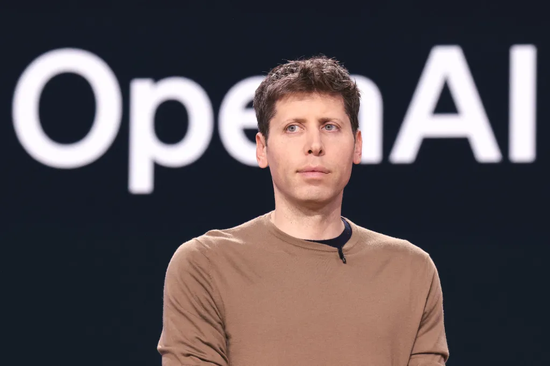
AI卖广告,吵到了超级碗:全球网友围观奥特曼破防
机器之心· 2026-02-06 03:57
Core Viewpoint - The article discusses the contrasting advertising strategies of OpenAI and Anthropic, highlighting Anthropic's decision to keep its AI assistant Claude ad-free as a response to OpenAI's introduction of ads in ChatGPT [2][12][24]. Group 1: Anthropic's Advertising Strategy - Anthropic aired a Super Bowl ad that humorously critiques OpenAI's decision to introduce ads in ChatGPT, emphasizing that Claude will remain ad-free [2][6][12]. - The company believes that integrating ads into AI conversations is incompatible with Claude's role as a serious assistant, especially in sensitive or complex discussions [11][14]. - Anthropic's stance is that users should not have to question whether the AI is genuinely helping them or steering conversations towards monetization [13][15]. Group 2: OpenAI's Response - OpenAI's CEO Sam Altman acknowledged the humor in Anthropic's ad but criticized it as a dishonest tactic, asserting that OpenAI's advertising principles differ significantly from what Anthropic portrayed [18][20]. - Altman highlighted that OpenAI aims to provide free access to AI for everyone, with a significant user base in Texas alone surpassing the total users of Claude [19][24]. - He accused Anthropic of catering to wealthier clients and attempting to control AI usage, contrasting OpenAI's commitment to broad access and democratic decision-making [20][21]. Group 3: Financial Context and Business Models - OpenAI is facing substantial financial pressures, with projected losses of approximately $9 billion this year against expected revenues of $13 billion, while only about 5% of its 800 million active users are paying subscribers [24]. - In contrast, Anthropic, while also not yet profitable, is expected to achieve profitability faster and relies on enterprise contracts and paid subscriptions rather than large-scale data center investments [24]. - Anthropic's Claude Code and Cowork have reportedly generated at least $1 billion in revenue, indicating a different approach to monetization compared to OpenAI [24].
当马年品牌短片只剩“谐音梗”...
3 6 Ke· 2026-02-06 00:48
Core Viewpoint - The article critiques the trend of brands using horse-themed puns and celebrity endorsements during the Year of the Horse, suggesting that this approach lacks creativity and depth, ultimately leading to consumer fatigue and diminishing returns for brand equity [5][12][20]. Marketing Strategy Analysis - The marketing strategy of using horse-related celebrities is seen as a formulaic approach driven by commercial logic rather than genuine creativity, making it easily replicable and less impactful [6][10]. - Initial campaigns featuring celebrities like Ma Sichun and Ma Yili generated positive responses due to their novelty, but subsequent imitations led to a significant decline in effectiveness [8][12]. - Brands like Tmall Health and Mengniu are criticized for failing to create meaningful connections between their products and the celebrity endorsements, resulting in superficial advertising that lacks substance [10][12]. Emotional Engagement - The article contrasts the shallow emotional engagement of the horse-themed ads with the deeper storytelling found in Apple's annual Chinese New Year short films, which resonate with audiences on a personal level [13][18]. - Apple's approach focuses on authentic emotional expression rather than gimmicky marketing tactics, allowing for a more profound connection with consumers [18][20]. Long-term Brand Value - The article emphasizes the importance of creating sustainable brand narratives that can endure over time, rather than relying on fleeting trends or gimmicks [21]. - It argues that the true challenge in the AI-driven advertising landscape is to maintain authenticity and depth in storytelling, which cannot be easily replicated by technology [20][21].



ChatGPT“广告即服务”,能改变数字广告格局吗?
3 6 Ke· 2026-02-04 11:02
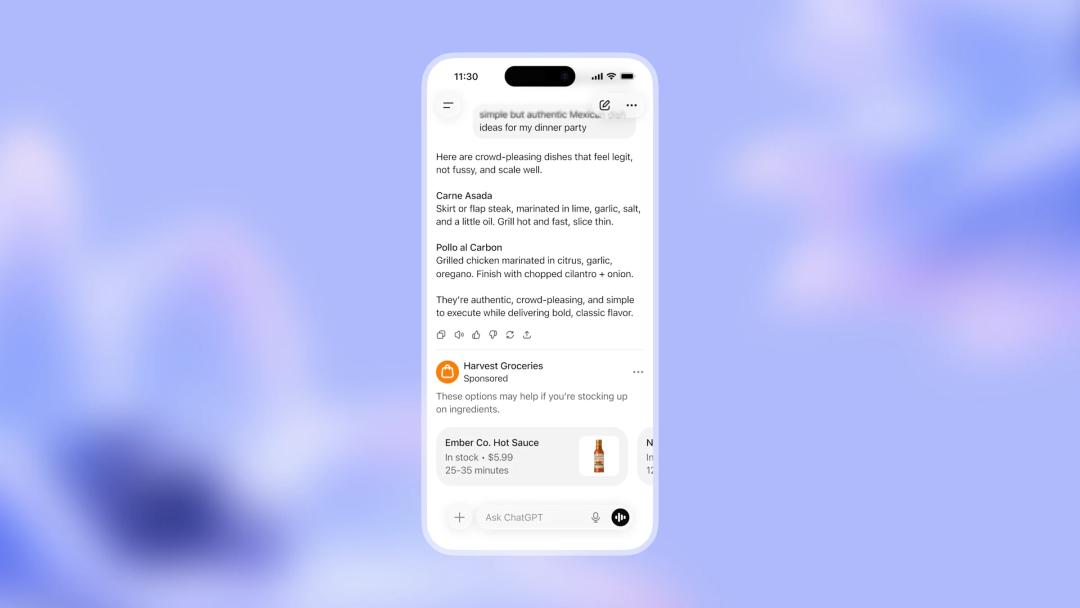
Core Insights - OpenAI plans to test ChatGPT advertising in the U.S. targeting free users and ChatGPT Plus subscribers, who represent 95% of total users but contribute little to revenue, indicating a survival strategy amid financial pressures [1] - The advertising cost for ChatGPT is set at $60 CPM, significantly higher than Meta's average of under $20 CPM, raising concerns about the feasibility of attracting brands to this untested advertising channel [1][2] - The advertising model aims to leverage real-time user data for targeted ads, but faces skepticism due to high costs and untested effectiveness, leading to a cautious approach from advertisers [4][5] Advertising Challenges - ChatGPT faces a similar challenge to early internet advertising, where convincing brands to shift budgets from traditional media to digital platforms was difficult, compounded by the current high stakes of AI advertising [2] - The platform's ability to provide personalized recommendations based on user interactions could enhance ad effectiveness, but requires extensive training data to avoid errors that could alienate users [4][5] - The current digital advertising landscape is saturated, with established channels still effective, making it harder for ChatGPT to prove its value to advertisers [6][7] Potential Advantages - ChatGPT's advertising model could transform traditional advertising by responding to explicit user needs rather than predicting them, potentially leading to higher conversion rates [9][11] - The integration of ads into user interactions could create a seamless experience, turning advertisements into useful information rather than interruptions [9][10] - OpenAI could develop a comprehensive ecosystem around advertising, enhancing its AI's capabilities through user feedback and data, but this requires significant investment from advertisers [10][12] Future Outlook - While ChatGPT's advertising model presents challenges, it also offers a unique opportunity to redefine advertising logic from attention-based to intent-based, focusing on solving user problems rather than merely capturing attention [11][12] - The success of this model hinges on overcoming existing hurdles and proving its effectiveness to advertisers, which may take time to validate [12]
OpenAI的理想主义,终于向广告低头了
创业邦· 2026-01-25 10:33
Core Viewpoint - OpenAI is shifting from a technology idealism approach to a monetization strategy focused on advertising, indicating a significant change in its business model as it seeks to address financial pressures and competition in the AI market [5][10][15]. Group 1: Advertising as a Revenue Stream - OpenAI plans to introduce ads alongside answers in ChatGPT for U.S. users, with expectations of generating over $10 billion in ad revenue by 2027 and $110 billion by 2030 from non-paying users [6]. - The company anticipates reaching $13 billion in revenue by 2025, with weekly active users projected to hit 800 million, while facing escalating costs of approximately $17 billion by 2026 [10]. - Sam Altman's attitude towards advertising has evolved from rejection to acceptance, recognizing the necessity of ads for making AI accessible to a broader audience [11][13][15]. Group 2: Competitive Landscape and Market Share - OpenAI's market share in the enterprise sector has decreased from an estimated 50% in 2023 to 27% this year, as competitors like Anthropic and Google gain ground [10]. - The historical trend shows that major tech companies, including Google and Meta, initially resisted advertising but eventually adopted it due to financial pressures [14][15]. Group 3: Domestic AI Companies' Strategies - Unlike OpenAI, most domestic AI companies are not rushing to implement advertising but are instead focusing on transforming AI into transaction and service gateways [20]. - Baidu is leading the charge in reimagining advertising through AI, with plans to integrate AI-driven search results into its commercial flow by 2025 [21]. - Other companies like Doubao and Kimi Qianwen are also moving towards making AI a transaction entry point rather than relying on traditional advertising [22]. Group 4: User Experience and Trust - Users are generally open to AI making purchasing decisions, provided they trust the AI's recommendations [31]. - A study indicates that 75% of consumers feel frustrated with shopping processes, leading them to prefer AI assistance, although concerns about AI's credibility arise with the introduction of ads [33][34]. - The challenge lies in balancing advertising revenue with maintaining user trust in AI, as undisclosed ads could undermine the perceived objectivity of AI recommendations [38][39].

OpenAI“折腰”:ChatGPT卖广告,还能客观回答吗?
Bei Ke Cai Jing· 2026-01-22 08:26
Core Insights - OpenAI's shift from resisting to embracing advertising within two years highlights a significant change in its business strategy, driven by financial pressures and the need for sustainable revenue sources [1][6][7] - The introduction of advertising in ChatGPT marks the transition of generative AI commercialization into a new phase, moving from heavy losses to exploring profitability [1][6] - OpenAI's advertising strategy is designed to balance user experience with revenue generation, targeting free and lower-tier subscription users while maintaining an ad-free experience for premium users [2][6] Financial Context - OpenAI faces an annual loss of $8 billion and a lawsuit from Elon Musk seeking $134 billion in damages, which adds to its financial challenges [1][7] - The company projects a significant increase in revenue, with an expected annual income of over $20 billion by 2025, despite forecasting a loss of $8 billion for the same year [6][7] - Internal predictions suggest that advertising revenue could exceed $10 billion by 2027 and reach $110 billion by 2030, indicating a potential shift in revenue structure [5][7] Advertising Strategy - OpenAI's advertising model is distinct from traditional internet platforms, integrating ads into conversational contexts, which allows for more targeted and subtle marketing [8][10] - The company emphasizes that it will not allow advertisers to influence the content of ChatGPT's responses, aiming to maintain user trust and data privacy [3][10] - The introduction of a tiered subscription model allows for differentiated user experiences, with free users exposed to ads while premium users remain ad-free [2][6] Market Implications - The move towards advertising is seen as both a warning and an opportunity for domestic AI companies, indicating a more competitive landscape and the need for diversified revenue streams [1][6] - The advertising approach may reshape user perceptions of ChatGPT as a purely functional tool, raising concerns about trust and privacy [10] - The ongoing exploration of advertising within ChatGPT serves as a case study for other AI companies, highlighting the importance of balancing user experience with monetization strategies [10]