
高端茶饮

Search documents
全国首店!喜茶将在广州开出新店型
Nan Fang Nong Cun Bao· 2026-01-16 12:33
Core Insights - The article discusses the opening of a new store format by Heytea in Guangzhou, which emphasizes craftsmanship and aims to explore new possibilities in tea [1][11][19]. Group 1: New Store Format - Heytea is set to open its first "craft" store in Guangzhou, moving away from its traditional bright style to a rustic design featuring wooden elements and vintage furniture [11][12]. - The store's decor includes clear signage highlighting the focus on craftsmanship, with phrases like "reimagining craftsmanship" and "good craftsmanship, take it slow" [13][14]. - Currently, the store is under renovation, and specific details regarding its product offerings and design have not yet been disclosed [16]. Group 2: Market Positioning and Strategy - The new store format is part of Heytea's strategy to innovate in tea craftsmanship and enhance the customer experience, potentially offering limited handmade specials and ingredient sourcing displays [19][20]. - This initiative is not Heytea's first attempt at entering the high-end market; a previous "handcrafted" store opened in Shenzhen in September 2021 but was closed the following year due to high pricing and operational costs [25][32]. - The company aims to optimize its high-end offerings based on past experiences, indicating a strategic shift towards enhancing brand competitiveness through differentiated store formats [34][51]. Group 3: Store Network and Brand Strategy - As of January 2023, Heytea operates 3,846 stores across 313 cities, with 842 stores in Guangdong, making it the most densely populated area for the brand [37]. - The company has been adjusting its store types, with a focus on standard inspiration stores, customized DP stores, LAB innovation flagship stores, and tea house stores targeting premium tea experiences [39][40]. - In 2022, Heytea announced a shift from a direct sales model to franchising, which led to challenges in brand consistency and quality control [43]. - A strategic pivot was made in February 2025 to focus on user value and brand essence, resulting in a reduction of store numbers from 4,610 to 3,930 within a year [45][46].


“翻红”的泰奶,还能火多久?
3 6 Ke· 2026-01-08 13:13
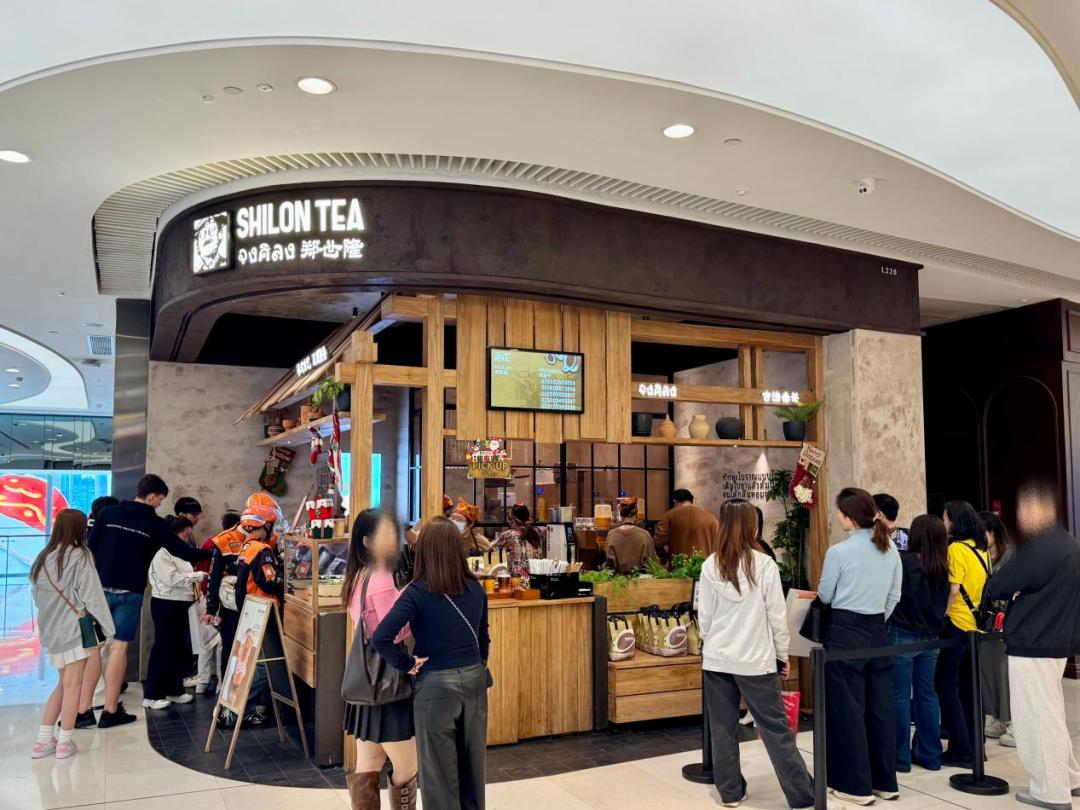
Core Insights - The resurgence of Thai milk tea brands is marked by a shift in consumer perception, moving away from stereotypes of being overly sweet and unhealthy to a focus on natural ingredients and unique flavors [1][13][20] - New Thai milk tea brands are achieving significant financial success, with some stores reporting monthly revenues as high as 950,000 yuan (approximately 135,000 USD) and rapid expansion across major cities [3][8][21] Market Trends - A new wave of Thai milk tea brands, such as Zheng Shilong and Thai Ke Tea Garden, have quickly gained popularity, with the latter expanding to 130 stores in major cities like Beijing and Shanghai within a short time frame [3][8] - Social media platforms like Douyin and Xiaohongshu have seen massive engagement with Thai milk tea content, with related topics garnering over 77 million views on Douyin and 130 million on Xiaohongshu [5][19] Product Positioning - The new Thai milk tea brands are positioned in the mid to high-end market, with prices ranging from 22 to 28 yuan (approximately 3.20 to 4.00 USD), contrasting with previous brands that typically priced their products between 18 to 20 yuan [8][20] - These brands emphasize a premium experience, focusing on store design and product presentation to create an inviting atmosphere for consumers [10][13] Health and Quality Focus - The new brands are actively working to shed negative perceptions associated with Thai milk tea, such as high sugar content and artificial ingredients, by promoting the use of natural ingredients and healthier preparation methods [13][14][20] - Innovations in flavor profiles, such as the introduction of savory elements to balance sweetness, are being utilized to attract health-conscious consumers [16][20] Industry Dynamics - The rise of Thai milk tea brands is supported by a mature industry structure, with effective team collaboration and resource sharing among brands, enabling rapid market penetration and scalability [21][23] - The timing of this trend coincides with a saturation in the traditional tea beverage market, prompting a shift towards unique offerings like Thai milk tea that appeal to younger consumers seeking novelty [20][21] Future Considerations - The sustainability of this trend may be challenged by the need for consistent consumer engagement and the ability to convert initial trial into repeat purchases, which will be crucial for long-term success [23]
霸王茶姬奇谭
YOUNG财经 漾财经· 2025-12-19 10:10
Core Viewpoint - The article discusses the remarkable journey of Zhang Junjie, the founder of Bawang Chaji, highlighting his rise from humble beginnings to becoming a prominent figure in the tea beverage industry, alongside his recent marriage to Gao Haichun, a notable figure in the photovoltaic sector [4][12]. Group 1: Zhang Junjie's Background - Zhang Junjie has a compelling backstory, having faced significant hardships, including becoming an orphan at a young age and living in poverty before transforming a struggling tea shop into a successful brand [5][7]. - His educational background is ambiguous, with claims of starting to learn to read at 18, yet he has held significant positions in companies, showcasing a paradoxical narrative of success despite limited formal education [8][10]. - Investors have expressed both admiration and skepticism regarding his unconventional journey, noting his ability to articulate industry insights and strategic decisions effectively [10][11]. Group 2: Bawang Chaji's Business Strategy - Bawang Chaji differentiates itself by focusing on high-quality fresh milk tea while avoiding the costly fruit tea segment, positioning itself in the mid-to-high-end market with prices ranging from 15 to 20 yuan [16]. - The company has adopted a strategy of limited new product launches, averaging only 17 new products per year compared to competitors, which have significantly higher averages [17]. - Despite operating at a loss, Bawang Chaji has aggressively expanded its store count, aiming to open over 1,000 new stores in 2022 alone, resulting in a total of 7,338 stores by the end of the third quarter of this year [17][18]. Group 3: Financial Performance and Challenges - Bawang Chaji reported a net income of 3.288 billion yuan in the third quarter, reflecting a 9.4% year-over-year decline, attributed to increased price sensitivity among consumers due to competitive market conditions [19]. - The company has recognized the need to diversify its product offerings to stimulate consumer interest and plans to enhance its product matrix and adjust its franchise model to improve revenue sharing [19][20]. - The brand's rapid expansion has led to a decline in same-store sales, with a reported 28.3% decrease in monthly average GMV in the Greater China region [18]. Group 4: Personal and Professional Connections - Zhang Junjie has cultivated a high-value network, which has facilitated Bawang Chaji's financing and growth, including connections with influential figures in various industries [13][14]. - His marriage to Gao Haichun, a prominent figure in the photovoltaic industry, symbolizes a union of new consumer and traditional energy sectors, potentially enhancing his business prospects [4][15]. Group 5: Company Culture and Leadership - Bawang Chaji promotes a culture of efficiency and standardization, with a focus on optimizing single product offerings to enhance operational effectiveness [19][20]. - The company embraces a competitive spirit, drawing inspiration from successful corporate cultures, which is reflected in its internal motivational practices [20].

奈雪的茶累计市值缩水90% 明星代言营销模式遭质疑
Zhong Guo Jing Ji Wang· 2025-12-11 03:35
Core Viewpoint - Naixue Tea, once hailed as the "first stock of new tea drinks," is facing significant operational challenges, with its stock price plummeting over 90% since its IPO, leading to a market capitalization of less than 2 billion HKD [2][3]. Financial Performance - The company recorded a slight profit of 0.13 million in 2023, but is projected to incur a substantial loss of 9.17 billion in 2024, raising concerns about its ongoing profitability [2][3]. - Cumulative losses over the past five years have exceeded 6 billion, with a notable decline in the number of stores from 1798 to 1638, reflecting a net decrease of 160 stores [9][10]. Strategic Adjustments - Naixue has initiated several strategic adjustments, including reducing store sizes and modifying franchise policies to lower operational costs and expand into lower-tier cities [3][4]. - The average price per customer has decreased from 42 to 25.7, a nearly 40% reduction, aligning more closely with mainstream pricing [3]. Marketing and Brand Positioning - The company has faced criticism regarding its celebrity endorsement strategy, with consumers questioning the effectiveness of such marketing in a competitive landscape that increasingly values product quality and consumer experience over marketing noise [6][7]. - Despite launching new products and celebrity endorsements, the anticipated positive consumer response has not materialized, indicating a shift in market dynamics [6][7]. Operational Challenges - Naixue has encountered issues related to product quality, with over 2300 complaints reported, which undermine its efforts to establish a healthy brand image [8]. - The company has also experienced a significant turnover in its executive team, which poses additional challenges to stability and leadership [4][8]. Market Dynamics - The competitive landscape for new tea drinks has evolved, with successful brands focusing on product quality and value rather than high-profile marketing campaigns [7][8]. - Naixue's struggle to maintain a high-end positioning in a market that favors cost-effectiveness raises questions about its future viability [5][6].
新闻概要:霸王茶姬全球扩张加速 实现双位数增长
BambooWorks· 2025-09-02 06:35
Core Viewpoint - The high-end tea beverage company, Cha Ji Holdings (CHA.US), reported a 10.5% revenue growth in Q2 and opened its first store in Los Angeles, indicating rapid expansion both domestically and internationally [1][3]. Financial Performance - In Q2, the company's revenue reached 3.33 billion yuan (approximately 467 million USD), a 10.2% increase from 3.02 billion yuan in the same period last year. The GMV grew by 15.5% year-on-year, totaling 8.1 billion yuan [1][4]. - The adjusted net profit for the quarter was 630 million yuan, remaining roughly flat compared to the previous year, with a non-GAAP net profit margin decreasing from 20.8% to 18.9% [4]. Expansion Strategy - The company has been rapidly expanding its store count, increasing from 4,881 to 6,830 in China, a growth of approximately 40%. Internationally, the number of stores rose from 115 to 208, nearly doubling [3]. - The overseas GMV surged by 77% to 235 million yuan, with plans for further expansion in the U.S. market, including additional stores in Los Angeles [3]. Market Positioning - Cha Ji Holdings differentiates itself in the competitive high-end tea market by focusing on the quality of original leaf tea and preserving traditional Chinese tea culture, contrasting with competitors that use modern additives [3]. - The company appointed a former Starbucks China CMO as North America Chief Business Officer and hired experienced executives from Dutch Bros Coffee and Popeyes for further development in North America [3]. Membership Growth - As of the end of June, the company had 206.9 million members, reflecting a year-on-year growth of 42.7% [4].


霸王茶姬给美国资本市场带去更纯粹的奶茶
BambooWorks· 2025-03-28 00:50
这家高端茶饮连锁企业已提交纳斯达克上市申请,并报告其 2022 至 2024 年营收增长逾 20 倍 Key takeaways: ▶ 霸王茶姬已申请纽约IPO,成为中国头部高端茶饮连锁中首家没选择港交所,而选择赴美上市的 企业 ▶ 通过大规模扩张,公司过去两年营收与利润激增,但增长势头在去年末显现放缓迹象 要是问中国任何一家茶饮或咖啡连锁品牌,他们的效仿对象是谁?最不可能出现的答案应该就是星巴克。 这家美国咖啡巨头主打舒适空间和生活方式品牌形象,与中国现制茶咖行业盛行的"即买即走"快节奏文化 形成鲜明对比。 但 霸王茶姬 试图打破这一传统,想要在争奇斗艳的高端茶饮红海中开辟差异化道路。公司最新的尝试是周 三首次公开提交纳斯达克上市申请——近期多个高端茶饮连锁扎堆选择在香港上市,而霸王茶姬选择了纽 约。 霸王茶姬未披露融资目标,但据其他媒体报道,募资规模可能在5亿美元左右或更高。这或将使其成为自去 年11月自动驾驶公司小马智行在纳斯达克IPO融资约4亿美元以来,中国企业在纽约最大规模的上市交易。 公司希望通过强劲的增长故事来吸引纽约投资者,这个群体的投资品味更挑剔、但对中资消费品牌认知度 低于香港投资者。它还 ...