
黄金熊市

Search documents
金价突然大反转!2月7日最新价,此刻入手是赚是亏?
Sou Hu Cai Jing· 2026-02-08 22:36
Core Viewpoint - The recent sharp decline in gold prices, dropping 12%, has sparked debates on whether it signals a bear market or a mass exodus from gold investments, highlighting the psychological and economic dynamics at play in the market [1][3]. Group 1: Market Dynamics - Gold prices fell dramatically, with a notable drop from 1650 yuan per gram to 1485 yuan per gram, leading to a rush among consumers to sell their gold jewelry [1][3]. - The scene outside gold shops became a vivid representation of economic anxiety, with many individuals waiting in long lines to sell their gold, reflecting a collective fear of further price declines [3][4]. - The disparity in gold prices across different markets was significant, with wholesale prices dropping below 1260 yuan per gram while retail prices remained much higher, indicating a disconnect between different market segments [4][5]. Group 2: Investor Behavior - The capital market exhibited unusual behavior, with stocks related to gold, such as China Gold, experiencing a drop due to falling gold prices, yet mysterious funds began to flow back into these stocks shortly after [5][6]. - Investors displayed a mix of panic and speculation, with many seeking to understand the future of gold prices while simultaneously engaging in buying and selling based on short-term market movements [5][6]. - The situation illustrated a broader trend where gold ETFs, which are supposed to be tied to physical gold, were influenced by international market fluctuations, creating confusion among ordinary investors [5][6]. Group 3: Consumer Sentiment - The emotional response of consumers was palpable, with individuals expressing regret and confusion over their gold investments, as seen in the case of a consumer who sold a gold bracelet at a significant loss [1][6]. - The abrupt halt of buyback services by major retailers like Chow Tai Fook and the ongoing promotions in stores created a stark contrast, further complicating consumer sentiment and market perception [6]. - The aftermath of the price drop left many consumers feeling disillusioned, as their previous investments in gold transformed from symbols of wealth to reminders of lost value [6].

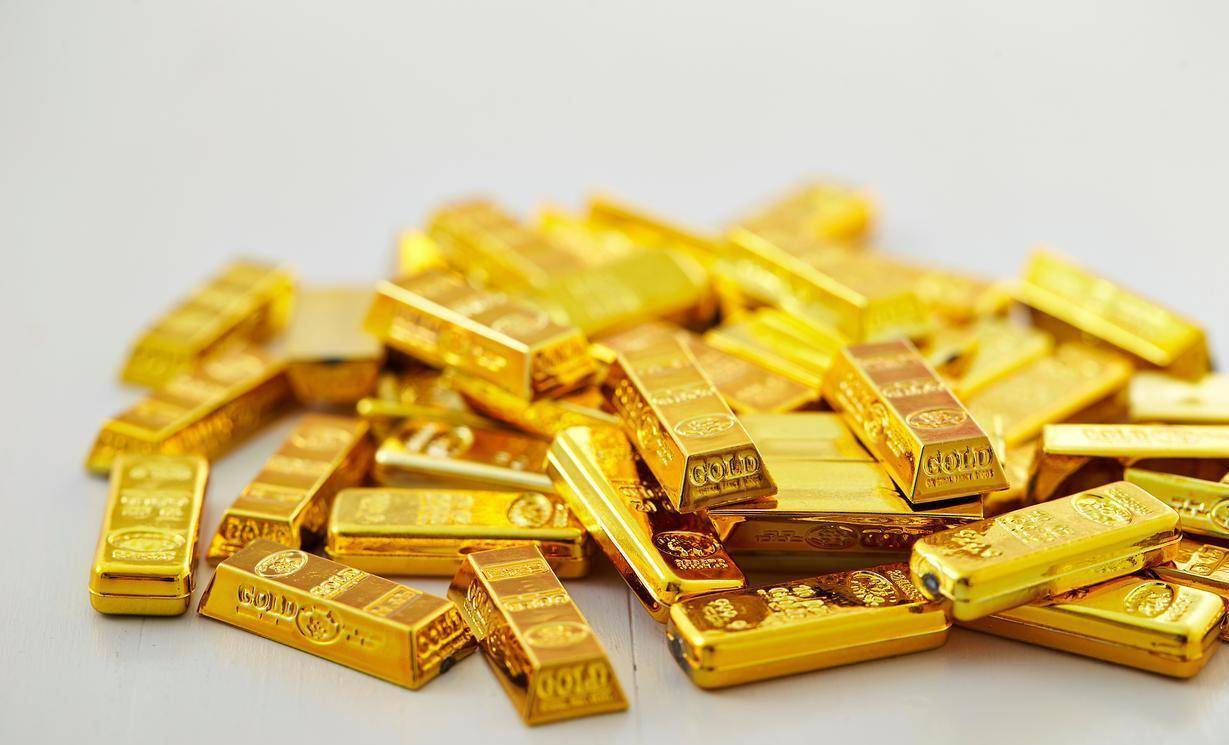
金价是否会重现上世纪80年代到上世纪末的最长熊市?
Ge Long Hui· 2025-10-28 22:30
Core Viewpoint - International gold prices fell below the $3,900 mark on October 28, raising concerns among investors about the potential for a prolonged bear market similar to the longest one experienced from the 1980s to the late 1990s [1] Group 1: Market Analysis - Short-term downward pressure on gold prices is expected due to multiple factors diminishing its appeal as a safe-haven asset [1] - The current economic environment and monetary policies differ significantly from those in the past, suggesting that a repeat of the long-term decline in gold prices is unlikely [1] Group 2: Future Outlook - The likelihood of a long-term weakening of the US dollar is high, which may lead to increased global liquidity [1] - Continuous gold purchases by central banks, geopolitical risks, and inflation expectations are factors that could stabilize gold prices after the short-term pressures are released [1]
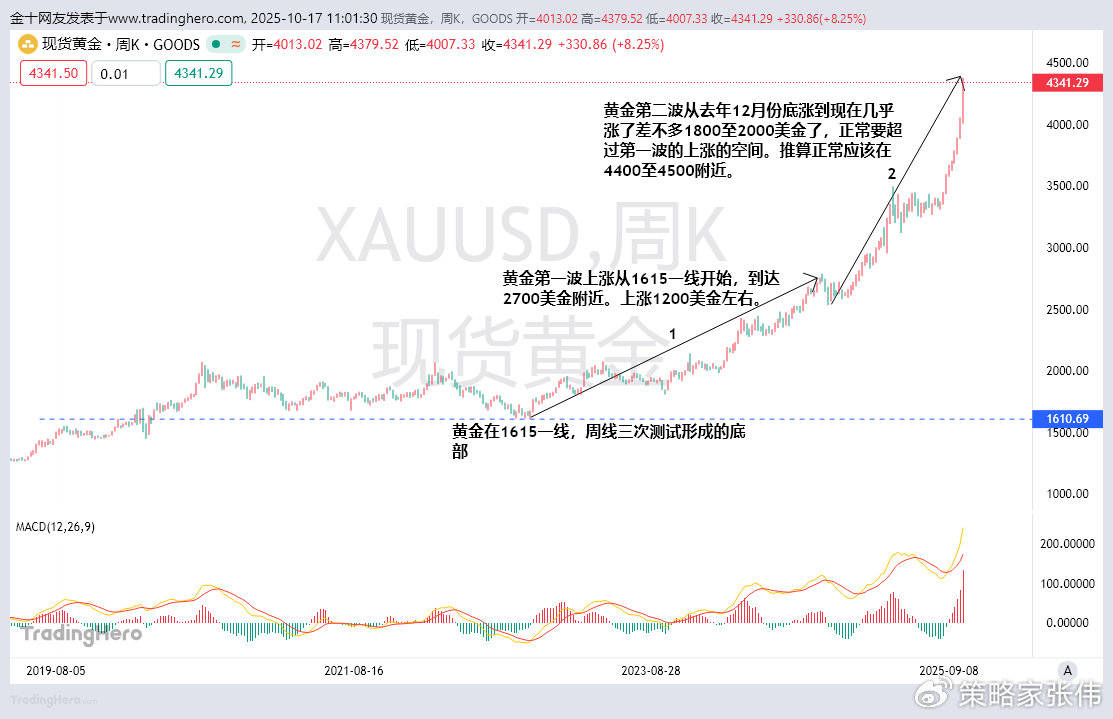
黄金快速下跌慢慢上涨,黄金依然是上涨的走势。
Sou Hu Cai Jing· 2025-10-17 04:11
Core Viewpoint - The price of gold has reached levels that are difficult for the average person to comprehend, and its future trajectory remains uncertain, heavily influenced by market conditions and data analysis [1]. Group 1: Market Trends - Gold has surpassed the 4300 mark, leading to increased speculation and potential for further price increases, which may tempt investors to chase the highs [1]. - The external environment is unfavorable, as indicated by the rising gold prices, which are accompanied by significant volatility, exemplified by a recent drop from 4379 to 4278, a decline of 100 USD within a short time frame [4]. - The current trading environment for gold is characterized by extreme volatility, making it challenging for retail investors to participate effectively [5]. Group 2: Investment Strategy - Given the current market conditions, it is advised that average investors refrain from participating in gold trading, as the situation has moved beyond typical trading strategies [6]. - The ongoing bull market for gold is expected to continue, but caution is advised in trading practices, emphasizing the importance of risk management and not rushing into trades [6]. - The market may experience rapid declines followed by recoveries, suggesting that investors should maintain liquidity and be prepared for future opportunities rather than chasing immediate gains [6].
金价屡创新高时,更需回望那些熊市刻下的投资警示
Qi Lu Wan Bao Wang· 2025-10-14 07:41
Group 1 - The core viewpoint of the article highlights the recent surge in gold prices, with spot gold reaching a historical high of $4160 per ounce, reflecting an increase of over $1500 per ounce this year, while COMEX gold futures reported $4172.1 per ounce, up 0.95% for the day [2] - Domestic gold jewelry prices have also risen, with several brands exceeding 1200 yuan per gram, indicating a strong correlation with international market fluctuations [2] - Despite the bullish sentiment surrounding gold, seasoned investors are urged to maintain a level of caution, as historical trends show that markets do not only rise, and prolonged bear markets can follow periods of exuberance [2] Group 2 - The article discusses the first significant bear market for gold from 1975 to 1976, where prices fell from $195 per ounce to $102 per ounce, a decline of nearly 50%, triggered by a temporary drop in U.S. inflation and a recovery in dollar credit [3] - The prolonged bear market from 1980 to 1999 saw gold prices plummet from $850 per ounce to $250 per ounce, a staggering 70% drop, influenced by aggressive interest rate hikes and a coordinated sell-off of gold reserves by European central banks [4] - In 2008, during the global financial crisis, gold prices fell from $1033 per ounce to $680 per ounce, a 34% decrease, as liquidity demands forced investors to sell gold along with other assets [5] - The bear market from 2011 to 2015 saw gold peak at $1920 per ounce before falling to $1046 per ounce, a 46% decline, driven by the Federal Reserve's signals to taper quantitative easing and a strengthening dollar [6] Group 3 - Current market signals suggest potential risks for gold, with high speculative net long positions in COMEX gold, which could lead to a rapid decline if market sentiment shifts [8] - The article warns that despite the current dovish stance of the Federal Reserve, inflation pressures could prompt a return to interest rate hikes, echoing the risks seen in 1980 [8] - The article emphasizes that gold should not be viewed as a guaranteed investment, recommending that it should not constitute more than 10% of household asset allocation, and advises against emotional trading behaviors [8]
果然财评|金价屡创新高时,更需回望那些熊市刻下的投资警示
Sou Hu Cai Jing· 2025-10-14 07:30
Group 1 - The core viewpoint of the articles emphasizes the historical volatility of gold prices, highlighting that while current trends show a bullish sentiment, past experiences indicate that markets can and do experience significant downturns [2][7]. - Recent gold prices have reached new highs, with spot gold surpassing $4160 per ounce and COMEX futures at $4172.1 per ounce, reflecting a year-to-date increase of over $1500 per ounce [2]. - Domestic gold jewelry prices have also risen, with several brands exceeding 1200 yuan per gram, indicating a strong correlation with international market movements [2]. Group 2 - Historical analysis reveals that gold has experienced multiple significant bear markets, such as the 1975-1976 period where prices fell from $195 to $102 per ounce, demonstrating the fragility of gold's safe-haven demand [3]. - The bear market from 1980 to 1999 saw gold prices plummet from $850 to $250 per ounce, a decline of 70%, driven by aggressive interest rate hikes and a loss of faith in gold as a hard currency [4]. - During the 2008 financial crisis, gold prices dropped from $1033 to $680 per ounce, a 34% decrease, challenging the notion that gold always rises in times of crisis [5]. Group 3 - The period from 2011 to 2015 marked another significant downturn, with gold peaking at $1920 per ounce before falling to $1046, a 46% drop, influenced by the Federal Reserve's signals to taper quantitative easing [6]. - Current market conditions show signs of potential risk, with high speculative positions in COMEX gold futures and a strengthening dollar, which could lead to a reversal in sentiment and price declines [8]. - Investors are advised to maintain a rational approach to gold investments, limiting exposure to no more than 10% of household assets and being cautious of emotional narratives surrounding gold prices [8].
金价疯狂幕后
投资界· 2025-03-17 07:19
以下文章来源于财经杂志 ,作者陈汐 刘建中 《财经》杂志官方微信。《财经》杂志由中国证券市场研究中心主办,1998年创刊,秉承"独立、独家、独到"的新闻理念,以权威性、公 正性、专业性报道见长,是政经学界决策者、研究者、管理者的必读刊物。 黄金牛市。 作者 | 陈汐 刘建中 编辑 | 刘建中 责编 | 王 宁 来源 | 财经杂志 (ID:i-caijing) 本文是《黄金研究三部曲》的第二篇。第一篇为《跨越两千年,黄金还保值吗》 ,其主要结论是,"从西汉到金本位 解体之前,黄金的购买力基本稳定;而在金本位解体后,黄金大幅跑赢通胀。" 虽然从长期看黄金能跑赢通胀,但黄金价格波动幅度大,投资时机不佳可能造成巨大损失。 1980年1月黄金均价为755美元/盎司,之后出现了20年的黄金熊市,1999年12月黄金均价为280美元/盎司,跌幅 63%。 2011年11月黄金均价为1771美元/盎司,之后是四年熊市,2015年12月黄金均价1062美元/盎司,跌幅40%。 财经杂志 . 黄金价格的巨幅波动并不是现代社会的特有现象。宋太宗赵光义当政的太平兴国二年(公元977年),每两黄金(北宋 一两为40克)可兑换1万枚铜钱 ...