黄金稀缺性

Search documents
21评论丨金价涨势能否持续?
2 1 Shi Ji Jing Ji Bao Dao· 2026-01-26 23:16
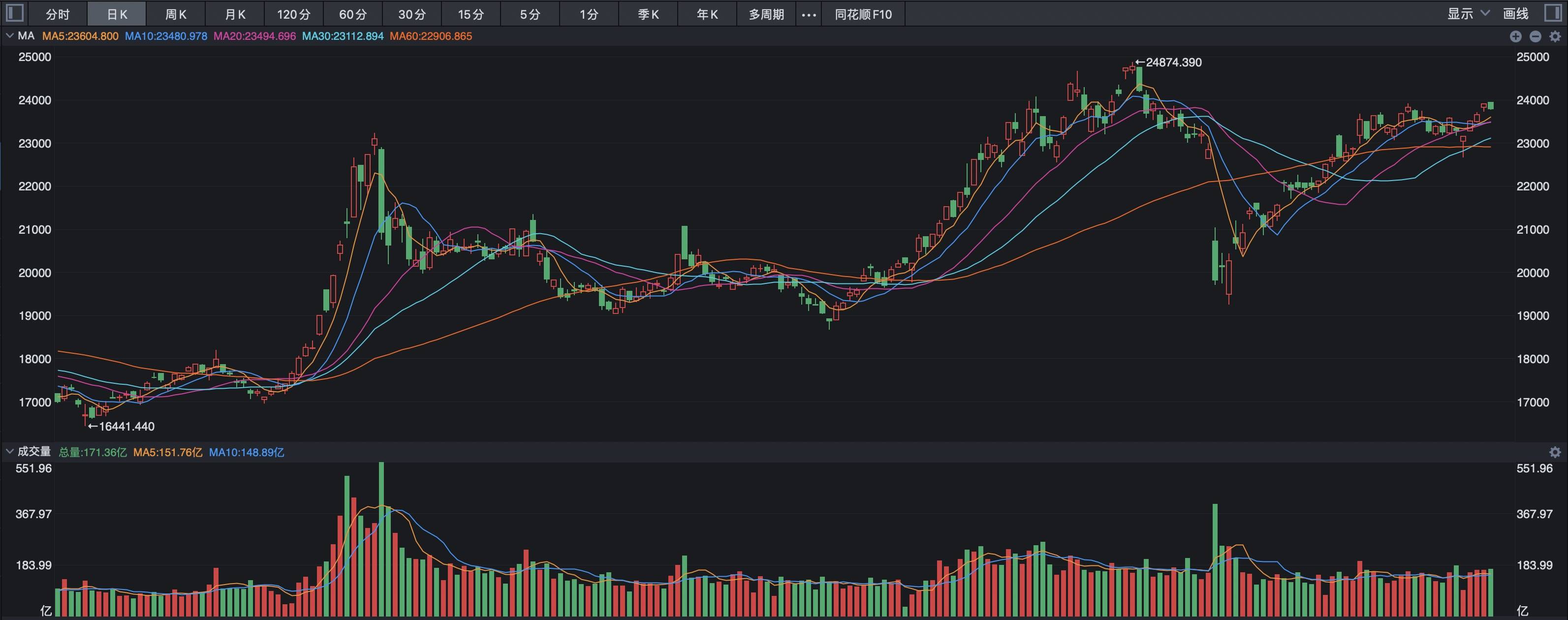
Core Viewpoint - The recent surge in gold prices, reaching a historical high of over $5,100 per ounce, is primarily driven by supply scarcity and increasing demand from various sectors, including central banks and industrial applications [1][4]. Supply and Demand Analysis - The total amount of gold mined throughout history is approximately 216,000 tons, with only about 55,000 to 64,000 tons of gold currently available for extraction under existing technological conditions. At the current mining rate, global gold reserves could be depleted in 15 to 18 years without new discoveries [1]. - Industrial demand for gold is significant, accounting for about 15% of global gold usage, while jewelry constitutes approximately 45%. Central bank reserves and gold ETFs represent 17% and 22% respectively [4]. Central Bank Activity - Central banks have increased their gold reserves significantly, with the proportion of gold in global official reserves rising to about 28.9%, an increase of approximately 11.9% year-on-year. This trend is largely attributed to geopolitical instability, which enhances gold's appeal as a safe-haven asset [4][5]. Geopolitical Factors - The ongoing geopolitical tensions, including the Russia-Ukraine conflict and instability in the Middle East, have led to a reconfiguration of the global governance system, further elevating gold's status as a protective asset [4]. Economic Context - The deterioration of the U.S. dollar's credit system, exacerbated by rising national debt projected to exceed $40 trillion, is prompting global central banks to adjust their reserve assets. This shift is contributing to the increased demand for gold as an alternative investment [5]. Investment Trends - The global gold ETF market has seen a substantial increase, with a net inflow of approximately $89 billion in 2025, bringing total assets under management to a record $559 billion. This trend indicates a growing interest among both institutional and individual investors in gold as a viable investment option [5].

地球有4000万亿吨黄金,人均约55万吨,为什么黄金还这么贵?
Sou Hu Cai Jing· 2025-08-04 04:30
Core Insights - The Earth contains approximately 40 trillion tons of gold, but over 99% of it is located in the core, making it inaccessible for mining [3] - The extractable gold is primarily found in the crust, with an estimated reserve of about 200,000 tons, which is a minuscule fraction of the total [3] - The average grade of gold ore is only 0.5 to 5 grams per ton, leading to high extraction costs [5] - Environmental regulations are becoming stricter, complicating gold mining operations [8] - Current gold recovery methods rely significantly on recycling, accounting for about one-third of global gold supply [10] Mining Challenges - Mining costs are exceedingly high due to the low concentration of gold in ores and the need to process large quantities of rock [5] - Extracting gold from seawater is economically unfeasible, as it requires filtering 250 million tons of seawater to obtain one kilogram of gold [6] - The depletion of easily accessible gold deposits and the increasing difficulty of finding new, high-quality mines are significant challenges [8] Future Prospects - Deep-sea mining may offer new opportunities, although the technology is still underdeveloped [11] - Asteroid mining presents a long-term potential solution, with some asteroids containing metals worth trillions, but current costs exceed potential returns [8][11] - Technological advancements in gold recovery and mining methods will be crucial for future supply [10][11] Conclusion - While gold is abundant in theory, the vast majority is inaccessible, maintaining its scarcity and value [13] - The industry faces significant challenges in extraction and environmental compliance, but future technological breakthroughs may change the landscape of gold availability [13]
又有好消息了!外资投行这次观点不一样
Sou Hu Cai Jing· 2025-06-08 02:04
Group 1 - The first key point is the upcoming China-US economic consultation meeting in the UK, indicating a potential resolution to previous negotiation issues, which may positively impact the A-share market expectations [1] - Morgan Stanley and HSBC are optimistic about Chinese stocks, predicting increased capital inflow over the next 6 to 12 months, highlighting that global investors currently have low exposure to Chinese stocks [1] - The expectation of a weaker US dollar and the profit growth of Chinese companies are driving interest in Chinese stocks, particularly offshore Chinese stocks like Hong Kong stocks, due to anticipated appreciation of the Renminbi [1] Group 2 - The emphasis on the importance of investing in Hong Kong stocks, with a belief that the Hang Seng Index and Hang Seng Tech Index will outperform A-shares in the long term [2] - The influx of foreign capital into Hong Kong stocks is significant, as foreign investors prefer to enter through the Hong Kong market due to its globalized nature and liquidity [2] - The changing global capital landscape, driven by a weakening US dollar and risks associated with high US debt, is expected to attract global funds to Chinese stocks, with Hong Kong as the entry point [2] Group 3 - The central bank's gold reserves increased to 73.83 million ounces by the end of May, reflecting ongoing gold purchases as a risk hedge against the depreciating dollar and high US debt risks [4] - The global trend of central banks increasing gold reserves indicates a lack of confidence in the dollar and US debt, highlighting gold's scarcity as a valuable asset [4] - The expectation of stable or rising international gold prices suggests potential investment opportunities in gold, despite market fluctuations [4]