
AI+健康

Search documents
博鳌热议:AI给医疗健康带来“文艺复兴”,但风险如何避免?
第一财经· 2026-03-26 15:35
Core Viewpoint - The application and governance of AI in the healthcare sector are crucial topics, as AI is transforming the industry while also presenting various challenges that need to be addressed [2]. Group 1: AI's Impact on Healthcare - AI is enhancing various aspects of healthcare, including drug development, diagnostics, and personalized treatment plans, significantly improving efficiency and reducing costs [3][5]. - For instance, AI has increased the detection rate of cervical cancer screenings by 2-3 times in grassroots medical institutions and has reduced the time for predicting lung cancer gene mutations from weeks to just 1 minute [5]. - The traditional model of drug development, which typically takes 10 years and costs around $1 billion, is being transformed by AI, leading to faster and more effective drug discovery processes [5]. Group 2: Challenges and Risks of AI in Healthcare - Experts highlight that the risks associated with AI in healthcare primarily revolve around data flow, decision-making authority, and the reliability of AI systems [7]. - Data privacy is a significant concern, as healthcare data is highly sensitive, necessitating a balance between data security and accessibility [7]. - The complexity of obtaining original data for research poses challenges, as there are numerous policies and rules that practitioners must navigate [7]. Group 3: Reliability and Ethical Considerations - The reliability of AI systems is a pressing issue, particularly given the opaque nature of large models, which can produce unreliable outputs [8]. - There is a need for increased transparency in AI operations to ensure public trust and understanding of how AI systems function [8]. - The ethical implications of AI in healthcare are significant, as AI cannot fully replace human judgment, especially in complex moral situations [8].


阿里健康(00241.HK):主业增长加速 AI赋能新机遇
Ge Long Hui· 2026-02-14 22:23
Group 1: Industry Insights - The growth of online pharmaceutical sales is driven by the penetration of original research drugs and the outflow of prescriptions, with foreign companies increasing their presence in outpatient settings for innovative drugs [1] - Major pharmaceutical e-commerce and internet healthcare platforms are enhancing their product and service offerings around original research drugs, leading to a rapid increase in market share for medical e-commerce [1] - The long-term potential for online pharmacies is significant due to policy-driven factors such as online insurance and prescription outflow, highlighting the cost-effectiveness and convenience of online pharmacies [1] Group 2: Company Performance - Alibaba Health's self-operated revenue is accelerating, with self-operated business accounting for nearly 90% of total revenue, driven by the trend of original research drugs [2] - The number of self-operated SKUs increased by 99% year-on-year to 1.61 million, with revenue growing by 19% year-on-year to 14.38 billion yuan as of FY26H1 [2] - Alibaba Health is the largest online B2C healthcare retail platform in terms of annual GMV and has revised the upper limit of its advertising service framework agreement, which will significantly contribute to profitability [1][2] Group 3: Future Opportunities - The integration of AI in health management presents new opportunities for Alibaba Health, with the potential to enhance sales through the "Qianwen Super Agent" and related applications [2] - The company is exploring serious medical applications and has launched the medical AI assistant "Hydrogen Ion" App, which may lead to commercialization through partnerships with pharmaceutical companies [2] Group 4: Financial Projections - Revenue forecasts for Alibaba Health are projected at 34.594 billion yuan and 38.235 billion yuan for the fiscal years 26 and 27, respectively, with adjusted net profits expected to be 2.499 billion yuan and 3.026 billion yuan [2] - The pharmaceutical e-commerce business is assigned a 3X PS for FY26, while the healthcare and digital services business is assigned a 6X PS, leading to a target value of 7.39 HKD per share and a "Buy" rating [2]

阿里健康(00241):主业增长加速,AI赋能新机遇
GF SECURITIES· 2026-02-12 23:30
Investment Rating - The report assigns a "Buy" rating for Alibaba Health, with a target price of HKD 7.39 per share [7]. Core Insights - The main business of Alibaba Health is experiencing accelerated growth, driven by the online penetration of innovative drugs and the integration of AI technologies, which present new opportunities for the company [7]. - The self-operated revenue of Alibaba Health has significantly increased, accounting for nearly 90% of total revenue, with a year-on-year growth of 19% to RMB 14.38 billion [7]. - The company is also the largest online B2C healthcare product retail platform in China, benefiting from deep collaboration with the Alibaba Group [7]. Summary by Sections Medical E-commerce Tracking - The online pharmacy market share is rapidly increasing, with innovative drugs driving growth. The retail pharmacy share has risen to 31.5%, while online pharmacies have reached 5.3% [14][15]. - The demand for original research drugs is increasing, with a shift towards online channels due to convenience and service [15][16]. Alibaba Health - The self-operated business is the main driver of revenue growth, with a 99% year-on-year increase in self-operated SKUs to 1.61 million [7]. - The company is enhancing its advertising capabilities, which will contribute significantly to profitability [7]. - AI technologies are expected to empower the main business, with initiatives like the "Qianwen Super Agent" and the medical AI assistant "Hydrogen Ion" app being developed [7]. Profit Forecast and Valuation - Revenue forecasts for fiscal years 2026 and 2027 are RMB 34.594 billion and RMB 38.235 billion, respectively, with adjusted net profits of RMB 2.499 billion and RMB 3.026 billion [2][7].
政府“出题”邀请OPC共解行业痛点
Mei Ri Shang Bao· 2026-01-30 22:16
Core Insights - The event focused on the integration of AI and health, showcasing the collaboration between one-person companies (OPC) and government departments to drive innovation in the health sector [1] Group 1: Event Overview - A specialized meeting on "AI + Health" innovation was held at the China Digital Valley, Future Smart Port, marking a significant step in collaboration between Hangzhou's Shangcheng District and Market Scene Company [1] - The Hangzhou Market Scene Innovation Center Shangcheng Branch was officially inaugurated, indicating a commitment to accelerate the application and iteration of quality technologies and solutions in real-world scenarios [1] Group 2: Health Opportunities - The Shangcheng District Health Bureau presented 24 quality opportunity scenarios in the health sector, covering key areas such as grassroots diagnosis and treatment assistance, chronic disease intelligent management, and smart health services [1] - The personal medical intelligent database "Kangxinban" was introduced by Wang Tao, CEO of Hangzhou Xun Guang Technology Co., which organizes personal health data for comprehensive analysis and has around 600 users overseas [1] Group 3: Support for OPCs - The event featured a segment on the "OPC Co-creation Model," highlighting the district's support for one-person companies by opening real scenario demands to encourage focused solutions in niche areas [2] - Shangcheng District currently hosts over 30 OPCs, primarily located in the China Digital Valley, Future Smart Port, and Honghu Hui [2] - The district aims to create a low-threshold, high-efficiency co-creation platform to help super individuals and micro-creative teams quickly validate and grow within the regional innovation ecosystem [2]
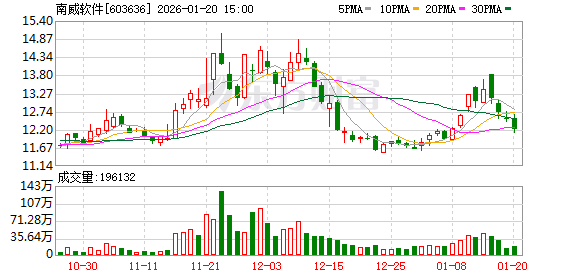
南威软件:公司坚定看好茶寿健康的发展前景
Zheng Quan Ri Bao· 2026-01-20 12:13
Group 1 - The core viewpoint of the article highlights the significant market potential and certainty of consumer demand in the "AI + health" sector, as evidenced by Ant Group's strategic positioning [2] - Health management needs exhibit distinct characteristics of stratification and scenario-based requirements, indicating that there is no "one-size-fits-all" market structure [2] - The entry of leading platforms is expected to accelerate the cultivation of user health management habits, thereby expanding the overall market size of the industry [2] Group 2 - The company emphasizes that while there are functional similarities between Chashou Health and certain internet platform products, their underlying logic and ecological positioning are fundamentally different [2] - Internet giants focus on broad service coverage leveraging traffic advantages, whereas Chashou Health concentrates on in-depth service exploration within a vertical domain [2] - Chashou Health collaborates with Peking University Health Science Center to establish a joint laboratory, integrating top hospital expert knowledge to create a digital twin of doctors, capable of in-depth report analysis, disease prediction, and personalized intervention plans [2] Group 3 - Chashou Health provides personalized health management services to C-end users while also empowering B-end (enterprises/insurance institutions), H-end (medical institutions), and G-end (community public health systems), creating a comprehensive service loop [2] - The company's unique competitive advantage lies in its "heavy service" model, which deeply integrates offline service resources and professional medical capabilities [2] - The company is optimistic about the future of Chashou Health and has no plans to terminate the project, intending to advance business development in two phases: deepening differentiated competition and enhancing profitability through various strategies [2]

一群老外“打飞的”来中国,用脚投出2026年第一个风口
Xin Lang Cai Jing· 2026-01-18 04:33
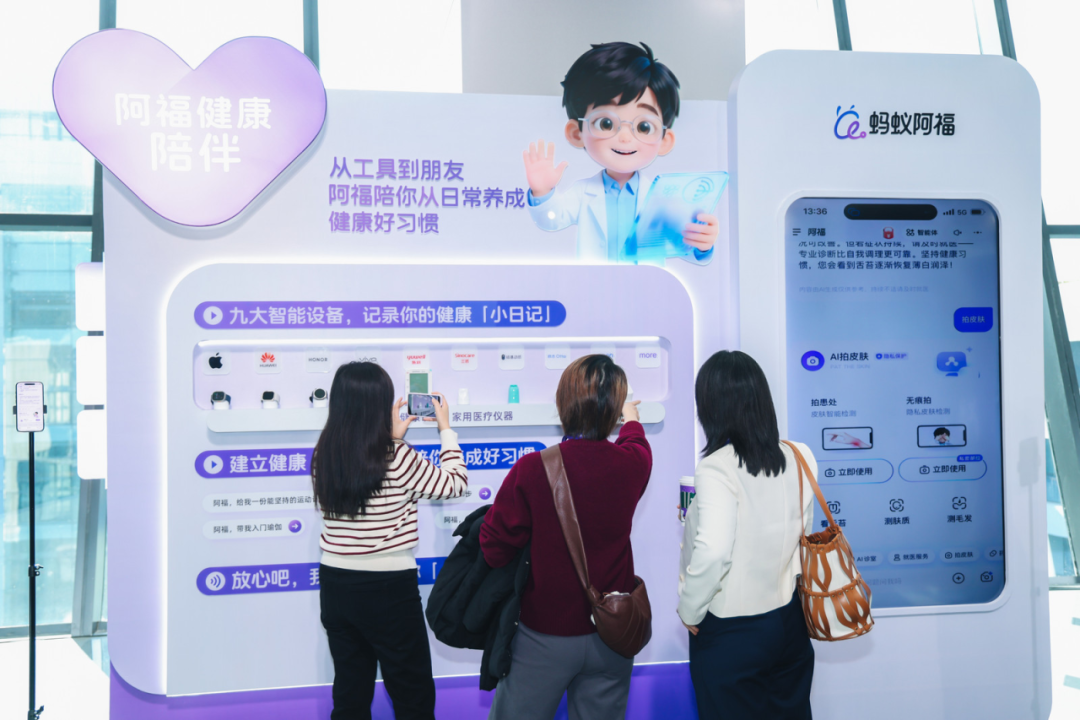
Core Insights - The keyword "health" has emerged as a trending topic on social media platforms in early 2026, highlighting the efficiency and accessibility of China's healthcare system compared to Western counterparts [2] - The integration of AI in healthcare is becoming a global trend, with Chinese companies leading the charge in the "AI + health" sector, attracting attention from international tech giants [2][7] - The success of China's AI health assistant, Ant Financial's "Antifufu," which has over 30 million monthly active users, indicates a significant shift towards digital healthcare solutions that are accessible even in rural areas [7][9] Group 1: Healthcare Efficiency - Foreign patients are increasingly sharing their positive experiences of receiving medical care in China, noting the quick turnaround for procedures that would take months in their home countries [3][6] - The use of AI applications in healthcare allows for real-time communication and understanding between patients and doctors, enhancing the overall patient experience [6][4] Group 2: AI in Healthcare Competition - Major global tech companies like OpenAI and Anthropic are investing heavily in AI healthcare solutions, indicating that the healthcare sector is a competitive battleground for AI applications [7] - The widespread adoption of AI health assistants in China demonstrates a unique model where advanced technology is made accessible to a broad population, bridging the healthcare gap [9] Group 3: Accessibility and Inclusivity - The data shows that 55% of Antifufu's users come from third-tier cities and below, emphasizing the democratization of healthcare access through technology [7] - The model of AI in healthcare is shifting from reactive treatment to proactive health management, making healthcare a daily accessible resource for everyone [9]

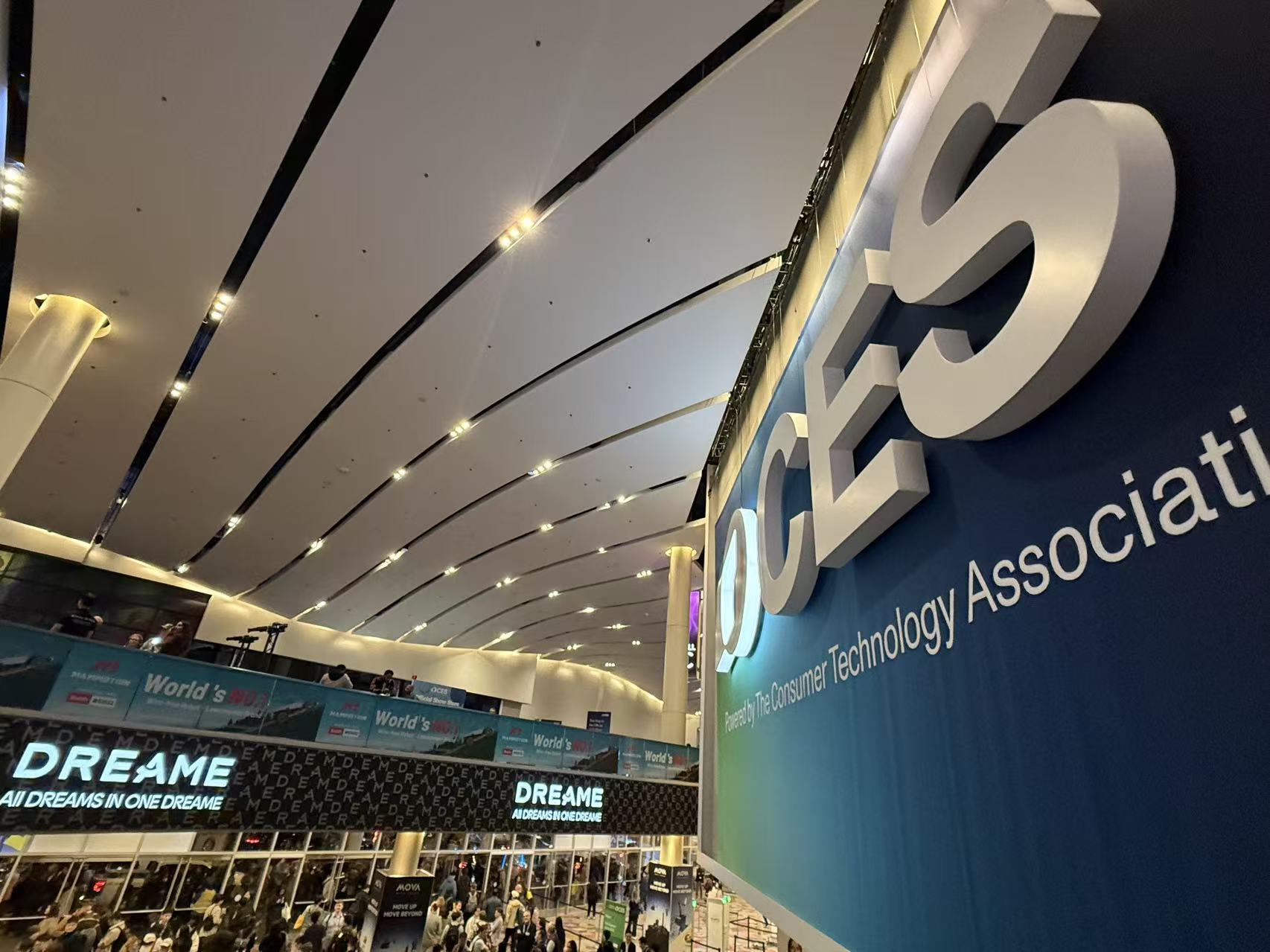
CES这些AI健康硬件太奇葩,能测尿的马桶,还有镜子能看寿命
3 6 Ke· 2026-01-12 00:39
Core Insights - The CES 2026 showcased a significant shift in AI technology, focusing on health management rather than just efficiency improvements [1][3] - Various AI health products were introduced, including smart rings, health applications, smart beds, and more, all aimed at monitoring and managing personal health [3][26] Group 1: AI Health Products - Ringconn Gen 2 is a smart ring that offers medical-grade health monitoring, tracking metrics like heart rate, blood oxygen levels, and sleep patterns, with a focus on sleep apnea detection [4][5][7] - Ant Financial's AI health assistant, Antifufu, integrates personal and family health data, providing insights and connecting users to medical services, thus evolving from a simple Q&A tool to a comprehensive health management system [8][10][11] - Stareep SmartSleep is an AI-driven sleep system that actively manages sleep quality by adjusting mattress support based on user movements and sleep patterns [12][14] Group 2: Innovative Health Monitoring Solutions - Vivoo Smart Toilet simplifies urine analysis by automatically collecting samples and syncing results to a mobile app, although its current capabilities are limited to hydration monitoring [15][16] - NuraLogix Longevity Mirror assesses health indicators through facial analysis, providing a longevity index and personalized health recommendations, but requires a subscription for ongoing services [19][21][22] - ThingX Nuna is an emotion-focused pendant that captures physiological signals to analyze emotional health, offering insights without requiring user interaction [23][25] Group 3: Industry Trends - The CES 2026 highlighted a trend towards "non-intrusive" health monitoring, where devices operate in the background without requiring active user participation, enhancing user experience and data accuracy [26][27] - The integration of AI in health management is shifting the focus from merely presenting data to creating actionable insights and connecting users with healthcare services [27][28]
蚂蚁阿福点燃健康AI赛道,OpenAI深夜发布ChatGPT Health
2 1 Shi Ji Jing Ji Bao Dao· 2026-01-08 10:58
Core Insights - OpenAI has launched a new feature, ChatGPT Health, targeting the health AI sector, indicating a competitive landscape in the healthcare AI industry [1][5] - The recent success of Ant Group's Aifoo has reignited interest in internet healthcare, prompting major companies like Baidu, ByteDance, and Tencent to enhance their health-related offerings [1][2] Industry Developments - Aifoo's rapid growth has significantly boosted the healthcare sector, with related stocks like Meiyan Health and Weining Health seeing substantial increases [2] - Major players in the industry are reallocating resources to health AI, with Baidu shifting top talent to its health division and Tencent launching AI health inquiry features [2] Market Dynamics - The emergence of Aifoo has validated the feasibility of large models in serious health scenarios, moving away from traditional advertising-driven models to a "pure" question-and-answer format [4] - Aifoo's app has surpassed 30 million monthly active users, with over 10 million health inquiries answered daily, demonstrating high user engagement and demand for AI in health [4] Competitive Landscape - OpenAI's entry into the health AI space signifies the global strategic importance of "AI + health," with over 230 million weekly health-related inquiries on ChatGPT [5] - The competition is shifting from mere capability to depth of service, emphasizing the need for partnerships with hospitals and research institutions to enhance AI capabilities [7] Future Outlook - The integration of AI with online consultations, medication delivery, and insurance services will determine the user experience and product effectiveness in the health sector [7] - Trust between AI systems and both doctors and patients is crucial, with a focus on AI as an assistant rather than a replacement in medical diagnostics [7] - The growing interest from major companies in health AI is seen as a positive development for global health equity, enabling access to professional health services for diverse populations [7]
蚂蚁阿福点燃健康AI赛道,OpenAI深夜发布ChatGPT Health
21世纪经济报道· 2026-01-08 10:58
Core Viewpoint - The launch of OpenAI's ChatGPT Health marks a significant entry into the health AI sector, reigniting interest in internet healthcare and indicating that the health industry will be a competitive battleground in the AI era [1][6]. Group 1: Market Dynamics - Ant Group's Aifu has spurred a surge in the healthcare sector, leading to a collective rise in related stocks such as Meiyan Health and Weining Health after the release of the new Aifu app [3]. - Major domestic companies like ByteDance, Baidu, JD, and Tencent are rapidly expanding their health services, with Baidu reallocating top talent to its health division and Tencent launching AI health inquiry features [3][5]. - The emergence of Aifu has validated the feasibility and user acceptance of large models in serious health scenarios, transitioning user habits from traditional search engines to AI platforms [5]. Group 2: Competitive Landscape - OpenAI's entry into the health AI space signals a global strategic value for "AI + health," with over 230 million weekly consultations on health and fitness topics on ChatGPT [6]. - The competition is shifting from feasibility to depth of execution, emphasizing the importance of acquiring high-quality health data and forming partnerships with hospitals and research institutions [8]. - The integration of AI capabilities with online consultations, drug delivery, insurance payments, and offline hospital checks will determine the user experience and product effectiveness [8]. Group 3: Trust and Collaboration - Building trust between AI systems and both doctors and patients is crucial, with a focus on designing collaborative models rather than replacement [8]. - Both ChatGPT Health and Aifu position themselves as assistants to doctors, emphasizing support rather than direct medical diagnosis [8]. - The increased focus on health AI by major companies is seen as a positive development for global health equity, enabling access to professional health services for diverse populations [8].

深耕健康科技二十五载 倍轻松以创新驱动智能健康生态升级
Quan Jing Wang· 2025-12-26 07:35
Core Viewpoint - The company Beiqingsong (688793.SH) is under investigation by the China Securities Regulatory Commission for suspected violations of information disclosure, but its business operations remain normal [1][3]. Business Overview - Beiqingsong, established in 2000, focuses on the smart portable massager sector, integrating traditional Chinese medicine concepts with modern technology to provide health care solutions globally [1]. - The company has developed a product matrix that includes various categories such as head, eye, neck, scalp, and moxibustion products, and holds over 1,000 valid patents, including more than 200 invention patents [1]. Technological Development - The company has initiated an "AI + Health" strategy to transition from simple fatigue relief to health management, utilizing a professional R&D team and multi-modal sensor matrices for data collection and analysis [2]. - Some of its scalp massager products now feature AI visualization capabilities for health assessments and personalized care suggestions, aiming to create a closed-loop health service model [2]. Channel Strategy - Beiqingsong employs an "online + offline" sales model, focusing on high-traffic locations such as airports and high-speed rail stations, and has launched integrated service stores offering a combination of smart devices, manual techniques, and moxibustion therapy [2]. - As of mid-2025, the company has expanded its service stores to key cities like Shenzhen, Guangzhou, and Xi'an, while also establishing a dual service system for platform and private domain members, with over 6.6 million platform members and 2.8 million private domain members [2]. Operational Resilience - Despite facing regulatory scrutiny, Beiqingsong's long-standing technological foundation and global presence support its ongoing business operations, with established layouts in product matrix, technological R&D, and channel development [3].
