China+1战略

Search documents
埃镑贬值40%!中国企业扎堆埃及,揭秘:免关税直通美国才是真理
Sou Hu Cai Jing· 2025-12-24 11:51
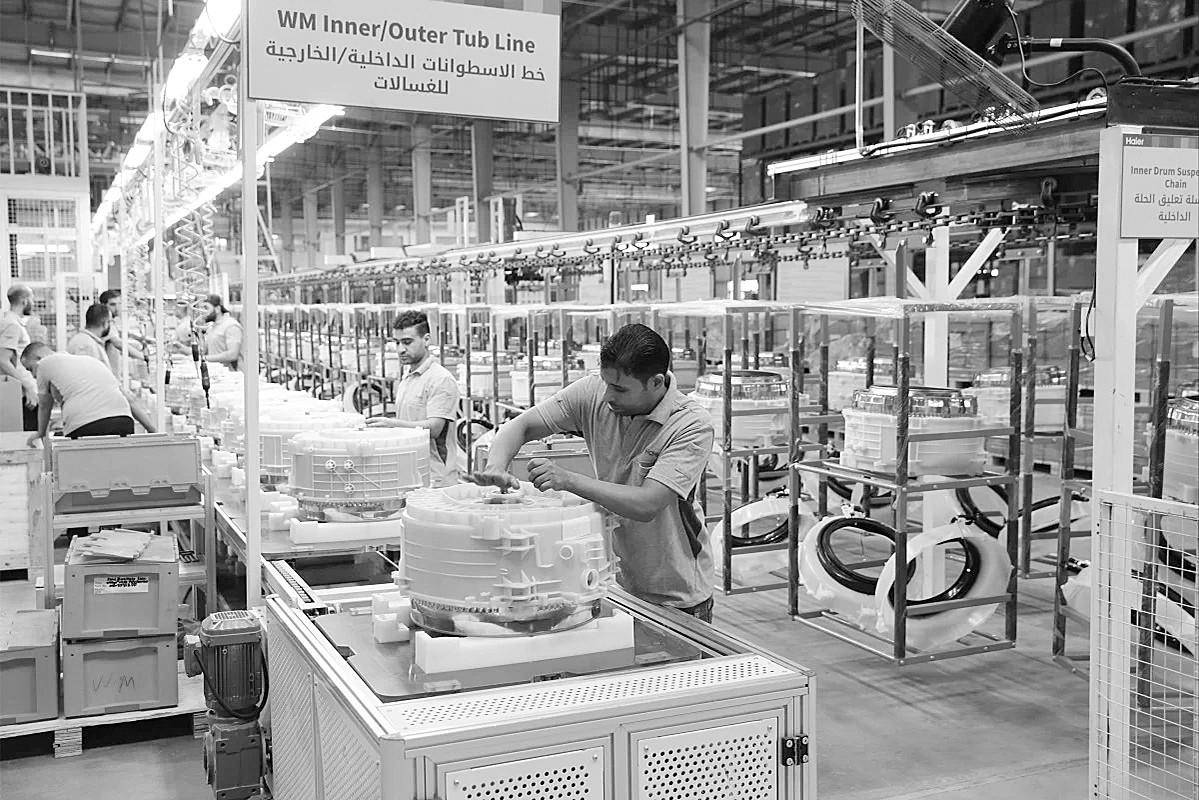
Core Viewpoint - Despite a 40% devaluation of the Egyptian pound, Chinese companies are increasingly entering the Egyptian market, driven by the restructuring of global supply chains and the strategic advantages Egypt offers [1][5][30]. Group 1: Economic Context - The Egyptian currency experienced a significant devaluation of 40%, making it a cost-effective destination for tourists, with luxury hotel prices dropping from 1700 yuan to around 400 yuan per night [3][5]. - The devaluation poses challenges for businesses, as revenue in local currency translates to significantly lower profits when converted back to foreign currencies [5]. Group 2: Strategic Business Decisions - A notable trend is the influx of Chinese enterprises establishing operations in Egypt, which seems counterintuitive given the economic conditions [5][30]. - The shift in global trade dynamics, particularly due to trade wars, has led to a "China+1" strategy where companies are encouraged to diversify their production bases beyond China [7][30]. Group 3: Geographic and Economic Advantages - Egypt's strategic location as a global transit hub, with the Suez Canal connecting major trade routes, significantly reduces logistics costs and delivery times for exporting companies [10][12]. - The Suez Canal Economic Zone offers a unique regulatory environment that streamlines business operations, allowing for efficient handling of administrative processes [14][17]. Group 4: Trade Agreements and Cost Benefits - Egypt benefits from various trade agreements, including a free trade agreement with the EU, which has led to a 15% annual growth in exports to Europe [19]. - The QIZ agreement with Israel allows products with a certain percentage of Israeli components to be exported to the U.S. duty-free, enhancing competitiveness for businesses operating in Egypt [21]. Group 5: Energy and Operational Costs - Egypt's abundant natural gas resources contribute to low industrial electricity costs, with rates as low as 0.3 yuan per kilowatt-hour, making it attractive for energy-intensive industries [23]. - The low energy costs also positively impact the prices of construction materials, further reducing operational expenses for businesses [23]. Group 6: Challenges and Adaptation - Operating in Egypt presents complexities, including currency volatility and cultural differences that can hinder project progress for foreign companies [25][28]. - Chinese companies demonstrate adaptability by establishing local supply chains and production facilities to mitigate risks and enhance operational efficiency [28][30]. Group 7: Broader Implications - The experiences of Chinese companies in Egypt reflect a broader trend of seeking new opportunities amid global supply chain transformations, with potential future expansions into other strategically advantageous countries like Brazil and Morocco [30][31].

法国兴业:经济简评 -中国布局长远
2025-06-06 02:37
Playing the long game Key features of the outlook We forecast GDP growth of 4.6% and 4.2% for 2025 and 2026, respectively, assuming no change in the US tariff levels (up an additional 30% compared to the start of 2025) and modest stimulus. Over the coming months, export frontloading and the announced policy measures should remain supportive, but some weakening is bound to happen further ahead, when the exemption period on the reciprocal tariffs comes to an end, warranting more policy support. Given the tari ...