
New Economy

Search documents
X @ZKsync
ZKsync (∎, ∆)· 2026-04-06 14:10
"Small businesses aren't serviced by large institutions but by banks in local communities. And @carinetwork enables them to participate in the new economy"Gene Ludwig, CEO Cari, explains how a tokenized deposits network can transform the $8.3T asset economy of community banks. https://t.co/ECxQXU3tfa ...
36Kr Holdings Inc. Reports Unaudited Financial Results for the Second Half and Fiscal Year 2025
Globenewswire· 2026-03-17 09:00
Core Insights - 36Kr Holdings Inc. reported a significant turnaround in financial performance for the fiscal year 2025, achieving profitability after a challenging previous year, driven by operational efficiency and strategic initiatives [1][4][27]. Financial and Operational Highlights for the Second Half of 2025 - Total revenues increased by 4.7% to RMB134.8 million (US$19.3 million) compared to RMB128.7 million in the same period of 2024 [4][9]. - Net income was RMB16.2 million (US$2.3 million), a recovery from a net loss of RMB44.9 million in the same period of 2024 [4][17]. - Gross profit rose by 20.8% to RMB80.8 million (US$11.6 million), with a gross profit margin increase of 8.0 percentage points to 60.0% [4][11]. - Operating expenses decreased by 10.3% to RMB65.6 million (US$9.4 million) [4][12]. Financial and Operational Highlights for the Fiscal Year 2025 - Total revenues for the fiscal year were RMB227.9 million (US$32.6 million), slightly down from RMB231.1 million in fiscal year 2024 [4][20]. - Net income for the fiscal year was RMB11.4 million (US$1.6 million), compared to a net loss of RMB140.8 million in fiscal year 2024 [4][27]. - Gross profit increased by 17.1% to RMB131.5 million (US$18.8 million), with a gross profit margin increase of 9.1 percentage points to 57.7% [4][22]. - Operating expenses decreased by 36.1% to RMB121.5 million (US$17.4 million) [4][23]. Selected Operating Data - The number of followers reached 36.8 million, a 2.5% increase from 35.9 million as of December 31, 2024 [4][5]. - The number of online advertising services end customers increased to 441 from 411 in the previous year [5]. - Average revenue per online advertising services end customer decreased to RMB407.4 thousand from RMB439.4 thousand [5]. Management Commentary - The CEO highlighted the company's return to profitability and solid revenue performance, attributing success to content innovation and enhanced user engagement [4][19]. - The CFO emphasized improved revenue mix and operational efficiency, with a focus on maintaining stable cash flow and profitability [4][19].



中国经济-“十五五” 规划下的投资路线图-China_Economics_Investment_Roadmap_from_the_15th_Five-Year_Plan
2026-03-16 02:26
Summary of the 15th Five-Year Plan (FYP) Conference Call Industry Overview - The conference call discusses the **15th Five-Year Plan (FYP)** approved by China's National People's Congress (NPC), focusing on long-term investment strategies in China, particularly in technology and industrial development [1][4]. Key Points and Arguments Investment Roadmap - The FYP prioritizes **technological adoption**, especially in **AI** and industrial development, to strengthen supply chains [1][4]. - It outlines steps to achieve **peak carbon emissions by 2030**, with sector-specific targets and clean coal initiatives [1][4]. - Emphasis on **mega projects** for both new and old infrastructure, particularly in new energy and computing power [1][4]. Technological Focus - The FYP highlights a shift from innovation to **adoption** in technology, with AI playing a significant role in various sectors including R&D, industrial development, and consumption upgrades [7][8]. - Specific tasks for AI include enhancing welfare through education and healthcare, and improving market regulation and environmental protection [7][8]. Industrial Development - The FYP identifies **weak links** in China's industrial system, such as high-end materials and industrial software, and emphasizes the need for innovation in these areas [8][9]. - Emerging sectors like integrated circuits and bio-manufacturing are transitioning from innovation to utilization phases [8][9]. Environmental Goals - The FYP sets measurable tasks for achieving peak carbon emissions, including: - Reducing energy consumption by over **150 million tons** of standard coal equivalent in key sectors by 2025, which is about **2.4%** of China's total energy consumption [11]. - Targeting a **30 million tons** reduction in non-CO2 greenhouse gases [11]. Infrastructure Development - The FYP aims to double the use of non-fossil fuel energy over the next decade, with ambitious targets for power generation and transmission [10][13]. - Urban renewal is expected to accelerate, with a target of **770,000 km** of underground pipeline construction over the next five years [14][17]. Fiscal Strategy - The FYP indicates a shift towards **quasi-fiscal tools** for funding mega projects, reducing reliance on traditional fiscal funds due to ongoing fiscal consolidation [20][21]. - Local government debt concerns may lead to more selective infrastructure project approvals [10][16]. Social Investment - The principle of **investing in people** is emphasized, focusing on employment and education, particularly for college graduates and the impact of AI on jobs [19][21]. - Specific targets include increasing the number of public elderly care institutions to **2,000** and achieving **70%** coverage of community elderly care services [21]. Additional Important Content - The FYP reflects a cautious approach to infrastructure development, advising against projects that are "too far ahead" of current needs [10][16]. - The focus on urban renewal may lead to a decline in property investment, as redevelopment targets for old communities are lower than previous plans [15][19]. - The FYP includes numeric targets for various sectors, indicating a structured approach to achieving its goals [22][23]. This summary encapsulates the critical aspects of the 15th Five-Year Plan as discussed in the conference call, highlighting the strategic focus on technology, environmental sustainability, infrastructure, and social investment.

3 Reasons Property Stocks Are Perfect for Your Portfolio
The Smart Investor· 2026-03-10 03:30
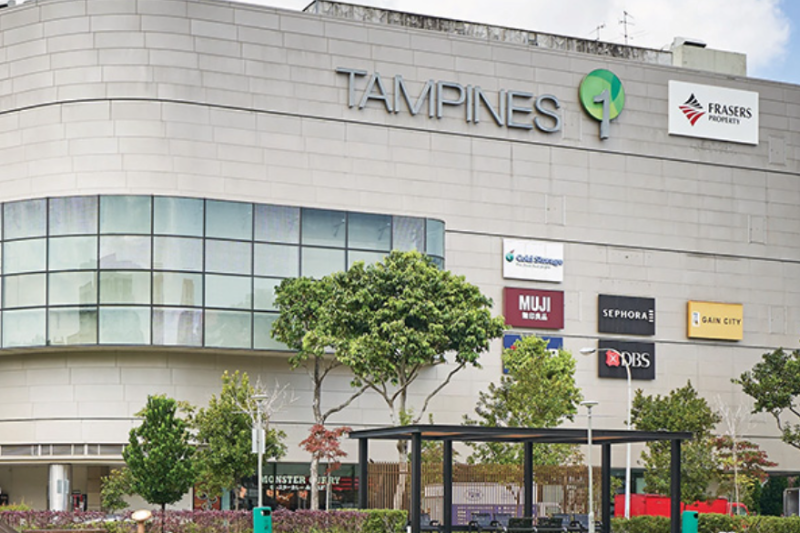
Core Viewpoint - The post-pandemic era has shown that property stocks are resilient and should be considered for long-term investment portfolios, despite challenges from higher interest rates [1] Group 1: New Economy Property Stocks - "New economy" sectors like data centres and telecommunications have become essential, with Mapletree Industrial Trust (MINT) reporting S$8.5 billion in assets under management as of December 31, 2025 [3] - MINT achieved a portfolio occupancy rate of 91.4%, supported by strong performance in Singaporean data centre assets [4] - American Tower (AMT) reported a revenue of US$10.65 billion for FY2025, reflecting a 5.1% increase, benefiting from the rise in data usage and 5G deployment [5] Group 2: Healthcare Sector - Parkway Life REIT has maintained uninterrupted distribution per unit (DPU) growth since its IPO in 2007, reporting a DPU of S$0.1529 for FY2025, a 2.5% year-on-year increase [6] - A significant uplift in minimum rent of approximately 24% is anticipated in 2026 due to a transition to a new CPI-linked framework for its Singapore hospital master leases [6] Group 3: Retail and Commercial Resilience - Frasers Centrepoint Trust (FCT) achieved a remarkable 99.9% occupancy in its suburban mall portfolio as of January 2026, focusing on essential services to drive tenant sales [8] - CapitaLand Integrated Commercial Trust (CICT) reported a 6.4% increase in FY2025 DPU to S$0.1158, with high retail occupancy at 98.7% and ongoing developments to enhance its market position [9] - Hongkong Land Holdings Limited increased its FY2025 dividend by 9% to US$0.25 per share, launching a US$6.4 billion Singapore Central Private Real Estate Fund to enhance shareholder returns [10] Group 4: Market Recovery and Future Outlook - Manulife US REIT is undergoing a "Recapitalisation Plan" and has suspended distributions through 2025 to focus on debt repayment, divesting assets to reduce debt [11] - As US interest rates are expected to moderate by the end of 2026, there are signs of stabilisation in office occupancy, with potential for reinstating distributions in 2026 [12] Group 5: Investment Strategy - The importance of focusing on high-quality properties with strong management and sustainable cash flow is emphasized, as seen in the performance of Parkway Life REIT and FCT [13]
Builders of the New Economy | Jad Fakhani | TEDxAUB
TEDx Talks· 2026-02-04 16:22
We'll start with the first speaker of the day. Fortunately, unfortunately, I think the investment and how we deal with our money if we have any. Our first speaker, he's qualified mostly. He's an investor.He knows how to deal with money. He knows how to smartly deal with money. [applause] I hope you're doing great.It's a great crowd for a 10 a. m. talk.Uh I just want to share something really fast. The very first thing we know stage so please it was the very first thing and it's true. But today is a differen ...

中国经济:AI 驱动新经济的宏微观脱节-China_Economics_The_Macro-Micro_Disconnect_of_AI-Driven_New_Economy-China_Economics
2026-02-04 02:32
Summary of Key Points from the Conference Call Industry Overview - **Industry**: AI-driven new economy in China - **Context**: The new economy is rapidly catching up with global standards, particularly in technology sectors, leading to a tech-heavy equity rally in the market [1][4][7]. Core Insights and Arguments - **Economic Impact**: The new economy's growth is now macro-relevant, potentially offsetting the negative impact of the property sector on GDP. AI capital expenditure (capex) was estimated at approximately RMB 435 billion in 2025, expected to reach around RMB 3.3 trillion from 2025 to 2030 [34][37]. - **Job Displacement Risks**: AI could affect 31% of jobs in China, with 9.6% (approximately 70.3 million jobs) facing direct displacement risk. The services sector and young workers are particularly vulnerable [5][64][66]. - **Policy Recommendations**: To mitigate risks, policies should prioritize augmentation over substitution, strengthen the social safety net, and improve work-life balance to translate AI productivity gains into domestic consumption [6][82][88]. Additional Important Insights - **Consumer Sentiment**: Despite positive macroeconomic indicators, consumer confidence remains low, with readings around 90, significantly below the neutral benchmark of 100 [39]. - **Youth Employment**: The youth unemployment rate was elevated at 16.5% as of the end of 2025, with younger workers facing higher risks of job displacement compared to older age groups [64][70]. - **AI Governance**: Effective governance of AI is critical for investment and socio-economic stability. Policymakers are urged to consider the socio-economic consequences of AI deployment, similar to past regulatory approaches in the internet sector [82][88]. - **Work-Life Balance**: Improving work-life balance is seen as essential for enhancing domestic consumption, with potential policy shifts towards optimizing holiday arrangements and paid leave [88][89]. Conclusion The AI-driven new economy in China presents both significant opportunities and challenges. While it has the potential to drive GDP growth and technological advancement, it also poses risks of job displacement and requires careful policy management to ensure equitable benefits across society.
中国经济展望:2026 年核心主题与潜在意外-China Economic Perspectives _Key Themes and Possible Surprises in 2026_
2026-01-13 11:56
Summary of Key Points from the Conference Call Industry Overview - The focus is on the **Chinese economy** and its projected performance in **2026**. Core Economic Forecasts - **GDP Growth**: Expected to slow to **4.5%** in 2026 from around **5%** in 2025, primarily due to a reduced contribution from net exports [2][6][25]. - **Exports**: Anticipated to decelerate, with a forecasted growth of **2.5-3%** in 2026, influenced by global demand slowdown and US tariff impacts [6][7][40]. - **CPI Inflation**: Expected to rise to **0.4%** in 2026, while PPI is projected to narrow its decline [2][16][21]. - **RMB Exchange Rate**: Anticipated to appreciate against its currency basket but stabilize against the USD, with a forecast of **7.0/6.9** for USDCNY by end-2026/2027 [20][23]. Key Themes and Policy Support - **Policy Tone**: A modestly supportive and balanced policy stance is expected, with a stable budget deficit at **4%** and fiscal expansion of **0.5-1%** of GDP [3][25]. - **Interest Rates**: A **20bps** cut in policy rates is anticipated by the end of 2026, along with a **25-50bps** reduction in RRR [3][25]. - **Innovation Focus**: The government aims to boost innovation, with R&D spending expected to rise from **2.7%** of GDP in 2024 to over **3.2%** by 2030 [26][27]. Sector-Specific Insights - **Property Market**: The downturn is expected to continue, with property sales and investment projected to decline by **5-10%** in 2026 [8][39]. - **Consumption**: Growth is expected to remain modest but softer, influenced by reduced trade-in subsidies and a normalization of auto purchase taxes [14][39]. - **Fixed Asset Investment (FAI)**: A modest recovery is anticipated in 2026, particularly in infrastructure, supported by delayed project kick-offs and special financing tools [15][39]. Risks and Uncertainties - **US-China Relations**: Ongoing trade tensions could pose risks, with potential for new disputes despite a current truce [41][42]. - **AI Development**: The trajectory of AI investment and its impact on productivity remains uncertain, with potential upside or downside risks depending on market conditions [42][39]. Additional Considerations - **Structural Changes**: The government is focusing on anti-involution measures and market opening, aiming to enhance property rights and streamline market access [28][39]. - **Fiscal Measures**: The new Five-Year Plan will emphasize household consumption and social safety net improvements, indicating a shift in consumption policy [14][25][39]. This summary encapsulates the key points discussed in the conference call regarding the Chinese economy and its outlook for 2026, highlighting both opportunities and risks.

中国经济视角:中国数据盘点(2025 年 12 月)-China Economic Perspectives _China by the Numbers (December 2025)
2025-12-26 02:17
Summary of Key Points from the Conference Call Industry Overview - The conference call primarily discusses the **Chinese economy**, focusing on various economic indicators and trends, particularly in the **retail, property, and investment sectors**. Core Insights and Arguments 1. **Retail Sales Performance**: - Retail sales growth slowed to **1.3% YoY** in November, down from **2.9% YoY** in October, which was weaker than market expectations of **2.9%** [110] - Sales of household appliances and automobiles contracted significantly, with household appliances down **19% YoY** and autos down **8% YoY** [110] - The overall consumption growth is expected to remain soft in 2026 due to high base effects and ongoing property downturn [110] 2. **Fixed Asset Investment (FAI)**: - FAI growth remained weak, with a **YoY decline of -11.1%** in November, slightly better than the previous month [85] - Manufacturing FAI saw a modest improvement, narrowing its decline to **-4.5% YoY** [85] - Infrastructure FAI continued to contract sharply at **-11.9% YoY** [85] - The deployment of special financing tools from policy banks may provide some support for FAI components in the future [85] 3. **Property Market Dynamics**: - The property market continues to face challenges, with property sales growth falling by **17.3% YoY** in November and new starts down **27.6% YoY** [70] - The average new home sales price in 70 cities declined by **0.4% MoM** in November, indicating ongoing price pressures [70] - The government has implemented various measures to support the property sector, but the recovery is expected to take time [70] 4. **Economic Growth Projections**: - Q4 GDP growth is anticipated to decelerate to around **4.2% YoY**, with full-year 2025 GDP growth averaging **4.9%**, aligning with the target of "around 5%" [4] - The Central Economic Work Conference (CEWC) is expected to set a GDP growth target of **4.5-5%** for 2026, although achieving this may be challenging due to anticipated slowdowns in exports and the property market [6] 5. **Monetary and Fiscal Policy**: - Modest policy easing is ongoing, with expectations of a **20bps cut in policy rates** by the end of 2026 [5] - The government plans to increase consumption subsidies to **RMB 400 billion** in 2026 from **RMB 300 billion** in 2025, aiming to support consumer spending [110] Other Important Insights - **Inflation Trends**: - November CPI inflation increased to **0.7% YoY**, driven by a rebound in food prices, while PPI recorded a slight decline of **-2.2% YoY** [125] - The inflation outlook suggests a potential rebound in CPI to **0.4%** in 2026, while PPI may only turn positive by late 2026 or early 2027 [125] - **Credit and Liquidity Conditions**: - Total social financing (TSF) growth stabilized at **8.5% YoY** in November, with new RMB loans totaling **RMB 390 billion** [140] - The PBC is expected to continue accommodative monetary policy, with further RRR cuts anticipated [150] This summary encapsulates the key points discussed in the conference call, providing insights into the current state and future outlook of the Chinese economy, particularly in retail, property, and investment sectors.
中国经济-12 月增长疲软、财政支出不足(年初至今)、11 月数据低迷-China Economic Comment _ China Weekly_ Weak Dec growth, fiscal under-spending YTD, subdued Nov data
2025-12-25 02:42
Summary of Key Points from the Conference Call Industry Overview - **China's Economic Performance**: The economic indicators for December show a continued weakness in various sectors, including real estate, retail, and manufacturing, with significant year-on-year contractions in property sales and auto retail sales [2][4][5]. Key Economic Indicators - **Property Sales**: 30-city property sales experienced a deep year-on-year contraction of -30% in the first 20 days of December, slightly improving from -33% in November [2][8]. - **Port Cargo Throughput**: Growth in port cargo throughput decreased to 2% year-on-year in early December from 3% in November, indicating a slowdown in trade activity [2][20]. - **Container Freight Index**: The China Container Freight Index (CCFI) increased by 1% week-on-week but remains down by 25% year-on-year, while the Shanghai Container Freight Index (SCFI) rebounded by 11% week-on-week but is down 35% year-on-year [2][19]. - **Steel Production**: Steel production decline narrowed to -11% year-on-year in early December from -14% in November, suggesting a slight recovery in industrial activity [2][16]. - **Auto Sales**: Auto retail sales dropped significantly to -24% year-on-year in the first 14 days of December, compared to -7% in November, reflecting the impact of high base effects from previous trade-in subsidies [2][13]. Fiscal Performance - **Fiscal Revenue**: General fiscal revenue growth softened to 0% year-on-year in November from 3% in October, with tax revenue slowing to 3% year-on-year from 9% [3][32]. - **Fiscal Expenditure**: General fiscal expenditure declined less sharply by -4% year-on-year in November, compared to -10% in October, indicating a potential easing of fiscal constraints [3]. - **Local Land Sales**: Revenue from local land sales remained weak at -27% year-on-year, contributing to a subdued government fund revenue of -16% year-on-year [3]. Future Outlook - **GDP Growth Expectations**: Anticipated GDP growth for Q4 is around 4.2% year-on-year, with full-year 2025 GDP growth averaging 4.9%, aligning with the government's target of "around 5%" [6]. - **Policy Stance for 2026**: The Central Economic Work Conference (CEWC) is expected to set a GDP growth target of "4.5-5%" for 2026, with a focus on stable fiscal policies and innovation [6]. Additional Insights - **Investment Trends**: The "new economy" sector is expected to continue demonstrating robust growth despite overall economic challenges [6]. - **Currency Movements**: The RMB appreciated against the USD by 0.5% since the end of November, reflecting a year-to-date increase of 3.5% [2][24]. This summary encapsulates the critical economic indicators and trends discussed in the conference call, highlighting the challenges and potential areas of growth within the Chinese economy.
经济展望:关于宏微观脱节的若干思考-Charting the New Economy_ Some Reflections on Macro-Micro Disconnect
2025-12-16 03:26
Summary of Key Points from the Conference Call Industry Overview - The report discusses the macroeconomic landscape in China, particularly focusing on the technology sector and its impact on the economy [1] - It highlights the significant role of technology in both the US and Chinese markets, indicating that Chinese equities in 2025 mirrored the tech-driven growth experienced in the US over the previous three years [2] Core Insights - **Tech Concentration**: There is a global trend of financials being divided between tech and non-tech sectors, with large-cap tech companies showing better fundamentals and superior earnings growth [4] - **AI Development**: China is rapidly closing the gap with the US in artificial intelligence (AI), with a notable increase in the self-sufficiency ratio for chips, which has more than doubled over the past decade [7] - **AI Patent Leadership**: Approximately 70% of the world's AI-related patents originate from China, and around 55% of new industrial robot installations occur in the country [9] - **Economic Contribution**: The "three new economies" (new industries, formats, and business models) are expected to offset pressures from the property sector, contributing significantly to GDP growth [13][15] Financial Projections - **AI Capital Expenditure**: Estimated AI capital expenditure is projected to reach RMB 435 billion in 2025, with a total of RMB 3.3 trillion expected from 2025 to 2030 [11] - **IT Services Growth**: IT services are anticipated to surpass the property sector in scale by 2027 [11] Employment and Consumer Confidence - **Job Market Concerns**: Despite GDP growth, urban employment is peaking, with 23 million jobs lost to automation since 2014. A total of 52 million jobs have been lost nationally over the past decade, leading to a phenomenon termed "jobless growth" [18][20] - **Low Consumer Confidence**: Consumer confidence remains abnormally low, with grim household expectations regarding income and employment [16] Socioeconomic Implications - **Youth Employment Risks**: Younger individuals and middle-income service sector employees face higher risks of job displacement due to AI exposure [28] - **Policy Recommendations**: A proposed social safety net package of approximately RMB 16 trillion for 2026-2030 aims to support consumers and mitigate the impacts of AI on employment [37] Additional Insights - **AI's Impact on Job Creation**: The report suggests that while AI may lead to job displacement, it could also create new jobs with lower AI exposure [25] - **Long Working Hours**: The employed workforce is working longer hours, indicating a potential strain on labor despite technological advancements [22] This summary encapsulates the critical insights and projections regarding the technology sector's influence on the Chinese economy, employment trends, and the implications of AI advancements.