One Sony战略

Search documents
索尼手机败走中国:凉于偏执?
虎嗅APP· 2025-11-22 13:08
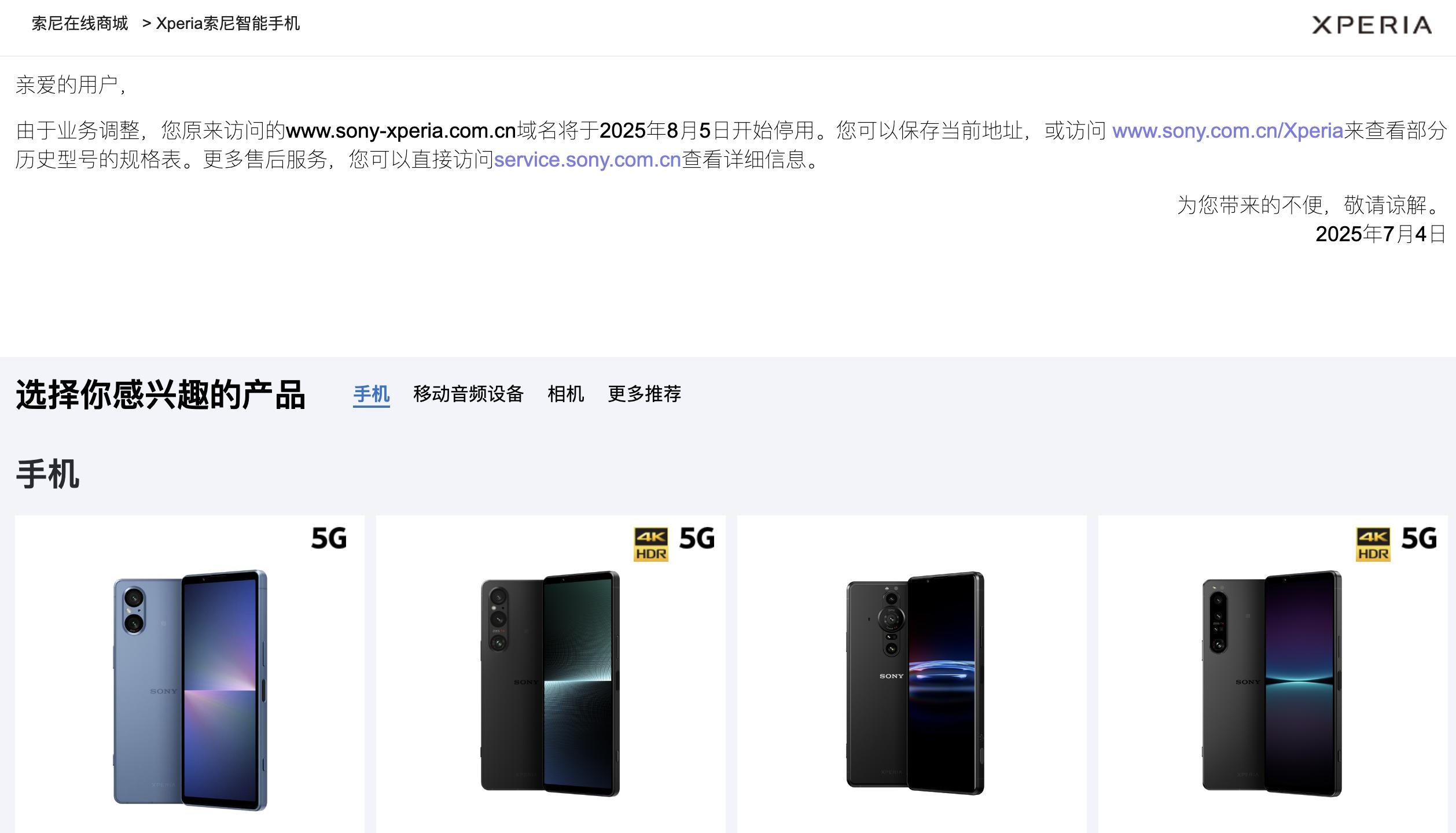
Core Viewpoint - Sony's mobile phone business in China has effectively ended, marked by the shutdown of its official WeChat account and the removal of its product listings, following a significant decline in market share and sales performance [5][7][9]. Group 1: Business Operations - Sony's official WeChat account for Xperia was shut down in November 2025, indicating the end of its mobile operations in China [7]. - The last new model launched in China was the Xperia 5V in September 2023, with no subsequent models released [7][9]. - Sony's market share in China's smartphone sector fell below 0.1% as of 2023, categorizing it as "other" in IDC's report [9]. Group 2: Historical Context - Sony's mobile phone success peaked during the Sony Ericsson era, with annual sales exceeding 100 million units, driven by popular products like the Walkman and Cyber-shot series [9]. - After acquiring Ericsson's shares in 2012, Sony's mobile division began a prolonged decline, struggling to compete with the rise of the iPhone and other smartphone innovations [9][10]. - By 2018, global sales plummeted to 1.6 million units, with significant financial losses reported in its mobile communications segment [10]. Group 3: Strategic Missteps - Sony's rigid adherence to a "hardware-driven" philosophy led to a disconnect with market demands, focusing on technical specifications over software services [15]. - The company's strategic misjudgments, particularly in display technology, contributed to its loss of market leadership in consumer electronics [15]. - Despite a strong presence in audio and gaming, Sony's television and mobile divisions are struggling, with market shares dwindling significantly [15][16]. Group 4: Future Outlook - Sony is reportedly planning to release two new Android models, the Xperia 1 VIII and Xperia 10 VIII, in 2026, despite its retreat from the Chinese market [17]. - Any potential return to the Chinese market would require a fundamentally different approach, integrating its strengths in audio, gaming, and sensors rather than relying solely on hardware [18].

索尼手机,这回真凉了
创业邦· 2025-11-22 01:09
Core Viewpoint - Sony Mobile has quietly exited the Chinese market, marking the end of a decade-long struggle due to its inability to adapt to local consumer preferences and competition [6][11][22]. Group 1: Historical Performance - Sony Mobile's peak in China was during the Sony Ericsson era from 2005 to 2010, where it was popular among young consumers with models like K750i and W800 [12][13]. - The introduction of the Xperia brand initially performed well, with Sony ranking among the top five in shipments in 2011, but faced increasing competition from local brands [15][18]. - By 2016-2018, local brands like Huawei and Xiaomi surged ahead, while Sony's high-priced flagship models failed to resonate with the market [18][22]. Group 2: Strategic Failures - The "One Sony" strategy aimed to integrate various business units to enhance the mobile division, but it did not yield the expected success for Xperia [24][26]. - Despite having access to advanced technologies from its other divisions, Xperia failed to capitalize on these advantages in the competitive smartphone landscape [25][29]. Group 3: Market Position and Future Outlook - Sony's market share in China has dwindled to less than 0.1%, reflecting its inability to compete effectively [22][34]. - Globally, Xperia's market share has remained around 0.2%-0.3%, indicating that mobile phones have become more of a technology showcase rather than a profitable business for Sony [35][39]. - The mobile imaging sensor business is thriving, with Sony holding over 50% of the global market share, suggesting that Xperia may serve primarily as a testing ground for new technologies [35][36].
索尼手机,这回真凉了
36氪· 2025-11-19 13:31
Core Viewpoint - Sony Mobile has quietly exited the Chinese market, marking the end of a long struggle due to its inability to adapt to local consumer preferences and competition [4][5][15]. Group 1: Historical Performance - Sony Mobile's peak in China was during the Sony Ericsson era from 2005 to 2010, where it was popular among young consumers with innovative features like high-resolution cameras and music capabilities [7]. - The introduction of the Xperia brand initially performed well, ranking among the top five in shipments in 2011, but faced increasing competition from local brands like Huawei and Vivo [9]. - By 2016-2018, local brands surged ahead, and despite releasing flagship models like the XZ Premium, Sony's high pricing and lack of local adaptation led to a decline in market presence [11][12]. Group 2: Strategic Missteps - Sony's "One Sony" strategy aimed to integrate its various business units to enhance the mobile division, but it failed to translate into success for Xperia, which continued to struggle globally [18][19]. - The Xperia brand has been marginalized in key markets, with its share in Japan dropping significantly and remaining below 2% in Europe and nearly nonexistent in North America [21]. Group 3: Market Dynamics - The shift to AI-driven smartphones has further diminished Sony's competitive edge, as local brands have integrated advanced AI features into their devices, while Sony has not established a clear strategy in this area [22]. - Apple's success in China is attributed to its comprehensive ecosystem and local adaptations, which Sony has lacked, particularly in software and system experience [22][24]. Group 4: Future Outlook - Sony Mobile's global market share has hovered around 0.2%-0.3% over the past five years, indicating that the mobile division has become more of a technology showcase rather than a profitable business [27]. - The mobile image sensor business, which dominates over 50% of the global market, relies on Xperia as a testing platform for new technologies, raising concerns about the brand's future if this need diminishes [27][29]. - The potential for Sony to exit the global mobile market remains uncertain and will depend on future developments [30].

索尼手机彻底退出中国:卷不过国产、跟不上时代
3 6 Ke· 2025-11-17 00:07
Core Insights - Sony's Xperia brand has officially ceased operations in China, marking a significant retreat from the market after years of declining performance [1][3] - The decision to shut down the brand is attributed to long-standing issues with market adaptation and competition from local brands [3][12] Historical Context - Sony's mobile division was once highly regarded in China, particularly during the Sony Ericsson era from 2005 to 2010, when it was popular among young consumers [4] - The introduction of the Xperia brand initially saw success, with notable models like the Xperia Arc and Xperia Z series gaining traction [6][9] - However, by 2016-2018, local competitors like Huawei and Xiaomi began to dominate the market, leading to a decline in Sony's market share [9][10] Market Performance - Sony's smartphone market share in China has dwindled to less than 0.1% as of 2023, reflecting its inability to compete effectively [12] - The brand's focus on niche features and high pricing has alienated mainstream consumers, contributing to its decline [10][12] Strategic Missteps - Despite the "One Sony" strategy aimed at leveraging synergies across its various business units, the mobile division failed to capitalize on these resources effectively [14][16] - Sony's lack of software support and local market adaptation has been a critical factor in its failure to resonate with Chinese consumers [16][19] Future Outlook - Sony's mobile division is no longer seen as a profitable business but rather as a platform for testing new imaging technologies [20] - The increasing collaboration between Sony's imaging business and Chinese brands raises concerns about the future viability of the Xperia brand [22]
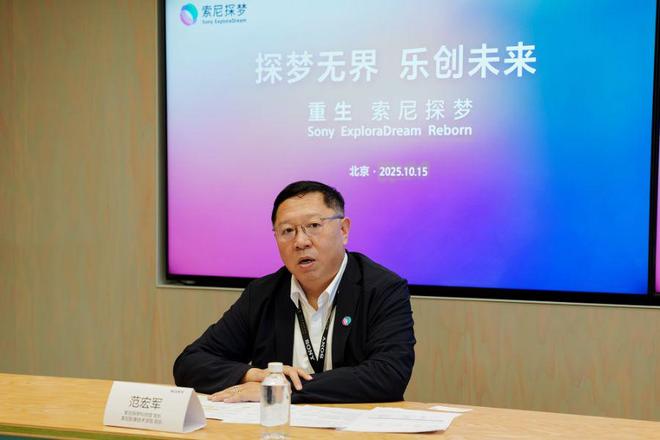
索尼“线下实景娱乐”战略落子北京,押注线下娱乐新赛道
2 1 Shi Ji Jing Ji Bao Dao· 2025-10-24 10:09
Core Insights - Sony's "offline immersive entertainment" strategy has made significant progress in China with the opening of the Sony Dream Technology Museum in Beijing, integrating various business resources to enhance brand penetration in the market [1][4]. Group 1: Museum Overview - The new museum aims to provide a comprehensive understanding of Sony beyond its traditional image as a hardware company, showcasing its capabilities in film, music, animation, and gaming [3][4]. - The Sony Dream Technology Museum has been operational since 2000 and has received 3.688 million visitors across 66 cities, with a total investment of 700 million yuan in the project as of 2023 [3][4]. Group 2: Shift to Commercialization - The new museum transitions from a purely educational focus to a blend of education and entertainment, featuring over 40 experiential areas, with two-thirds of the content being new and incorporating various IP resources from Sony's entertainment sectors [4][5]. - The museum emphasizes technology-driven experiences, such as generating virtual avatars for visitors and interactive projects that highlight emotional engagement through AI [5][6]. Group 3: Strategic Integration - The project represents a complex cross-departmental collaboration within Sony, integrating resources from various divisions including design, semiconductor, software, and research centers [7]. - The museum aligns with Sony's "One Sony" strategy, aiming to create synergies across its diverse business segments in the Chinese market [5][6]. Group 4: Brand Positioning - The choice of Beijing for the new museum is strategic, as it is a cultural and educational hub with a concentration of youth, fostering innovation in cultural and technological integration [9]. - The museum's commercial aspects are designed to support its primary educational mission, with all revenues reinvested into operations rather than being driven by strict revenue KPIs [8].