智能穿戴设备

Search documents
光帆科技推出全感穿戴设备 董红光:以AI重构人机交互新范式
Huan Qiu Wang· 2025-12-25 04:26
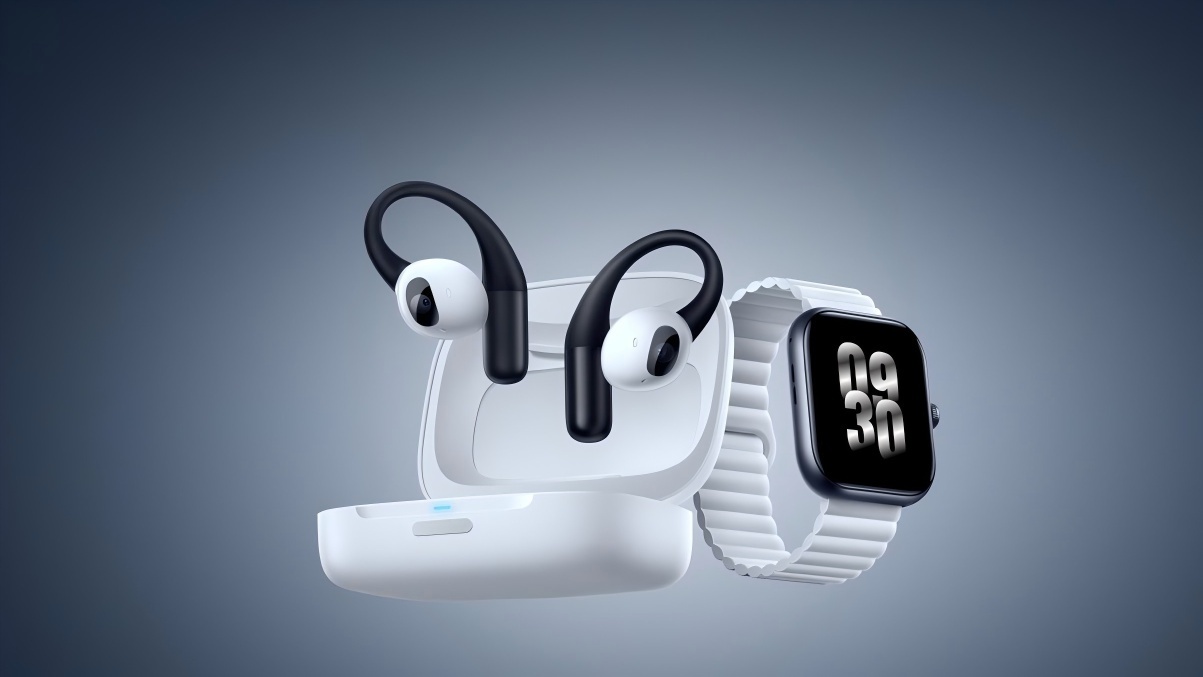
Core Insights - The article discusses the launch of a new all-sensory wearable device by Guangfan Technology, which integrates an AI headset and a smartwatch, operating independently without a smartphone, and providing proactive intelligent services for various daily tasks [1][3]. Product Features - The device aims to create a true "AI assistant" rather than just an extension of traditional hardware, utilizing a collaborative software and hardware approach to achieve full sensory interaction capabilities [3]. - It features a low-resolution camera for visual perception, which is sufficient for object and scene recognition, thus optimizing size and power consumption while enhancing user experience [3]. - The device achieves a 9-hour talk time through a balanced approach to computing power and battery design, ensuring lightweight and comfortable wear [4]. Industry Trends - The core change in the AI era is the decoupling of interaction and computing power, with wearable devices serving as more suitable interaction points compared to smartphones [4]. - Future AI hardware is expected to move towards multi-device collaboration, with cloud-based systems connecting various devices to provide unified services [6]. Ecosystem Strategy - Guangfan Technology adopts an open cooperation strategy, integrating third-party services for ride-hailing and shopping, focusing on hardware and operating system development while allowing developers to concentrate on business implementation [6]. - The company's competitive advantage lies in its system capability through software and hardware collaboration, employing a development model that prioritizes software needs before hardware design [6].

机构:全球智能手表市场有望于2025年重回增长轨道
Xin Lang Cai Jing· 2025-12-24 04:24
Core Insights - Global smartwatch shipments are expected to grow by 7% year-on-year by the end of 2025, following a decline in 2024 [1] - The recovery in the smartwatch market will be driven by new hardware and software features, increased consumer preference for mid-to-high-end smartwatches, and a growing focus on health-related functionalities [1] - Huawei is leading this recovery, supported by new product offerings from Apple [1]

2025年全球智能手表有望重回增长轨道 华为苹果引领复苏
Zheng Quan Shi Bao Wang· 2025-12-24 03:58
Core Insights - Global smartwatch shipments are expected to grow by 7% year-on-year by the end of 2025, recovering from a decline in 2024 [1] - Huawei leads the recovery with a 42% year-on-year increase in shipments, followed by Xiaomi with 22% and Imoo with 17% [1] - Apple is projected to see a 12% year-on-year increase in shipments in Q3 2025, ending a streak of seven consecutive quarters of decline [1] Industry Trends - Major brands are accelerating the integration of AI-driven health analysis and guidance features into their product offerings [1] - Key new features such as satellite communication, 5G RedCap, and Micro LED display technology are highlighted as significant upgrades in products [1]
从内卷到破局:上海海思谛听穿戴方案重构智能手表产业逻辑
Xin Lang Cai Jing· 2025-12-23 23:14
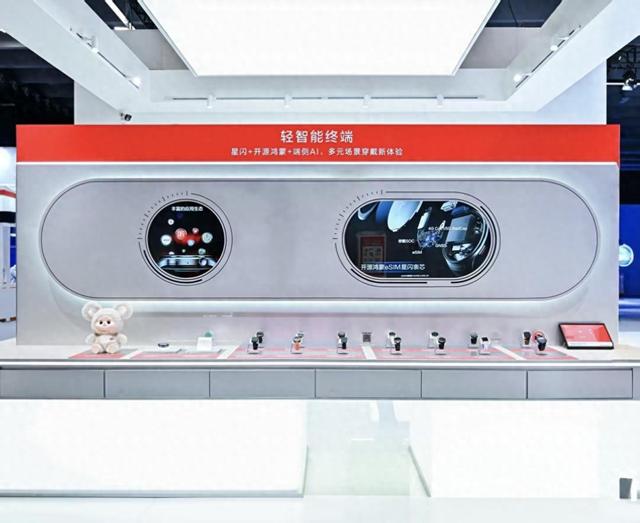
Core Insights - The smartwatch market is currently facing a bottleneck, with consumer expectations for independent functionality clashing with manufacturers' struggles against product homogenization [1][3] - Shanghai HiSilicon's newly launched "Diting Wearable Solution" aims to address this gap by integrating open-source HarmonyOS, Starlink connectivity technology, and end-to-end AI collaboration into a ready-to-use package [1][3] Market Dynamics - The smartwatch industry is characterized by a lack of differentiation, with similar hardware components leading to intense price competition [1] - Shanghai HiSilicon's solution offers a way for manufacturers to escape this cycle by transforming smartwatches from mere hardware devices into long-term operational smart entry points [3] Ecosystem Development - The HarmonyOS ecosystem is pivotal, featuring over 50 applications that can be monetized, with expectations to exceed 100 by 2025, showcasing a growing scale effect [3][4] - The unified architecture of HarmonyOS allows for cross-brand application deployment, significantly reducing adaptation costs for developers [4] Technological Advancements - The W600 series GPU from Shanghai HiSilicon supports high-definition displays and video decoding, enabling features like "video watch faces" without the need for additional chips [6] - Power consumption has been optimized, with the 4G Cat1 module achieving standby power below 180μA, allowing for a week-long battery life with 4G connectivity [7] Connectivity Enhancements - The Starlink 2.0 protocol enhances transmission rates to 16Mbps, significantly improving audio quality and reducing interference in challenging environments [7] - GNSS positioning sensitivity has been optimized, ensuring accurate tracking even in complex scenarios [7] Practical Applications - The Diting Wearable Solution has been validated through a collaboration with China Telecom, resulting in a health monitoring smartwatch that utilizes AI for real-time alerts and services [8][11] - This collaboration has undergone extensive testing to ensure reliability and stability in real-world conditions, reducing trial and error costs for manufacturers [11] AI Integration - The solution incorporates end-side AI capabilities for noise reduction and health monitoring, enhancing user experience during outdoor activities [14] - The architecture allows for efficient collaboration between edge AI and cloud capabilities, ensuring user data privacy while providing advanced services [15] Modular Delivery - Shanghai HiSilicon's modular approach allows manufacturers to utilize a complete package of components, reducing development time and costs [16] - This model enables companies to focus on design and application differentiation rather than technical integration, which is crucial for smaller manufacturers [16] Strategic Implications - Manufacturers can quickly leverage existing successful models to launch differentiated products, supported by a growing application ecosystem [17] - The long-term vision includes a shift towards operational ecosystems, moving away from hardware sales to sustainable service models, potentially alleviating market saturation issues [17]
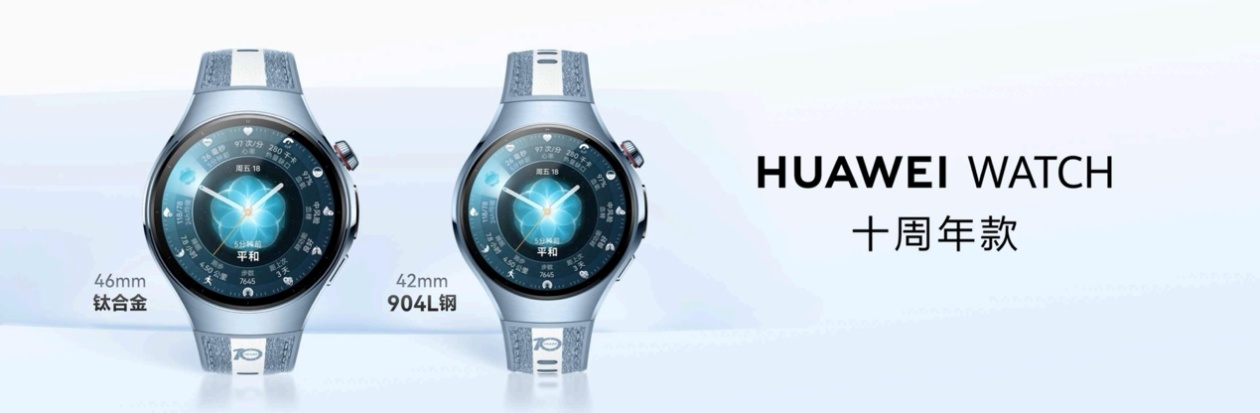
十年深耕智启新章!华为WATCH十周年款重塑腕上健康科技体验
Huan Qiu Wang· 2025-12-22 09:10
Core Viewpoint - Huawei's WATCH 10th Anniversary Edition is a significant milestone that combines advanced performance, smart experience, and health management, set to launch on December 25 at a starting price of 2799 yuan, embodying the commitment to making digital health accessible to everyone [1][12]. Design and Features - The design of the Huawei WATCH 10th Anniversary Edition merges technology with culture, featuring a unique "Dome Blue" color and polar white, symbolizing the spirit of exploration. It includes a "10 YEARS" engraving on the crown and is made from high-quality materials like 904L stainless steel and titanium alloy [3]. - The watch offers two size options, 46mm and 42mm, and comes with a special 10th-anniversary badge, making each watch a collectible item [3]. Health Technology Upgrades - A key highlight is the introduction of the "Health Dashboard," which displays twelve core health metrics across twelve scale points, including heart rate, fat reduction, blood oxygen, blood sugar, lung function, and micro-health checks, making professional medical indicators easy to understand [5]. - The watch is powered by HarmonyOS 6.0, featuring an upgraded AI assistant that can provide personalized health analysis and advice through voice commands [5]. Sports and Health Management - The Huawei WATCH 10th Anniversary Edition enhances sports health capabilities with the X-TAP smart sensing window, integrating ECG, PPG, and pressure sensors, allowing users to obtain precise blood oxygen levels and conduct a micro-health check in just 60 seconds [7]. - It supports over 100 professional sports modes, providing accurate guidance for various activities, thus promoting a comprehensive health management experience [7]. Market Position and Achievements - Since its first circular design in 2015, Huawei has launched several industry-first smartwatches, achieving a cumulative global shipment of over 200 million units by 2025, with a market presence in over 20 countries [9]. - According to IDC data, Huawei's wearable device shipments reached 28.6 million units in the first three quarters of 2025, maintaining the top position in both global and domestic markets, with a 27% year-on-year growth [9][10]. Future Outlook - The Huawei WATCH 10th Anniversary Edition marks not only a summary of past achievements but also the beginning of future innovations, with a commitment to advancing health technology and enhancing user experience in the wearable device sector [12].
华为WATCH GT 6冰雪蓝新色发布:滑雪模式精准升级,售价1488元
Feng Huang Wang· 2025-12-22 08:01
凤凰网科技讯 12月22日,华为正式为WATCH GT 6系列推出全新"冰雪蓝"配色。新品在延续系列强续航 传统的同时,重点强化了滑雪运动场景功能,并新增人文关怀设计。 针对滑雪爱好者,新手表可自动识别滑降、乘坐魔毯及缆车状态,提升记录准确性。其支持记录单趟滑 行时间、平均坡度、最大速度等数据,最高可保存1000趟滑雪记录,满足雪季全程追踪需求。 本次更新同步推出"活力三环"的轮椅模式,为轮椅使用者提供更贴合其日常活动的健康管理与运动激励 功能。 续航方面,41mm版本在典型使用场景下仍保持长达14天的续航能力。全新冰雪蓝配色定于2026年1月1 日10:08正式开售,售价1488元。 ...
夸克AI眼镜G1开启预售:低至1999元,搭载千问AI助手
Xin Lang Cai Jing· 2025-12-22 08:00
Core Insights - Quark AI glasses have launched two new products for pre-sale, with the G1 model priced at 1999 yuan, significantly lowering the entry barrier for AI wearable technology [1][3] - The flagship S1 series has introduced a new round tortoiseshell color option, providing consumers with more choices [1][3] Product Features - The G1 model shares hardware specifications with the flagship S1 series, featuring dual flagship chips, dual systems, five microphone arrays, bone conduction, and high-performance speaker hardware, enabling a superior AI interaction experience at a lower price [1][3] - G1 weighs approximately 40g, offering a comfortable wearing experience similar to regular optical glasses, with improved comfort and battery life [1][3] - The G1 model does not have a display, allowing for greater lens customization options, including blue light filtering and smart color-changing lenses, making it more user-friendly for nearsighted consumers [1][3] - G1 supports mobile-level imaging technology, enabling 0.6-second rapid capture, 3K video recording, and 4K video output through AI super-resolution technology [1][3] Sales Channels - The new products are available for pre-sale on online platforms such as Tmall, Douyin, and JD.com, and will also be offered in 604 offline stores across 82 cities for fitting, product experience, and purchasing services [2][4]
阿里千问加速 AI 硬件布局 夸克两款新 AI 眼镜预售,最低 1999 元
Jing Ji Guan Cha Wang· 2025-12-22 04:08
Core Insights - Alibaba's Qianwen C-end business group has launched two new Quark AI glasses, significantly lowering the entry price for AI usage with the G1 model starting at 1999 yuan [1] - The flagship S1 series now includes a new round tortoiseshell color option, providing consumers with more choices [1] Product Features - The G1 model, despite its lower price, is equipped with the Qianwen AI assistant, allowing access to Alibaba's ecosystem services, and shares core hardware with the S1 [1] - Key specifications include dual flagship chips, a five-microphone array, and bone conduction technology, supporting features like voice Q&A and real-time translation [1] - The G1 weighs only 40g and offers customizable lens options, including blue light protection and smart color-changing capabilities, catering to users with myopia [1] - In terms of imaging, the G1 supports 0.6-second capture, 3K recording, and 4K ultra-high-definition output [1] Market Strategy - The new products are available for pre-sale on major online platforms such as Tmall, JD, and Douyin, with 604 offline stores across 82 cities in China set to provide experience and fitting services [1] - The rapid iteration of Quark AI glasses highlights Alibaba's commitment to extending AI assistants across multiple devices and building a comprehensive AI ecosystem [1] - Following the successful launch of the S1 series, which saw a surge in demand, the new products aim to further enrich supply and expand market penetration [1]

机构密集调研AI眼镜产业链公司
Zhong Guo Zheng Quan Bao· 2025-12-18 20:23
Group 1: Industry Overview - The AI glasses industry is transitioning from an exploratory phase to a stage of scalable growth, driven by the rapid launch of new products by leading manufacturers and innovative brands [1] - Research firm IDC reported that in Q3, 35.7% of smart glasses in China supported AI, and 53.9% were connected to large models, indicating a strong market presence for AI-enabled products [2] - The global AI glasses market is projected to reach 2.5 billion yuan in 2024 and is expected to approach 100 billion yuan by 2030, highlighting significant growth potential [3] Group 2: Company Insights - Over 300 institutions have conducted research on Lens Technology, which maintains a leading position in the global market for precision structural components and modules in consumer electronics [1] - Longqi Technology has established long-term strategic partnerships with global leading clients, resulting in significant sales growth compared to the previous year, with optimistic prospects for future AI glasses products [2] - Jiahua Intelligent has increased its R&D investment in response to the growing consumer interest in AR/AI glasses, indicating a positive outlook for the development of this product category [1][2]
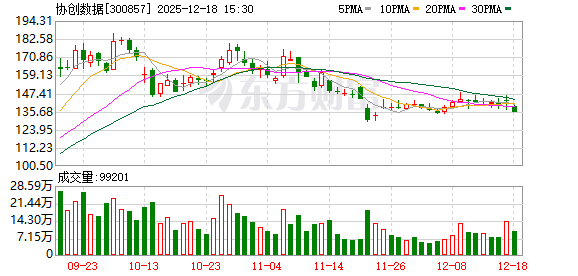
协创数据:目前Dreamworld AI(融梦AI)的新款人工智能眼镜正在按照原定计划推进过程中
Zheng Quan Ri Bao· 2025-12-18 08:17
Group 1 - The core viewpoint of the article is that the company is progressing with the development of its new AI glasses, Dreamworld AI, and plans to start mass production in the first quarter of 2026 [2]. Group 2 - The company confirmed that the new AI glasses are on schedule as planned [2]. - Further details regarding the company's business operations will be provided in future regular reports and announcements [2].