理想AI眼镜

Search documents
理想AI眼镜优势来自think different敢于不用AR1芯片
理想TOP2· 2026-03-29 11:57
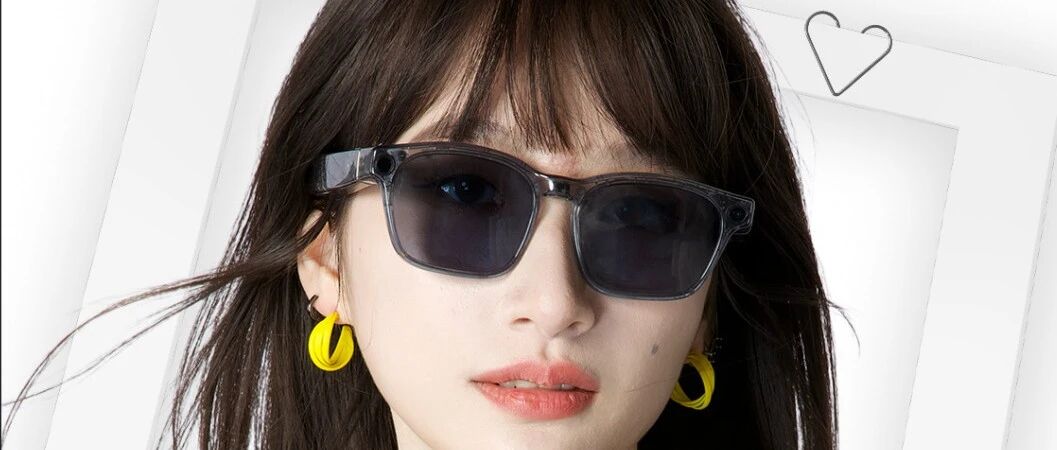
Core Viewpoint - The article discusses the advancements and competitive advantages of Ideal's smart glasses in the AR and VR market, highlighting their unique technology and design choices that set them apart from competitors like META and Qualcomm [1][5][10]. Group 1: Product Features and Performance - Ideal's smart glasses have a faster AI response time compared to META's Ray-Ban, allowing for more natural interactions and quicker responses to user queries [5]. - The glasses are significantly lighter and offer three times the battery life compared to META's products, enabling all-day use without the need for recharging [5][9]. - Ideal's glasses integrate Live Photo seamlessly into Apple Photos, a feature that META has not implemented, enhancing user experience [5]. - The lightweight system allows for rapid photo and video capture, with a streamlined process that reduces latency in user interactions [8]. Group 2: Technology and Design - Ideal's decision to use custom ISP and Bluetooth chips instead of Qualcomm's AR1 chip allows for lower power consumption and cost, while achieving better performance metrics [10][12]. - The operating system of Ideal's glasses is designed to be lightweight, with a total size of only a few megabytes, which enhances system responsiveness [7][11]. - The design incorporates high standards of industrial design, achieving G3 continuity for a premium aesthetic, which is crucial for user perception [13]. Group 3: Market Position and Strategy - Ideal's approach to smart glasses is rooted in a clear vision of creating a high-quality user experience, focusing on practical applications beyond automotive use [12][13]. - The company emphasizes the importance of integrating advanced technology with user-centric design, aiming to deliver a product that is both functional and appealing [13]. - Ideal's strategy includes regular product evaluations to refine details, ensuring that the final product meets high standards of quality and usability [13].


前具身智能时代李想最好的两场演讲之创业初期, 是什么决定了输赢?
理想TOP2· 2026-02-18 15:53
Core Viewpoint - The success of Autohome has provided the opportunity for Li Xiang to enter the smart car startup space, emphasizing the importance of focusing on user value and executing fundamental tasks effectively [2][3]. Group 1: Autohome's Success Factors - Autohome captured 90% of the industry's profits by focusing on user value rather than competition, using traffic as a key performance indicator [2]. - The company prioritized high-quality real car images over official manufacturer photos, which significantly improved user engagement [13][14]. - Autohome's commitment to daily updates, including weekends and holidays, set it apart from competitors, who failed to match this level of execution [17][18]. Group 2: Strategic Shifts in Smart Vehicle Development - The transition to the embodied intelligence era for Li Auto is marked by three key milestones, including public commitments to becoming a leading company in this field [4][5][6]. - The organizational structure of Li Auto will fundamentally change, integrating teams for collaborative design, contrasting with past practices of separate software and hardware development [6]. Group 3: Lessons from Early Challenges - The initial years of Autohome were characterized by significant challenges, including a lack of resources and industry connections, which were overcome through innovative strategies [11][12]. - The first three battles fought by Autohome were crucial in establishing its market position, focusing on real-time updates and original content [30][31][34].


近期介绍理想车机最好的视频,B站破百万播放
理想TOP2· 2026-01-11 06:13
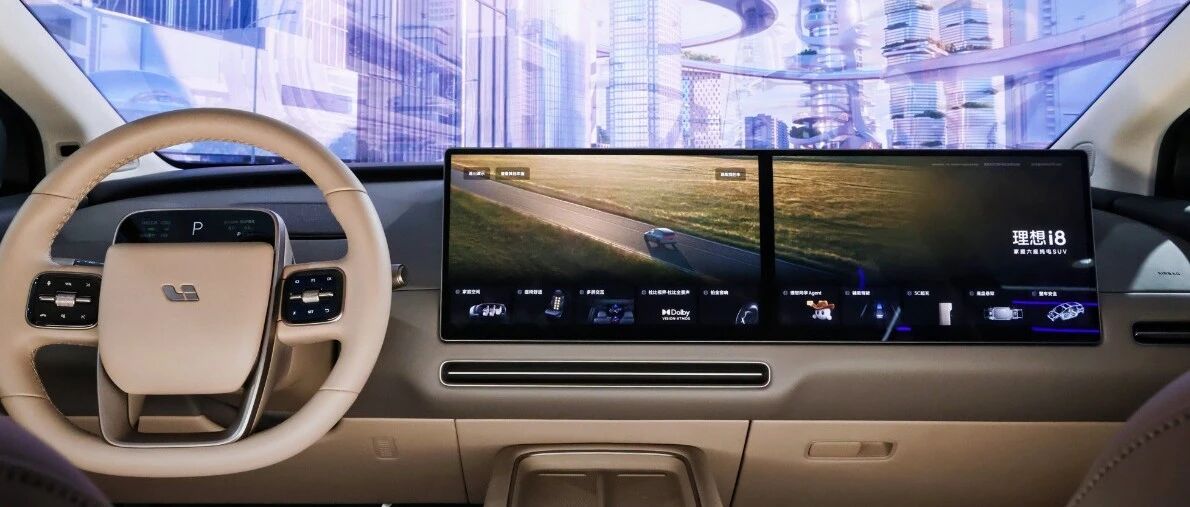
Core Viewpoint - The article emphasizes that the Li Auto vehicle's infotainment system is currently the best in quality among domestic electric vehicles, surpassing even Apple's capabilities in certain aspects [2][6][14]. Group 1: Hardware and UI Design - The Li Auto infotainment system features two 15.7-inch 3K screens, which outperform the latest iPad Air's 2K display [2][7]. - The UI design adopts a flat, minimalist style reminiscent of Apple, enhancing user experience with smooth operation and familiar navigation [6][7]. Group 2: AI Capabilities - The system includes a true AI Agent that can execute cross-application tasks, such as placing food orders directly through voice commands, which Apple has not achieved [3][9]. - It can manage various media applications, allowing users to control playback and settings seamlessly [3][9]. Group 3: Innovative Features - The vehicle can automatically scan QR codes for parking payments using its cameras, addressing a common pain point for drivers [4][10]. - The system has the capability to generate code in real-time, allowing users to create custom applications through voice commands, showcasing advanced software customization [4][12][13]. Group 4: AI Glasses - Li Auto has introduced AI glasses priced at 1699 yuan, which support voice control and multimodal interaction, extending the functionality of the Li Auto assistant beyond the vehicle [5][14]. Group 5: Overall Impression - The article concludes that Li Auto's innovations challenge the perception of traditional automotive technology, positioning the company as a competitor to tech giants like Apple in the automotive space [12][14].
AI眼镜大战终局前瞻:阿里与百度的超级终端争夺战
3 6 Ke· 2026-01-08 09:54
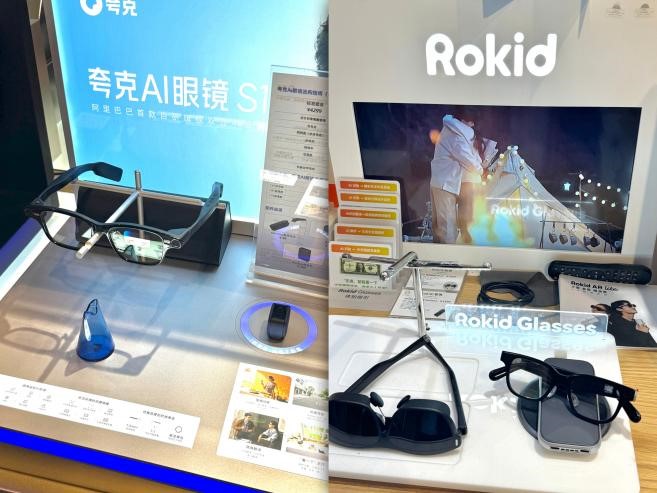
Core Insights - The 2025 consumer electronics landscape is dominated by "AI glasses," with major players like Baidu and Alibaba launching significant products, leading to a global competition termed the "Hundred Glasses War" [1][12] - The competition is fundamentally about the control of the "next-generation super terminal" narrative, with a focus on hardware, AI capabilities, and ecosystem development [1][4] Group 1: Competition Focus - The competition has evolved from basic hardware comparisons to a multi-dimensional ecosystem battle, highlighting three core competitive focuses: lightweight design and user experience, practical AI capabilities, and ecosystem collaboration [1][4] - Baidu's Xiaodu AI Glasses Pro weighs 39 grams and offers a stylish design, while Alibaba's Quark AI Glasses provide two series targeting different user needs, emphasizing comfort and integrated prescription options [2][3] - The challenge of balancing display quality, battery life, and comfort is referred to as the "impossible triangle" in the industry [2] Group 2: AI Capabilities and Ecosystem - Baidu's AI glasses leverage the Wenxin Yiyan model for real-time translation, AI recognition, and meeting summaries, while Quark integrates its capabilities with local services like navigation and payment [3][4] - The two companies differ in their approaches: Baidu focuses on personal assistant features, while Quark emphasizes efficiency tools for local living [4] Group 3: Market Dynamics and Challenges - The current market faces high return rates, with traditional e-commerce platforms seeing around 30% and content platforms like Douyin reaching 40-50%, primarily due to insufficient functionality and user experience [6] - Key issues include mismatched battery life, inadequate functionality across devices, and a lack of perceived value for high-priced products, leading to consumer regret [6][7] Group 4: Future Outlook - The AI glasses market is expected to see significant growth, with global shipments projected to exceed 23.68 million units by 2026, and the Chinese market alone surpassing 4.91 million units [8][9] - The industry is anticipated to shift towards a model of "head concentration and segmented coexistence," with major players dominating the general market while niche companies focus on specialized areas [9][10] - Technological advancements are expected to address current limitations, with improvements in battery life, display technology, and the development of native applications [10][11] Group 5: Business Models and Consumer Adoption - The business model is shifting from hardware sales to a "hardware + service" subscription model, with companies like Quark and Baidu exploring service monetization strategies [10][11] - By 2026, AI glasses are projected to become more affordable, with prices potentially dropping to the 1500-2000 yuan range, making them more accessible to consumers [11]


机构密集调研AI眼镜产业链公司
Zhong Guo Zheng Quan Bao· 2025-12-18 20:23
Group 1: Industry Overview - The AI glasses industry is transitioning from an exploratory phase to a stage of scalable growth, driven by the rapid launch of new products by leading manufacturers and innovative brands [1] - Research firm IDC reported that in Q3, 35.7% of smart glasses in China supported AI, and 53.9% were connected to large models, indicating a strong market presence for AI-enabled products [2] - The global AI glasses market is projected to reach 2.5 billion yuan in 2024 and is expected to approach 100 billion yuan by 2030, highlighting significant growth potential [3] Group 2: Company Insights - Over 300 institutions have conducted research on Lens Technology, which maintains a leading position in the global market for precision structural components and modules in consumer electronics [1] - Longqi Technology has established long-term strategic partnerships with global leading clients, resulting in significant sales growth compared to the previous year, with optimistic prospects for future AI glasses products [2] - Jiahua Intelligent has increased its R&D investment in response to the growing consumer interest in AR/AI glasses, indicating a positive outlook for the development of this product category [1][2]
范皓宇认为这个人对理想AI眼镜的解读很有水平
理想TOP2· 2025-12-18 04:16
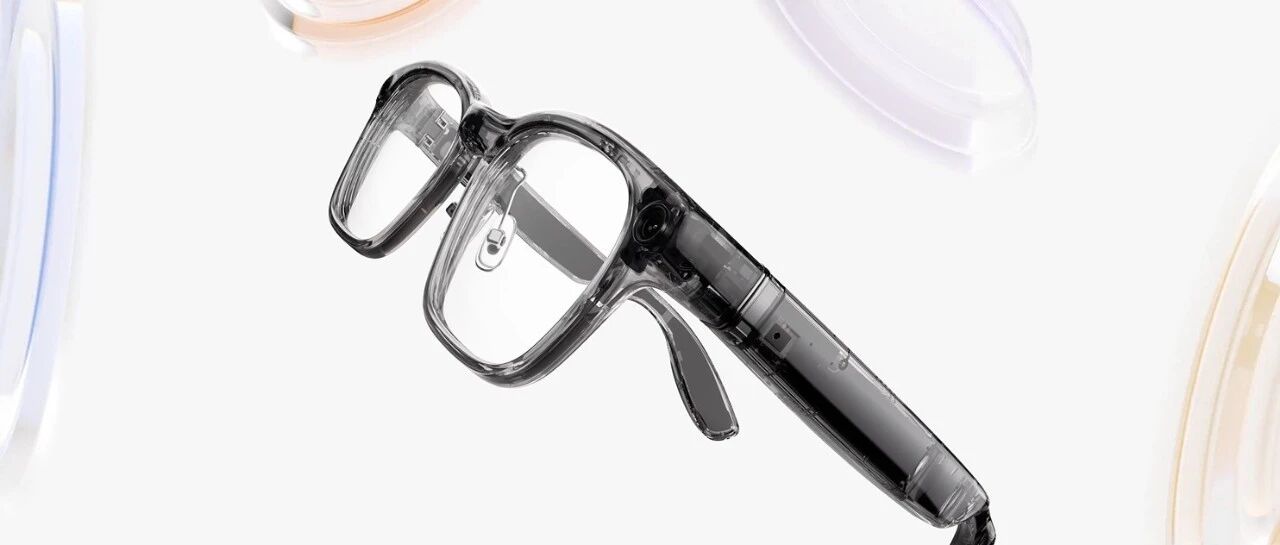
Core Viewpoint - The article emphasizes that the ideal AI glasses are not perfect but represent a significant step towards the future of wearable technology, distinguishing between genuine demand and superficial needs [1]. Group 1: Product Features - The ideal AI glasses are currently the most usable AI glasses available, primarily due to their weight being under 40 grams, specifically at 36 grams, which allows for a full day of wear, unlike competitors like Xiaomi, which have a return rate of 40% due to weight issues [2]. - The "always on" feature is highlighted as crucial, enabling continuous input and output through built-in cameras and microphones, which enhances usability in various scenarios, such as capturing spontaneous moments without needing to reach for a phone [2][3]. - The glasses lack a display feature found in competitors like Quark and Rokid, but prioritize the "always on" capability, suggesting that weight reduction is more critical than having a display [4]. Group 2: Limitations - The initial version of the glasses has limitations in photography, only reaching the quality of an iPhone 4, with significant issues in low-light conditions and video quality reminiscent of older technology [5]. - Software issues include the lack of support for continuous voice input, requiring pauses between commands, which detracts from user experience, and problems with file transfer over WiFi, including large photo sizes averaging 12MB due to the use of traditional JPG format instead of HEIF [6]. - The purchasing process requires users to provide optical data, which may not be readily available, indicating a potential barrier for consumers [7]. Group 3: Market Accessibility - The glasses are available for purchase by individuals who do not own an Ideal vehicle, indicating that the product is not limited to existing customers of the brand [8].
AI眼镜缺货凸显产能瓶颈 产业链上市公司迎发展机遇
Xin Lang Cai Jing· 2025-12-15 03:33
Core Insights - The AI glasses market is transitioning from niche products to mainstream consumer adoption, with multiple domestic manufacturers launching new models this year and Google entering the market recently [1][12]. Production Capacity Challenges - Quark AI glasses and Rokid are facing production bottlenecks, with Quark's new orders requiring a wait of at least 15 days, and Rokid's supply chain operating in three shifts to meet demand [1][3]. - Quark has added a new production line to increase capacity, aiming to fully release production by January to capitalize on the upcoming consumer demand during the Spring Festival [4][12]. - Rokid's active user base has surpassed 100,000, with a sales target of over 1 million units for next year, supported by improvements in production capacity for optical waveguide lenses [3][4]. Market Dynamics and Consumer Behavior - The current market for AI glasses is characterized by high product homogeneity, with various brands offering similar functionalities, yet the overall market is still in the early stages of consumer education [1][5]. - Sales are primarily driven by enterprise users, with individual consumers showing limited purchasing intent despite high foot traffic in physical stores [6][8]. - The conversion rate from trial to purchase remains low, with sales personnel noting that many customers are curious but not ready to buy [8]. Competitive Landscape - Google has announced two new AI glasses products, indicating a significant entry into the market, which could enhance the industry's growth potential [12]. - Different brands are exploring various technological paths, with some focusing on AR optical displays while others emphasize voice and audio interaction, reflecting a diverse approach to wearable AI technology [12][13]. Technical Challenges - The AI glasses industry faces several technical hurdles, including balancing battery life and performance, as well as the need for more diverse applications and ecosystems [13]. - Current products struggle with short battery life and heavy designs due to the high computational demands of AR displays, while audio devices are still defining their unique value propositions [13].
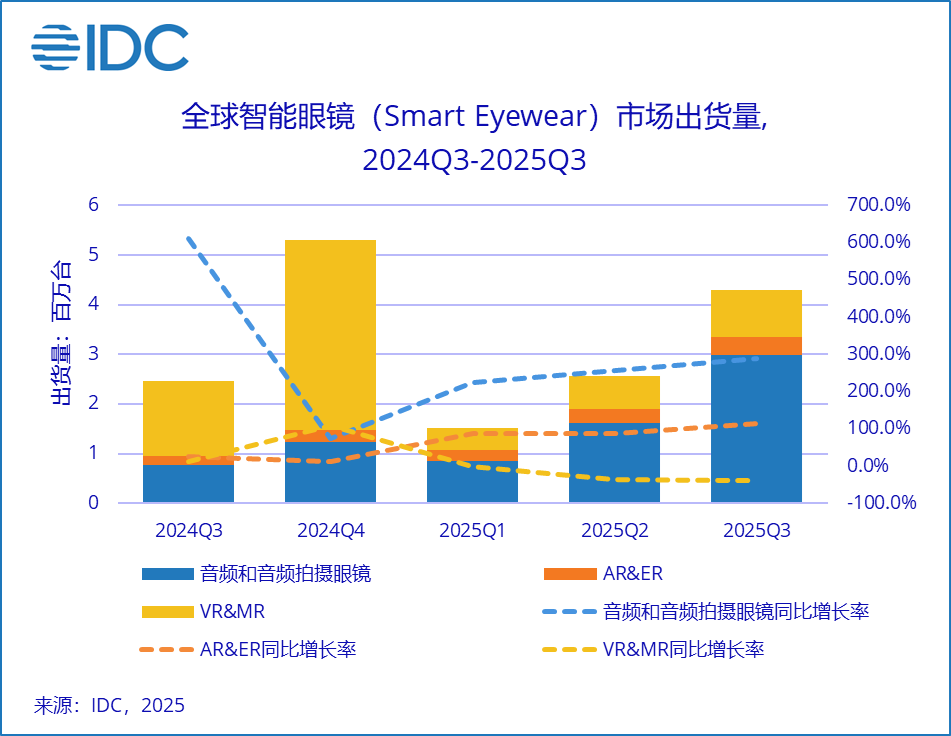
IDC:三季度全球智能眼镜出货量同比增长74.1% 音频和音频拍摄品类大增287.5%
智通财经网· 2025-12-12 06:07
Core Insights - The global smart eyewear market is projected to ship 4.296 million units in Q3 2025, representing a year-on-year growth of 74.1% [1] - The audio and audio-capturing glasses segment is expected to see a significant increase in shipments, with a year-on-year growth of 287.5%, while the AR/VR segment is experiencing a decline of 23.2% [1] - Meta has launched new products, achieving a market share of 75.7%, while Chinese manufacturers like Xiaomi, Thunder, Xreal, and Viture are also gaining traction in the market [1] Global Market Overview - The global smart eyewear market is expected to see a shipment of 4.296 million units in Q3 2025, with a year-on-year growth of 74.1% [1] - The audio and audio-capturing glasses market is projected to ship 2.994 million units, showing a remarkable growth of 287.5% [1] - The AR/VR market is expected to ship 1.302 million units, but it is facing a decline of 23.2% [1] Chinese Market Insights - The Chinese smart eyewear market is projected to ship 623,000 units in Q3 2025, reflecting a year-on-year growth of 62.3% [3] - The audio and audio-capturing glasses segment in China is expected to ship 454,000 units, with a year-on-year growth of 79.2% [5] - The AR/VR market in China is expected to ship 169,000 units, showing a year-on-year growth of 29.4% [6] Product Innovations and Trends - Major Chinese brands are launching new products, including Alibaba's Quark G1 and Baidu's AI glasses, which are expected to enhance market dynamics [5] - The proportion of products supporting large models has reached 49.5%, indicating a trend towards AI integration in smart eyewear [5] - The AR/ER category is leading growth in the AR/VR market, with a market share of 83.4% and a year-on-year growth of 142.3% [6] Future Projections - The Chinese smart eyewear market is expected to reach 4.508 million units by 2026, with a year-on-year growth of 77.7% [6] - The audio and audio-capturing glasses segment is projected to ship 3.434 million units, reflecting a growth of 68.1% [6] - The AR/VR device shipments are expected to reach 1.073 million units, with a year-on-year growth of 62.1% [6] Competitive Landscape - The smart eyewear market is entering a phase of scale growth, with major companies launching new products and driving technological innovation [8] - Competition is shifting towards ecosystem collaboration, content integration, and practical application scenarios [8] - The market is expected to see a more diverse competitive landscape, with a focus on user experience, AI functionality, and ecosystem completeness [9]


因信息量太大+这几天在北京线下交流导致无法深入全面分析理想AI眼镜
理想TOP2· 2025-12-04 14:54
Core Viewpoint - The article discusses the recent developments and discussions surrounding the Ideal AI glasses, highlighting the need for further analysis and information gathering due to the rapid influx of news in the AI sector [1]. Group 1: Discussion Angles - The practicality of the first generation of Ideal AI glasses and the target audience for these products [2] - Perspectives from Li Xiang and other Ideal representatives on the long-term significance of AI glasses, including direct quotes from original materials [2] - Future iteration directions for Ideal glasses, comparison with mainstream industry players, and the product standards relative to competitors, including perceived advantages and disadvantages [2] - The potential market size for AI glasses, the necessity for Ideal to enter this market, and the appropriateness of the current timing for entry, as well as the relevance of AI glasses for automotive companies aiming for long-term survival [2] - Sales expectations for the first generation of Ideal glasses and the current status of these sales [2] - Collaboration between Ideal and Zeiss, including considerations for overseas markets and ambitions for the next 1-2 years [2]
理想
数说新能源· 2025-12-04 03:02
Core Viewpoint - The article discusses the launch of a new AI-powered smart glasses product that integrates seamlessly with vehicles, enhancing user experience through advanced features and technology. Group 1: Product Features - The smart glasses allow users to control vehicle functions such as opening doors, trunk, and adjusting climate settings through voice commands, reducing response time from 7-8 seconds to instantaneous [1] - Equipped with Zeiss lenses, the glasses provide UV protection and feature a stylish design, including photochromic lenses that adapt to light conditions [1] - The Livis headrest speakers offer high-quality sound without interference, utilizing dual magnetic speakers and spatial audio algorithms [1] - The glasses have a lightweight design at 36g, with a battery life of 18 hours and standby time of 78 hours, allowing for extended use [4] - The product features a 4K camera capable of quick 0.7-second photo capture and supports live photo functionality [4] Group 2: Technology and AI Integration - The glasses utilize the Hengxuan 2800 chip and an ISP chip from Hangzhou Jimi Electronics, ensuring fast and efficient performance [1] - AI interaction is highlighted with a response time of 0.8 seconds for dialogue and 1 second for remote vehicle control, showcasing a natural and quick user experience [1] - The product incorporates a self-developed deep research framework, functioning like a personal research assistant, with ongoing OTA updates for feature enhancements [4] Group 3: Pricing and Market Strategy - The glasses are priced starting at 1999 yuan, with a promotional price of 1699 yuan available until December 31, which includes government subsidies [2] - The collaboration with Zeiss aims to expand overseas markets and develop augmented reality vision correction lenses [4]