
旅游业

Search documents
我国首部气候资源经济蓝皮书发布
Yang Shi Xin Wen· 2025-12-25 06:40
Core Insights - The "Climate Resource Economic Blue Book" released by the China Meteorological Administration emphasizes the transformation of climate resources into goods and services through policies, market mechanisms, and technological innovation, aiming for sustainable utilization and economic growth while ensuring food security and improving public welfare [1][2]. Group 1: Agricultural Insights - Agricultural climate resource assessment aids in food security, revealing that the corn planting area in Northeast China has expanded by approximately 6.1 million acres due to climate warming [2]. Group 2: Energy Sector Insights - China possesses abundant wind and solar energy resources, but their development efficiency is constrained by meteorological factors. Improved forecasting accuracy for wind and solar energy can reduce disaster loss ratios and optimize grid scheduling [2]. Group 3: Tourism Sector Insights - Climate landscapes, such as cloud seas and sunrises, are emerging as new growth points for local economies. In Chongqing, a study based on temperature and humidity indices identified regions with a mild climate suitable for tourism, and a weather index forecast was developed to help tourists understand local weather conditions [2]. Group 4: Health and Wellness Insights - Research on health meteorology indicates significant correlations between meteorological factors and diseases of the respiratory and circulatory systems. Accurate forecasting can help reduce morbidity rates, and a collaborative approach involving multiple departments can enhance public health response capabilities, providing essential technological support for a better health service system [2]. Group 5: Overall Significance - As China's first climate resource economic blue book, it provides scientific support for the efficient transformation of climate resources, serving the dual carbon goals and ecological civilization construction, and offers scientific references for research, government decision-making, industrial innovation, and climate governance [2].
12省份旅游总收入破万亿
Di Yi Cai Jing· 2025-12-25 06:09
12省份旅游总收入破万亿,今年还有2省份在冲击 作者:李秀中 文旅产业已经成为拉动地方经济增长的重要引擎。截至2024年底,已经有12个省份旅游总收入(旅游总 花费)突破万亿元,成为"万亿旅游强省"。另外,湖北、安徽也宣布今年旅游总收入将突破万亿。 近日,四川省文旅厅厅长陈光浩在"决胜'十四五'续写新篇章"系列主题新闻发布会上介绍,文旅产业是 四川"建圈强链"15个重点产业链之一,国内游客总人次、总花费从2022年的6.36亿、7059亿元分别增加 到2024年的11.19亿、1.76万亿元,领跑全国。 梳理各省份年初发布的数据以及最近举行的"十四五"系列发布会的数据,截至2024年底,四川、贵州、 江苏、浙江、云南、河北、广东、江西、湖南、广西、河南和山东等12个省份旅游总收入超过万亿。 12省份旅游总收入破万亿 12月19日,湖南省政府新闻办举行湖南"十四五"答卷系列主题新闻发布会(文旅专场),湖南省委宣传部 副部长、省文旅厅厅长李爱武介绍,2024年,全省累计接待游客7.42亿人次,实现旅游总花费1.06万亿 元,旅游业迈入湖南六大万亿级产业行列。 9月17日,河南省文旅厅副厅长周耀霞在河南省高质量完成 ...
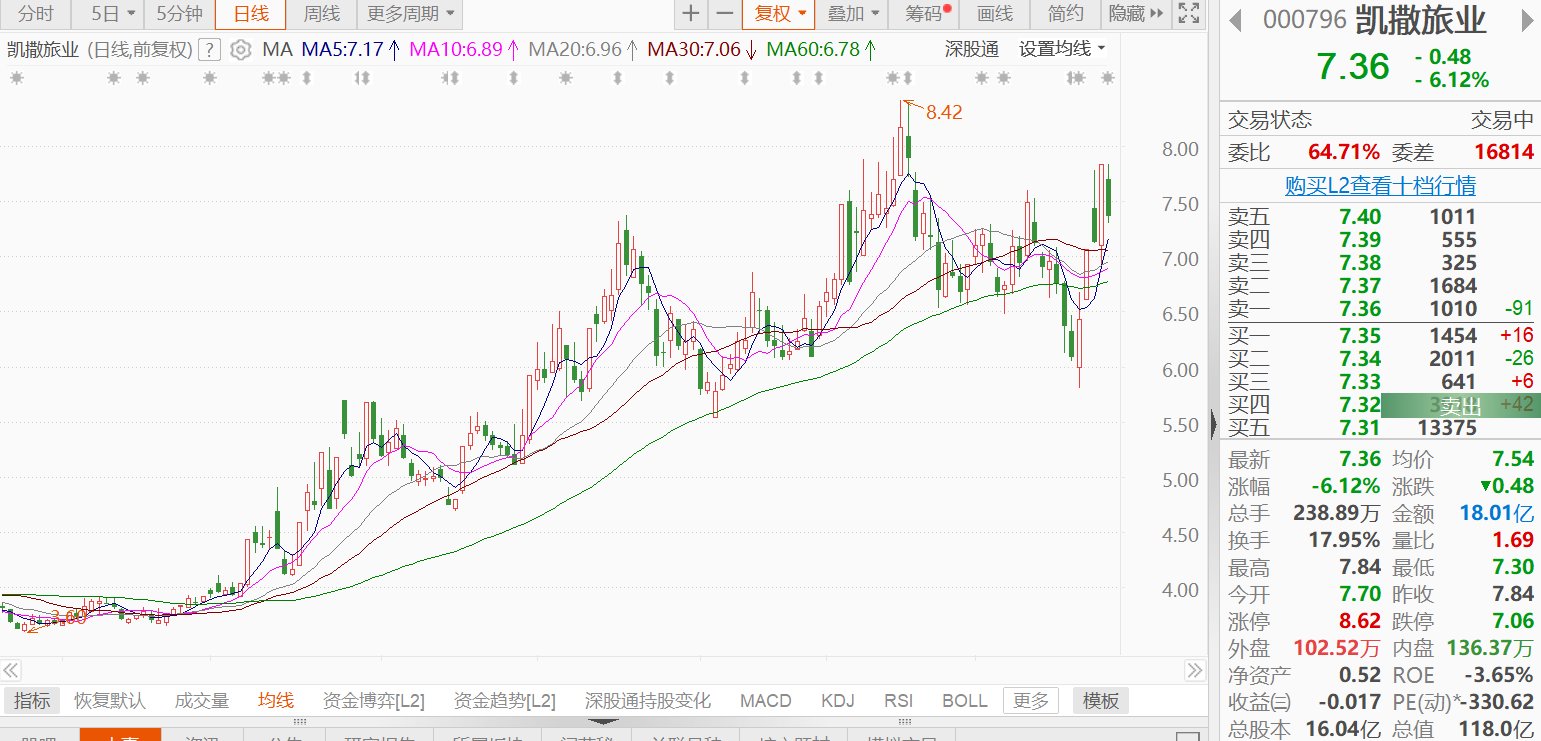
A股异动丨股东拟减持 凯撒旅业跌逾6% 此前3天2板
Ge Long Hui A P P· 2025-12-25 05:38
此前3天2板涨停的凯撒旅业(维权)(000796.SZ)今日跌6.12%,报7.36元,总市值118亿元。凯撒旅业公告称,持股5%以上股东金谷信托因自身资金需求及 财务安排,计划在本公告之日起15个交易日后的3个月内(即2026年1月20日至2026年4月19日),通过集中竞价和大宗交易方式减持公司股份不超过4,811.37万 股,即不超过公司总股本的3%。其中,集中竞价方式减持不超过1,603.79万股(不超过总股本的1%),大宗交易方式减持不超过3,207.58万股(不超过总股本的 2%)。截至10月25日,金谷信托持有凯撒旅业5.23%股份,为公司的第三大股东。(格隆汇) ...


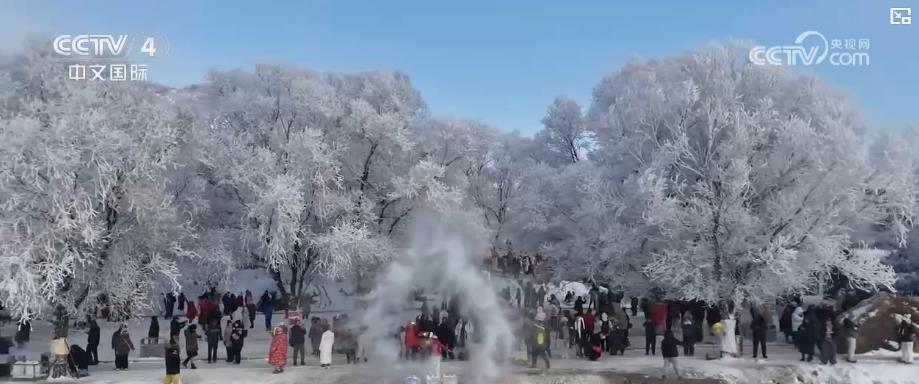
北赏冰雪、南观花开!元旦假期临近旅游市场升温 各地特色文旅点燃冬日消费新热点
Yang Shi Wang· 2025-12-25 03:15
Group 1 - The tourism market is gradually warming up as the New Year holiday approaches, with northern regions showcasing ice and snow attractions while southern regions feature blooming flowers [1] - In Jilin, a large area of rime scenery has attracted many visitors to the Songhua River, creating a winter wonderland experience [3] - Inner Mongolia has opened the "Ice and Snow Glamour" theme park, featuring large ice and snow sculptures and interactive attractions for tourists [5] Group 2 - In Inner Mongolia, a themed lantern festival with 40 large light displays has been set up along the Gui River, illuminating the winter nights [7] - In Dali, Yunnan, over ten thousand winter cherry blossoms are in full bloom, drawing tourists and photography enthusiasts from across the country [8] - In Nanning, Guangxi, the purple flower bell tree is in full bloom, creating a stunning pink flower sea that attracts many visitors [8]
1至11月西藏涉税经营主体超39万户
Sou Hu Cai Jing· 2025-12-25 03:00
Core Insights - The tax revenue in Tibet exceeded 80.6 billion yuan from January to November, showing a year-on-year growth of 11.1%, indicating a stable and sustainable increase in revenue [1] - The number of tax-related business entities in Tibet surpassed 390,000, marking a 20% increase year-on-year, with over 70,000 new entities added, reflecting a 77.1% growth [1] - The tourism industry in Tibet has shown significant recovery, with 63.7 million domestic and international visitors received in the first three quarters, representing an 11.2% year-on-year increase [1] Tax Administration and Enforcement - The tax authorities in Tibet have implemented a transparent enforcement approach, adhering to the principle of "integrating law and reason, balancing leniency and severity," with over 9,000 pieces of information published on the enforcement information platform [1] - A total of 50 enterprises involved in tax fraud and 84 high-risk gas stations were investigated from January to November, maintaining a high-pressure stance against tax fraud [2] - The tax authorities have provided legal protection for compliant businesses by issuing tax inspection conclusions when no issues were found, thereby safeguarding the rights of lawful operators [2]
河北着力打造“近悦远来,主客共享”的美好生活新空间
Xin Lang Cai Jing· 2025-12-24 23:56
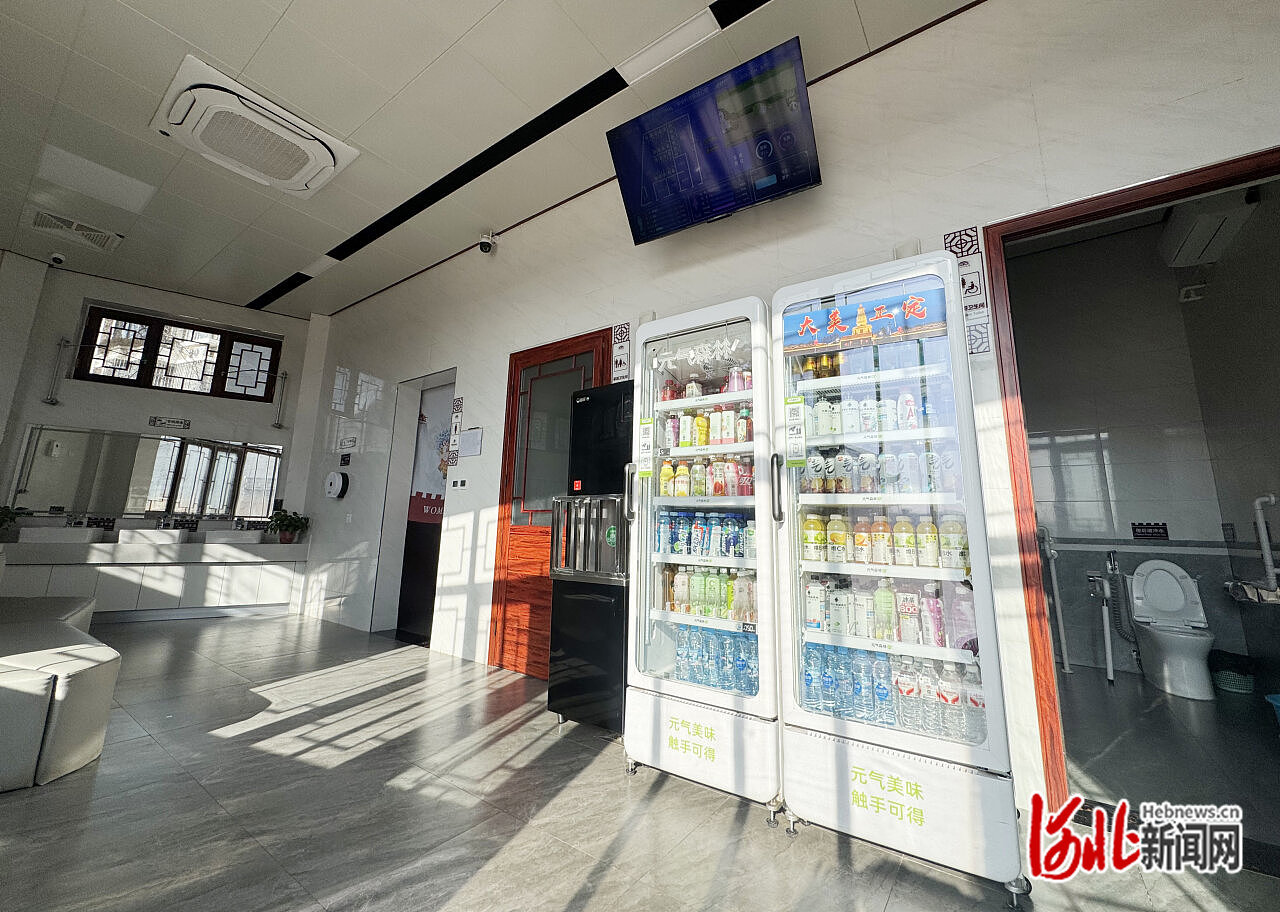
Core Viewpoint - Hebei province is focusing on enhancing tourism public services to create a new space for a beautiful life that is shared by both locals and visitors, emphasizing the importance of service quality in the tourism industry [1][3]. Group 1: Tourism Infrastructure Development - During the 14th Five-Year Plan period, Hebei is addressing shortcomings in tourism public services by improving transportation infrastructure and enhancing facilities for public convenience [3][4]. - By the end of the 14th Five-Year Plan, Hebei aims to establish 6,040 kilometers of tourism scenic roads, including notable routes like Zhangjiakou Grassland Tianlu and Chengde National Scenic Avenue [4]. - The integration of transportation and tourism is being promoted, with the development of scenic roads that enhance the travel experience and provide necessary amenities along the routes [3][5]. Group 2: Service Area Enhancements - Highway service areas are being transformed from mere rest stops into cultural and tourism destinations, with 64 service areas in Hebei adding tourism service functions [6][7]. - The first Great Wall cultural-themed service area has opened, and several service areas have been upgraded to AAA-level tourist attractions, enhancing the overall travel experience [6][7]. Group 3: Personalized Tourist Services - Hebei has established 54 self-driving RV camps, with the Huaxi Valley RV Camp being the highest-rated 5C camp in the province, catering to the growing demand for personalized travel experiences [7][8]. - The province has developed 50 tourism distribution centers and launched 166 tourist transport routes, including direct lines from Beijing to various attractions, to meet diverse tourist needs [8]. Group 4: Public Amenities Improvement - The "toilet revolution" in Hebei focuses on upgrading public restrooms to enhance visitor experience, with 1,300 new tourist toilets built during the 14th Five-Year Plan, bringing the total to 5,333 [9][10]. - Smart toilets equipped with real-time monitoring and additional amenities like baby care rooms and charging stations are being implemented to improve convenience for tourists [9][10].
地名里的重庆 | 巫溪白鹿镇:从盐泉故事到梯田花海
Xin Lang Cai Jing· 2025-12-24 23:56
Core Viewpoint - The article highlights the cultural and historical significance of Bailu Town in Wuxi County, Chongqing, emphasizing its unique blend of folklore, history, and agricultural development. Group 1: Historical and Cultural Significance - Bailu Town is named after a legend involving a hunter who discovered a white deer and subsequently found a salty spring, leading to the establishment of salt production in the area [6][7]. - The town's salt spring, known as "Bailu Salt Spring," has been documented in historical texts since the Song Dynasty, showcasing its long-standing importance [9]. - The town features significant historical sites, including the Jingzhuba Rock Coffin Group, which holds academic value for studying the integration of Ba and Chu cultures and ancient burial practices [11]. Group 2: Agricultural and Economic Development - In recent years, Bailu Town has adopted a development strategy that integrates tourism and agriculture, focusing on creating a comprehensive industrial chain around rapeseed cultivation [11]. - The local agricultural model transforms idle winter fields into productive land, allowing for a seasonal cycle of flower viewing in spring, oil extraction in summer, and grain harvesting in autumn [13]. - The town's efforts in agricultural tourism and economic diversification contribute to the broader narrative of rural revitalization [15].

中东欧经济稳中有别
Jing Ji Ri Bao· 2025-12-24 22:37
Group 1: Economic Overview - In 2025, major Central and Eastern European (CEE) economies like Poland, Romania, Czech Republic, Hungary, Greece, and Bulgaria are experiencing a general decline in inflation and a stabilization of monetary conditions, with macroeconomic uncertainty significantly reduced compared to previous years [1] - The economic paths of CEE countries are increasingly differentiated, with domestic demand recovery becoming the core support for most nations, while external demand remains under pressure due to weak growth in the Eurozone and geopolitical uncertainties [1] Group 2: Country-Specific Insights - Poland, as the largest economy in CEE, is expected to maintain an average growth rate of around 3%, but faces significant fiscal pressure with a projected government deficit nearing 7% of GDP in 2025, which is substantially higher than pre-pandemic levels [2] - Romania is experiencing a challenging economic environment characterized by "low growth and high inflation," with fiscal tightening measures impacting domestic demand and ongoing high fiscal deficits [3] - The Czech Republic's economy is stable, with significant inflation decline and improved consumer spending, although external risks from weak growth in key trading partners like Germany pose challenges [3] - Hungary's economy remains weak, with low investment and external demand, while inflation is still above the regional average, leading to high financing costs that suppress corporate investment [4] - Bulgaria shows strong economic growth supported by rising wages and public investment driven by EU funds, with expectations of joining the Eurozone in early 2026 enhancing market confidence [4] - Greece's economy continues to grow above the Eurozone average, supported by improved employment and consumption, with fiscal improvements enhancing debt sustainability [5] Group 3: Challenges and Opportunities - CEE countries are facing multiple challenges, including the spillover effects of the Ukraine crisis, global trade tensions, and demographic issues like aging populations, which limit their long-term convergence with core EU member states [5][6] - Despite challenges, CEE countries have sustainable development advantages, such as proximity to the European market and ongoing EU support for digital and green transitions, which are crucial for enhancing infrastructure and industrial capabilities [6]
元旦假期临近 冬季旅游市场升温
Yang Shi Wang· 2025-12-24 17:49
Core Viewpoint - The winter tourism market is gradually heating up as the New Year holiday approaches, with northern regions experiencing ice and snow attractions while southern regions enjoy blooming flowers [1] Group 1 - The winter tourism market is showing signs of growth as the New Year holiday nears [1] - Northern regions are promoting ice and snow activities to attract tourists [1] - Southern regions are focusing on floral attractions to enhance their winter tourism offerings [1]
凯撒旅业:主要股东金谷信托拟减持不超3%股份
Xin Lang Cai Jing· 2025-12-24 17:47
金综科技消息,12月25日,凯撒旅业(000796.SZ)发布公告,持股5%以上股东中国金谷国际信托有限责 任公司(以下简称"金谷信托")计划在本公告之日起的15个交易日后的3个月内(即2026年1月20日至2026年 4月19日),通过集中竞价方式减持公司股份不超过16,037,889股,即不超过公司总股本的1%,通过大宗 交易方式减持公司股份不超过32,075,778股,即不超过公司总股本的2%。 特别声明:以上内容仅代表作者本人的观点或立场,不代表新浪财经头条的观点或立场。如因作品内 容、版权或其他问题需要与新浪财经头条联系的,请于上述内容发布后的30天内进行。 来源:金综科技 ...