美妆零售

Search documents
知名连锁店宣布,内地门店全关!预留3000万港元闭店成本,很多人爱逛……
21世纪经济报道· 2025-06-23 15:22
Core Viewpoint - Sasa International Holdings Limited is exiting the offline retail market in mainland China by closing its last 18 stores by June 30, 2025, due to a significant shift towards online shopping and inability to achieve economies of scale in its physical store operations [1][2][3]. Financial Performance - For the fiscal year ending March 31, 2025, Sasa International reported a 9.7% decrease in revenue, dropping to HKD 3.942 billion, and a staggering 64.8% decline in net profit, which amounted to HKD 76.97 million [5][6]. - The company's core earnings also fell by 51.1%, indicating a challenging financial environment [6]. Store Closures and Reasons - Sasa International has closed 14 stores in mainland China and plans to close all remaining offline stores due to high rental costs, declining foot traffic, and intense competition from local beauty brands and e-commerce platforms [2][13]. - The company has allocated HKD 30 million for closure costs, which will cover employee severance, store compensation, and inventory handling [9][14]. Market Trends and Future Strategy - The shift towards online shopping is irreversible, with over 80% of local revenue now coming from online sales, prompting the company to enhance its digital marketing efforts through social media and live streaming [3][16]. - Despite the challenges in mainland China, Sasa International's Southeast Asian market saw a 15.4% increase in offline sales, reaching HKD 332 million, indicating potential growth opportunities in that region [15]. Competitive Landscape - The rise of domestic beauty brands and the increasing preference for online shopping have significantly weakened Sasa International's competitive advantage in mainland China [16]. - Analysts suggest that the company's inability to adapt its offline business model to changing consumer habits has contributed to its struggles in the market [16].


莎莎国际“退场”,平价美妆零售商日子不好过
Bei Jing Shang Bao· 2025-06-23 13:48
Core Viewpoint - Sasa International is closing all its offline stores in mainland China by June 24, marking a complete exit from the market after 20 years of operation, as the company shifts focus to online business due to changing consumer preferences and the dominance of e-commerce [1][3][4]. Group 1: Store Closures - Sasa International has confirmed the closure of all its offline stores in mainland China, with a specific deadline of June 24 [1][3]. - The company had previously indicated in its fiscal report that it would close its remaining mainland stores by June 30, citing that over 80% of its revenue in the region comes from online sales [4][5]. - The decision to close stores is part of a broader trend among traditional beauty retailers struggling to adapt to the evolving market landscape [1][10]. Group 2: Historical Context and Performance - Sasa International, founded in Hong Kong in 1978, once thrived in the beauty retail sector, boasting over 200 stores globally, including 77 in mainland China at its peak [5][8]. - The company's revenue peaked at approximately HKD 89 billion in the 2015 fiscal year but has since declined, with revenue dropping to HKD 39 billion in the 2025 fiscal year [8][9]. - The decline in performance is attributed to increased competition and the rise of online shopping, which has diminished the appeal of traditional retail models [9][10]. Group 3: Strategic Shift to Online Business - Sasa International plans to concentrate resources on its online business following the closure of its physical stores, aiming to enhance profitability in mainland China [5][12]. - The company has begun to implement digital transformation strategies, including the introduction of a self-operated website and partnerships with social media platforms to reach consumers [9][12]. - The shift to online sales is seen as a necessary adaptation to meet changing consumer behaviors and preferences in the beauty retail market [4][12].
知名连锁店宣布,内地门店全关
盐财经· 2025-06-23 09:04
Core Viewpoint - Sa Sa International Holdings Limited is exiting the offline retail market in mainland China by closing its last 18 stores by June 30, marking a significant shift for the Hong Kong beauty retailer [2]. Financial Performance - For the fiscal year ending March 31, 2025, Sa Sa International reported a revenue decline of 9.7% to HKD 3.942 billion [3][4]. - The net profit saw a substantial drop of 64.8%, amounting to HKD 77 million [3][4]. - The gross profit margin decreased by 11.9% to HKD 1.571 billion, with a margin of 39.8% [4]. - Core earnings per share fell to HKD 3.5 from HKD 7.1, a decrease of 3.6 [4]. - The final dividend per share was reduced to HKD 1.7 from HKD 5.0, a decline of 3.3 [4]. Company Background - Established in 1978, Sa Sa International is a leading beauty product retail group in Asia, listed on the Hong Kong Stock Exchange since 1997 [4]. - The company operates across Hong Kong, Macau, mainland China, and Southeast Asia, offering over 600 product brands in various beauty categories [4].
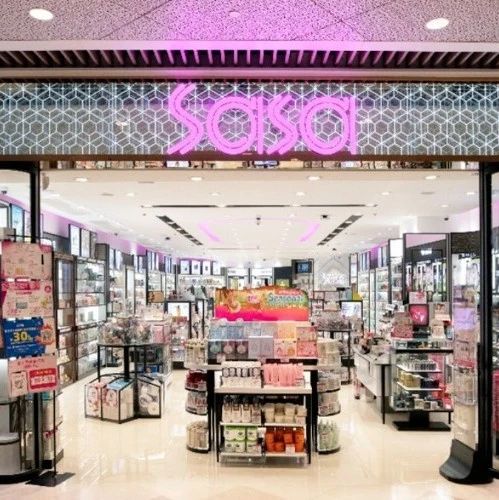
美妆零售商莎莎国际宣布关闭内地线下全部门店
第一财经· 2025-06-23 08:01
Core Viewpoint - Sasa International is undergoing a strategic shift due to declining performance in the face of intense competition and changing consumer behavior, particularly the rise of e-commerce and the impact of the pandemic [1][2]. Financial Performance - For the fiscal year ending March 31, 2025, Sasa International reported a 9.7% year-on-year decline in total revenue to HKD 3.942 billion, with net profit dropping 64.8% to HKD 76.97 million [3]. - The company has closed 9 stores as of May 31, 2025, with the remaining 9 expected to close by June 30, 2025 [3]. Market Strategy - Sasa International's revenue in mainland China for the fiscal year 2024/25 decreased by 10.5% to HKD 521 million, with online sales accounting for 80.3% (HKD 418 million) and offline sales only 19.7% (HKD 103 million) [3]. - The decision to close all mainland stores is attributed to the overwhelming preference for online shopping among consumers, which has made the current number of physical stores unsustainable for achieving economies of scale [3]. Cost Management - The company has allocated HKD 30 million for closure-related costs, which will cover employee severance, store compensation, and inventory handling [4].
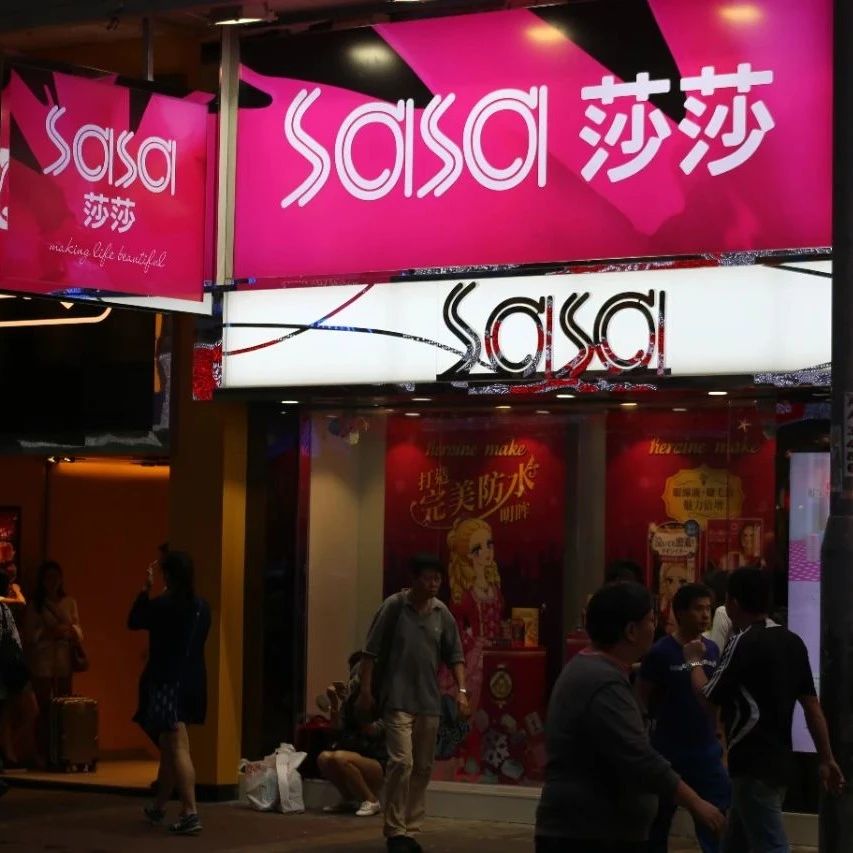
美妆零售商莎莎国际宣布关闭内地线下全部门店
Di Yi Cai Jing· 2025-06-23 05:58
Core Viewpoint - Sasa International is undergoing a strategic realignment in response to intense competition in the beauty industry and the rapid growth of e-commerce, leading to the closure of all its remaining stores in mainland China by June 30, 2025 [1][3]. Group 1: Company Performance - For the fiscal year ending March 31, 2025, Sasa International reported a 9.7% year-on-year decline in total revenue to HKD 3.942 billion, with net profit dropping 64.8% to HKD 76.97 million [3]. - As of May 31, 2025, Sasa International had closed 9 stores, with the remaining 9 expected to close by June 30 [3][4]. Group 2: Market Dynamics - The company is experiencing a significant disparity in its mainland market, characterized by strong online performance and weak offline sales, with online channels accounting for 80.3% of revenue at HKD 4.18 billion, while offline channels contributed only 19.7% at HKD 1.03 billion [4]. - The shift in consumer behavior towards online shopping has prompted Sasa International to focus its resources on enhancing its online business and increasing brand visibility through social media and digital channels [4]. Group 3: Strategic Adjustments - Sasa International has allocated HKD 30 million for special closure costs, which will cover employee severance, store compensation, and inventory handling [4].

知名连锁店突然宣布:关闭所有内地门店!
第一财经· 2025-06-23 03:31
Group 1 - The core point of the article is that Sa Sa International Holdings Limited will close its last 18 offline stores in mainland China by June 30, marking its exit from the mainland offline retail market [1] - For the fiscal year ending March 31, 2025, Sa Sa International reported a revenue decline of 9.7% to HKD 3.942 billion and a significant net profit drop of 64.8% to HKD 76.97 million [2] - Sa Sa International, established in 1978, is a leading beauty product retail group in Asia, listed on the Hong Kong Stock Exchange since 1997, with operations in Hong Kong, Macau, mainland China, and Southeast Asia, offering over 600 product brands [3]
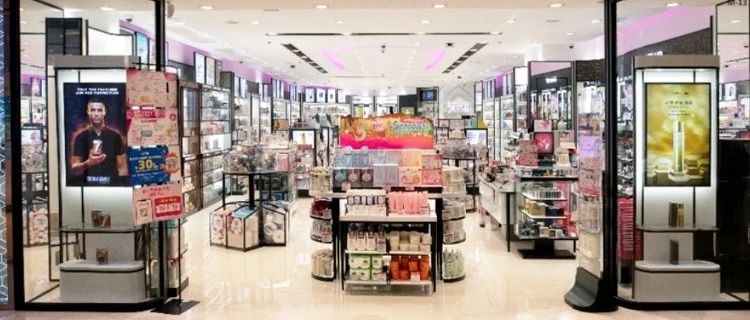
知名连锁店宣布,内地门店全关!
券商中国· 2025-06-22 23:22
Core Viewpoint - Sasa International Holdings Limited is exiting the offline retail market in mainland China by closing all its remaining 18 stores by June 30, 2025, due to declining sales and a shift towards online shopping [1][3]. Financial Performance - For the fiscal year ending March 31, 2025, Sasa International reported a 9.7% year-on-year decline in total revenue to HKD 3.942 billion, with net profit plummeting 64.8% to HKD 76.97 million [2][3]. - The core market of Hong Kong and Macau saw a revenue drop of 12.3% to HKD 2.992 billion, accounting for 75.9% of total revenue [2]. - The Southeast Asian market emerged as a growth engine, with offline sales increasing by 15.4% to HKD 0.332 billion [2]. Market Dynamics - The mainland China market experienced a 10.5% decline in revenue to HKD 0.521 billion, with online channels representing 80.3% of sales, a slight increase of 0.6% to HKD 0.418 billion, while offline sales fell 38.2% to HKD 0.103 billion [3]. - Sasa's strategy to close all offline stores in mainland China is attributed to the dominance of online sales and the inability to achieve economies of scale with the current number of stores [3]. Competitive Landscape - Sasa International's competitive advantage has weakened due to the rise of domestic beauty brands and local beauty stores, leading to a reduction in the number of stores from 77 to 37 since the fiscal year 2022 [3]. - The company plans to focus resources on developing its online business and enhancing brand visibility through social media and digital channels [3]. Product Quality Issues - Sasa faced a penalty of HKD 990,000 due to quality issues with its "sasatinnie Moisturizing Hand Cream," which was found to have a bacterial count exceeding the safety standards by 410 times [4][5].

突然宣布:将关闭内地所有门店!很多深圳人买过,网友:又一滴时代的眼泪
Sou Hu Cai Jing· 2025-06-22 14:22
Core Viewpoint - Sasa International Holdings Limited is exiting the offline retail market in mainland China by closing its last 18 stores by June 30, marking a significant shift in its business strategy due to declining profits and changing consumer behavior [1][9]. Financial Performance - For the fiscal year ending March 31, 2025, Sasa International reported a revenue decline of 9.7% to HKD 3.942 billion, with net profit plummeting 64.8% to HKD 76.97 million [3][4]. - The gross profit margin decreased from 40.8% to 39.8%, while core earnings fell by 51.1% [4]. - Earnings per share dropped from HKD 7.1 to HKD 2.5, and the final dividend was reduced from HKD 0.05 to HKD 0.017 [4]. Market Segmentation - The core market of Hong Kong and Macau saw a revenue decline of 12.3% to HKD 2.992 billion, accounting for 75.9% of total revenue [4]. - Despite a narrowing decline in offline sales from 19.4% to 6.3%, cautious spending by tourists and a strong US dollar impacted performance [4]. - In contrast, the Southeast Asian market emerged as a growth engine, with offline sales increasing by 15.4% to HKD 332 million, supported by the opening of new stores in Malaysia and Singapore [5]. Mainland China Market Dynamics - The mainland China market exhibited a stark contrast, with total revenue declining by 10.5% to HKD 521 million, where online sales accounted for 80.3% of the revenue [6][9]. - The offline sales channel saw a dramatic drop of 38.2% to HKD 103 million, prompting the decision to close all offline stores [6][9]. - Sasa's initial entry into the mainland market in 2005 was marked by competitive pricing and product offerings, but the rise of domestic beauty brands has eroded its market position [9]. Strategic Shift - The company plans to focus resources on enhancing its online business, increasing marketing efforts on social media and digital platforms to boost brand visibility and competitiveness [9].
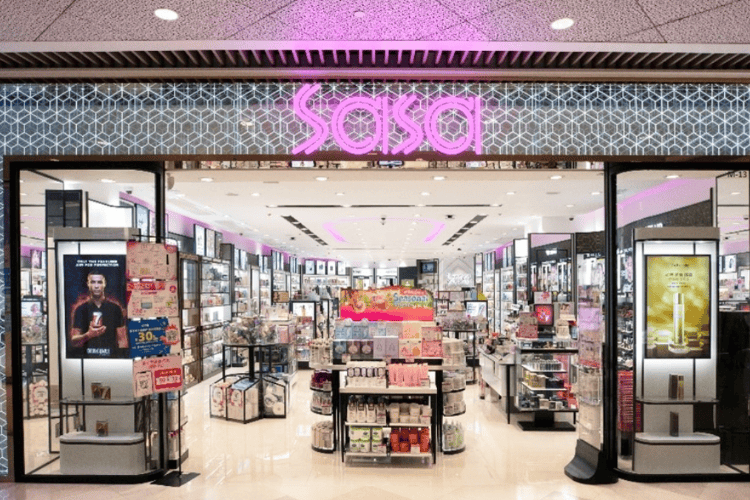
净利润暴跌超六成!莎莎国际将关闭中国内地所有线下门店
Nan Fang Du Shi Bao· 2025-06-22 02:29
Core Viewpoint - Sa Sa International Holdings Limited has announced the closure of its last 18 offline stores in mainland China by June 30, marking its exit from the mainland offline retail market. The company's annual revenue for the fiscal year ending March 31, 2025, decreased by 9.7% to HKD 3.942 billion, with net profit plummeting by 64.8% to HKD 76.97 million [2][5]. Financial Performance - For the fiscal year 2024/25, Sa Sa International reported a total revenue of HKD 3.942 billion, a decline of 9.7% year-on-year [5]. - The net profit for the same period fell significantly by 64.8% to HKD 76.97 million [5]. - The core market of Hong Kong and Macau saw a revenue drop of 12.3% to HKD 2.992 billion, accounting for 75.9% of total revenue [5]. - The Southeast Asian market showed growth, with offline sales increasing by 15.4% to HKD 332 million [5]. Market Dynamics - The mainland China market is experiencing a "strong online, weak offline" trend, with total revenue declining by 10.5% to HKD 521 million, where online sales accounted for 80.3% of the revenue [6][8]. - Offline sales in mainland China plummeted by 38.2% to HKD 103 million [6]. Strategic Shift - Sa Sa International plans to focus resources on developing its online business, enhancing marketing efforts on popular social media platforms and digital channels to increase the visibility and competitiveness of its exclusive brands [9]. Historical Context - Sa Sa International entered the mainland market in 2005 and expanded its store count to 77 by the fiscal year 2021. However, competition from domestic beauty brands has eroded its market advantage, leading to a reduction in store numbers [8].
理性消费浪潮下,泊伊美汇用“闺蜜节”撕开突破口!
Sou Hu Cai Jing· 2025-06-12 23:27
Core Insights - The value of offline channels is being redefined in the wave of rational consumption, with consumers increasingly favoring the "see it, get it" experience of in-store shopping [1][22] - The recent "520 Girlfriend Festival" organized by the beauty chain brand Bo Yi Mei Hui achieved significant success, with six brands reaching sales of over one million and membership growth tripling compared to usual [2][12] - The emotional value of beauty consumption is higher than that of other products, making it essential to connect with consumers on an emotional level [4][21] Offline Channel Strategy - The "520 Girlfriend Festival" serves as a platform for emotional connection rather than just a promotional event, incorporating themes and stories that resonate with consumers [5][15] - The event featured a nostalgic theme with decorations and makeup styles inspired by the Republic of China era, enhancing the in-store experience [6][19] - Brands like Da Fu Yan leveraged the festival to create limited edition gift boxes, enhancing the shopping experience through high-quality design and interactive elements [8][10] Consumer Engagement - The festival's success is attributed to innovative content and emotional resonance, with a focus on creating a "no-risk" shopping environment for consumers [12][17] - The event attracted over 40 brands, with more than 15 participating for the first time, indicating strong brand and consumer recognition of the festival's creative model [12][15] - The festival's marketing strategy included phased content marketing to drive traffic and engagement, effectively converting online interest into in-store purchases [10][22] Emotional and Experiential Value - The offline channel provides a unique opportunity for brands to build emotional memories with consumers, moving beyond mere product functionality [18][21] - The interaction between beauty advisors and consumers allows for a deeper understanding of consumer needs, which is difficult to capture through online data alone [22] - The strategic value of offline channels lies in their ability to serve as trust, experience, and insight venues, which are crucial for brand differentiation in a competitive market [22]