家用美容仪器

Search documents
莎莎国际(00178.HK):3月11日南向资金减持8000股
Sou Hu Cai Jing· 2026-03-11 20:30
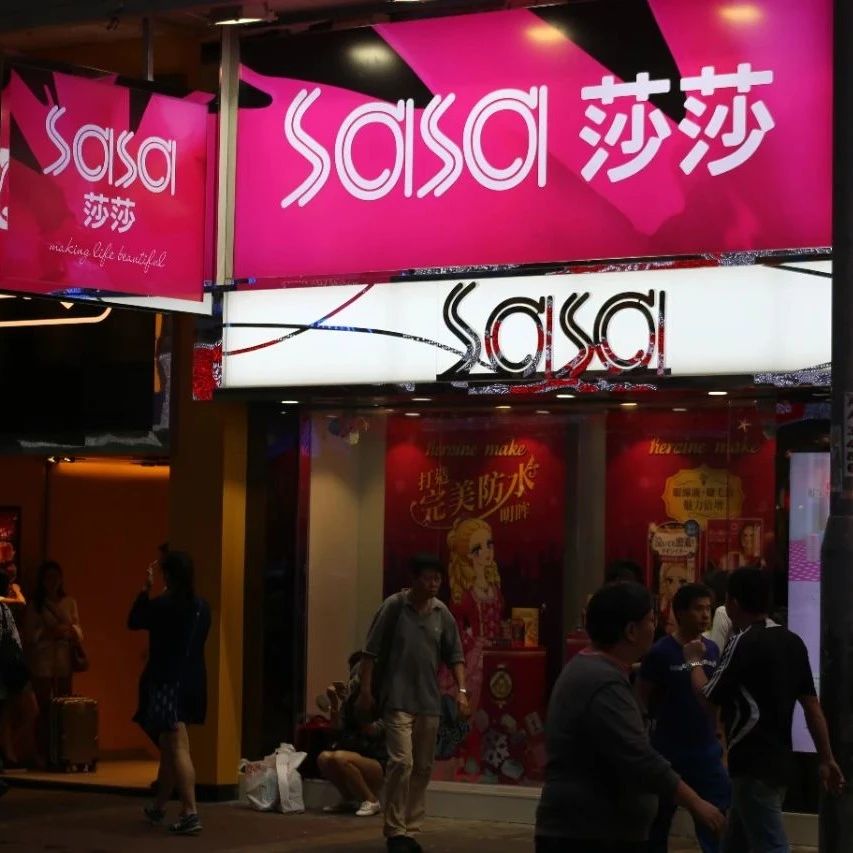
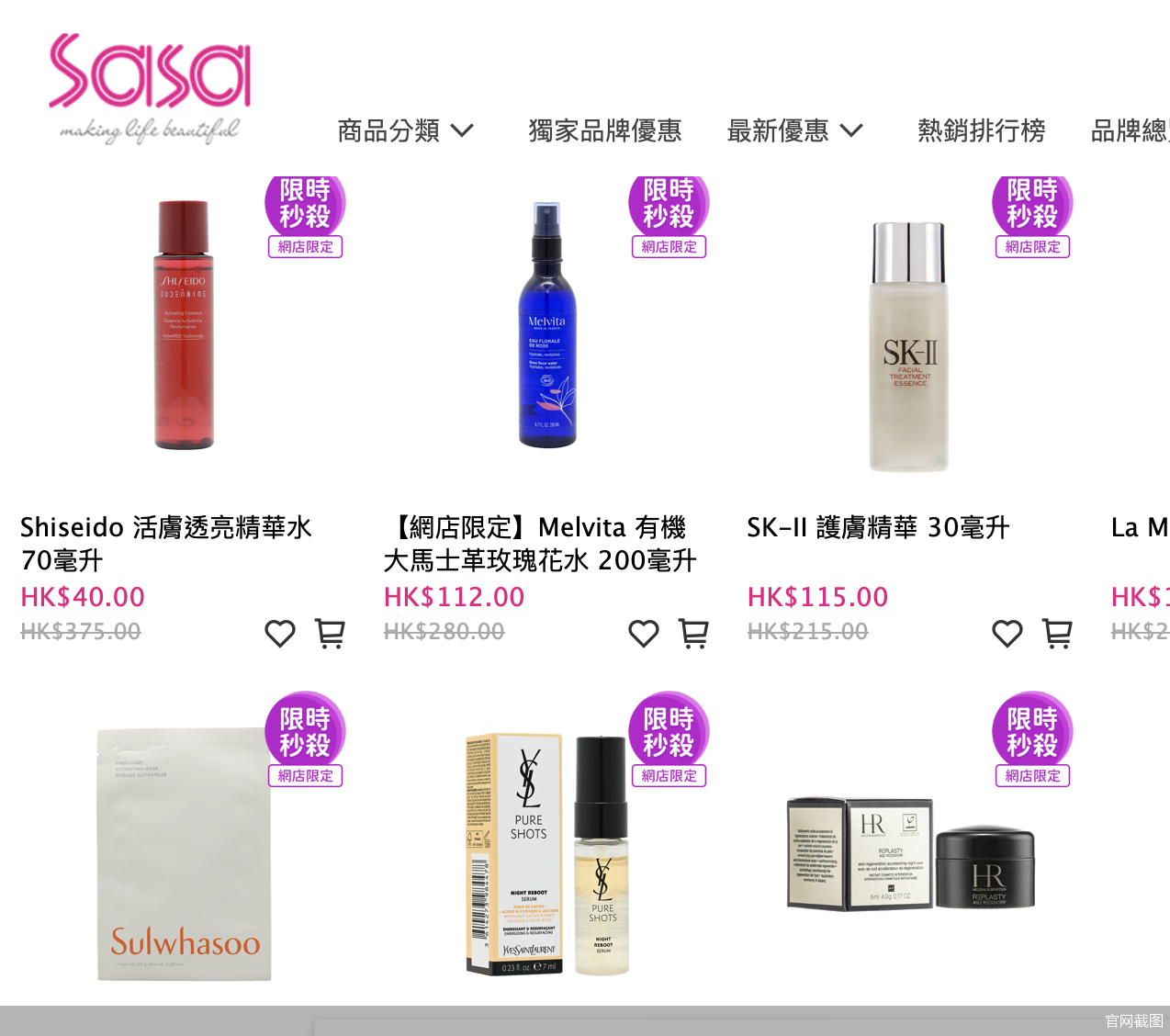
Group 1 - Southbound funds reduced their holdings in Sa Sa International (00178.HK) by 8,000 shares on March 11 [1] - Over the past 5 trading days, there have been 5 days of net reductions by southbound funds, totaling 22,000 shares [1] - In the last 20 trading days, there have been 20 days of net reductions, amounting to 180,000 shares [1] Group 2 - As of now, southbound funds hold 1.8072 million shares of Sa Sa International, representing 0.05% of the company's issued ordinary shares [1] - Sa Sa International Holdings Limited primarily engages in the retail of beauty products in Asia, selling skincare, perfumes, cosmetics, hair care, body care, beauty health products, and home beauty devices [1] - The company operates retail stores in Hong Kong, Macau, and Southeast Asia, and also provides online retail services through e-commerce platforms in these regions [1]


拆解2025年全球最狂野股市:AI、存储以及军工推动韩国Kospi指数飙涨超76%
美股IPO· 2026-01-05 23:38
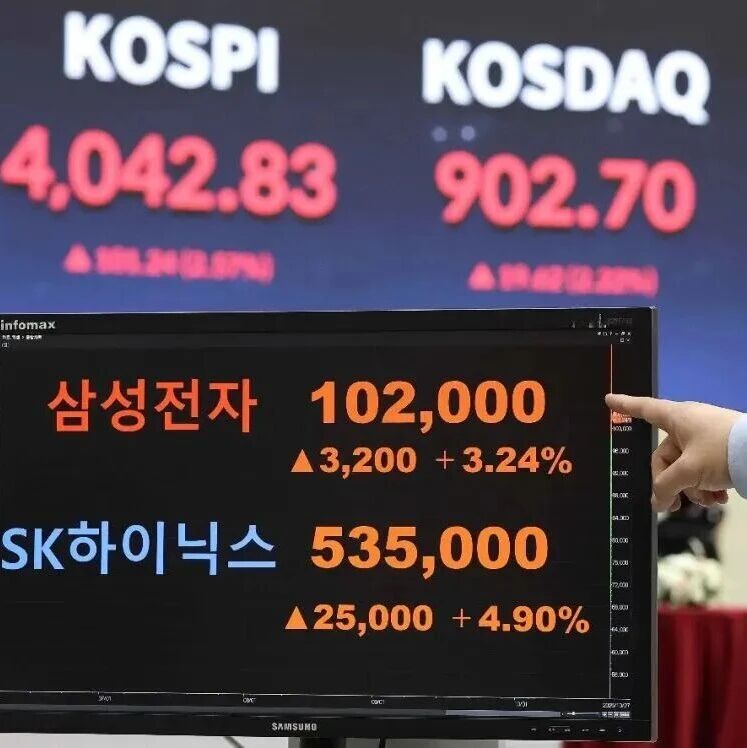
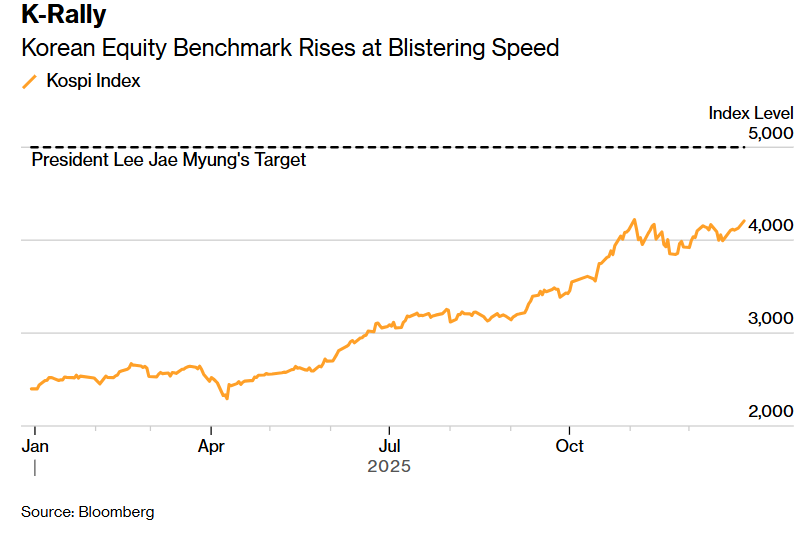
Core Viewpoint - The South Korean stock market is experiencing an unprecedented "revival-style surge" in 2025, with the Kospi index rising over 76% year-to-date, making it the best-performing major stock index globally [3][4]. AI Investment Theme - The biggest winners in the AI investment theme are not traditional chip manufacturers but industrial stocks associated with AI, such as Hyosung Heavy Industries and Doosan Enerbility, both of which have seen stock prices rise over 330% this year [5][6]. - Goldman Sachs predicts a significant increase in global data center electricity demand driven by AI, with a forecasted expansion of 175% by 2030, emphasizing the critical role of electricity in AI infrastructure [6][7]. Storage Chip Leaders - Samsung Electronics and SK Hynix have solidified their positions as the largest weight stocks in the Kospi index, with Samsung's stock rising 125% and SK Hynix's stock increasing by approximately 268% this year [8][10]. - The demand for high-performance storage chips, particularly HBM and enterprise-level NAND, is expected to continue growing, with a "storage supercycle" anticipated to last until at least 2027 [9][10]. Defense and Military Sector - The global military spending surge, driven by geopolitical tensions, has led to significant interest in South Korean defense contractors, with companies like Hanwha Aerospace seeing stock prices rise nearly 200% this year [11][12]. - The international rearmament trend is expected to sustain military stock performance over the next 2-3 years, positioning it as a core driver of stock market growth [11]. K-Beauty Sector - APR Corp., a newcomer in the K-Beauty sector, has seen its market value soar by 369%, outperforming established brands like Amorepacific Corp. and LG H&H [13]. - The success of APR is attributed to its innovative sales approach focused on social channels and user experience, contrasting with traditional retail methods [13]. Gaming Sector Struggles - Despite the overall market rally, South Korean gaming developers like Krafton and Com2uS have faced significant declines, with Krafton's market value shrinking by about 20% and Com2uS down over 30% [14][15]. - Concerns over limited appeal in the Asian market and competition from Chinese rivals have led investors to shift their focus away from these gaming stocks [14][15].
莎莎国际(00178.HK):1月5日南向资金减持2000股
Sou Hu Cai Jing· 2026-01-05 20:16
Group 1 - The core point of the article highlights that southbound funds have reduced their holdings in Sa Sa International (00178.HK) by 2,000 shares on January 5, with a total net reduction of 98,000 shares over the past five trading days and 214,000 shares over the past 20 trading days [1] - As of now, southbound funds hold 1.8252 million shares of Sa Sa International, which represents 0.05% of the company's total issued ordinary shares [1] Group 2 - Sa Sa International Holdings Limited is primarily engaged in the retail business of beauty products in Asia, selling skincare, perfumes, cosmetics, hair care, body care products, beauty supplements, and home beauty devices through its own brands and exclusive international brand agencies [1] - The company operates retail stores in Hong Kong, Macau, mainland China, and Southeast Asia, and also provides online retail services through e-commerce platforms, offering customers an omnichannel shopping experience [1]
莎莎国际(00178.HK):12月30日南向资金减持2000股
Sou Hu Cai Jing· 2025-12-30 20:20
Group 1 - The core point of the article highlights that southbound funds have reduced their holdings in Sa Sa International (00178.HK) by 2,000 shares on December 30, with a total net reduction of 100,000 shares over the past five trading days and 218,000 shares over the past 20 trading days [1] - As of now, southbound funds hold 1.8272 million shares of Sa Sa International, which represents 0.05% of the company's total issued ordinary shares [1] Group 2 - Sa Sa International Holdings Limited is primarily engaged in the retail business of beauty products in Asia, selling skincare, perfumes, cosmetics, hair care, body care products, beauty supplements, and home beauty devices through its own brands and exclusive international brand agencies [1] - The company operates retail stores in Hong Kong, Macau, mainland China, and Southeast Asia, and also provides online retail services through e-commerce platforms, offering customers an omnichannel shopping experience [1]
拆解2025年全球最狂野股市:AI、存储以及军工推动韩国Kospi指数飙涨超76%
智通财经网· 2025-12-30 02:25
Market Overview - The South Korean stock market is experiencing an unprecedented "revival rally" in 2025, with the Kospi index rising over 76% year-to-date, making it the best-performing major stock index globally [1][4] - Major contributors to this surge include storage chip giants Samsung Electronics and SK Hynix, which account for nearly half of the index's gains, alongside defense and nuclear energy companies [1] AI Investment Theme - The leading AI investment theme in the South Korean market is not traditional chip manufacturers but industrial stocks associated with AI, such as Hyosung Heavy Industries and Doosan Enerbility, both of which have seen stock prices rise over 330% this year [5][6] - The demand for electricity driven by the rapid growth of AI data centers is expected to create a "super demand cycle" for power, emphasizing the critical role of power supply in AI infrastructure [6] Storage Chip Leaders - Samsung Electronics and SK Hynix have solidified their positions as the largest weight stocks in the Kospi index, with Samsung's stock rising 125% and SK Hynix's stock increasing approximately 268% this year [8][10] - The global demand for high-performance storage chips, particularly for AI applications, is driving a "storage super cycle" that is expected to last until at least 2027, with significant price increases anticipated for both companies [9][10] Defense and Military Sector - The global trend of "international rearmament" is boosting defense spending, with South Korean defense contractors like Hanwha Aerospace and Hanwha Ocean seeing stock price increases of nearly 200% and 210% respectively this year [11][12] - Analysts predict that the defense sector will continue to be a core contributor to stock market growth over the next few years [12] K-Beauty Sector - APR Corp., a newcomer in the K-Beauty sector, has seen its market value soar by 369%, outperforming established brands like Amorepacific and LG H&H [13] - The company's success is attributed to its innovative sales approach focused on social channels and user experience, contrasting with traditional retail methods [13] Gaming Sector Challenges - Despite the overall market rally, South Korean gaming developers like Krafton and Com2uS have faced significant declines, with Krafton's market value shrinking by about 20% and Com2uS down over 30% [14] - Concerns about limited appeal in the Asian market and competition from Chinese rivals are leading investors to shift their focus away from these companies [14]
莎莎国际关闭内地所有门店,多家美妆巨头业绩失速,下滑明显
Sou Hu Cai Jing· 2025-06-26 13:35
Core Viewpoint - Sasa International Holdings Limited has announced plans to close all offline stores in mainland China by June 30, 2025, shifting focus to online sales due to declining profitability in physical retail [1][3]. Group 1: Company Performance - Sasa International, established in 1978, is a prominent beauty retail group in Asia, listed on the Hong Kong Stock Exchange since 1997, with operations in Hong Kong, Macau, mainland China, and Southeast Asia, offering over 600 product brands [2]. - For the fiscal year ending March 31, 2025, Sasa reported a 9.7% year-on-year decline in total revenue to HKD 3.942 billion, with net profit plummeting 64.8% to HKD 76.97 million [2]. - Online sales in mainland China reached HKD 418 million, a slight increase of 0.6% year-on-year, accounting for 58.4% of the group's total online revenue [2]. Group 2: Strategic Shift - The decision to close offline stores is driven by the inability to effectively cover the vast mainland market with only 18 stores, alongside the fact that online sales constitute 80% of the group's revenue in mainland China [3]. - Sasa International plans to concentrate resources on online business, having already established seven third-party online platforms in mainland China, with improving profitability in recent years [3]. Group 3: Market Outlook - Sasa International remains optimistic about retail performance in Hong Kong and Macau, despite a 12.3% decline in revenue to HKD 2.9918 billion for the fiscal year 2024/25 [7]. - The company anticipates a recovery in foot traffic and sales in the Hong Kong and Macau markets due to government initiatives to stimulate tourism, with a narrowing decline in offline sales from 19.4% in the first half to 6.3% in the second half of the fiscal year [7]. - The company will continue to seek suitable locations for new stores in traditional tourist areas to serve both local and mainland customers [7].

知名连锁店宣布,内地门店全关!预留3000万港元闭店成本,很多人爱逛……
21世纪经济报道· 2025-06-23 15:22
Core Viewpoint - Sasa International Holdings Limited is exiting the offline retail market in mainland China by closing its last 18 stores by June 30, 2025, due to a significant shift towards online shopping and inability to achieve economies of scale in its physical store operations [1][2][3]. Financial Performance - For the fiscal year ending March 31, 2025, Sasa International reported a 9.7% decrease in revenue, dropping to HKD 3.942 billion, and a staggering 64.8% decline in net profit, which amounted to HKD 76.97 million [5][6]. - The company's core earnings also fell by 51.1%, indicating a challenging financial environment [6]. Store Closures and Reasons - Sasa International has closed 14 stores in mainland China and plans to close all remaining offline stores due to high rental costs, declining foot traffic, and intense competition from local beauty brands and e-commerce platforms [2][13]. - The company has allocated HKD 30 million for closure costs, which will cover employee severance, store compensation, and inventory handling [9][14]. Market Trends and Future Strategy - The shift towards online shopping is irreversible, with over 80% of local revenue now coming from online sales, prompting the company to enhance its digital marketing efforts through social media and live streaming [3][16]. - Despite the challenges in mainland China, Sasa International's Southeast Asian market saw a 15.4% increase in offline sales, reaching HKD 332 million, indicating potential growth opportunities in that region [15]. Competitive Landscape - The rise of domestic beauty brands and the increasing preference for online shopping have significantly weakened Sasa International's competitive advantage in mainland China [16]. - Analysts suggest that the company's inability to adapt its offline business model to changing consumer habits has contributed to its struggles in the market [16].

莎莎国际“退场”,平价美妆零售商日子不好过
Bei Jing Shang Bao· 2025-06-23 13:48
Core Viewpoint - Sasa International is closing all its offline stores in mainland China by June 24, marking a complete exit from the market after 20 years of operation, as the company shifts focus to online business due to changing consumer preferences and the dominance of e-commerce [1][3][4]. Group 1: Store Closures - Sasa International has confirmed the closure of all its offline stores in mainland China, with a specific deadline of June 24 [1][3]. - The company had previously indicated in its fiscal report that it would close its remaining mainland stores by June 30, citing that over 80% of its revenue in the region comes from online sales [4][5]. - The decision to close stores is part of a broader trend among traditional beauty retailers struggling to adapt to the evolving market landscape [1][10]. Group 2: Historical Context and Performance - Sasa International, founded in Hong Kong in 1978, once thrived in the beauty retail sector, boasting over 200 stores globally, including 77 in mainland China at its peak [5][8]. - The company's revenue peaked at approximately HKD 89 billion in the 2015 fiscal year but has since declined, with revenue dropping to HKD 39 billion in the 2025 fiscal year [8][9]. - The decline in performance is attributed to increased competition and the rise of online shopping, which has diminished the appeal of traditional retail models [9][10]. Group 3: Strategic Shift to Online Business - Sasa International plans to concentrate resources on its online business following the closure of its physical stores, aiming to enhance profitability in mainland China [5][12]. - The company has begun to implement digital transformation strategies, including the introduction of a self-operated website and partnerships with social media platforms to reach consumers [9][12]. - The shift to online sales is seen as a necessary adaptation to meet changing consumer behaviors and preferences in the beauty retail market [4][12].
知名连锁店宣布,内地门店全关
盐财经· 2025-06-23 09:04
Core Viewpoint - Sa Sa International Holdings Limited is exiting the offline retail market in mainland China by closing its last 18 stores by June 30, marking a significant shift for the Hong Kong beauty retailer [2]. Financial Performance - For the fiscal year ending March 31, 2025, Sa Sa International reported a revenue decline of 9.7% to HKD 3.942 billion [3][4]. - The net profit saw a substantial drop of 64.8%, amounting to HKD 77 million [3][4]. - The gross profit margin decreased by 11.9% to HKD 1.571 billion, with a margin of 39.8% [4]. - Core earnings per share fell to HKD 3.5 from HKD 7.1, a decrease of 3.6 [4]. - The final dividend per share was reduced to HKD 1.7 from HKD 5.0, a decline of 3.3 [4]. Company Background - Established in 1978, Sa Sa International is a leading beauty product retail group in Asia, listed on the Hong Kong Stock Exchange since 1997 [4]. - The company operates across Hong Kong, Macau, mainland China, and Southeast Asia, offering over 600 product brands in various beauty categories [4].
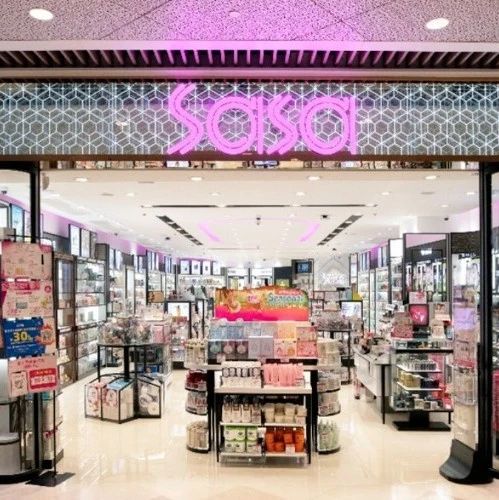
美妆零售商莎莎国际宣布关闭内地线下全部门店
第一财经· 2025-06-23 08:01
Core Viewpoint - Sasa International is undergoing a strategic shift due to declining performance in the face of intense competition and changing consumer behavior, particularly the rise of e-commerce and the impact of the pandemic [1][2]. Financial Performance - For the fiscal year ending March 31, 2025, Sasa International reported a 9.7% year-on-year decline in total revenue to HKD 3.942 billion, with net profit dropping 64.8% to HKD 76.97 million [3]. - The company has closed 9 stores as of May 31, 2025, with the remaining 9 expected to close by June 30, 2025 [3]. Market Strategy - Sasa International's revenue in mainland China for the fiscal year 2024/25 decreased by 10.5% to HKD 521 million, with online sales accounting for 80.3% (HKD 418 million) and offline sales only 19.7% (HKD 103 million) [3]. - The decision to close all mainland stores is attributed to the overwhelming preference for online shopping among consumers, which has made the current number of physical stores unsustainable for achieving economies of scale [3]. Cost Management - The company has allocated HKD 30 million for closure-related costs, which will cover employee severance, store compensation, and inventory handling [4].