
Consumer Electronics

Search documents
广货行天下 全球开“利是”
21世纪经济报道· 2026-01-23 03:20
Core Viewpoint - The article emphasizes the integration of cultural elements into the global marketing strategy of Guangdong products, using the concept of "利是" (red envelopes) as a symbol of warmth and emotional connection in international trade [1][2]. Group 1: Hard Power of Guangdong Products - Guangdong products have established themselves as a core representative of Chinese manufacturing in global competition, with the Guangdong-Hong Kong-Macao Greater Bay Area's smart home appliance industry accounting for nearly 30% of the global market [3]. - The region produces a significant portion of China's consumer electronics, with brands like Huawei, OPPO, and vivo leading innovation, and Guangdong's exports in textiles and toys making up nearly 20% of the national total [3][4]. - The true "hard currency" attribute of Guangdong products lies in their stringent quality control and standards, which serve as a passport to international markets [3][4]. Group 2: Soft Power and Emotional Connection - The concept of "年货" (New Year goods) is evolving from mere products to carriers of culture, emotion, and blessings, with Guangdong's agricultural products leading in export value during the 14th Five-Year Plan period [6]. - The emotional aspect of "年货" is highlighted as a key factor in consumer purchasing decisions, with products like Guangdong lychees and traditional dishes becoming symbols of cultural connection for overseas Chinese [6][7]. - Digital technology is reshaping the export of "年货," allowing for precise market targeting and enhancing consumer engagement through storytelling and cultural narratives [7][8]. Group 3: Media+ Ecosystem for Global Reach - The "Media+" ecosystem is being developed in Guangdong to enhance the connection between products and global consumers, focusing on storytelling and cultural representation [10][11]. - This platform aims to improve supply-demand connectivity and address challenges faced by small and medium enterprises in international markets, facilitating easier access to global procurement networks [11][12]. - The initiative is expected to create a continuous narrative around Guangdong products, aligning with seasonal themes to maintain engagement and cultural relevance throughout the year [12].

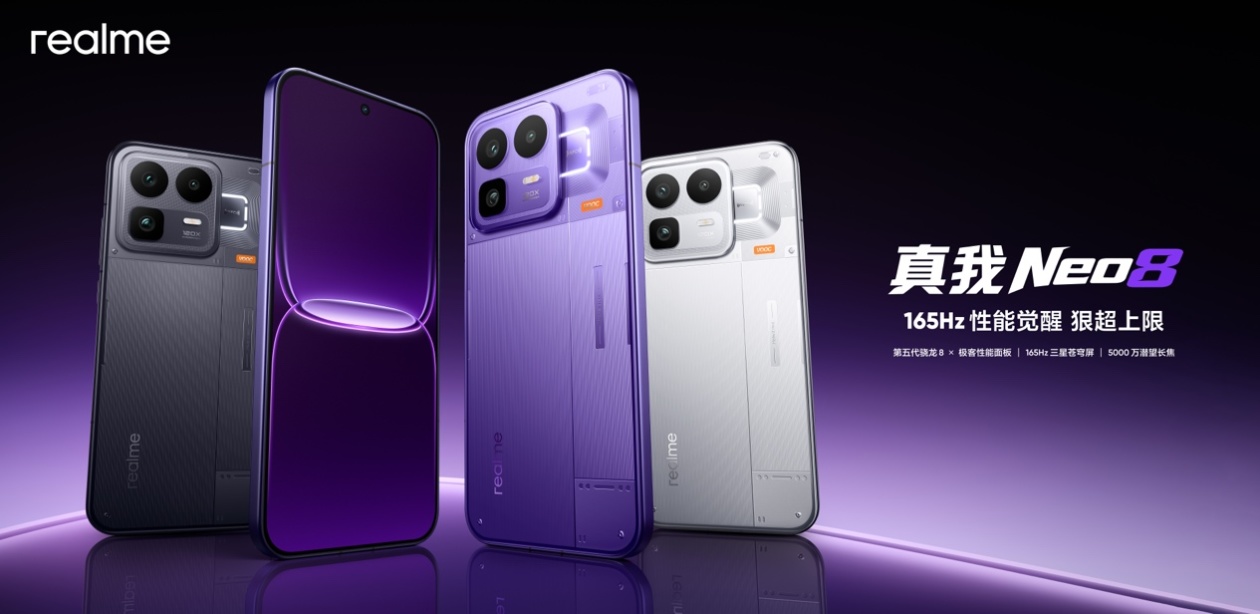
真我Neo8正式发布,首发165Hz三星苍穹屏与多项创新功能
Huan Qiu Wang· 2026-01-23 02:55
Core Viewpoint - Realme has launched its new gaming flagship smartphone, the Realme Neo8, which aims to provide an upgraded gaming experience for young users and targets a total sales volume of over 300 million units by 2025 [1][3]. Performance - The Realme Neo8 is powered by the fifth-generation Snapdragon 8 flagship chip, utilizing TSMC's 3nm process and the third-generation Oryon architecture, achieving an AnTuTu score exceeding 3.58 million [3]. - It features a unique geek performance panel that allows users to customize CPU and GPU frequencies and temperature control across five levels for different gaming scenarios [3]. Display - The device introduces the world's first 165Hz Samsung Aegis display, which enhances luminous efficiency by 26% and reduces power consumption by 16% compared to industry-standard 144Hz screens [3]. - The display supports a peak brightness of 1000 nits manually, 1800 nits globally, and 6500 nits locally, ensuring clear color display even under direct sunlight [3]. Innovation - The Neo8 features a PC handheld mode that allows seamless integration with Steam accounts, enabling smooth operation of over 50 popular PC games [3]. - It includes a 50MP periscope telephoto camera capable of 3.5x optical zoom, 7x lossless zoom, and 120x ultra-clear zoom, along with AI text enhancement and automatic correction features [3]. Battery and Protection - The smartphone is equipped with an 8000mAh Titan battery, supporting 80W super flash charging, and retains over 80% capacity after five years of use [5]. - It has received triple waterproof certification (IP66, IP68, IP69), allowing it to function for 72 hours in 2-meter deep water [5]. Additional Products and Services - Alongside the Neo8, Realme also launched the Buds Air8 earbuds, featuring dual drivers, deep-sea level noise cancellation, and AI real-time translation capabilities [5]. - Starting April 2026, Realme phones will be integrated into the OPPO after-sales service system, providing users with high-quality repair services at OPPO outlets [5].
曝阿里旗下芯片公司拟独立上市;苹果新 CEO 人选或曝光;比亚迪李云飞:公司是黑水军最大受害者 | 极客早知道
Sou Hu Cai Jing· 2026-01-23 02:13
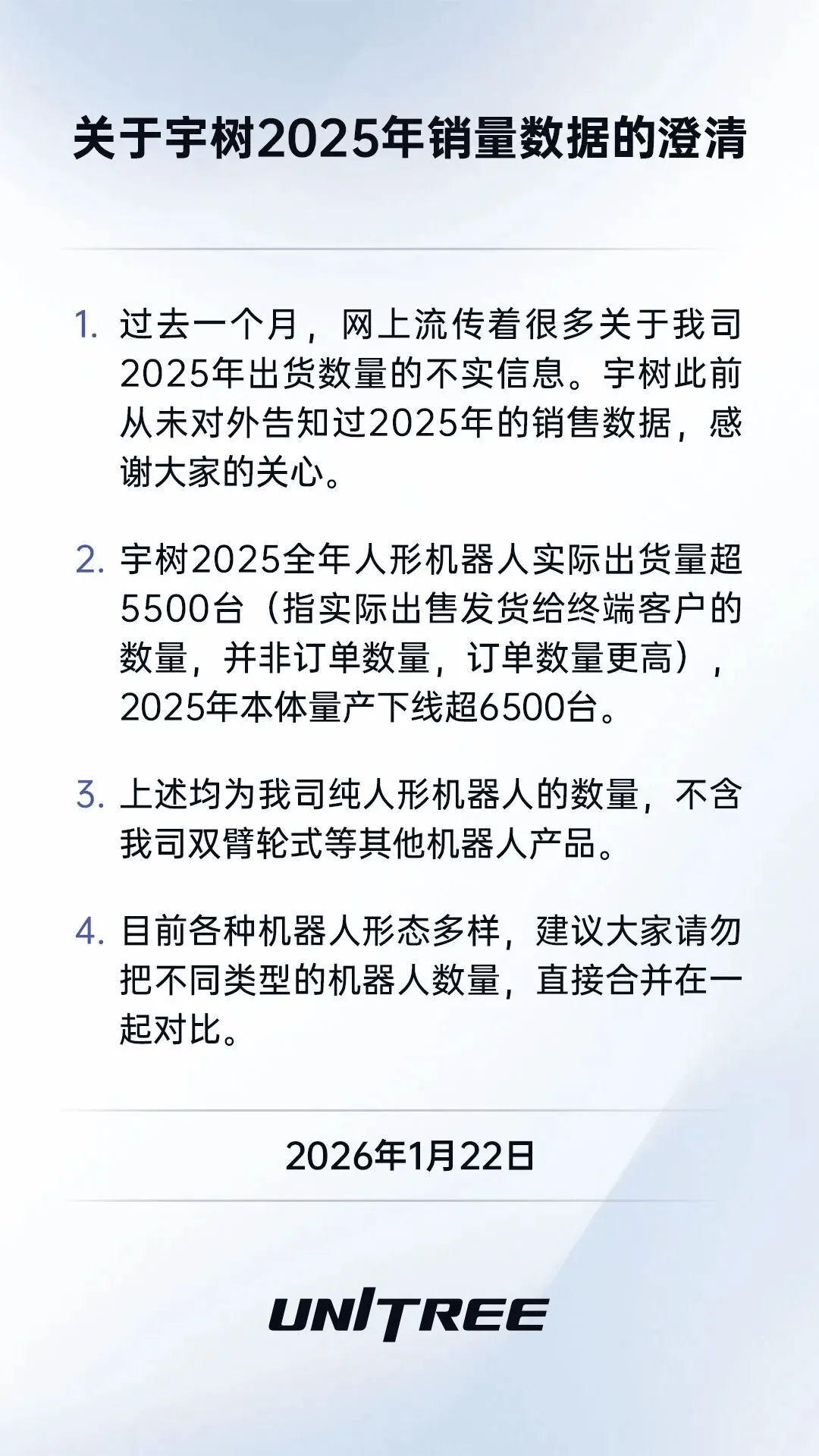
Group 1 - Alibaba Group has decided to support the independent listing of its chip company, T-head, with no comments from Alibaba at this time [1] - T-head's self-developed GPU chip, named PPU, features 96GB of HBM2e memory, a bandwidth of 700GB/s, and a power consumption of only 400W, surpassing Nvidia's A800 and mainstream domestic GPUs [1] - The first generation of T-head's PPU matches the performance of Nvidia's popular H20, while the upgraded version outperforms Nvidia's A100, leading to high demand in the market [1] Group 2 - Apple has expanded hardware chief John Ternus's responsibilities to include design management, signaling his potential as a successor to CEO Tim Cook [2] - Ternus's new role encompasses critical functions that have historically been held by senior leaders, emphasizing the importance of product design in Apple's success since the Steve Jobs era [2] Group 3 - UTree Technology reported that its humanoid robot shipments exceeded 5,500 units in 2025, with over 6,500 units of the main body produced, clarifying that these figures only include humanoid robots [4] - UTree emphasized the importance of not conflating different types of robots when comparing shipment numbers [4] Group 4 - Xiaomi Group announced a share buyback plan of up to HKD 2.5 billion, set to begin on January 23, 2026, and aims to demonstrate confidence in its business outlook [6][7] - The buyback will end on the earliest of the day before the 2026 annual shareholder meeting, when the buyback amount reaches HKD 2.5 billion, or if terminated under the brokerage agreement [6] Group 5 - BYD's brand and public relations manager stated that the company has been a major victim of black public relations and will pursue legal action against false information and malicious attacks [8] - BYD recently won a court case against a blogger for spreading false information, resulting in a compensation order of CNY 2.01 million [8] Group 6 - Vivo has reportedly halted its AI glasses project after six months of secret preparation, as executives determined that differentiation in the current market is challenging [9] - Following the project cancellation, Vivo will continue to focus on mixed reality (MR) technology [9] Group 7 - Meitu announced a stock reward of 1,357 shares for each employee, totaling over CNY 20 million, marking the third time since its IPO in 2016 that it has issued stock rewards to all employees [10] - The stock price has risen from below HKD 1 to over HKD 8, reflecting the company's improved performance [10] Group 8 - Hyundai Motor Group plans to deploy humanoid robots, specifically the Atlas robot developed by Boston Dynamics, with a factory set to produce 30,000 units annually by 2028 [11] - The announcement led to a positive market reaction, with Hyundai's stock reaching new highs, although the labor union expressed concerns about potential job losses due to automation [11] Group 9 - Nvidia's CEO Jensen Huang stated at the Davos Forum that the investment in AI infrastructure is just beginning, with several trillion dollars needed to fully develop the ecosystem [18] - Huang compared the investment in AI infrastructure to historical large-scale infrastructure projects, emphasizing the long-term vision for AI development [19]

vivo叫停AI眼镜项目
Xin Lang Cai Jing· 2026-01-23 01:57
Core Viewpoint - Vivo has halted its AI glasses project, which had been in secret preparation for six months and involved collaborations with several ODM manufacturers, including Goer and Zhongke Chuangda. The decision was made by senior executives, including Vice President Hu Baishan, who concluded that the AI glasses would struggle to achieve differentiation in the current market [1]. Group 1 - The AI glasses project was in development for six months and involved multiple ODM partnerships [1]. - Various solutions, including audio-video and single green display options, were discussed but not finalized before the project was stopped [1]. - The decision to halt the project was based on the assessment that differentiation in the AI glasses market is currently challenging [1].
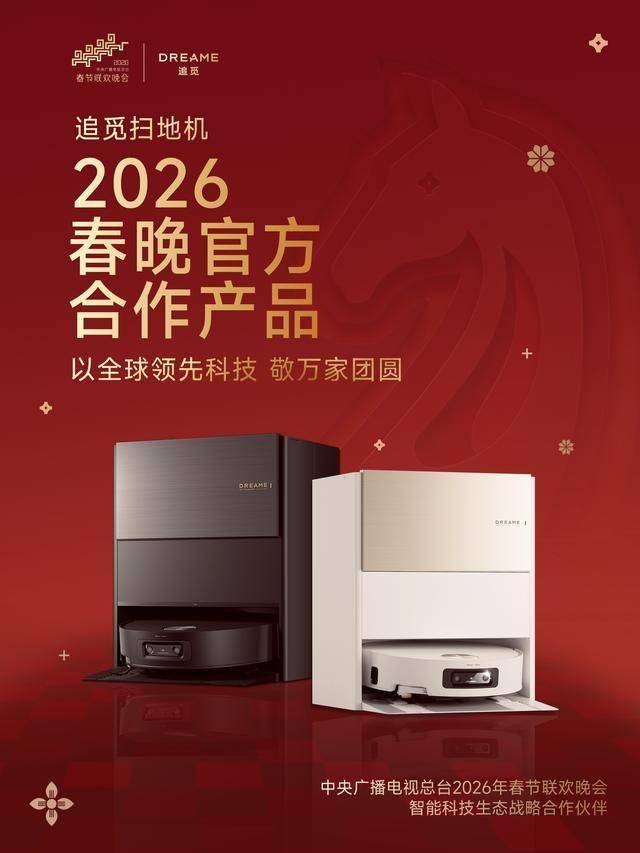
追觅成春晚合作伙伴,还砸40亿成立新公司、剑指智能机器人研发
Sou Hu Cai Jing· 2026-01-23 00:40
股 ·· 东 投资企业 22 家 瑞财经 吴文婷1月22日消息,追觅科技成为2026年春节联欢晚会智能科技生态战略合作伙伴。 与此同时,据企查查显示,追觅驰宸科技(苏州)有限公司、追觅曜宸科技(苏州)有限公司成立。 | < 企业 动态 | @企查查 () | | --- | --- | | 追觅驰宸科技(苏州)有限公司 追觉 | | | 驰宸 91320506MAK6MNYD4E 发票抬头> | | | 98845 存续 | | | 法定代表人 注册资本 | 成立日期 | | 曹建国 200000 万元 | 2026-01-21 | | 企查查行业:技术推广服务 | | | & 暂无电话 | | 9 江苏省苏州市吴中区经济开发区郭巷街道淞苇路1288号 4 > 幢 301室 作为对照,俞浩提到,当前人类市值最高的公司是英伟达,约4.5万亿美元。 在他看来,以黄仁勋、马斯克为代表的这一代企业家,有能力把人类单一公司的市值推升至8-10万亿美 元,"无论是英伟达还是特斯拉还是SpaceX,都无所谓。" 但话锋一转,俞浩认为,自己比这一代企业家更年轻,"会把人类价值最高的企业再推高一个数量级。 把追觅生态做到一百万 ...

苹果公司指责欧盟委员会使用“政治拖延战术”推进罚款
Xin Lang Cai Jing· 2026-01-23 00:37
苹果公司指责欧盟委员会使用"政治拖延战术",故意推迟这家iPhone制造商新应用程序政策的落地,以 此制造借口开展调查并处以罚款。 针对外界报告称欧盟委员会准备将第三方应用市场Setapp近期关闭归咎于苹果公司,苹果以上述表态提 前作出回应。Setapp计划于下月关闭。其开发者MacPaw表示,作出这一决定的原因在于,"仍在演变且 复杂的商业条款同Setapp当前商业模式不适配"。 第三方应用市场是苹果公司设备内置应用商店App Store 的替代选项。目前,苹果通过向第三方应用商 店本身及其上架的应用和数字商品收取多项费用来获取收入。 苹果去年曾表示,计划改为按5%的营收分成,该方案被认为比现行收费结构更符合开发者的经济利 益。 根据媒体看到的表述内容,欧盟委员会准备针对Setapp的关闭发表声明称:"苹果公司尚未推出调整措 施来解决其商业条款的关键问题,包括条款的复杂性"。 苹果公司则在声明中表示,新定价机制之所以迟迟未能实施,原因恰恰在于欧盟委员会方面的拖延的阻 挠。 责任编辑:王永生 苹果公司指责欧盟委员会使用"政治拖延战术",故意推迟这家iPhone制造商新应用程序政策的落地,以 此制造借口开展调查 ...

独家丨原科沃斯大中华区业务总裁刘文宁创业,布局可穿戴设备赛道
雷峰网· 2026-01-23 00:28
Group 1 - Liu Wenning, former President of Greater China Business at Ecovacs, has transitioned to entrepreneurship focusing on the wearable device sector [2][4] - Liu Wenning joined ByteDance in the first half of 2025 as the market head of the Ocean team but left after less than a year to start his own venture [2][4] - The wearable device market is gaining traction, with various types such as rings, necklaces, headphones, glasses, and watches being utilized for health monitoring, recording, entertainment, and office applications [5] Group 2 - The AI hardware sector has become a hot investment area, with wearable devices particularly attracting capital market interest [5] - Many entrepreneurs from the ByteDance ecosystem are entering the AI application field, showing a level of enthusiasm comparable to that of DJI-related entrepreneurs [5]

成都这家眼镜公司,90后掌舵,半年拿了5个亿
创业邦· 2026-01-23 00:14
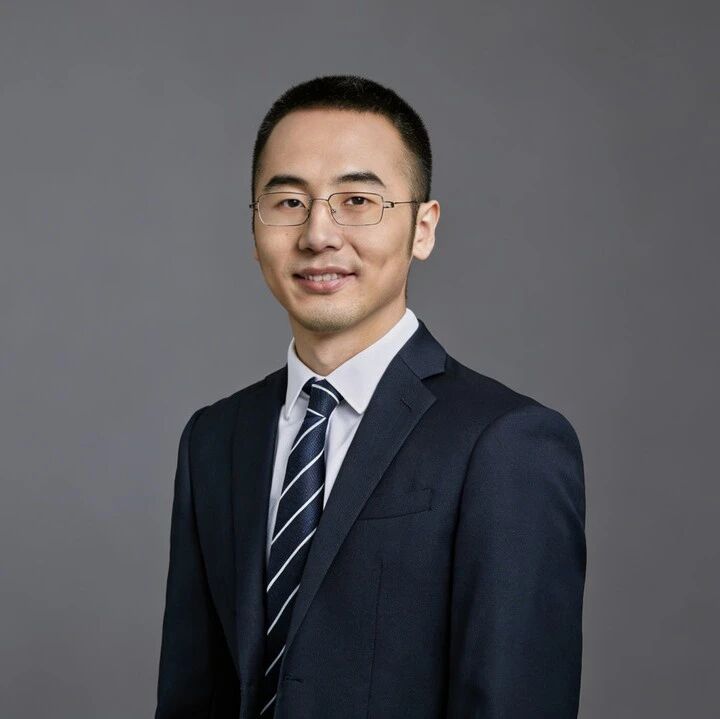
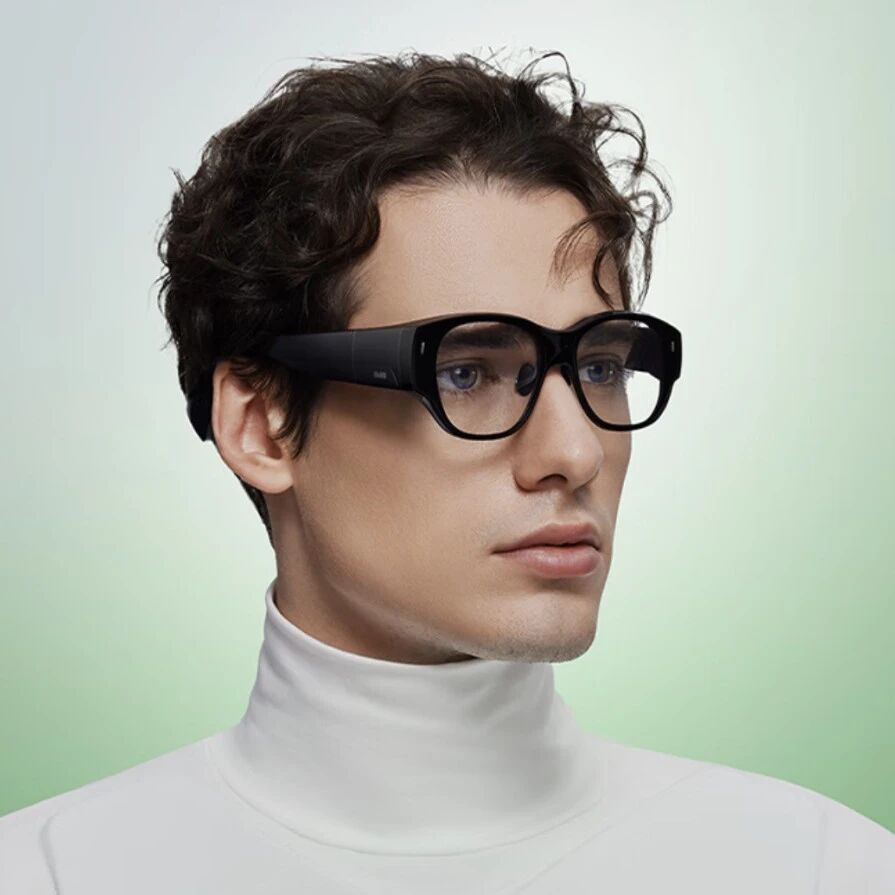
Core Viewpoint - The AR glasses sector is undergoing an unprecedented capital "arms race," with significant financing activities indicating strong market consensus on the future of AR hardware [4]. Financing Activities - In January 2026, three major financing events occurred: Thunderbird Innovation raised 1 billion yuan, XREAL secured 100 million USD, and Yingmu Technology completed its C1 round with a total of 500 million yuan in the last six months [4]. - Yingmu Technology stands out with its rapid financing pace, receiving continuous support from government and market capital [4]. Product Recognition and Awards - At CES 2026, Yingmu Technology's products received multiple prestigious awards, including the "Publisher Awards - CES 2026 Winner" for INMO GO3 and "Best of Application Innovation CES 2026" [7][16]. Market Performance - In 2025, Yingmu Technology's total order volume exceeded 100,000 units, representing a year-on-year increase of 300-500% [8][14]. - The company plans to expand its offline channel by establishing over 2,000 experience stores in collaboration with brands like LOHO [8]. Strategic Focus - Yingmu Technology aims to build an ecosystem by becoming the first AR glasses brand to integrate with Tencent's application platform and establishing a 20 million yuan developer fund [8]. - The company is shifting its business logic from selling "tech toys" to providing "scene services," integrating AI and AR glasses into daily life [8]. Company Background - Founded by Yang Longsheng, a post-90s entrepreneur, Yingmu Technology focuses on creating stylish, lightweight, and affordable AR glasses [10]. - The company adopted a high-barrier technology path using waveguide technology to achieve a design close to ordinary glasses [10]. Market Position - By 2022, Yingmu Technology became a major player in the domestic consumer AR glasses market, with annual production reaching tens of thousands of units [12]. - In 2024, the company launched INMO AIR3 and INMO GO2, establishing a dual product line strategy [13]. Competitive Landscape - The consumer-grade smart glasses market has seen over 100 brands entering since 2025, with significant investments from top firms [18]. - The competition is intensifying among AI glasses, AR glasses, and AI+AR glasses, with a focus on who will become the next core digital device [18]. Future Trends - The trend is shifting towards the integration of AI and AR technologies, with a focus on achieving true "all-in-one" and "lightweight" designs [25]. - The ultimate goal is to create a rich ecosystem of killer applications that will define the future of smart glasses [25].
50岁少壮派John Ternus接管设计大权,成苹果最热CEO接班人
Sou Hu Cai Jing· 2026-01-22 23:46
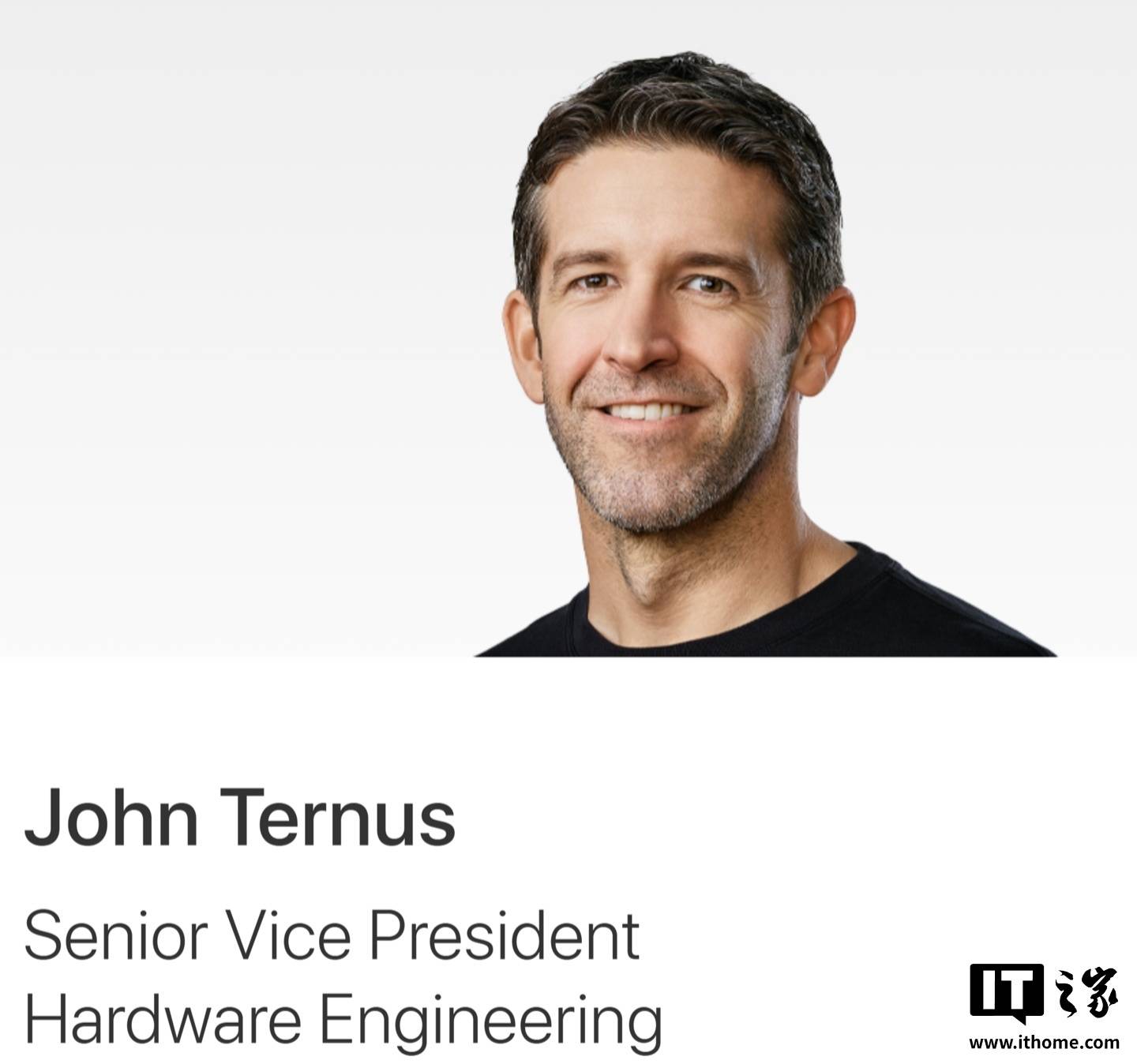
Core Viewpoint - Apple's hardware engineering chief, John Ternus, is set to take over the design team by the end of 2025, which is seen as a significant step towards his potential succession as CEO of Apple [1][5]. Group 1: Leadership Transition - Following the retirement of COO Jeff Williams at the end of 2025, Apple is undergoing a major internal restructuring, expanding Ternus's authority to oversee the company's core design operations [3]. - Ternus's new role signifies a shift from merely converting design concepts into manufacturable products to being a key decision-maker in both design and engineering [3][4]. Group 2: Integrated Management Model - Ternus's leadership of the design team breaks down previous departmental barriers, allowing him to manage the entire product lifecycle from concept to final product [4]. - This "design + engineering" integrated management approach is expected to enhance Ternus's control over product development, filling a crucial gap for his future leadership of Apple [4]. Group 3: Organizational Structure - In the new structure, Ternus will act as the "Executive Sponsor" for the design team, facilitating communication between the design team and the executive management [4]. - Although the design team will still report directly to CEO Tim Cook, Ternus will effectively have significant decision-making power, operating under a unique arrangement where he influences decisions while maintaining formal reporting lines [4]. Group 4: Future CEO Candidate - At 50 years old, Ternus is the youngest member of Apple's top management and is considered the leading candidate to succeed Tim Cook, who will turn 65 in 2025 [5]. - If Ternus ascends to the CEO position, his age would allow him to lead Apple for an extended period [5].
字节、OpenAI、Meta都在赌一件事
3 6 Ke· 2026-01-22 23:34
Core Insights - Major tech companies are entering the AI hardware market, with OpenAI planning to launch its first AI hardware device in the second half of 2026, indicating a significant shift in strategy from software to hardware [1] - This trend is seen across various companies including ByteDance, Alibaba, and Meta, which are all investing heavily in AI hardware despite past failures in the hardware sector [1][2][4] Group 1: Reasons for Past Failures - Historically, major tech companies have struggled with hardware due to a lack of understanding of the complexities involved, often leading to failed products and financial losses [2][3][5] - The inherent arrogance of internet companies, which thrive on rapid iteration and low marginal costs, has hindered their ability to manage the high stakes and complexities of hardware production [6][7][8] Group 2: Changes in the Market - The emergence of AI models has changed the dynamics of hardware development, allowing for simpler interaction methods that reduce the need for complex designs [9][10] - AI hardware is now viewed as a sensor for AI, enabling companies to gather real-world data that can enhance their models, thus making hardware development more appealing [11][22][23] Group 3: Strategic Shifts - Companies like ByteDance, Meta, and OpenAI are now focusing on creating their own hardware to maintain control over user interactions and data, as the risk of losing direct access to users increases [15][17] - The collaboration between software and hardware companies is becoming more common, allowing for reduced development times and shared risks, making hardware ventures less daunting [25][26] Group 4: Future Implications - The AI hardware trend reflects a broader fear among software companies of being sidelined in the evolving tech landscape, as they seek to embed themselves into users' daily lives [27][28] - The proliferation of AI devices raises questions about the necessity and impact of such technology on human life, suggesting a deeper integration of AI into everyday activities [27][29]
