医疗机器人

Search documents
2025年中国血管介入手术机器人产业链、市场规模、研究单位与成果分析及发展趋势研判:血管介入手术机器人在中国具有较大的发展潜力[图]
Chan Ye Xin Xi Wang· 2025-06-09 02:09
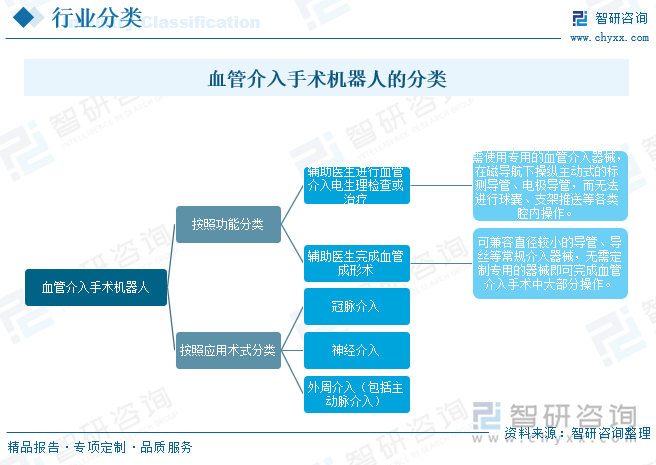
Core Viewpoint - The vascular interventional surgery robot market is rapidly growing, driven by technological advancements, capital investment, and increasing demand, with significant potential for development in China due to the high prevalence of cardiovascular diseases [1][4][8]. Industry Definition and Classification - Vascular interventional surgery robots assist doctors in performing diagnostic and therapeutic procedures guided by medical imaging, utilizing tools such as needles, guidewires, and catheters. They can be classified based on functionality and application techniques, with coronary intervention being the most developed area globally [2][4]. Current Industry Development Status - The vascular interventional surgery robot market has seen substantial growth, with the global market size increasing from $0.03 billion in 2016 to $1.8 billion in 2022, and projected to reach approximately $5.3 billion by 2024 and over $10 billion by 2025 [4][6][8]. Market Potential in China - The vascular interventional surgery robot market in China is still in its early stages, with a market size of approximately $0.29 million in 2022, expected to grow to about $8.58 million by 2025, driven by the high incidence and mortality rates of cardiovascular diseases [8][19]. Industry Chain - The industry chain for vascular interventional surgery robots includes upstream components and materials, midstream equipment manufacturing and system integration, and downstream clinical applications and services [10]. Competitive Landscape - The competitive landscape includes both international and domestic companies. Notable international players have received FDA and CE certifications, while domestic companies are beginning to achieve significant milestones, such as the approval of the first domestic vascular interventional surgery robot by Yidu Medical [12][17][18]. Future Development Trends - The future of vascular interventional surgery robots is expected to feature enhanced feedback and advanced force control capabilities, integrating advanced imaging navigation functions, and expanding applications across various types of vascular interventions [19].


InformationFusion期刊发表:Touch100k用语言解锁触觉感知新维度
机器人大讲堂· 2025-06-08 08:47
Core Insights - The article discusses the significance of touch in enhancing the perception and interaction capabilities of robots, highlighting the development of the Touch100k dataset and the TLV-Link pre-training method [1][11]. Group 1: Touch100k Dataset - Touch100k is the first large-scale dataset that integrates tactile, multi-granular language, and visual modalities, aiming to expand tactile perception from "seeing" and "touching" to "expressing" through language [2][11]. - The dataset consists of tactile images, visual images, and multi-granular language descriptions, with tactile and visual images sourced from publicly available datasets and language descriptions generated through human-machine collaboration [2][11]. Group 2: TLV-Link Method - TLV-Link is a multi-modal pre-training method designed for tactile representation using the Touch100k dataset, consisting of two phases: course representation and modality alignment [6][11]. - The course representation phase employs a "teacher-student" paradigm where a well-trained visual encoder transfers knowledge to a tactile encoder, gradually reducing the teacher model's influence as the student model improves [6][11]. Group 3: Experiments and Analysis - Experiments evaluate TLV-Link from the perspectives of tactile representation and zero-shot tactile understanding, demonstrating its effectiveness in material property recognition and robot grasping prediction tasks [8][11]. - Results indicate that the Touch100k dataset is practical, and TLV-Link shows significant advantages over other models in both linear probing and zero-shot evaluations [9][11]. Group 4: Summary - The research establishes a foundational dataset and method for tactile representation learning, enhancing the modeling capabilities of tactile information and paving the way for applications in robotic perception and human-robot interaction [11].
亚毫米级精度!机器人辅助下,深圳83岁老人完成膝关节置换手术
机器人大讲堂· 2025-06-08 08:47
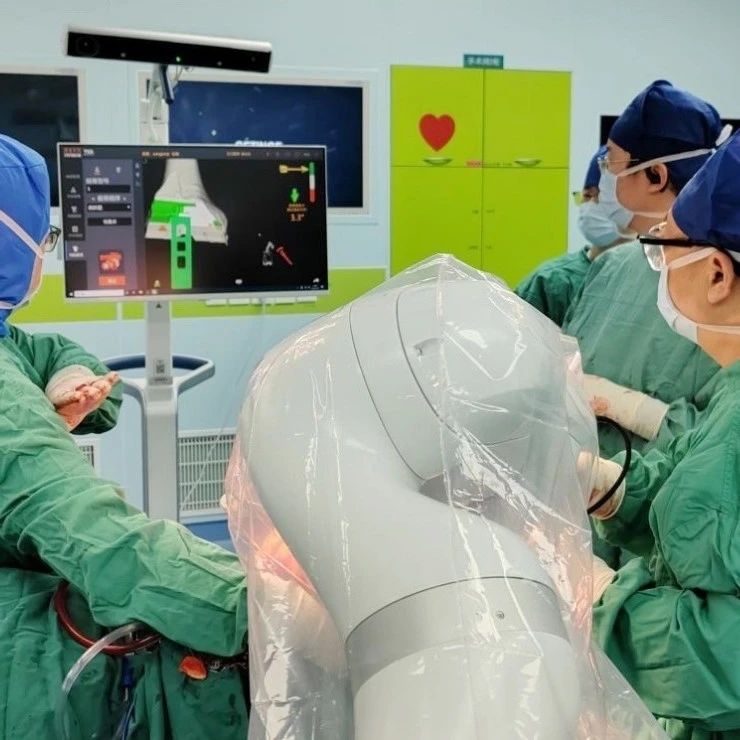
Core Viewpoint - The article highlights the successful completion of the first robot-assisted total knee replacement surgery at Southern University of Science and Technology Hospital, showcasing advancements in orthopedic surgery through the use of cutting-edge robotic technology [1][3]. Group 1: Surgery Details - The surgery was performed on an 83-year-old veteran suffering from severe knee osteoarthritis and multiple comorbidities, demonstrating the capability of the hospital to handle complex cases [2]. - The robot-assisted surgery was completed in approximately 1 hour, significantly improving recovery speed compared to traditional methods, with the patient able to get out of bed the next day [3]. - The surgical team utilized advanced robotic technology for precise preoperative planning and real-time adjustments during the procedure, enhancing safety and efficiency [3]. Group 2: Multidisciplinary Collaboration - The surgery involved a multidisciplinary approach, with collaboration among urology, cardiology, and anesthesia departments to ensure patient safety and optimal outcomes [2][3]. - The hospital's strategy emphasizes the integration of technology and innovation in medical practices, aiming to establish a new model of "precision, minimally invasive, and intelligent" joint replacement surgery [3]. Group 3: Future Applications - The orthopedic department plans to expand the use of robotic technology to more complex hip and knee surgeries, as well as revision surgeries, indicating a commitment to advancing surgical techniques [4]. - An intelligent orthopedic training center is being established to cultivate healthcare professionals skilled in cutting-edge technologies, reflecting the growing maturity of intelligent orthopedic precision medicine [4].
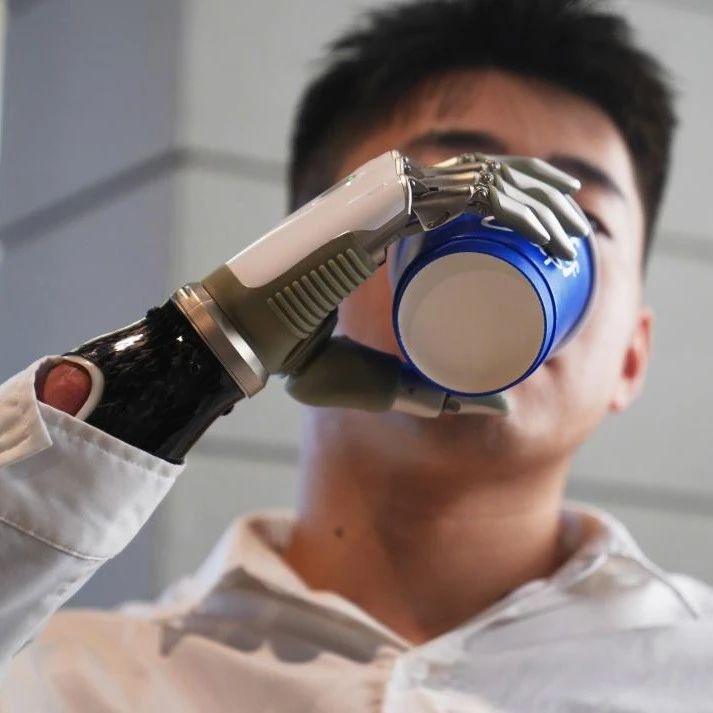
傲意科技倪华良独家专访:高举普惠战旗,以创新为刃,誓为天下残疾人铺就仿生手普及之路!
机器人大讲堂· 2025-06-05 09:54
Core Viewpoint - The article highlights the innovative journey of Aoyi Technology, which has developed the OHand™ smart bionic hand, enabling amputees to regain daily functionality and significantly impacting the rehabilitation industry [1][8]. Group 1: Company Background and Development - Aoyi Technology's CEO, Ni Hualiang, emphasizes the importance of meaningful and economically viable projects, which has guided the company's direction for ten years [1][4]. - The company began its journey in a basement in Toronto, where initial product development faced significant challenges, including limited resources and equipment [2][6]. - Ni Hualiang's transition from a stable job at Qualcomm to full-time entrepreneurship was catalyzed by an investor's advice, leading to a commitment to the company despite financial struggles [6][7]. Group 2: Product Innovation and Market Position - Aoyi Technology has developed a comprehensive technology platform integrating robotics, AI, and neural interfaces, resulting in products like the OHand™ series and ROHand series [8][11]. - The company aims to make high-performance bionic hands accessible to all, transitioning from luxury items to everyday necessities [15][20]. - Aoyi's entry into the Shanghai Rehabilitation Association's subsidy directory allows for significant reimbursement, making their products affordable for a broader audience [17][19]. Group 3: Industry Trends and Future Outlook - The bionic hand and dexterous hand technologies are positioned for explosive growth, with the potential for humanoid robots to evolve into multifunctional devices [11][12]. - Aoyi Technology's focus on cost control and self-sufficient production capabilities is expected to enhance product affordability and accessibility [19][20]. - The company is expanding its product line into more medical rehabilitation areas, including a new series of neuro-rehabilitation exoskeletons, addressing the needs of stroke patients [20][22].
东方会展现元宇宙医疗场景,AI手术机器人启动真实世界验证
Di Yi Cai Jing· 2025-06-01 10:47
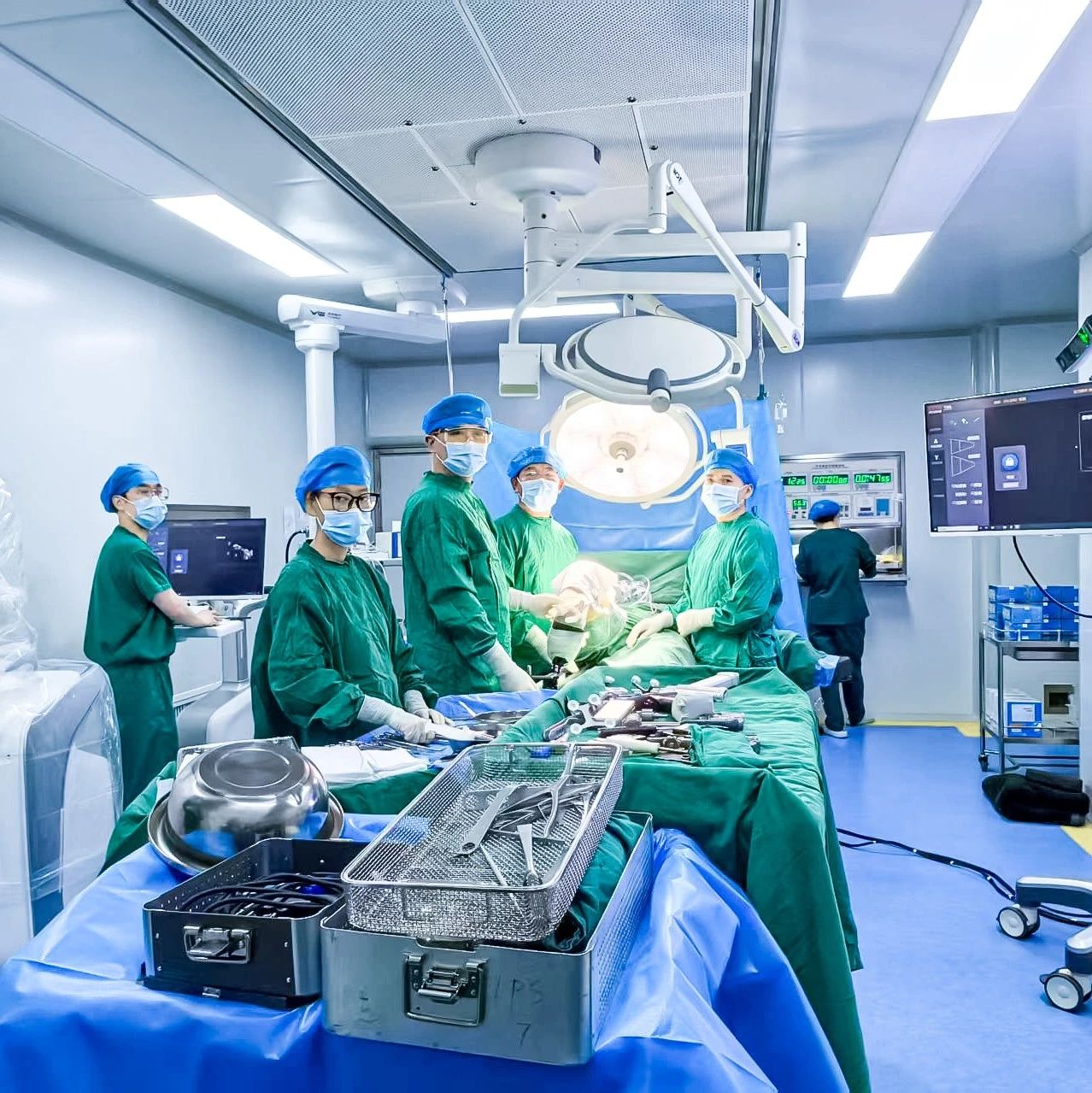
中山医院正在构建智能化的介入"元导管室"。目前,包括AI智能体、介入手术机器人在内的高科技设备 和软件都已经开始逐步融入应用。 6月1日,第十九届东方心脏病学会议OCC 2025(下称"东方会")闭幕。在今年的东方会上,AI医疗成 为最大的亮点——介入手术机器人、智能导管室、AI智能体等极具科幻性的场景正在逐渐走进医院手 术室。 在大会上,复旦大学附属中山医院心内科李晨光教授和陆浩教授等远程展示了AI在复杂冠脉介入手术 中的辅助作用,并通过语音问答与介入医生智能体实时交互。智能体精准调阅出患者信息、既往病史、 影像报告等多模态信息,并实现智能化读取影像结果,辅助医生进行术前精准规划。 哈尔滨医科大学附属第二医院于波教授在项目科学设计汇报中表示:"介入手术机器人是一个不可阻挡 的趋势,早期肯定不完善,但一定要敢于跨出第一步,支持介入手术机器人的发展。" 他还特别强调:"多中心研究不是简单验证机器人的实用性与安全性,而是要通过多维度数据挖掘,揭 示机器人操作在手术操作控制、力反馈能力等方面的独特规律,为推动具有中国特色的介入机器人应用 发展提供依据。" 中山医院正在构建智能化的介入"元导管室"。目前,包括AI智能 ...
国元证券:革命性外科手术工具 国产手术机器人进入高速发展阶段
智通财经网· 2025-05-26 02:29
Group 1 - The core viewpoint is that surgical robots are rapidly penetrating the market due to their advantages in precision and minimally invasive operations, with the global market expected to exceed $20 billion by 2024 and China's market surpassing 10 billion yuan [1][2] - Surgical robots are becoming more mature, with various types emerging, including laparoscopic, orthopedic, and vascular robots, addressing issues such as low precision in traditional surgeries and long operation times [1][2] - The penetration rate of surgical robots in China is currently low, at less than 1% in 2020, but is expected to reach nearly 3% by 2026, indicating significant growth potential compared to the U.S. market [2] Group 2 - Intuitive Surgical, founded in 1999, is a leader in robotic-assisted minimally invasive surgery, with its da Vinci surgical system as the core product, achieving a revenue of $8.352 billion in 2024 and a compound annual growth rate (CAGR) of 26.99% [3] - The company's business model of "system + consumables + services" has established a foundation for long-term performance, with consumables revenue continuously increasing, contributing to overall rapid growth [3] - Intuitive Surgical has achieved profitability since 2004, with a net profit of $2.323 billion in 2024 and a CAGR of 25.95% from 2005 to 2024, and currently holds a market capitalization exceeding $170 billion [3]

布局手术机器人需有“生态”意识
Zheng Quan Ri Bao· 2025-05-23 15:43
Core Viewpoint - The rapid rise of Chinese manufacturing has allowed domestic surgical robots to transition from "catching up" to "running alongside" international counterparts, but widespread adoption in frontline hospitals depends on usability and operational efficiency rather than just technological breakthroughs [1][2]. Group 1: Usability and Acceptance - The acceptance of surgical robots by doctors hinges on the compatibility of the device's operational logic with clinical habits, flexibility in procedure adaptation, smooth navigation during surgery, and timely feedback on postoperative data [1]. - Current domestic systems, while meeting international hardware standards, face issues such as delayed response to intraoperative commands and imprecise calibration of handles, which can negatively impact doctors' overall perception and usage frequency [1]. Group 2: Service Ecosystem - A "closed-loop service ecosystem" is essential for surgical robots, as hospitals increasingly prioritize not just the equipment specifications but also the operational support throughout the device's lifecycle [1]. - Some domestic devices require frequent on-site maintenance by company engineers post-deployment, and inadequate maintenance support can lead to equipment being underutilized, undermining doctors' trust in domestic products [1]. Group 3: International Experience and Ecosystem Development - The global experience indicates that the popularization of medical robots typically requires a "ten-year honing" period for ecosystem development, exemplified by the da Vinci surgical robot, which invested heavily in training systems and service networks [2]. - To build a suitable ecosystem for the Chinese surgical robot industry, manufacturers should collaborate with hospitals, doctors, and research institutions to create an integrated system encompassing clinical, engineering, training, and maintenance aspects [2]. Group 4: Policy Recommendations - Policy measures should include incorporating standardized robotic procedures into medical insurance payment lists to reduce patient costs and enhance accessibility [2]. - Establishing a robotic module in standardized residency training can help cultivate a workforce skilled in operating surgical robots, facilitating their broader application [2]. Group 5: Strategic Focus - For Chinese surgical robot companies to achieve significant progress, they must focus not only on research and development but also on building a comprehensive support ecosystem beyond the product itself [2].
天智航子公司拟增资扩股引入投资者 进一步提高公司核心竞争力
Zheng Quan Shi Bao Wang· 2025-05-21 12:06
Core Viewpoint - Tianzhihang's subsidiary, Anhui Aishirui, is raising funds through a capital increase to promote its rapid development, with a valuation of 150 million yuan before the increase and 210 million yuan after [1][2]. Group 1: Capital Increase Details - Anhui Aishirui plans to introduce five investors, including Guozhong Sanqi Fund and Hefei Economic Development Zone Angel Fund, through a capital increase of 59.8 million yuan for 28.53% equity [1]. - After the capital increase, Tianzhihang's ownership in Anhui Aishirui will decrease from 40.85% to 29.20% [2]. - The capital increase will raise Anhui Aishirui's registered capital to 17.4666 million yuan [1]. Group 2: Financial Performance - As of March 31, 2025, Anhui Aishirui reported total assets of 38.2891 million yuan and net assets of 37.0511 million yuan, with no revenue and a net loss of 2.7489 million yuan for the first quarter of 2025 [1]. - The previous capital increase in December 2024 valued Anhui Aishirui at 120 million yuan, with investors contributing a total of 29.8 million yuan for 19.89% equity [3]. Group 3: Strategic Implications - The capital injection is expected to provide operational funds for Anhui Aishirui, aiding in the development of a core orthopedic surgical robot platform and enhancing the company's competitive edge [2]. - Tianzhihang's decision to waive its preemptive rights for this capital increase aligns with its overall strategic considerations [2].

全国首例!西藏日喀则成功实施机器人辅助生物膝关节置换术
机器人大讲堂· 2025-05-09 12:53
Core Viewpoint - The article highlights a significant advancement in orthopedic surgery through the successful implementation of a robot-assisted biological total knee replacement surgery in Tibet, marking a breakthrough in high-altitude medical technology [1][5]. Group 1: Surgical Innovation - The surgery was performed by a team led by Professor Zhang Yuan from the Army Medical University, utilizing the domestic "Kuanlu" orthopedic surgical robot, which is tailored for the unique bone quality and development characteristics of Tibetan patients [1][2]. - This operation is noted as the first robot-assisted biological knee joint replacement surgery in the country, showcasing the integration of advanced technology in challenging environments [1][5]. Group 2: Challenges and Solutions - The patient had suffered from severe knee pain and deformity, with traditional surgery facing challenges such as bone loss, high-altitude reactions, and strict standards for biological knee implants [1][2]. - The surgical team developed an innovative plan that included 3D reconstruction of the knee joint structure and real-time monitoring of joint pressure during the operation, ensuring precision and optimal outcomes [2][5]. Group 3: Local Capacity Building - Following multiple digital surgical tours and over sixty surgeries, local doctors have gained the ability to independently operate the "Kuanlu" robotic system, allowing Tibetan patients to access top-tier medical technology without traveling long distances [4][5]. - This initiative represents a model for balancing medical resources in remote areas, combining expert technology transfer, local team training, and support from domestic equipment [5]. Group 4: Technological Advancements - The "Kuanlu" surgical robot has completed over 4,000 joint replacements since its introduction, demonstrating its reliability in extreme conditions, including temperatures ranging from -20°C to 40°C and oxygen levels significantly lower than at sea level [5]. - The integration of a force-sensing pad developed with funding from a key project in Chongqing enhances the robot's capabilities, allowing for precise bone cutting and real-time soft tissue balance [5].
Adv. Sci.:北航团队为风湿性疾病患者开发黑科技手套增强抓握功能
机器人大讲堂· 2025-05-03 08:04
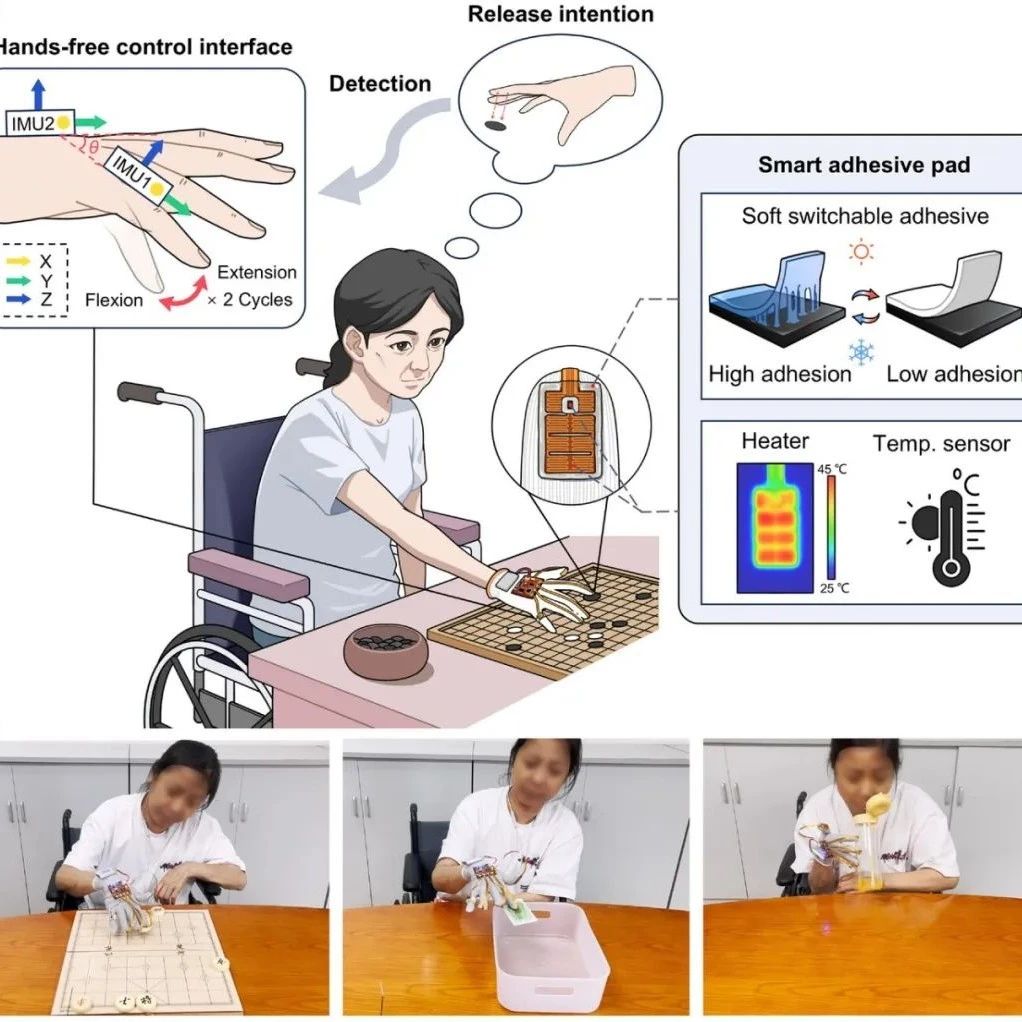
风湿患者的日常抓握困境,或许将被这一创新手套所改变。 北京航空航天大学文力教授团队近期在 Advanced Scie nce 期刊 发表的研究成果,为那些饱受风湿性疾病困扰的患者带来了新的希望。 这款创新手套不依赖传统外骨骼的机械驱动,而是巧妙 利用热响应离子凝胶的粘附特性,使患者能够轻松 抓起各种物品。 更重要的是,整套 系统仅重 47 克, 让辅助设备的便携性提升到了新高度。 图1. 系统概述。a) 示意图显示了带有软可切换粘合剂的便携式抓握辅助手套的整体配置和应用。b) 一名患有手部损伤 的风湿性患者使用手套执行ADL任务的代表性图像,包括下棋、拿起学生卡和拿瓶子喝水。 ▍ 风湿患者的 " 巨大需求 " 风湿性疾病是一组主要影响肌肉骨骼系统的慢性自身免疫性疾病, 包括类风湿性关节炎、系统性红斑狼疮 等。这些疾病影响着全球约 5% 的人口,且近年来发病率和患病率都在上升。 如果不能及时治疗,类风湿性关节炎和强直性脊柱炎等疾病 会导致高达 75% 和 37% 的患者出现关节畸 形,从而 导致残 疾和劳动力损失。 其中,周围神经病变是一种常见并发症,发生在高达 50% 的类风湿 性关 节炎患者身上 , 严重限 ...