
医疗服务

Search documents
盈康生命(300143.SZ):已建立起覆盖术前筛查、术中实施到术后监控、康复的脑机接口治疗帕金森全流程管理方案
Ge Long Hui· 2026-01-08 07:32
格隆汇1月8日丨盈康生命(300143.SZ)在投资者互动平台表示,公司已建立起覆盖术前筛查、术中实施 到术后监控、康复的脑机接口治疗帕金森全流程管理方案,旗下运城医院完成20余例脑起搏器植入术 (DBS),为帕金森患者提供创新治疗方案。公司始终密切关注包括脑机接口在内的前沿技术在医疗健 康领域的应用与发展,持续深化技术优势,优化诊疗方案,不断增强公司在医疗服务领域的竞争力。 ...

收评:沪指微跌 军工股领涨
Zhong Guo Jing Ji Wang· 2026-01-08 07:19
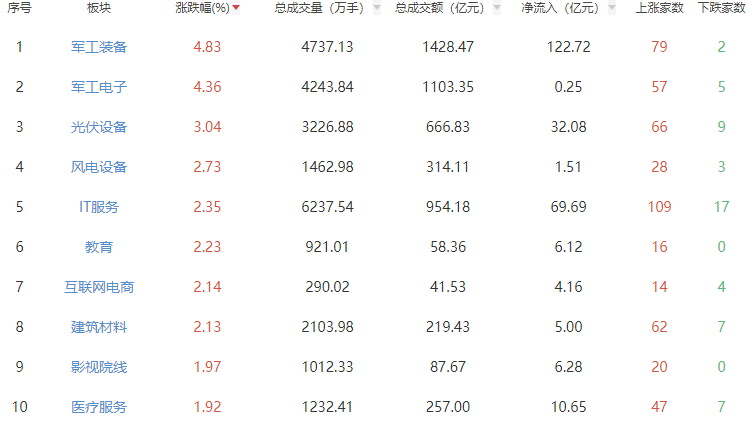
Market Overview - The Shanghai Composite Index closed at 4082.98 points, down 0.07% with a trading volume of 1183.19 billion yuan [1] - The Shenzhen Component Index closed at 13959.48 points, down 0.51% with a trading volume of 1617.08 billion yuan [1] - The ChiNext Index closed at 3302.31 points, down 0.82% with a trading volume of 750.34 billion yuan [1] Sector Performance Top Performing Sectors - Military equipment, military electronics, and photovoltaic equipment showed significant gains, with military equipment leading at a rise of 4.83% [2] - Other notable sectors include wind power equipment (up 2.73%) and IT services (up 2.35%) [2] Underperforming Sectors - The insurance sector declined by 2.17%, while the securities sector fell by 2.06% [2] - Energy metals and industrial metals also experienced declines of 1.41% and 0.87% respectively [2]

日照心脏病医院:尿毒症患者将受益于这项血液净化新技术
Qi Lu Wan Bao· 2026-01-08 07:15
终末期肾病(尿毒症)发病率逐年攀升,对患者而言,长期规范的血液净化治疗,是延续生命、保障生 活质量的关键支撑。 如今,一项更先进的血液净化技术——高容量后稀释在线血液透析滤过技术,已在青岛大学附属日照医 院血液净化中心率先开展,为日照及周边地区的尿毒症患者带来了更有效、更安心的治疗选择。 为什么这个"对流剂量"如此重要? 我们可以把每次透析想象成给血液进行一次"大扫除"。传统的透析方式主要清除小分子"垃圾",但患者 体内还有一类叫做"中分子毒素"的有害物质(如β -微球蛋白)同样危险,容易引发各种并发症。 高容量后稀释在线血液透析滤过技术的核心优势,就在于它能显著提升每次治疗的"总清洗水量",医学 上称为 "对流剂量" 。这个"水量"越大,意味着对血液的"清洁力度"越强,尤其是对那些危害大的中分 子毒素清除得更好。足够的"清洗量"直接帮助患者活得更长、活得更好。 通过严格的医疗质量管理与技术优化,青岛大学附属日照医院血液净化中心在区域内率先建立起一套安 全、有效、可执行的高质量,高容量后稀释在线血液透析滤过技术治疗体系,确保患者受益最大化。 一、优化治疗,提升每一次的"清洗效率" 1.保证充足血流量与治疗时间 ...
医疗ETF(159828)涨超1%,行业进入创新兑现与全球布局的关键阶段
Mei Ri Jing Ji Xin Wen· 2026-01-08 07:04
Core Insights - The medical ETF (159828) has risen over 1%, indicating that the pharmaceutical and biotechnology industry is entering a critical phase of innovation realization and global expansion [1] - The industry is expected to experience a convergence of industrial, policy, and capital cycles by 2026, transitioning from "innovation narrative" to "value realization," which may lead to performance inflection points and valuation restructuring [1] Industry Trends - The next generation of innovative therapies, including ADCs, bispecific/multispecific antibodies, cell and gene therapies, and small nucleic acids, are highlighted as key areas of focus [1] - The impact of centralized procurement on medical devices is diminishing, with over half of the policy coverage achieved; the coverage rates for high-value consumables, low-value consumables, in vitro diagnostics, and medical equipment are 58%, 35%, 23%, and 3% respectively [1] - Domestic medical device companies are making breakthroughs in high-end fields such as photon-counting CT and aortic regurgitation valves, with rapid growth in exports expected (medical device exports are projected to grow by 7.3% year-on-year from January to November 2025) [1] Investment Recommendations - Companies that can quickly achieve volume growth through price adjustments post-centralized procurement, as well as those benefiting from equipment upgrades driving procurement growth, are recommended for attention [1] - The medical ETF tracks the CSI Medical Index (399989), which selects listed companies in medical devices, medical services, and medical information technology, reflecting the overall performance of the medical theme [2] - The index is characterized by high growth attributes and industry concentration, influenced by aging trends, consumption upgrades, and policy guidance [2]
绵阳“AI+全域医疗”入选四川省首批“人工智能+医疗卫生”典型案例
Zhong Guo Fa Zhan Wang· 2026-01-08 06:08
中国发展网讯 近日,四川省卫生健康委员会公布了全省首批"人工智能+医疗卫生"典型案例评选结果。 经单位推荐、专家评审,由绵阳市游仙区卫生健康局牵头建设的"AI+全域医疗服务体系",从全省40家 单位申报的57个应用中脱颖而出,成功入选典型案例。标志着游仙区在人工智能与医疗卫生深度融合、 赋能基层服务能力提升方面走在了全省前列。近年来,游仙区以数字化改革为引擎,紧扣"健康中国"战 略,针对基层优质医疗资源不足、服务能力不均衡等现实痛点,创新构建了覆盖"诊、疗、管、防"全链 条的"AI+全域医疗"服务体系。该体系深度融合人工智能、大数据等前沿技术,系统性提升了区域医疗 卫生服务的整体效能。 全域智能辅诊,提升基层诊疗水平。游仙区成功部署全省首个覆盖全区基层医疗机构的DeepSeek智能 辅诊系统。系统依托医学知识图谱,为医生提供实时辅助诊断、用药建议与处方审核,日均应用超1500 人次。基层诊断准确率提升35%,处方合格率达98%。 中医AI辨证,传承国粹创新智慧。游仙率先引进中医AI辨证论治系统,实现"症-证-理-法-方-药"全流程 智能引导,赋能基层中医提供"名医级"诊疗服务。群众在家门口即可享受到优质中医药 ...
从24小时到10分钟!这家医院把无人机开进社区,医疗物资“分钟级”直达
Xin Lang Cai Jing· 2026-01-08 04:34
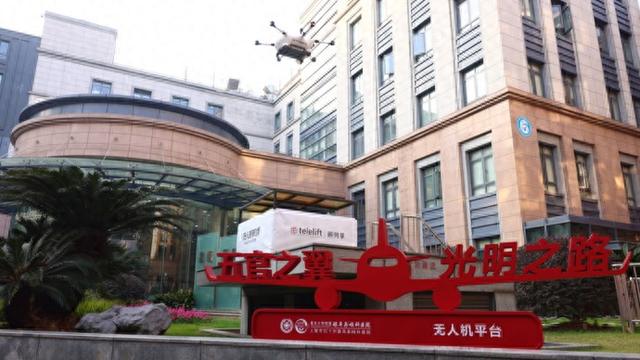
Core Viewpoint - The introduction of drone delivery services by Fudan University Affiliated Eye, Ear, Nose, and Throat Hospital significantly reduces the delivery time of medical supplies from 24 hours to just 5-10 minutes, enhancing the efficiency of healthcare logistics in urban areas [4][5]. Group 1: Drone Delivery Implementation - The hospital launched a drone delivery service that successfully transported specialized medications from its Fenyang branch to a community health service center in Huangpu District within 10 minutes [4]. - The drone delivery system addresses the "last mile" logistics challenge, ensuring efficient and precise delivery of medications, especially those requiring cold storage or urgent use [5]. Group 2: Benefits of the New System - The use of drones allows for a stable temperature during transportation, mitigating quality risks associated with traditional cold chain delivery methods [5]. - The scalable operation of drone deliveries is expected to lower costs and increase delivery frequency, providing community patients with quicker and more economical access to medical services [5]. Group 3: Future Plans and Innovations - The hospital plans to expand the drone delivery service to more communities and diversify the types of medical supplies delivered, including rapid sample testing [5]. - The initiative is part of a broader strategy to enhance the digital transformation of tiered medical services, improving resource allocation and patient care efficiency [6]. Group 4: Background and Context - Since 2021, the hospital has been advancing its internet hospital tiered diagnosis and treatment model, creating a collaborative medical platform that includes various services like contactless outpatient services and cloud pharmacies [6]. - The drone delivery project is seen as a natural extension of the hospital's efforts in smart healthcare, contributing valuable insights for the digital transformation of tiered medical services nationwide [6]. Group 5: Event and Attendance - The launch ceremony was attended by key figures including the director of Huangpu District Health Commission and the hospital's leadership, marking the official start of this innovative healthcare delivery practice [8].
塞力医疗录得4天3板
Sou Hu Cai Jing· 2026-01-08 03:59
塞力医疗再度涨停,4个交易日内录得3个涨停,累计涨幅为29.73%,累计换手率为75.61%。截至 11:30,该股今日成交量6609.39万股,成交金额16.98亿元,换手率31.44%。最新A股总市值达56.04亿 元。 | 日期 | 当日涨跌幅(%) | 换手率(%) | 主力资金净流入(万元) | | --- | --- | --- | --- | | 2026.01.07 | -2.53 | 34.28 | -18369.85 | | 2026.01.06 | 10.00 | 3.53 | 7079.50 | | 2026.01.05 | 10.02 | 6.35 | 17314.70 | | 2025.12.31 | -1.91 | 4.05 | -1753.11 | | 2025.12.30 | -3.19 | 5.86 | -1130.33 | | 2025.12.29 | 0.74 | 5.22 | 97.75 | | 2025.12.26 | -2.45 | 6.13 | -1113.39 | | 2025.12.25 | 1.71 | 9.81 | 291.44 | | 2025.12. ...

预告|科学减重,为什么要来医院?
Xin Lang Cai Jing· 2026-01-08 03:31
Group 1 - The core viewpoint emphasizes that weight management is not just an aesthetic issue but a significant medical concern related to metabolic health, cardiovascular risks, and long-term quality of life [1] - Blind dieting and trendy weight loss methods can lead to serious health risks, including endocrine disorders, nutritional imbalances, and weight rebound [1] - A scientific approach to weight loss involves professional medical assessment to identify obesity types and causes, utilizing a combination of medical nutrition, exercise intervention, medication, and possibly surgery to create personalized and sustainable management plans [1] Group 2 - The program features distinguished guests, including Professor Qu Shen and Professor Bu Le, both of whom are chief physicians at the Obesity Diagnosis and Treatment Center of Shanghai Tenth People's Hospital [3][5] - The live broadcast is scheduled for January 11, 2026, at 15:00, and will be available on the Xinhua News APP and the "Medical Chat Family" video account [1]

四川明确脑机接口医疗服务价格!置入费最高6583元/次
Mei Ri Jing Ji Xin Wen· 2026-01-08 03:31
Core Viewpoint - The Sichuan Provincial Medical Insurance Bureau has issued a notification to integrate 82 pricing items for neurological medical services, including the pricing for brain-computer interface (BCI) medical services in the province [1] Group 1: Pricing Structure - The 82 pricing items for neurological medical services include both invasive and non-invasive brain-computer interface projects, which consist of three independent items [1] - Invasive brain-computer interface implantation fees for public medical institutions under provincial management are as follows: - Class A hospitals: 6,583 yuan per instance - Class B hospitals (Level 3): 6,035 yuan - Class B hospitals (Level 2): 5,486 yuan - Class B hospitals (Level 1): 4,937 yuan - Below Class B Level 1: 4,389 yuan [1] - Invasive brain-computer interface extraction fees for public medical institutions are as follows: - Class A hospitals: 3,173 yuan per instance - Class B hospitals (Level 3): 2,908 yuan - Class B hospitals (Level 2): 2,644 yuan - Class B hospitals (Level 1): 2,380 yuan - Below Class B Level 1: 2,115 yuan [1] - Non-invasive brain-computer interface adaptation fees for public medical institutions are as follows: - Class A hospitals: 965 yuan per instance - Class B hospitals (Level 3): 884 yuan - Class B hospitals (Level 2): 804 yuan - Class B hospitals (Level 1): 724 yuan - Below Class B Level 1: 643 yuan [1]
AI健康火了!蚂蚁阿福之后,ChatGPT今日跟进发布健康服务
Yang Zi Wan Bao Wang· 2026-01-08 03:28
Core Insights - Ant Group's "Ant Aifu" has seen rapid growth, prompting OpenAI to enter the AI healthcare sector with the launch of ChatGPT Health, which offers similar functionalities [1][2] - Health is emerging as a high-demand area, with over 230 million weekly consultations related to health and fitness on ChatGPT globally [1] - Ant Aifu's December update provides comprehensive health services, connecting users with 5,000 hospitals and 300,000 doctors, while ChatGPT Health currently lacks full medical resource integration [1] Group 1 - Ant Aifu's monthly active users reached 30 million, with daily queries exceeding 10 million, doubling in just one month [2] - OpenAI's ChatGPT Health is currently available to a limited number of early users [2] - Ant Aifu's features include health Q&A, health companionship, and health services, covering the entire healthcare service chain [1]