
储能

Search documents
【十大券商一周策略】A股下行空间相对有限,决断看4月!聚焦景气确定性
券商中国· 2026-03-22 14:41
Group 1 - The core viewpoint is that the market is currently facing significant uncertainty due to geopolitical tensions and economic conditions, with a decisive direction expected to emerge around April [2] - The article discusses three key unresolved questions regarding the Iran conflict, U.S. Federal Reserve's focus, and China's economic situation, which are crucial for market predictions [2] - The market has seen some short-term reduction in positions, particularly in previously high-performing sectors, but overall returns have reverted to the starting line since the beginning of the year [2] Group 2 - The article identifies sectors that may maintain independent high prosperity despite geopolitical tensions and high oil prices, highlighting the importance of sectors like optical communication and energy storage [3] - It suggests that sectors with upward trends and less sensitivity to oil prices, such as energy storage and domestic AIDC chains, should be prioritized for investment [3] Group 3 - The current phase is described as potentially the most pressured stage due to the ongoing U.S.-Iran conflict, with a focus on the divergence between stable policy and absolute return strategies [4] - The article emphasizes that the mid-term variables are underestimated, particularly regarding inflation tolerance and the resilience of the U.S. and Chinese economies [4][5] Group 4 - A-shares are expected to have limited downside potential, with the market likely to experience oscillation and structural rotation as it absorbs external pressures [6] - Key sectors to watch include energy-related industries, defensive assets, and technology innovation sectors, with a focus on undervalued consumer segments [6] Group 5 - The market is anticipated to undergo a prolonged period of consolidation due to the impact of the U.S.-Iran conflict and changing expectations regarding interest rates [7] - The article highlights three investment directions: industries benefiting from high oil prices, stable cash flow defensive stocks, and certain growth sectors that may be undervalued [7] Group 6 - China's manufacturing sector is positioned for a value reassessment, with leading industries in coal chemical and power equipment showing resilience and potential for growth [8] - The article notes that China's energy system's completeness reduces vulnerability to external shocks and enhances its role in global energy supply [8] Group 7 - The narrative around the rise of physical assets remains intact, with a focus on energy security and the potential for China's manufacturing sector to serve as a stabilizing force in the global economy [9] - Investment recommendations include sectors related to energy, manufacturing, and consumer goods that are expected to benefit from structural changes in the market [9] Group 8 - The current market adjustment is attributed to concerns over economic stagnation and escalating conflict risks, with a potential for market recovery when sentiment is at its lowest [11] - Investment strategies should focus on sectors that benefit from rising oil prices and those with clear growth prospects, particularly in technology and renewable energy [11] Group 9 - The market is expected to remain under pressure from external factors, but there are positive indicators such as proactive monetary policy and strong early economic data [12] - The article suggests a dual focus on growth and cyclical sectors, with an emphasis on clean energy and resource-related investments [12] Group 10 - The outlook for the market suggests a gradual stabilization post-mid-March, with a focus on both growth and value sectors, particularly in energy and technology [13] - The article encourages investment in sectors that are likely to benefit from ongoing trends in AI and traditional industries undergoing value reassessment [13] Group 11 - The ongoing U.S.-Iran conflict and shifting interest rate expectations are impacting global markets, with a focus on stable domestic policies providing a clearer investment environment [14] - Recommended sectors include defensive strategies, energy independence, and high-growth areas such as AI and energy storage [14]


能源安全下储能板块大机遇
2026-03-22 14:35
Summary of Key Points from the Conference Call Industry Overview - The conference call discusses the energy storage sector, particularly focusing on the global and regional markets, including China, the United States, Europe, and emerging markets in Asia, Africa, and Latin America [1][2][3][4][5]. Core Insights and Arguments Global Energy Storage Market - The global energy storage market is expected to exceed 650 GWh in 2026, with a potential to surpass 700 GWh, driven by a compound annual growth rate (CAGR) of over 20% to 30% over the next five years [2][3]. - The market is transitioning from a phase of rapid growth to a more competitive landscape, influenced by geopolitical tensions and the increasing demand from new applications like data centers [2][3]. China’s Energy Storage Market - China's energy storage shipments are projected to be between 220-250 GWh in 2026, with a slower growth rate compared to 2025 due to the unsustainable subsidy model in Inner Mongolia [1][3]. - The national capacity pricing mechanism has improved asset profitability but lacks the incentive to replicate the explosive growth seen in 2025 [3]. U.S. Energy Storage Market - The U.S. energy storage installation is expected to reach 140-150 GWh in 2026, with significant contributions from data centers, which may add 15-20 GWh of demand [1][4]. - However, high tariffs (40%-60%) and the lengthy upgrade cycles for infrastructure are major constraints on market growth [4]. European and Emerging Markets - The European market is anticipated to grow by over 50%, reaching 95-100 GWh, driven by energy security concerns and supportive policies [4][5]. - The Asia, Africa, and Latin America markets are expected to see demand reach 200 GWh, with growth rates of 80%-100%, fueled by high electricity prices and shorter payback periods for solar storage projects [1][5]. Geopolitical Impacts - Recent geopolitical events, such as the Iranian attack on Qatar's LNG facilities, have led to a 17% reduction in Qatar's LNG capacity, significantly impacting global energy prices and increasing the attractiveness of residential energy storage [5][6][7]. - The ongoing geopolitical tensions are expected to maintain high energy prices, further driving demand for residential storage solutions [6][7]. Additional Important Insights Company-Specific Developments - **DeYee Co.**: Anticipates production exceeding 250,000 units in Q1 2026, with a projected annual profit of over 5 billion RMB [1][10]. - **Airo Energy**: Expected to double its revenue to over 8 billion RMB in 2026, benefiting from the European market surge [1][10]. - **Pioneer Energy**: Anticipates a significant increase in profit margins, with single watt-hour profits expected to rise to 0.04 RMB [11][12]. Hydrogen Energy Policy Changes - Recent hydrogen energy policies include an 8 billion RMB subsidy, expanding the application scope beyond vehicles to industrial uses, with a target hydrogen price reduction to 15-25 RMB/kg by 2030 [1][13]. - The policy aims to support the hydrogen industry’s growth, particularly in green ammonia and hydrogen-based industrial applications, with expected market contributions starting from 2026-2027 [13]. Market Dynamics - The residential energy storage market is evolving from a supplementary role to a necessity for energy security, with potential penetration rates exceeding 50% in the future [8][9]. - The economic viability of residential storage systems is improving, with many countries experiencing electricity prices that make these systems competitive with traditional grid power [9]. This summary encapsulates the key points discussed in the conference call, highlighting the dynamics of the energy storage market and the implications of geopolitical events on industry growth and company performance.



欧洲能源价格暴涨-再论消费级热泵-光储投资机遇
2026-03-22 14:35
Summary of Key Points from Conference Call Industry Overview - The conference call discusses the European energy market, particularly focusing on the implications of rising energy prices, the heat pump industry, and the consumer energy storage market. [1][2][4] Core Insights and Arguments Energy Market Dynamics - Geopolitical conflicts have led to a 17% capacity reduction in Qatar's LNG production, equating to approximately 17 billion cubic meters per year, with recovery expected to take 3-5 years. [1][2] - By 2026, the global LNG market is projected to shift from surplus to a deficit of nearly 20 billion cubic meters. [1][2] - European TTF futures have surged to €59 per megawatt-hour, with expectations to remain high until 2027. Current European gas storage levels are at a historical low of 27%. [1][2][3] - The geopolitical situation, including conflicts involving Iran and Qatar, has significantly impacted the LNG market, with potential long-term effects on supply and pricing. [2][3] Heat Pump Industry - The heat pump penetration rate is accelerating, driven by high subsidies in Germany and the UK, reaching up to 70%. A mandatory installation policy for new homes is expected by 2026. [1][4][6] - The initial installation cost of heat pumps ranges from €8,000 to €40,000, but operational costs are significantly lower than traditional heating methods, allowing for a payback period of 4-6 years. [5][6] - The heat pump market experienced explosive growth during the 2022 energy crisis, driven by high gas prices, increased subsidies, and supply chain recovery from the pandemic. [5][6] Consumer Energy Storage Market - The consumer energy storage market is expected to reach a scale of approximately ¥600 billion by 2029, with a compound annual growth rate (CAGR) of 22%. [1][9][10] - Key drivers for the consumer energy storage market include rising electricity costs and supportive government policies across Europe. [8][9] - The investment payback period for consumer energy storage products is estimated to be between 2 to 4 years, making them attractive for consumers. [9] Additional Important Insights - The heat pump market is expected to grow even without geopolitical tensions, driven by inventory levels and expanded subsidies. [6][14] - Major players in the heat pump market include traditional appliance manufacturers like Midea, Haier, and Gree, as well as component manufacturers like Haili and Sanhua Intelligent Control. [7][14] - The consumer energy storage market is segmented into portable storage, balcony photovoltaic storage, and household storage, with significant growth expected in all segments. [10][11] - Anker Innovations and Huabao New Energy are leading companies in the consumer energy storage market, with Anker expected to achieve revenues of ¥3 billion in 2024, a 200% increase year-on-year. [12][14] Conclusion - The investment outlook for the European energy replacement theme in 2026 is positive, with high certainty in demand for heat pumps and consumer energy storage driven by ongoing geopolitical tensions and energy security concerns. [14]
行业周报:国内海风需求有望高增,氢能综合应用试点启动-20260322
Ping An Securities· 2026-03-22 14:26
Investment Rating - The report maintains an "Outperform" rating for the industry [2]. Core Insights - The domestic demand for offshore wind energy is expected to see significant growth during the 14th Five-Year Plan, with a target of over 100 million kilowatts of cumulative grid-connected capacity by the end of the plan [6][11]. - The silicon material supply and demand situation in the photovoltaic sector is under pressure, with prices for polysilicon dropping and a potential slowdown in export growth due to changes in tax policies [28][29]. - The hydrogen energy sector is set to accelerate its industrialization process, supported by new pilot projects initiated by government agencies [7]. Summary by Sections Wind Power - The 14th Five-Year Plan outlines the construction of offshore wind power bases in various seas, aiming for over 100 million kilowatts of cumulative grid-connected capacity [6][11]. - As of December 2025, the total installed wind power capacity in China is projected to reach 640 million kilowatts, with a year-on-year growth of 23% [11]. - The offshore wind power sector is expected to add over 53 gigawatts (GW) during the 14th Five-Year Plan, with an average annual installation of over 10 GW [11]. Photovoltaics - The average transaction price for polysilicon has decreased to 39,900 yuan per ton, reflecting a 6.12% week-on-week decline [28]. - The photovoltaic industry faces challenges due to weak demand and high inventory levels, leading to a potential industry consolidation phase [28]. - The photovoltaic equipment index has seen a slight decline of 0.16%, while the solar cell component index dropped by 2.01% [29]. Energy Storage & Hydrogen Energy - A new pilot program for hydrogen energy applications has been launched, aiming for large-scale applications in urban areas by 2030, with hydrogen prices targeted to drop below 25 yuan per kilogram [7]. - The hydrogen energy sector is expected to see a doubling of fuel cell vehicle ownership by 2030, reaching around 100,000 vehicles [7]. - Investment recommendations include focusing on companies with strong competitive advantages in energy storage and hydrogen energy sectors [7].





港股AI储能三巨头业绩大超预期,中国科技正在主导全球Token定价权!
财联社· 2026-03-22 13:43
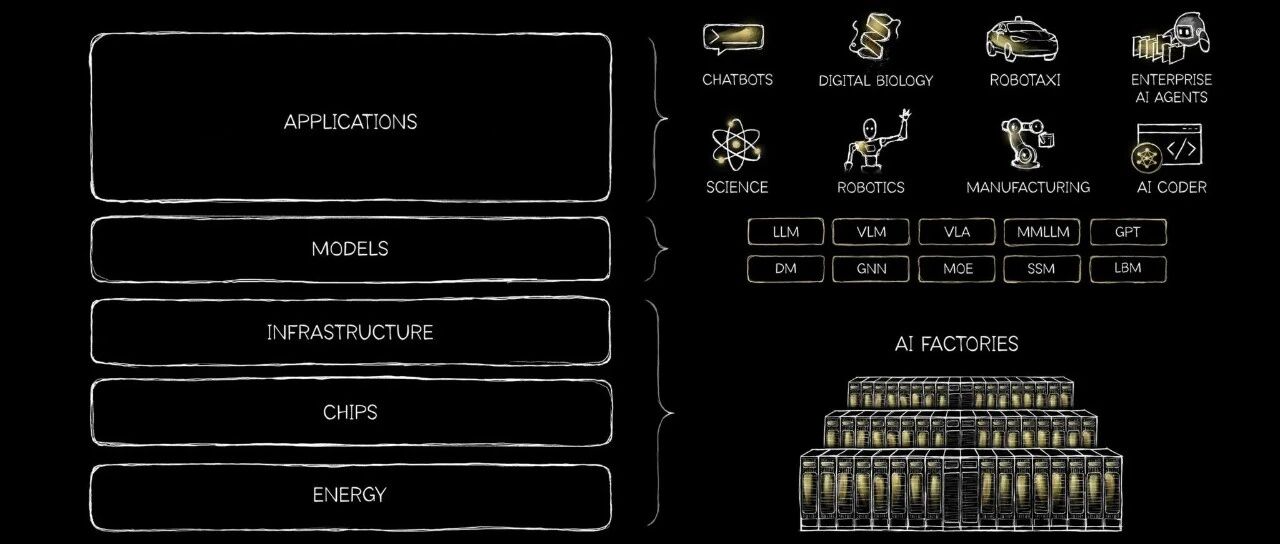
Core Viewpoint - The global AI industry is transitioning from a "model competition" to a "cost competition," with China leading in AI model usage and token pricing power, significantly impacting the energy and storage sectors [1][7]. Group 1: AI Model Usage and Market Dynamics - As of March 2026, China's AI model weekly usage surged to 46.9 trillion tokens, an increase of 11.83%, while the U.S. saw a decline of 9.33% to 32.94 trillion tokens [1]. - The competition in AI is fundamentally a competition for computing power, which is intrinsically linked to energy costs, reshaping the valuation logic in the energy storage sector [1][7]. Group 2: Performance of Key Companies - CATL (宁德时代) reported a revenue of 423.7 billion RMB in 2025, a year-on-year increase of 17.04%, with net profit rising by 42.28% to 72.2 billion RMB, driven by a 29.13% increase in energy storage battery sales [4]. - Zhongchuang Innovation (中创新航) projected a net profit of 2.025 to 2.193 billion RMB for 2025, representing a growth of 140% to 160% year-on-year, capitalizing on the demand for large-capacity energy storage systems [5]. - Guoxia Technology (果下科技) achieved a total revenue of approximately 2.057 billion RMB in 2025, a 100.6% increase, with a net profit of about 103 million RMB, marking a 109.5% growth [6]. Group 3: Policy Support and Industry Outlook - The Chinese government has set clear goals for the energy storage industry, aiming for a new storage capacity of over 180 million kilowatts by 2027, with an investment of approximately 250 billion RMB [7]. - The synergy between energy, computing power, and AI models positions China to dominate global token pricing, leveraging its cost structure advantages [7][12]. Group 4: Future Trends in AI and Energy Storage - The AI industry is expected to see exponential growth in energy storage demand, with companies like MiniMax and Zhiyuan achieving significant revenue growth and expanding their global presence [8]. - The concept of "Energy as the foundation of AI" is emphasized, with energy supply being crucial for the scalability of AI applications, as articulated by NVIDIA's CEO [9][11].
——电新环保行业周报20260322:高切低行情延续,围绕能源安全与业绩主线布局-20260322
EBSCN· 2026-03-22 12:49
Investment Ratings - Electric Power Equipment: Buy (Maintain) [1] - Environmental Protection: Buy (Maintain) [1] Core Views - The report highlights the ongoing high-cut low market conditions, emphasizing energy security and performance as key investment themes. The Iranian situation has escalated, leading to increased focus on energy infrastructure and commodity prices, with significant volatility in the market. The current market is prioritizing performance metrics [2]. - In the electric power sector, the North American electricity shortage chain, which previously had high valuations, is undergoing adjustments. The sectors related to energy crises, particularly household/commercial storage and European offshore wind, are performing well. The photovoltaic sector has seen a rebound due to Tesla's procurement plans for solar equipment [2]. - The report suggests focusing on companies like DeYue Co., Daikin Heavy Industries, TianShun Wind Energy, Airo Energy, and GoodWe in the energy storage and offshore wind sectors, as they are expected to benefit from sustained demand even post-conflict [2]. - The photovoltaic sector is anticipated to see continued catalysts if North American orders are fulfilled, with key companies to watch including JinkoSolar, Foster, JinkoSolar, and Laplace [2]. - The lithium battery and energy storage sectors are highlighted for their strong performance in upcoming financial reports, with companies like CATL, Defu Technology, and Sungrow Power to be monitored closely [2][3]. Summary by Sections Electric Power Equipment - The North American electricity shortage logic remains strong, with high volatility expected in high-valued stocks. The report recommends focusing on undervalued electric power equipment stocks such as Teradyne, Siyuan Electric, and Sifang Co. [3]. Energy Storage - Domestic energy storage capacity pricing policies have been released, and there is ongoing discussion about their impact on installations in 2026/27. Key indicators to monitor include regional coal power pricing, project lists, and market price differentials. The report suggests that low-valuation leading stocks in energy storage are likely to rebound [6]. - In the overseas market, the logic of electricity shortages in the U.S. is expected to continue, with significant potential for rebounds in North American energy storage stocks [6]. - The U.K.'s "Warm Homes Plan" and ongoing energy repairs in Ukraine are expected to sustain demand for household storage solutions [6]. Wind Power - According to the National Energy Administration, China's onshore wind power installations are projected to reach 110.0 GW in 2025, a year-on-year increase of 45.14%, while offshore wind installations are expected to reach 6.6 GW, a 63.12% increase [7]. - The report indicates that the wind power sector is experiencing a high degree of project releases, with significant growth expected in installations from 2026 to 2030 [18]. Photovoltaics - The report notes that prices across the photovoltaic supply chain are stabilizing but under pressure due to weak demand and high inventory levels. The silicon material prices have been declining, while the prices for silicon wafers have stabilized [27]. - The report emphasizes that all segments of the photovoltaic industry are currently facing operational pressures, with no profits reported as of March 18, 2026 [27].
电力设备与新能源行业周观察:户储工商储景气度高企,持续看好电力设备出海
HUAXI Securities· 2026-03-22 11:52
Investment Rating - Industry Rating: Recommended [7] Core Insights - The report highlights a clear trend towards localization in North American photovoltaic manufacturing, with production equipment and auxiliary materials being the first to benefit from the surge in procurement demand due to overseas capacity expansion [15][17]. - Rising natural gas prices in Europe are expected to increase end-user electricity costs and intensify supply risks, thereby enhancing the economic value of household and commercial energy storage solutions [3][17]. - The European offshore wind power market is projected to experience rapid growth from 2026 to 2030, driven by the need for energy independence and limited local capacity expansion [4][22]. - The demand for transformers and other electrical equipment is robust, with a significant year-on-year increase in exports, particularly to North America and Europe [5][40]. Summary by Sections 1. New Energy - North American photovoltaic manufacturing is seeing a clear localization trend, with production equipment as the leading beneficiary of procurement demand [15]. - The report anticipates that auxiliary materials such as films, frames, and silver paste will also benefit from this capacity expansion [15][16]. - Beneficiary companies include Yongzhen Co., Dike Co., and Foster [2][16]. 2. Power Equipment & AIDC - In the first two months of 2026, China's transformer export value increased by approximately 36% year-on-year, with significant growth in oil transformers and dry transformers [5][40]. - The report emphasizes the potential for companies that can penetrate the North American market, particularly focusing on the main transformer supply [5][40]. - Key companies to watch include Siyuan Electric [5]. 3. New Energy Vehicles - The report notes that advancements in battery technology are enhancing the cost-performance ratio of new energy vehicles, with new models expected to drive production increases [6][44]. - The supply-demand balance is expected to tighten, leading to a trend of rising prices and volumes in key components such as copper foil and separators [6][45]. - Beneficiary companies include CATL, EVE Energy, and others involved in battery production [50]. 4. Offshore Wind Power - The report indicates that the European offshore wind market is set for significant growth, with expectations of new installations from 2026 to 2030 [4][22]. - Companies with cost control and stable delivery capabilities are expected to benefit from this growth, including Daikin Heavy Industries and others [4][22].
风险释放之后的反弹主线
ZHONGTAI SECURITIES· 2026-03-22 09:28
1. Report Industry Investment Rating - The industry rating is "Overweight", indicating an expected increase of over 10% in the industry index relative to the benchmark index in the next 6 - 12 months [24] 2. Core Viewpoints of the Report - The current market is at a moment of heavy divergence. The ChiNext Index has rebounded and hit a new high this week, while overseas liquidity shocks are accelerating. The A - share market is also discussing issues such as "who is the marginal seller" and the potential "redemption - selling - redemption" negative feedback [1][4] - Seasonal effects are not the reason for the decline but help clear risks. The pressure on the liability side from the liquidity shock has been gradually digested in the past two weeks and may be nearing the end [1][5] - Sentiment indicators show that the market is close to the "extreme panic" level, and the smooth passing of the "end - of - the - world options" day implies a high probability of a market reversal [1][6] - Chinese assets have shown strong resilience. A - shares and Hong Kong stocks have smaller declines compared to global markets, and foreign capital is actively increasing its positions in A - shares [1][8] - After the liquidity shock eases, the leading sectors in the A - share market are divided into two categories: hot sectors supported by industrial trends or policy benefits, and liquidity - sensitive elastic sectors [1][14] - The current is a window period for bottom confirmation, and the main lines of the rebound after the shock are becoming clear, including "wrongly - killed" elastic sectors, energy - substitution sectors, and sectors benefiting from rising oil prices [1][22] 3. Summary According to the Table of Contents Introduction: Believe in the Long - Term or Worry about the Short - Term - This week, the market was volatile. The ChiNext Index rose 1.3% and the Shanghai Composite Index fell 3.4%. Globally, except for oil, risk and safe - haven assets declined. The A - share market discussed issues like "who is the marginal seller" and the "redemption - selling - redemption" negative feedback [4] - The seasonal effect promotes risk clearance. The pressure on the liability side from the liquidity shock has been digested, and the yields of various funds this year are better than those in 2025 [5] - Sentiment indicators show that the market is in an "extreme panic" state [6] I. Value the Resilience of Chinese Assets under Liquidity Shocks - Since the Iran - US conflict, global assets have declined, but Chinese assets have advantages. A - shares and Hong Kong stocks have smaller declines, and Hong Kong stocks rebounded first on March 6, followed by the ChiNext Index [8] - Northbound funds are flowing into A - shares. Their trading volume ratio has increased, and they have become an important marginal pricing force. Northbound heavy - position stocks and the 20 most actively traded stocks have shown significant excess returns [9][11] III. "End - of - the - World Options" Usually Accompany Excessive Emotional Release, with a High Probability of Subsequent Reversal - The options expiration day is an important time for emotional release. After the stock index futures and options expiration day, the probability of a market reversal is high, with a trend reversal probability of over 71% [13] IV. Learn from History: Which Sectors Have the Strongest Recovery Ability after the Shock Eases - After the shocks in March 2020 and April 2025, the leading sectors in the A - share market can be divided into two categories: hot sectors with industrial trends or policy support, and liquidity - sensitive elastic sectors [14] - In March 2020, the main line of the A - share rebound was the consumer sector and cyclical + technology elastic sectors [14] - In April 2025, after the "reciprocal tariff" shock, the leading sectors included electronics, computer, communication, and other sectors, and the rebound amplitude of other sectors was positively correlated with valuation elasticity and previous declines [16] V. Main Lines after Risk Release: Who is "Wrongly - Killed" and Who is "Benefiting" - During this round of liquidity shock, the decline of A - share sectors is negatively correlated with valuation elasticity [18] - The AI hardware industry chain has been "wrongly - killed" and has strong support. If oil prices remain high, energy - substitution sectors such as coal, coal chemical industry, and power will benefit. However, new - energy vehicles and electrolytic aluminum have weak performance, possibly due to deflation concerns [20] - The industry layout ideas are: "wrongly - killed" elastic sectors such as the AI hardware industry chain; energy - substitution sectors such as power, wind power, energy storage, and electrolytic aluminum if oil prices fluctuate at a high level; and coal and coal chemical industries if oil prices rise further [22]
特斯拉计划采购29亿美元光伏设备,英国海风预计提前启动AR8
ZHONGTAI SECURITIES· 2026-03-22 09:27
Investment Rating - The report maintains an "Overweight" rating for the electric equipment industry [5] Core Insights - Tesla plans to procure $2.9 billion worth of photovoltaic equipment, indicating strong demand in the solar sector [1] - The UK offshore wind sector is expected to accelerate with the early launch of AR8, highlighting growth opportunities in wind energy [1] - The report emphasizes the importance of key players in the lithium battery, energy storage, and electric equipment sectors, suggesting potential investment opportunities [7][23] Summary by Sections Lithium Battery Sector - The battery industry index decreased by 0.71%, but the lithium battery sector showed strong performance with significant gains in key stocks like Fulin Precision (+20.3%) and Wanrun New Energy (+6.4%) [11] - The ongoing geopolitical tensions in the Middle East are impacting lithium battery material costs, particularly for iron-lithium [13] - A new project by Jiujiang Tinci to produce 500,000 tons of electrolyte annually is set to commence in March 2026, significantly boosting supply [16] - The demand for 5μm separators is rapidly increasing, with limited companies capable of stable production, leading to a 60% price premium over standard products [17][18] Energy Storage Sector - Global energy storage battery shipments are projected to reach 550 GWh in 2025, a 79% increase from 2024, with major contributions from Chinese companies [23] - The average bid for a large-scale energy storage project in Zhangjiakou ranges from 0.479 to 0.577 yuan/Wh, indicating competitive pricing in the market [24] Electric Equipment Sector - The State Grid is accelerating investment in power grid construction, with a reported 80.6% increase in fixed asset investment in the first two months of the year [28] - New regulations in Shandong allow energy storage to participate in both energy and ancillary service markets, enhancing revenue opportunities for storage facilities [25][27] Photovoltaic Sector - Recent reports indicate a decline in silicon material prices, with multi-crystalline silicon averaging 45.0 yuan/kg, reflecting a supply-demand imbalance [29] - Tesla's procurement plans signal a robust outlook for the photovoltaic equipment market, with key players identified for investment [1][7]





电新行业周报20260316-20260322:欧洲能源危机有望提升新能源需求-20260322
Western Securities· 2026-03-22 08:45
Investment Rating - The report does not explicitly state an investment rating for the industry Core Insights - The European energy crisis is expected to boost demand for renewable energy, with the UK launching AR8 to accelerate offshore wind development and enhance renewable energy deployment [1] - The construction of data centers in the US has surpassed traditional office buildings for the first time, driven by a 29% year-on-year increase in project value to $45.1 billion, reflecting the growing demand for AI-driven computing infrastructure [2] - The "14th Five-Year Plan" emphasizes the synergy between computing and electricity, aiming for a significant increase in non-fossil energy and the establishment of a new energy system [4] Summary by Sections Renewable Energy - The UK plans to start AR8 in July 2026, introducing several energy initiatives, with recommendations for wind energy companies such as TianShun Wind Energy and MingYang Smart Energy [1] - The European energy crisis, exacerbated by US-Iran tensions, has led to a spike in natural gas prices, increasing storage demand and highlighting the economic viability of energy storage solutions [1] Data Centers and AI Infrastructure - The value of data center projects in the US has increased by 29% year-on-year to $45.1 billion, marking a historic shift in investment focus from traditional office spaces to data centers [2] - Companies recommended for investment in the AI computing infrastructure include Shenma Electric and Dongfang Electric [2] Battery Technology - Chery is accelerating the validation of solid-state batteries, aiming for market introduction by 2027, while BASF has entered the sodium-ion battery sector through a partnership with Sichuan Starry Sky [2] - Recommendations for copper foil companies include Copper Crown and DeFu Technology, while the electric vehicle sector includes Ningde Times and Enjie [2] Industry Standards and Regulations - The Ministry of Industry and Information Technology is working on national standards for photovoltaic components to enhance safety and regulatory compliance in the solar industry [4] - The report highlights the importance of establishing a unified electricity market system and promoting market-oriented pricing mechanisms for various energy sources [4] Market Trends - The report notes a significant increase in the export of new energy vehicles, with February exports reaching 269,000 units, a year-on-year increase of 124.2% [9][10] - The photovoltaic industry is experiencing price fluctuations, with silicon material prices declining and battery cell prices also showing downward trends [15][33]