财富管理

Search documents
第八届新财富投顾评选评委寄语集锦:真正的投顾,从不只有一种答案
新财富· 2025-12-23 08:31
历经数月的激烈角逐, "第八届新财富最佳投资顾问"评选结果 于昨日揭晓。在聚焦"服务能力"的总决赛阶段,新财富于成都、北京、深圳、上海四地 搭建舞台,由54位来自券商、公私募及三方机构的资深评委坐镇,通过严谨的现场评审与答辩,最终从众多精英中遴选出91位行业标杆。他们不仅展现 了卓越的个人专业素养,更树立了财富管理行业以客户为中心的服务典范。 一场高规格的赛事,也是一次行业思想的深度碰撞。我们特邀本届评委留下寄语,他们以深刻的洞察与殷切的期盼,共同勾勒出财富管理行业的当下风 貌与未来图景。 部分评委寄语(排名不分先后,以机构首字母为序) 承泽资产CEO兼投资总监曹雄飞 : 与五六年前相比,本届选手在投资逻辑、业绩呈现、材料准备及演讲表达等方面均展现出质的飞跃。新财富投顾评 选长期坚守,对推动行业专业进步功不可没。祝贺评选硕果累累,也祝福每位选手前程似锦! 绰瑞基金基金经理金戈 : 作为第一次参加的评委,我从自己的专业角度对各位参评者给出分析和建议,同时也了解到券商服务的新生态。每个参评者 表现都非常出色,不仅要做专业投资方面的建议,同时也负责给不同经历不同背景的客户来做资产配置。希望新财富最佳投顾评选越来越好 ...

金饰克价,首破1400元
Zhong Guo Zheng Quan Bao· 2025-12-23 08:04
国际金价延续连日来的涨势。受此带动,以人民币计价的黄金价格再创新高。12月23日,有品牌足金饰 品报价首次站上每克1400元上方。 12月23日,伦敦现货黄金盘中一度接近每盎司4490美元,突破10月底每盎司4381美元的高点。受此影 响,上海黄金交易所现货黄金价格23日盘中来到每克1014元,上海期货交易所上市的黄金期货主力合约 一度涨至每克1018元,均创新高。 今年以来,国际现货黄金涨幅已超70%,以人民币计价的现货黄金价格累计上涨超64%。 瑞银财富管理投资总监办公室认为,黄金已扳回10月跌幅,有望创下1979年以来最佳年度变现。美联储 料将在未来数月继续保持宽松政策,同时随着主权国家继续降低美元储备比重,全球央行对黄金的需求 有望保持强劲,对金价构成一定支撑。 来源:新华社 记者:任军、陈云富 (文章来源:中国证券报) ...
金饰克价首次突破1400元
Xin Lang Cai Jing· 2025-12-23 04:36
Core Viewpoint - The international gold price continues to rise, with the price of gold jewelry in RMB surpassing 1400 yuan per gram for the first time, indicating a strong upward trend in the gold market [1] Group 1: Gold Price Trends - On December 23, the price of gold jewelry reached over 1400 yuan per gram, marking a new high [1] - The London spot gold price approached 4490 USD per ounce, exceeding the previous high of 4381 USD per ounce at the end of October [1] - The Shanghai Gold Exchange's spot gold price hit 1014 yuan per gram, while the main futures contract on the Shanghai Futures Exchange rose to 1018 yuan per gram, both setting new records [1] Group 2: Yearly Performance - Year-to-date, the international spot gold price has increased by over 70%, while the RMB-denominated spot gold price has risen by more than 64% [1] - UBS Wealth Management's investment office suggests that gold has recovered from its October losses and may achieve the best annual performance since 1979 [1] Group 3: Market Influences - The Federal Reserve is expected to maintain an accommodative policy in the coming months, which may support gold prices [1] - As sovereign nations continue to reduce their dollar reserves, global central bank demand for gold is anticipated to remain strong, providing further support for gold prices [1]
中金财富吴显鏖:以买方投顾破局 共赴财富管理3.0新征程
Shang Hai Zheng Quan Bao· 2025-12-22 18:23
Core Insights - The article discusses the transformation of wealth management from product sales to wealth planning, with CICC Wealth adopting a "buy-side advisory" model to differentiate itself in a competitive market [1] - This shift is characterized as a move towards a 3.0 era of wealth management, focusing on a comprehensive, goal-oriented approach that prioritizes client needs over perfect products [2] Strategic Transformation - Wealth management has evolved from "selling products" (1.0) to "configuring assets" (2.0), and now to "planning" (3.0), emphasizing a client-centric approach [2] - The new model aligns the interests of wealth management firms with those of investors by charging fees based on the size of client assets, moving away from transaction-based commissions [2] Assessment Framework - The company is enhancing its assessment standards by focusing on "asset retention" and diversifying its product offerings, including global investments in U.S. bonds and alternative strategies [3] - Upgrading advisory capabilities is crucial, with a shift from sales to becoming true advisors who understand clients and products [3] Dual Empowerment - AI technology and globalization are key drivers for the accelerated development of the buy-side advisory model [4] - AI enhances service precision and accessibility, while globalization broadens investment options, forming the core competitive advantage in the 3.0 era [4][5] Ecosystem Development - The company aims to promote a shift in the industry from "sell-side sales" to "buy-side advisory," fostering a sustainable wealth management ecosystem [6] - Recent regulatory changes are expected to lower investor costs and encourage longer holding periods, supporting the growth of the buy-side advisory model [6]
传承有道!好买臻承家办:科技+专业,构建高净值家庭家业长青体系
Xin Lang Cai Jing· 2025-12-22 14:11
Core Insights - Since 2025, high-net-worth families have upgraded their wealth management demands to focus on "safety, compliance, and long-term inheritance" due to global market uncertainties and frequent cross-border tax policy adjustments [1] - Good Buy Wealth's Zhencheng Family Office leverages 18 years of investment research expertise and Tencent's technological support to provide integrated solutions for ultra-high-net-worth families, covering investment planning, family trusts, tax optimization, and identity planning [1] Company Overview - Good Buy Wealth is recognized as an independent wealth management institution in China, having developed a core competitive system characterized by "strong research, full licensing, reallocation, and deep companionship" over 18 years [2] Competitive Advantages - Strong Research: Backed by strategic investor Tencent, the founding team possesses excellent professional backgrounds [3] - Full Licensing: Good Buy Wealth and its subsidiaries have established a comprehensive licensing system covering both domestic and international assets [3] - Reallocation: The Good Buy Fund Research Center has developed a recognized fund screening system and scientific allocation model over 18 years [3] - Deep Companionship: The company manages over 180 billion yuan in assets, serving millions of investors and over ten thousand high-net-worth clients [3] Zhencheng Family Office Core Services - Family Trust Services: Offers various types of trusts, including financial, equity, and insurance trusts, with personalized customization to meet asset isolation and inheritance needs [4] - Legal and Tax Consulting: Provides integrated legal and tax consulting, equity trust structure design, and family charter customization to address complex legal and tax issues [4] - Identity Consulting: Offers identity consulting services based on tax policies in countries like the USA, Canada, Europe, Singapore, and Hong Kong, addressing multiple goals such as education and asset allocation [4] - One-Stop Comprehensive Solutions: Integrates identity consulting, offshore trusts, tax optimization, and asset allocation into a cohesive plan [4] Reasons to Choose Zhencheng Family Office - Deep Experience: Originating from Good Buy Wealth, Zhencheng has successfully served hundreds of high-net-worth families with a focus on sustainable wealth growth [5] - Problem-Oriented Approach: Focuses on clients' real needs rather than product sales, providing neutral and customized solutions [5] - Professional Collaboration: Recognizes the need for global collaboration with experts in various fields to ensure high-quality service delivery [5] - Platform Empowerment: Leverages Good Buy Wealth's comprehensive capabilities to offer full-process services from consultation to execution [6] - Maximizing Client Interests: Prioritizes client interests without compromising quality due to complexity or cost [6] - Long-Term Companionship: Extends services from investment management to family governance, ensuring long-term support for wealth growth and family legacy [6] Case Study: Cross-Border Tax Optimization - Background: High-net-worth individuals holding overseas financial assets have become more aware of tax laws due to reporting requirements starting in 2025 [6] - Solution: Zhencheng Family Office recommends using family trust structures to hold assets, optimizing tax structures fundamentally [6] - Value: Achieves tax optimization through top-level design while ensuring compliance, preventing unnecessary wealth loss [6]
中信集团张文武:发挥产融并举综合优势,助力构建财富管理新生态
Bei Ke Cai Jing· 2025-12-22 05:49
Core Viewpoint - The current low interest rate environment in China is driving residents to diversify their asset allocation from traditional savings to a variety of financial assets, presenting historic opportunities for the wealth management industry and direct financing market [1] Group 1: Wealth Management Industry Opportunities - The deepening reforms in the capital market are increasing the proportion of direct financing in the overall social financing scale, leading to a more diversified financing system [1] - Beijing's policy advantages, strong industrial foundation, concentration of innovation resources, and high-net-worth clients create a favorable environment for the transformation and upgrading of the wealth management industry and the development of technology innovation enterprises [1] Group 2: Strategic Initiatives by CITIC Group - CITIC Group aims to leverage its strengths in direct financing, asset management, and cross-border finance to achieve high-quality development in the wealth management sector while contributing to the innovation development of the capital [1] - The company plans to enhance technological financial services, cultivate patient capital, and support key sectors such as green finance, wealth management, healthcare, and digital economy through innovative financing tools like REITs and industrial funds [2] Group 3: Cross-Border Services and Ecosystem Development - CITIC Group is focused on building a global capital cooperation bridge, facilitating connections with various stock exchanges and exploring new paths for cross-border investment banking and asset management [2] - The company aims to support high-quality international expansion for enterprises by providing comprehensive support for overseas IPOs, mergers, and bond issuance, leveraging advantages in domestic and Hong Kong capital markets [2] - There is an emphasis on creating a value co-creation ecosystem by utilizing Beijing's global wealth management center platform, promoting a shift from a single product sales model to a customer-centric, full lifecycle asset allocation service [2]
民生理财发布“民生E选 汇星聚芒”产品品牌
Zhong Jin Zai Xian· 2025-12-22 02:05
Core Viewpoint - Minsheng Wealth Management has launched a new ETF-focused product brand named "Minsheng E Selection Huixing Jumang," aiming to provide transparent, stable, and convenient ETF allocation solutions for investors, thereby enhancing long-term wealth growth [1] Industry Overview - The domestic ETF market in China is maturing, with investor recognition of ETF products increasing. By the end of November, the domestic ETF market reached nearly 2 trillion yuan in explosive growth, totaling approximately 6 trillion yuan, covering various asset types including stocks, bonds, commodities, and cross-border investments [2] - ETFs are characterized by low costs, high transparency, flexible trading, and risk diversification, addressing issues found in traditional investment tools such as unclear direction, complicated operations, and concentrated risks [2] Company Strategy - Minsheng Wealth Management has established a "screening + management" dual professional system in the ETF investment field, focusing on strict selection and evaluation mechanisms to choose quality ETF partners based on liquidity, tracking error, fee levels, and corporate governance [2] - The company employs a "self-management + external cooperation" model, leveraging its market research and ETF investment management capabilities while collaborating with top domestic asset management institutions to enhance strategy complementarity and capability synergy [2] Brand Philosophy - The brand name "Huixing Jumang" reflects the core logic of ETF portfolio investment, emphasizing the collection of high-quality ETF targets across the market and optimizing configurations to achieve risk diversification and yield aggregation [3] - The investment strategy of "Minsheng E Selection" is centered around ETFs, focusing on three "E" aspects: professional selection, stable adaptation, and convenient transparency, aiming to lower investment decision costs and provide clear asset allocation [3] Target Audience - The "Minsheng E Selection" series primarily targets investors with some experience who seek to enhance asset yield potential while valuing asset transparency and holding experience. This audience has three main needs: clarity in fund allocation, ease of management through professional research capabilities, and stable returns through scientific asset allocation [4] Product Features - The E Selection series utilizes ETFs as investment tools, capitalizing on advantages such as holding transparency, risk diversification, strong strategy discipline, and high liquidity. It includes a product matrix covering various strategy themes and risk levels to meet diverse investor needs [5][6] - The series aims to smooth portfolio volatility and optimize the holding experience, guiding investors to focus on long-term asset appreciation and achieve relatively stable long-term investment returns [6]
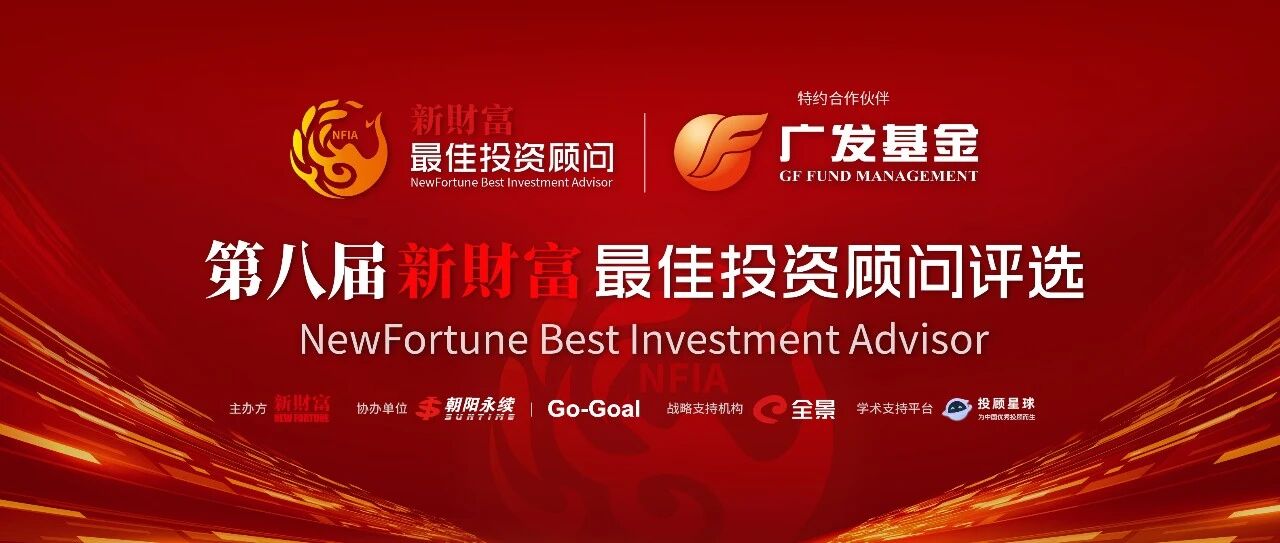
阿里云智能新金融行业副总经理陈风:大模型重构生产关系,四层架构破解财富管理数智化转型难题
Xin Lang Cai Jing· 2025-12-21 02:12
由北京市通州区人民政府指导,《财经》杂志、财经网、《财经智库》主办的"《财经》年会2026:预 测与战略·年度对话暨2025全球财富管理论坛"于12月18日至20日在北京举行,主题为"变局中的中国定 力"。 阿里云智能新金融行业副总经理、资深研发总监 陈风 陈风围绕"数智转型赋能财富管理新生态"主题,分享了对大模型技术驱动财富管理变革的核心观点。他 从大模型技术发展的阶段和进展角度,清晰地阐述了三个核心判断。 第一,大模型并非单纯工具,而是一种新型生产关系,其影响体现在三个核心层面:其一,大模型将重 构人机协同的整体模式;其二,它不仅带来技术变革,更催生了"碳硅共生"的新型组织形式,未来将由 人类负责判断决策,AI承担执行工作;其三,大模型时代下CIO的职责将从传统的运维保障,全面升级 为智能架构师。他强调,当下我们正经历一场堪比工业革命的范式转移。 接受度呈现"冰火两重天";三,基础设施中数据与接口未标准化导致打通困难;四,高成本投入与ROI 验证的决策压力。 第二,当前金融AI已迈入生产场景应用阶段,这一转变体现在两个方面:一方面,过去十年金融科技 的重心集中在平台搭建与系统建设上,多数金融机构坐拥成百上 ...
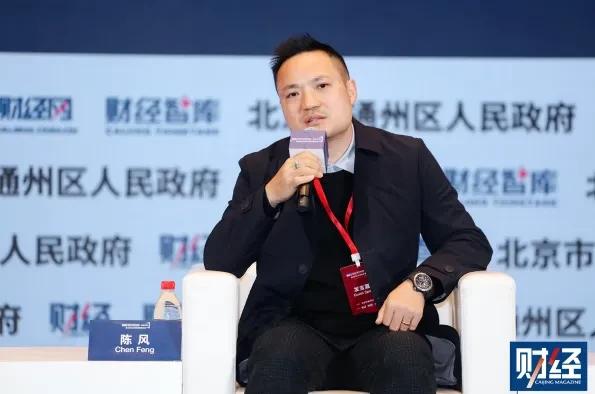
国家金融与发展实验室副主任杨涛:借助技术之力提升财富管理普惠性
Xin Lang Cai Jing· 2025-12-20 14:59
Core Viewpoint - The wealth management industry is shifting focus from high-net-worth clients to inclusive financial services for lower-income and long-tail populations, emphasizing the importance of technology and collaborative ecosystems in enhancing service delivery and efficiency [3][4][6]. Group 1: Inclusive Financial Services - Wealth management should prioritize inclusive financial services, targeting middle and low-income individuals and small business owners to enhance their financial management capabilities [3][6][7]. - The growth of residents' property income has been sluggish, and enhancing wealth management can effectively increase this income, contributing to consumption and domestic demand [3][7]. - The industry must transition from serving primarily high-net-worth individuals to providing effective and inclusive wealth management services for a broader demographic [3][7][8]. Group 2: Collaborative Ecosystem - The wealth management sector needs to establish a collaborative ecosystem, moving from isolated efforts to cooperative strategies that meet diverse client needs [3][8][9]. - A well-designed ecosystem can facilitate the provision of comprehensive, multi-faceted services throughout clients' financial lifecycles [3][8][9]. Group 3: Technological Impact - Technological advancements are crucial for improving service efficiency and reducing costs in wealth management, enabling the industry to serve a wider range of clients [4][9][10]. - New technologies can help address information asymmetry, allowing wealth management firms to better understand and serve their clients [4][9][10]. - The industry must leverage digital tools to enhance the precision of service offerings, ensuring that the right products are matched with the right clients [9][10][11]. Group 4: Regulatory Considerations - Regulatory bodies must balance innovation and risk management in the wealth management sector, focusing on identifying and managing risks associated with new technologies [12][13][14]. - Enhancing regulatory capabilities through technology and skilled personnel is essential for effective oversight of the evolving wealth management landscape [15][16]. Group 5: Future Directions - The future of wealth management will involve lowering barriers to entry, allowing more individuals, especially those with lower incomes, to participate in wealth management activities [17][18]. - There will be a need for precise matching of financial products to diverse client needs, leading to a potential shift towards diversified and fragmented wealth management solutions [17][18]. - The industry must ensure that wealth management serves multiple functions, integrating investment, consumption, and financial planning to meet the dynamic needs of clients [17][18].
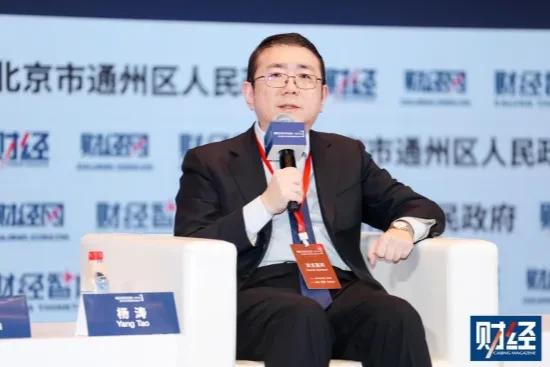
陈风:超六成投资者尝试用大模型指导投资,但近八成投资者缺乏专业金融知识
Xin Lang Cai Jing· 2025-12-20 11:51
二、大模型应用在财富管理领域还是方兴未艾的阶段,还需要继续实践和推进。C端投资者接受度呈 现"冰火两重天",63.8%的投资者尝试用大模型指导投资,但78%的投资者缺乏专业金融知识; 四、成本ROI顾虑突出,线下算力集群投资过亿,中小机构难以承受。 三、行业基础设施不完善,数据公开与私有化并存,接口标准化不足,性能与稳定性有待提升; 针对这些痛点,陈风建议采用"小步快跑"的落地策略,优先通过调用大模型+Agent的形式开展业务验 证,利用公共云算力将成本降低100倍,在控制风险的前提下快速推广投资策略优化、C端服务升级等 应用,逐步跑通商业逻辑。 专题:财经年会2026:预测与战略暨2025全球财富管理论坛 《财经》年会2026:预测与战略暨2025全球财富管理论坛于2025年12月18-20日在北京举行。阿里云智 能新金融行业副总经理、资深研发总监陈风介绍,阿里云"通义点金"大模型自2023年推出以来,已与中 金、易方达等180余家金融机构达成合作,30余家实现生产上线。 但他也坦言,当前大模型在财富管理领域的落地仍面临四大痛点: 一、技术成熟度存疑,不同模型在投资决策等核心场景表现差异显; 新浪声明:所有 ...