Trusts

Search documents
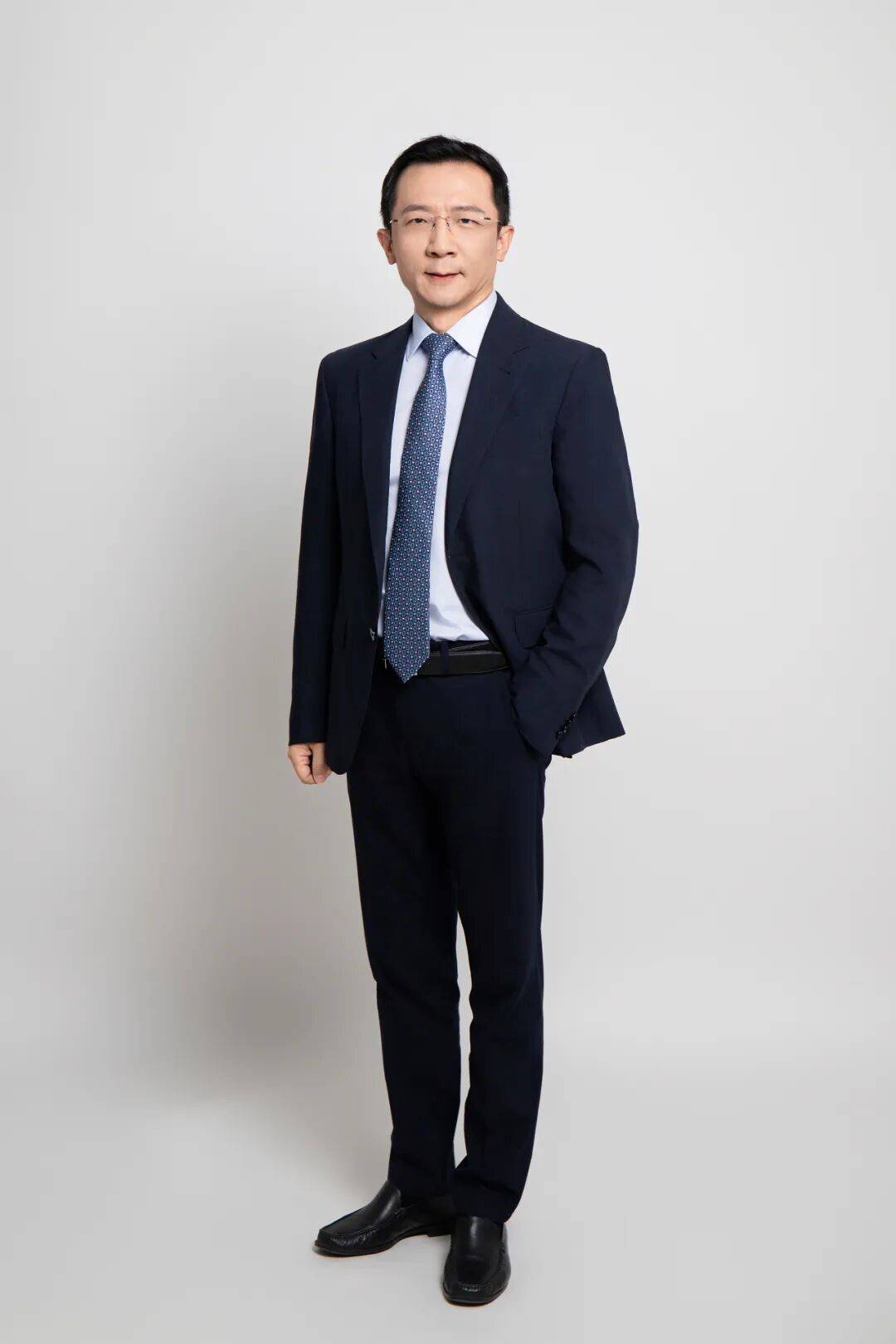
王欣正式获批出任平安信托董事长
2 1 Shi Ji Jing Ji Bao Dao· 2025-09-17 11:04
Group 1 - Wang Xin has been appointed as the Chairman of Ping An Trust, succeeding Fang Weihua, who has been reassigned [1][2] - Wang Xin has 29 years of experience in the banking and insurance asset management industries, with a strong background in risk management and market operations [1][2] - During his tenure at Ping An Bank, Wang Xin pioneered the "Merchant Bank" model in supply chain finance, enhancing credit asset quality [1][2] Group 2 - Wang Xin joined Ping An Asset Management in July 2020, focusing on comprehensive risk management and capital market strategies [2] - His leadership is expected to drive strategic transformation and enhance internal ecosystem capabilities at Ping An Trust [2] - Fang Weihua, the former chairman, has transitioned to a vice president role at Ping An Bank [2][3]
王欣出任平安信托董事长!曾任职于平安银行郑州分行
Sou Hu Cai Jing· 2025-09-17 10:40
Core Viewpoint - Ping An Trust has appointed Wang Xin as the new chairman, following the departure of former chairman Fang Weihua due to work adjustments. This leadership change is expected to influence the company's strategic direction and operational focus in the trust industry [1][3]. Group 1: Leadership Changes - Wang Xin has officially taken over as chairman of Ping An Trust as of September 16, following approval from the Shenzhen Regulatory Bureau of the National Financial Supervision Administration [1]. - Former chairman Fang Weihua has transitioned to the role of party secretary at Ping An Trust and will assume the chairman position in January 2024 [1]. - Wang Xin has a strong background in finance, having joined Ping An Bank in 1996 and held various leadership roles within the organization [3]. Group 2: Company Performance - During Fang Weihua's tenure, Ping An Trust responded to the new three-category regulations in the trust industry, focusing on the development of standard investment and service trust businesses [1]. - The company's asset management scale reached 993 billion yuan in 2024, reflecting a year-on-year growth of 49.88% [1].


陆家嘴国际信托有限公司关于董事长及法定代表人变更的公告
Shang Hai Zheng Quan Bao· 2025-09-15 18:38
Core Points - The company has appointed Mr. Wang Gang as the new director and chairman, replacing Mr. Li Zuoqiang, following the approval from the National Financial Supervision Administration [1] - The company has completed the legal representative change procedures, with the new business license issued by the Qingdao Market Supervision Administration on September 15, 2025 [1]

引导行业回归本源 信托“基本法”迎新篇
Bei Jing Shang Bao· 2025-09-14 17:04
Core Viewpoint - The new regulations for the trust industry, effective from January 1, 2026, aim to reshape the business structure, governance, risk management, and regulatory mechanisms of trust companies, emphasizing a return to core responsibilities and risk-controlled development [1][2][7]. Business Scope Adjustment - The revised regulations reduce the five types of trust businesses to three: asset service trusts, asset management trusts, and public welfare trusts, while eliminating unrelated intermediary businesses [3][4]. - New provisions allow trust companies to apply for liquidity support from the trust industry guarantee fund and provide investment advisory and technical services for financial institutions [3][4]. Focus on Core Responsibilities - The regulations emphasize the role of trust companies as fiduciaries, moving away from channel arbitrage and off-balance-sheet financing, which is expected to enhance risk isolation and asset security [4][5]. - The shift towards a "trust management" model aims to foster innovation and high-quality development in areas such as wealth management and family trusts, while reducing leverage and hidden risks [4][5]. Enhanced Governance and Risk Management - The new regulations set a minimum registered capital requirement of 500 million RMB and mandate the establishment of a chief compliance officer to strengthen internal controls and compliance management [5][6]. - Trust companies are required to conduct annual external audits and improve risk management mechanisms to prevent systemic risks [6][7]. Transition and Rectification of Existing Businesses - Trust companies must identify and rectify existing non-compliant businesses according to the new regulations, with a focus on orderly reduction of problematic business scales [7][9]. - The industry is expected to undergo significant restructuring, with traditional high-leverage models facing pressure, while compliant and innovative companies may gain competitive advantages [7][8]. Industry Differentiation - There is a noticeable disparity in the compliance levels among trust companies, particularly regarding registered capital and information disclosure practices [8][9]. - Companies are encouraged to develop a scientific rectification roadmap and enhance transparency to protect beneficiary rights during the transition [9].
竞逐浙京粤 边远地区也可圈可点
Jin Rong Shi Bao· 2025-09-11 03:37
Core Insights - Charitable trusts are increasingly important in mobilizing social resources and promoting public welfare development in China [1] - The revised Charity Law and new regulations effective from January 1, 2025, enhance the regulatory framework for charitable trusts, providing a solid foundation for their standardized development across the country [1] Group 1: Regional Performance - Zhejiang, Beijing, Guangdong, Jiangsu, and Shanghai are leading in charitable trust development, showing strong performance in new registrations, cumulative registrations, and total asset scale [2] - As of September 2, 2025, Zhejiang has 193 new registrations, 824 cumulative registrations, and a total asset scale of 257,607.02 million yuan, ranking first [2] - Beijing follows with 57 new registrations, 230 cumulative registrations, and a total asset scale of 158,079.29 million yuan [2] - Guangdong has 53 new registrations, 180 cumulative registrations, and a total asset scale of 178,883.63 million yuan [2] - Jiangsu and Shanghai also show notable figures with 51 new registrations and 14,807.07 million yuan in total assets for Jiangsu, and 23 new registrations and 30,985.37 million yuan for Shanghai [2] Group 2: Growth in Less Developed Regions - Regions like Tibet, Qinghai, Gansu, and Xinjiang show growth in charitable trust registrations, albeit at lower levels compared to coastal areas [3] - Gansu has 11 new registrations and a cumulative total of 175 registrations with a total asset scale of 91,687.14 million yuan [3] - Qinghai's total asset scale reaches 28,746.99 million yuan, while Xinjiang and Tibet show a trend of "small amounts with many registrations" [3] Group 3: Trust Company Trends - Trust companies are increasingly concentrated in eastern coastal cities such as Jiangsu, Zhejiang, Guangdong, Beijing, and Shanghai [4][5] - Companies like Everbright Trust and Zhongcheng Trust are actively collaborating with local charitable organizations to expand their charitable trust business [4] - Centralized operations in major cities allow for better coordination and development of charitable trust projects [4] Group 4: Policy Support and Legal Environment - The rapid development of charitable trusts in certain regions is supported by local government policies, including tax incentives and project support [7] - Zhejiang has initiated pilot programs for equity charitable trusts and allows charitable organizations to issue tax-deductible donation receipts [7] - Shanghai and Beijing have also introduced measures to standardize charitable trust operations, providing clear guidelines and stable policy expectations [7][8]
ESG理念重塑信托业 加速与实体经济深度融合
2 1 Shi Ji Jing Ji Bao Dao· 2025-09-10 11:01
Core Viewpoint - The trust industry is undergoing a transformation towards high-quality development, driven by the integration of ESG (Environmental, Social, and Governance) principles into its operations, aligning with national strategic goals [1][3][4]. Group 1: ESG Integration in Trust Industry - The ESG concept is closely aligned with national strategies such as the green transformation of development methods, making its implementation essential for the trust industry's transition [1]. - The recent "Three Classification New Regulations" by the former CBIRC signifies a transformative reform in the trust sector, guiding companies towards core business practices and enhancing their competitive advantages [2]. - Trust companies are encouraged to leverage their unique institutional advantages to innovate and create differentiated services that align with ESG principles [3]. Group 2: Regulatory Framework and Industry Standards - The introduction of the "Green Finance Guidelines" and the "ESG Disclosure Guidelines" by the China Trust Industry Association marks a shift from individual exploration to standardized practices in ESG implementation across the industry [4]. - The trust industry is moving towards a new phase where ESG becomes a key driver for optimizing business structures and enhancing value, facilitating a shift from traditional funding roles to comprehensive service and value co-creation [4]. Group 3: Financial Support for the Real Economy - As of the end of 2024, the trust industry is projected to allocate 22.25 trillion yuan, with 28.81% directly invested in the real economy and 46.17% indirectly through the securities market, totaling 16.68 trillion yuan, which represents 75% of the total funds [5]. - The data reflects the industry's commitment to environmental sustainability, social responsibility, and governance, showcasing a transition from scale expansion to quality enhancement [5]. - Different types of trust companies are expected to leverage their unique backgrounds and resources to support sustainable development and social responsibility, creating a multi-layered and comprehensive trust service system [5].
云南信托甘煜辞任董事长
2 1 Shi Ji Jing Ji Bao Dao· 2025-09-05 10:21
Group 1 - Yunnan Trust announced the resignation of its chairman, Gan Yu, due to job relocation, with the board appointing Shu Guang as the acting chairman for a period not exceeding 6 months [1] - Gan Yu has a strong academic background, holding a bachelor's degree in science from Jilin University and a PhD from Southwest University of Finance and Economics [1] - Gan Yu has held various positions in regulatory bodies, including the People's Bank of China and the China Banking Regulatory Commission, before joining Yunnan Trust as chairman in March 2019 [3] Group 2 - Following his resignation, Gan Yu is set to take on the role of general manager at China Resources Trust, with the previous general manager, Hu Hao, transitioning to the role of party secretary and chairman [3] - Hu Hao is expected to officially assume the position of general manager at China Resources Trust in May 2024 [3]
80后王岗获批陆家嘴信托董事长;五大行半年报中提到信托;华润、外贸信托有发布|周报
Sou Hu Cai Jing· 2025-09-05 06:29
Group 1 - Wang Gang, a post-80s individual, has been approved as the chairman of Lujiazui Trust by the Qingdao Financial Regulatory Bureau, bringing extensive experience in financial industry regulation and institutional management [2] - The five major banks have released their semi-annual reports for 2025, highlighting their focus on trust business, collaboration methods, and development trends in the trust sector [2] Group 2 - Huaneng Technology's subsidiary has acquired loan claims from "Guomin Trust·Huijin No. 87" for nearly 200 million yuan [3] - Electric Investment Chuanrong clarified that it does not directly hold equity in Hangjin Technology, as its investment is through a trust product managed by Baier Trust [3] Group 3 - China Foreign Trade Trust has published its 2024 ESG report, showcasing its efforts in the technology finance sector by exploring intellectual property financial products to alleviate funding shortages for small and medium-sized innovative enterprises [5] - In the realm of green finance, China Foreign Trade Trust has incorporated green finance into its 14th Five-Year Plan and developed management measures for green finance business, focusing on green trust loans and green asset securitization [6] - As of the end of 2024, the company has served over 2 billion clients in inclusive finance, with loan amounts exceeding 1.8 trillion yuan, and has supported over 1.5 million small and micro enterprises and their owners [7]

陆家嘴信托换帅:王岗获核准出任董事、董事长
Jing Ji Guan Cha Bao· 2025-09-05 04:31
Group 1 - The National Financial Supervision Administration approved the appointment of Wang Gang as the new chairman of Lujiazui International Trust Co., Ltd. [1] - Wang Gang is a post-80s individual with extensive experience in financial regulation and institutional management [1] - Lujiazui Trust is a legal trust institution controlled by Shanghai Lujiazui Financial Development Co., Ltd., with a registered capital of 10.4 billion yuan [1] Group 2 - According to Lujiazui Trust's 2024 annual report, the company achieved a consolidated operating income of 705 million yuan, a year-on-year decrease of 16.25% [1] - On a parent company basis, Lujiazui Trust reported an operating income of 656 million yuan, down 19.69% year-on-year, and a net profit of 205 million yuan, reflecting a 13.35% decline [1]
业绩稳健+估值修复可期!中信股份(00267)2025年中报金融业务全面向好
智通财经网· 2025-08-29 08:50
Core Viewpoint - CITIC Limited (00267) reported strong mid-year results for 2025, with significant revenue and profit growth, alongside a proposed dividend increase, indicating a positive outlook for the company's financial health and market position [1][2]. Financial Performance - The company achieved a revenue of 368.8 billion RMB and a net profit of 59.8 billion RMB in the first half of 2025, with a parent net profit of 31.2 billion RMB [1]. - The board proposed an interim dividend of 0.20 RMB per share, reflecting a year-on-year increase of 5.3%, totaling 5.818 billion RMB in dividends [1]. - The current price-to-book ratio is significantly below 1, suggesting potential for market value recovery as valuations normalize [1]. Business Development - Financial subsidiaries have optimized their business structures, focusing on key areas to achieve comprehensive profit growth [2]. - The banking sector continues to show positive net profit growth, with the establishment of a financial asset investment company to enhance service diversification [2]. - The securities business capitalized on domestic and international market opportunities, achieving substantial year-on-year growth in revenue and profit, maintaining a leading position in domestic equity and bond underwriting [2]. Strategic Initiatives - The company launched a technology finance initiative, enhancing its service capabilities across the entire financial chain, benefiting over 14,100 specialized and innovative enterprises [1]. - Green credit balance increased by 16.79% since the beginning of the year, with a leading position in green bond underwriting [1]. - Progress in inclusive finance, pension finance, and digital finance has been notable, contributing to the overall performance [1].