
进出口贸易

Search documents
黄河流域上半年进出口总值达3.12万亿元
news flash· 2025-07-24 12:37
Core Insights - The total import and export value of the Yellow River Basin's nine provinces reached 3.12 trillion yuan in the first half of the year, marking a historical high for the same period and accounting for 14.3% of the national total, with a year-on-year growth of 8.2%, surpassing the national growth rate by 5.3 percentage points [1] Summary by Category Trade Performance - Exports amounted to 1.91 trillion yuan, reflecting a growth of 9.5%, while imports reached 1.21 trillion yuan, with a growth of 6.2% [1] - The import and export value in the Yellow River Basin has maintained positive growth for 17 consecutive months, indicating strong development potential and resilience [1] Regional Growth - Qinghai, Gansu, and Henan provinces achieved double-digit growth in import and export values, with growth rates of 57.7%, 33.8%, and 26.2% respectively [1] - Major trade provinces Shandong and Sichuan reported growth rates of 6.8% and 6.3% respectively [1]
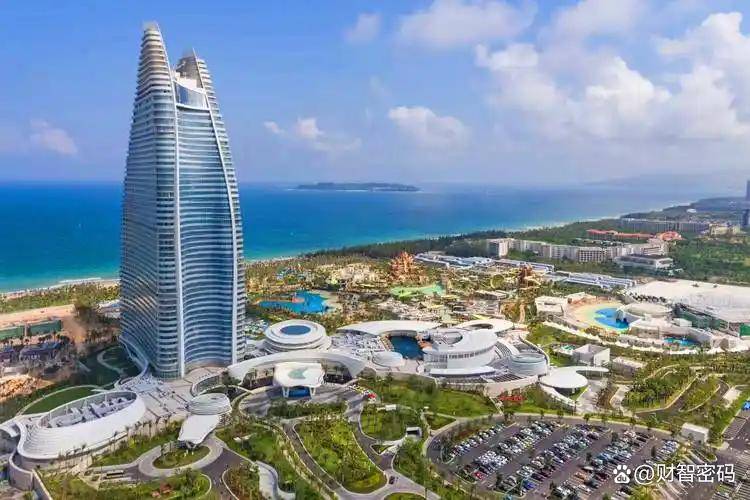
定了!海南自贸港7月18日正式封关,零关税商品猛增到74%
Sou Hu Cai Jing· 2025-07-24 06:33
Core Points - The official launch of the Hainan Free Trade Port on December 18 marks a significant strategic decision that will profoundly change China's approach to foreign trade and investment [2][3] - The date is symbolic, coinciding with the anniversary of China's reform and opening-up policy initiated in 1978, signaling China's commitment to high-level openness [2][3] Group 1: Policy Framework - The concept of "customs closure" is clarified as creating a "special customs supervision area" in Hainan, characterized by "zero tariffs, low tax rates, and simplified tax systems" [3][5] - The policy includes "one line open" for free flow of goods, capital, and personnel between Hainan and the world, while "two lines manage" the flow of goods entering mainland China [3][5] - The "island freedom" principle allows goods to be stored freely within Hainan without time limits, with low intervention and high-efficiency customs supervision [3][5] Group 2: Tax and Trade Management - The proportion of zero-tariff goods will significantly increase from the current 21%, expanding the range of imported goods eligible for zero tariffs [5] - Trade management will be relaxed, allowing for open arrangements for previously restricted imports, and facilitating direct release of eligible goods at designated ports [5][11] - Smart customs management will utilize big data and AI for efficient oversight, with high-credit enterprises facing fewer inspections [5][11] Group 3: Impact on Residents and Tourists - Daily life for residents and tourists will remain unaffected, with existing travel procedures unchanged, and a maintained annual duty-free shopping limit of 100,000 yuan [7][11] - Residents will gain access to "zero-tariff" goods, enhancing the availability of quality imported products at lower prices [7][11] - The connection between Hainan and international markets will strengthen, providing consumers with a broader selection of goods [7][11] Group 4: Future Vision - The Hainan Free Trade Port is seen as a stepping stone towards building an internationally influential trade hub and a gateway to the Pacific and Indian Oceans [8][10] - The initiative aims to integrate Hainan more closely into the national market, showcasing China's commitment to expanding its openness [8][10]

乌海市上半年进出口总值同比增长85.53%
Nei Meng Gu Ri Bao· 2025-07-24 01:23
Core Insights - The total import and export value of Wuhai City reached 866 million RMB from January to June 2025, marking an increase of 85.53% year-on-year, positioning it among the top in the autonomous region [1] - The import and export value with countries involved in the Belt and Road Initiative reached 406 million RMB, a year-on-year increase of 72.01%, while trade with RCEP member countries amounted to 248 million RMB, reflecting a growth of 55.38% [1][2] - Wuhai Customs has implemented measures to optimize customs clearance services, significantly reducing overall inspection times for enterprises [1] Trade Facilitation Measures - Wuhai Customs has introduced initiatives such as "advance declaration" and "appointment inspection," achieving "reporting and reviewing simultaneously, inspecting and releasing immediately" [1] - The customs authority has also implemented a "batch inspection" reform, with two local enterprises approved as pilot companies for this initiative [1] Policy Support and Training - Wuhai Customs has organized specialized training sessions to help enterprises utilize preferential policies such as origin accumulation rules and tariff reductions, issuing 117 RCEP certificates that facilitated over 110 million RMB in export value [2] - The customs authority emphasizes safety in production and has established a training program to enhance emergency response capabilities and ensure compliance in the quality and packaging of hazardous goods [2] Future Directions - Wuhai Customs plans to maintain a steady approach while continuing to enhance the business environment at the port, focusing on high-quality development of foreign trade [2]
上半年广州对其他金砖成员国和伙伴国进出口增长超24%
Zhong Guo Xin Wen Wang· 2025-07-23 17:28
Core Insights - Guangzhou's foreign trade import and export reached 605.05 billion yuan in the first half of the year, marking a historical breakthrough of 600 billion yuan, with a year-on-year growth of 15.5% [1] - Trade with BRICS countries and partner nations grew by 24.4%, accounting for 25.2% of Guangzhou's total trade value, an increase of 1.8 percentage points compared to the same period last year [1][2] - The number of trading partners with a trade scale exceeding 10 billion yuan increased to 19, up by 5 from the previous year [1] Trade Performance - In traditional markets, Guangzhou's total import and export to the US, Europe, the UK, Japan, and Hong Kong reached 267.39 billion yuan, growing by 12% [1] - Trade with emerging markets increased by 18.5%, raising their share of total trade to 55.8% [1] - Exports of electric vehicles, packaging machinery, and other goods to BRICS countries performed better than the overall export performance [2] Import Dynamics - Over half of energy products, one-third of primary plastics, and nearly a quarter of agricultural products imported into Guangzhou came from BRICS countries, also outperforming overall import trends [2] - New import agreements for agricultural products with BRICS nations, including Vietnam and Thailand, have expanded consumer choices in China [2] BRICS Expansion - The number of BRICS member countries and partner nations reached 20 by the end of June, with double-digit growth in trade with 16 of these countries [2] - Notable growth in trade with Malaysia, Thailand, Saudi Arabia, and the UAE exceeded 40% [2]
打破“数据破壁”助力企业发展!成都全力推进惠企政策“免申即享”在商务领域落地
Sou Hu Cai Jing· 2025-07-23 16:48
Core Insights - The "免申即享" (No Application Required) policy enhances efficiency and convenience for businesses, allowing them to enjoy policy benefits without the need for active applications [1] - The implementation of the "政务数据共享条例" (Government Data Sharing Regulations) marks a new phase of legal and standardized data sharing, facilitating the rollout of business support policies in Chengdu [1] Group 1: Policy Implementation - Chengdu's Business Bureau has initiated the "免申即享" policy to streamline the process for businesses to access benefits, significantly improving the business environment [1][6] - The policy allows small and medium-sized foreign trade enterprises to receive subsidies for foreign exchange derivatives without submitting any materials, thus reducing administrative burdens [3][5] Group 2: Financial Support and Impact - Since the launch of the foreign exchange risk hedging policy in July 2022, over 360 small and medium-sized foreign trade enterprises have benefited, with support funds exceeding 5.1 million yuan and facilitating over 1 billion USD in foreign exchange derivative transactions [5] - In 2023, the Chengdu Business Bureau has implemented two "免申即享" measures, benefiting over 880 enterprises and disbursing nearly 21 million yuan, with a processing time reduced by approximately three months compared to traditional methods [5] Group 3: Business Operations and Market Focus - The "免申即享" model allows companies to redirect their resources from administrative tasks to core business activities such as customer development and market expansion [5][6] - The policy reflects an upgraded service awareness from relevant departments, showcasing Chengdu's commitment to an enterprise-centered approach in improving the business environment [7] Group 4: Future Recommendations - There is a call for expanding the coverage of the "免申即享" policy and promoting the model of "government data sharing - no material submission required" to further support businesses [7] - Suggestions include targeted support measures for small and medium-sized foreign trade enterprises, such as training on foreign exchange risk management and assistance for cross-border e-commerce market expansion [7]
上半年广州进出口首次突破6000亿元大关
Zhong Guo Xin Wen Wang· 2025-07-23 08:00
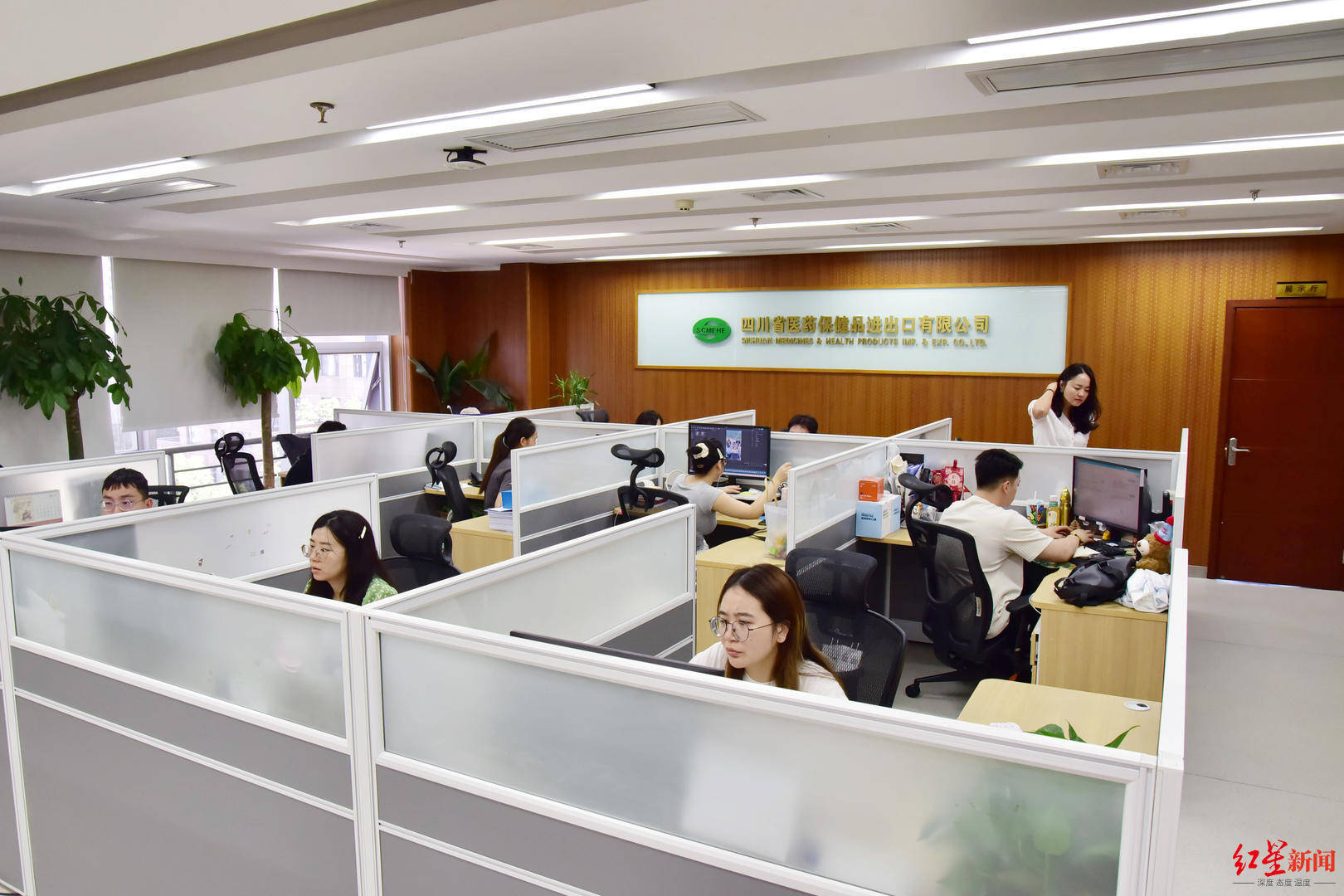
Group 1 - In the first half of the year, Guangzhou's total import and export of goods reached 605.05 billion yuan, marking a historical breakthrough of 600 billion yuan, with a year-on-year growth of 15.5% [1] - The number of foreign trade enterprises with import and export performance in Guangzhou reached 23,000, an increase of 10.3%, with over 600 enterprises exceeding 100 million yuan in import and export, an increase of nearly 60 compared to the same period last year [1] - Exports of "new three items" including electric vehicles, lithium batteries, and photovoltaic products grew by 30.8%, while beauty and personal care products saw a remarkable increase of 49.9% [1] Group 2 - In the second quarter, industrial production in Guangzhou gradually improved, and the consumer market continued to recover, leading to an expansion in import growth [2] - Imports of electromechanical products increased by 12.9%, with integrated circuits, aircraft parts, and packaging machinery seeing growth rates exceeding 20% [2] - Overall import of consumer goods grew by 6.4%, with various categories such as food, textiles, household equipment, and daily chemicals all experiencing growth [2]
封关不是封岛,更便捷!海南自贸港开放力度更大、产业体系更优 | 政策解读↓
Yang Shi Wang· 2025-07-23 07:06
Core Viewpoint - The official announcement states that the Hainan Free Trade Port will officially start its customs closure on December 18, 2025, as approved by the Central Committee of the Communist Party of China [1] Summary by Relevant Sections Customs Closure Policy - The customs closure refers to establishing Hainan Island as a special customs supervision area, implementing a policy characterized by "freeing up the first line, controlling the second line, and allowing free movement within the island" [3] - The customs closure is aimed at further expanding openness, making Hainan's international connections more convenient [3][10] Tax and Trade Management - A more favorable "zero tariff" policy will be implemented, increasing the proportion of "zero tariff" imported goods from 21% to 74%, allowing tax-free circulation among eligible entities within the island [4][14] - Trade management measures will be relaxed, with open arrangements for certain currently prohibited or restricted imports [4][14] - Ten "second line" ports will be established to facilitate the entry of goods into the mainland, alongside eight existing "first line" ports [4][14] Regulatory Framework - A more efficient and precise regulatory model will be adopted, ensuring low intervention and high efficiency for "zero tariff" goods and relaxed trade management measures [6][14] - Policy documents will be released shortly and will take effect on the day of the island's customs closure [6][14] Economic Development and Investment - Hainan's actual foreign investment has reached 102.5 billion yuan, with an annual growth rate of 14.6%, and the number of newly established foreign enterprises has increased by 43.7% [23] - The four leading industries—tourism, modern services, high-tech industries, and tropical agriculture—have increased their share of the provincial GDP to 67% over five years [25] Infrastructure and Preparedness - The necessary infrastructure for customs closure has been completed and passed national inspections, with a focus on ensuring both openness and effective management [28] - Pressure testing and simulations are being conducted to ensure readiness for the customs closure [28]
今年上半年 港珠澳大桥口岸进出口总值同比增长34.6%
news flash· 2025-07-23 05:07
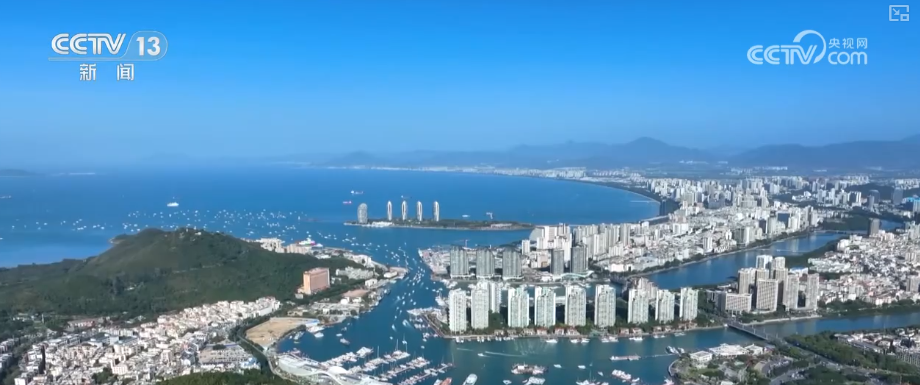
Core Insights - In the first half of this year, the total import and export value at the Hong Kong-Zhuhai-Macao Bridge port increased by 34.6% year-on-year, reaching 143.5 billion RMB [1] - The number of vehicles entering and exiting through the port reached 3.3 million, marking a 29.3% year-on-year growth [1] - Trade with ASEAN countries saw a significant increase, with total import and export value exceeding 23 billion RMB, up 166.2% year-on-year [1] Trade Performance - The Hong Kong-Zhuhai-Macao Bridge has facilitated over 17.19 million vehicle crossings since its opening, with a cumulative import and export value exceeding 1,153.8 billion RMB [1] - The robust growth in foreign trade indicates strong momentum and vitality in the region's economic activities [1]
广州上半年外贸进出口总额创新高
Guang Zhou Ri Bao· 2025-07-23 01:59
Group 1 - The total import and export volume of Guangzhou reached 605.05 billion yuan in the first half of the year, marking a year-on-year growth of 15.5%, setting a historical record for the same period [2][4] - The 137th Canton Fair saw over 900 participating enterprises from Guangzhou, conducting nearly 200 supply-demand matching activities, resulting in a cumulative intended transaction amount of 2.7 billion USD, a historical high [2][4] - The export of mechanical and electrical products increased by 14%, while the export of computer integrated manufacturing technology surged by 51%, and clothing and accessories exports rose by 19% in the first half of the year [3][4] Group 2 - The city government is providing substantial support for enterprises participating in over 300 overseas exhibitions in 2025, offering up to 80% subsidies for booth fees and special support for promotional activities [3] - The import and export volume with the European Union reached 105.24 billion yuan, growing by 30.5%, while trade with ASEAN countries reached 101.91 billion yuan, increasing by 36.7% [3] - Private enterprises in Guangzhou accounted for 60.4% of the city's foreign trade, with a total import and export volume of 365.35 billion yuan, reflecting a growth of 27.9% [4]
深圳上半年进出口“成绩单”出炉 总值居首位 进口创新高
Shen Zhen Shang Bao· 2025-07-22 16:50
Core Insights - Shenzhen's total import and export value reached 2.17 trillion RMB in the first half of 2025, ranking first among mainland cities, with exports at 1.31 trillion RMB and imports at 858.86 billion RMB, marking a year-on-year growth of 9.5% for imports, the highest for the same period historically [1] Group 1: Trade Performance - In June 2025, Shenzhen's total import and export value was 397.98 billion RMB, an increase of 2.6%, with exports at 252.84 billion RMB (up 1.4%) and imports at 145.14 billion RMB (up 4.8%) [1] - The general trade method accounted for 54.8% of Shenzhen's total import and export value, with a total of 1.19 trillion RMB, while bonded logistics and processing trade accounted for 27% and 17.6%, respectively [1] Group 2: Market Composition - Private enterprises in Shenzhen were the main contributors to foreign trade, with imports and exports totaling 1.51 trillion RMB, representing 69.8% of the total [1] - Foreign-invested enterprises also saw significant growth, with a total import and export value of 563.06 billion RMB, up 9%, accounting for 26% [1] Group 3: Trade Partners - Shenzhen's trade with the top ten trading partners accounted for 78.3% of total trade, with ASEAN, Hong Kong, and Taiwan being the top three partners [2] - Trade with Taiwan saw a remarkable growth of 33%, while trade with the EU, the US, India, and the UK also showed positive growth [2] Group 4: Product Categories - In the first half of 2025, Shenzhen exported 9.8 trillion RMB worth of electromechanical products, which constituted 74.9% of total exports, with significant growth in computers, integrated circuits, and batteries [2] - The import of electromechanical products reached 7.09 trillion RMB, accounting for 82.6% of total imports, with notable increases in agricultural products as well [3]