航天发射

Search documents
印度宣布成功发射该国迄今“最重通信卫星”
Qi Lu Wan Bao· 2025-11-04 11:10
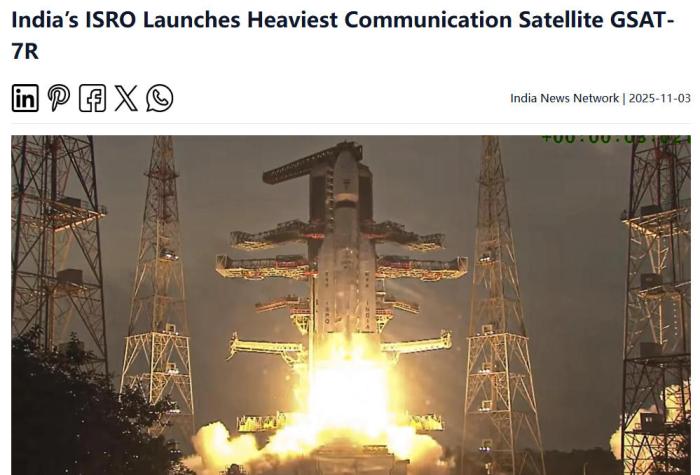
Core Insights - The Indian Space Research Organisation (ISRO) successfully launched a communication satellite weighing approximately 4410 kilograms using the heavy-lift launch vehicle LVM3-M5 on November 2 [1] - This launch marks the heaviest satellite ever launched from India, entering a geosynchronous transfer orbit [1] - The Indian military highlighted that this achievement underscores India's growing autonomous capabilities in space technology, which will significantly enhance regional communication capabilities [1]
改进多个方面性能,印度试射最强火箭,备战载人计划
Huan Qiu Shi Bao· 2025-11-03 22:55
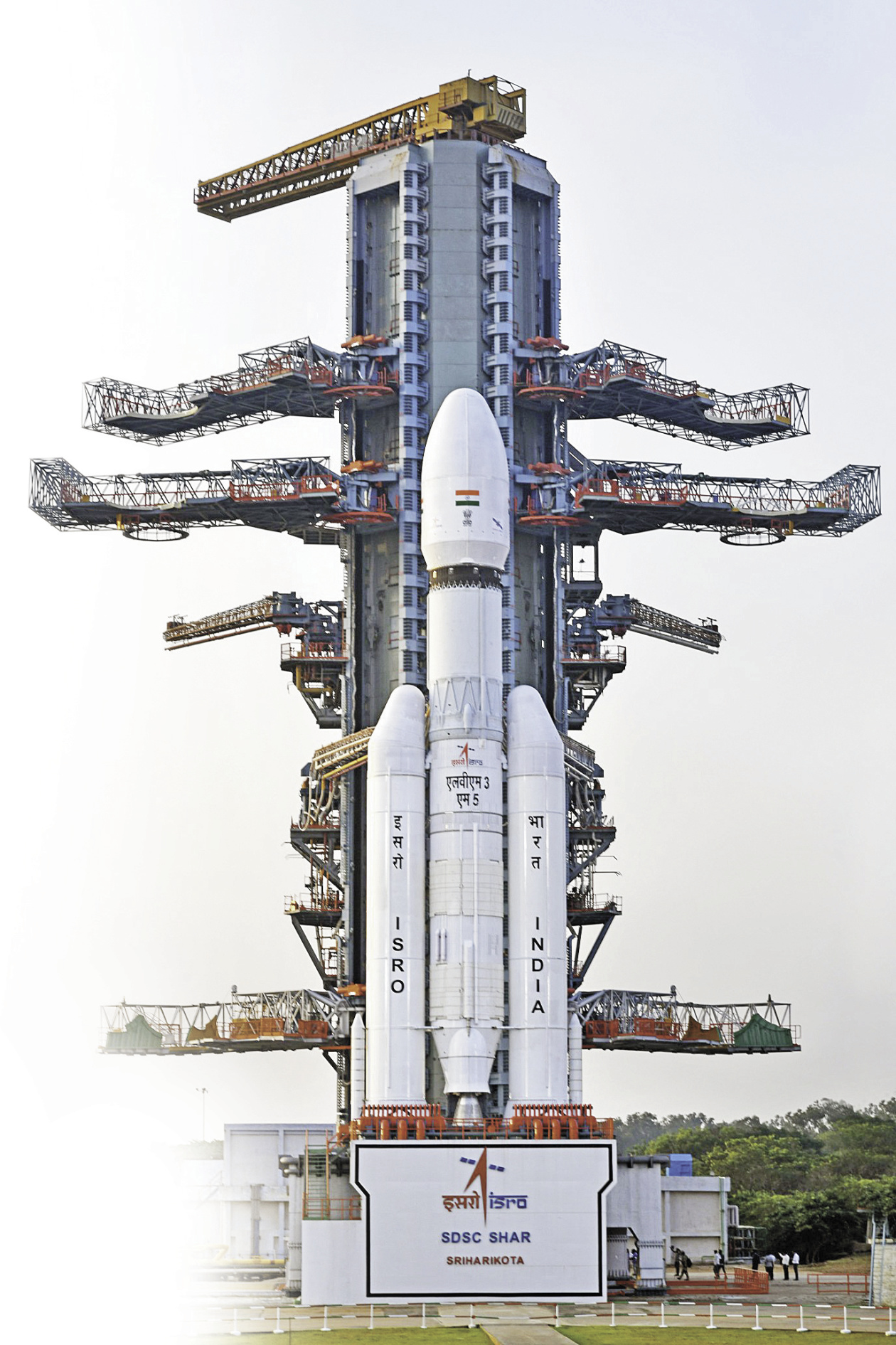
Core Insights - The Indian Space Research Organisation (ISRO) successfully launched a 4410 kg military communication satellite, CMS-03, into geosynchronous transfer orbit, marking the heaviest satellite launched by India using a domestic rocket [1][4] - The launch demonstrated the capabilities of the indigenous LVM3 rocket, which is expected to play a crucial role in India's manned space program [1][4] Launch Details - The CMS-03 satellite is an advanced multi-band communication satellite for the Indian Navy, designed to replace the GSAT-7 satellite launched in 2013 [5] - The satellite will enhance communication capabilities in the Indian Ocean region, supporting voice, data, and video links for naval operations [5] - The LVM3 rocket has improved its payload capacity by 10% for this mission, showcasing advancements in its performance [5][6] Technical Specifications - LVM3 is India's most powerful rocket, capable of carrying payloads over 4000 kg to geosynchronous transfer orbit and 8000 kg to low Earth orbit [6] - Since its first launch in 2014, LVM3 has successfully completed all eight missions, establishing itself as the preferred rocket for heavy payloads [6][8] Future Plans - The launch is a significant step towards reducing India's reliance on foreign technology for heavy satellite launches [6][8] - ISRO plans to conduct the first unmanned flight test of the Gaganyaan manned space program by March 2026, using the LVM3 rocket [8] - The organization aims to complete seven launches by March 2026, as part of a broader vision to conduct 50 launches in the next five years [8][9] Market Position - LVM3 and PSLV are the mainstay rockets for ISRO, handling multiple commercial launch tasks for international clients [9] - Despite its capabilities, India's rocket technology still lags behind leading space nations, particularly in comparison to reusable rockets like SpaceX's Falcon 9 [9]

印度使用国产火箭发射迄今最重卫星 重达4410公斤
Xin Jing Bao· 2025-11-03 02:54
Core Points - India successfully launched a communication satellite weighing 4,410 kilograms into geosynchronous transfer orbit on November 2 [1] - The satellite was launched using the heavy-lift rocket LVM3-M5, marking a significant achievement for the Indian Space Research Organisation (ISRO) [1] - This launch represents the heaviest satellite ever launched from Indian soil and the heaviest satellite launched using an indigenous Indian rocket [1]
4410公斤!印度宣布成功发射该国迄今“最重通信卫星”
Zhong Guo Xin Wen Wang· 2025-11-03 02:41
Core Points - India successfully launched its heaviest communication satellite weighing approximately 4410 kilograms using the LVM3-M5 heavy-lift rocket [1][4] - The satellite entered a geosynchronous transfer orbit, marking a significant achievement for the Indian Space Research Organisation (ISRO) [4] - The Indian military highlighted that this launch demonstrates India's growing self-reliance in space technology and will significantly enhance regional communication capabilities [4]
他们“铆在发射场,钉在塔架上,守在火箭旁”托举星辰……
Yang Shi Wang· 2025-10-31 06:36
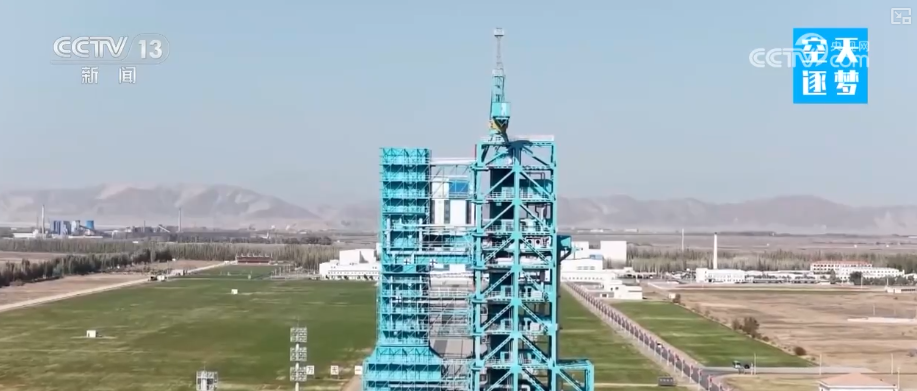
Core Viewpoint - The article highlights the dedication and hard work of the personnel at the Dongfeng Aerospace City, who are likened to "rivets" for their commitment to ensuring the safety and success of space missions, particularly the upcoming Shenzhou 21 launch [1][24]. Group 1: Personnel and Responsibilities - The staff at the launch site, including He Jianjun and Zhang Xiangfei, play crucial roles in ensuring the rocket's readiness and safety during the launch process [5][11]. - He Jianjun oversees the gas supply system, which not only supports the rocket and ground equipment but also provides breathing gas for astronauts during ascent and flight [7][9]. - Zhang Xiangfei is responsible for the propellant system, ensuring the safe fueling of the rocket, which involves strict safety protocols due to the flammable and explosive nature of the propellant [11][13]. Group 2: Technological Advancements - The Smart Launch Center, operational since 2017, has significantly reduced the number of personnel required for monitoring the launch site, enhancing efficiency and safety [15][17]. - The center utilizes advanced data analysis to optimize operations, as demonstrated by its ability to identify a suitable transport window for Shenzhou 21 despite adverse weather conditions [19]. Group 3: Personal Commitment and Legacy - Personnel express a deep commitment to their roles, with many, like He Jianjun, stating they would choose to work in China's space program again if given the chance [22]. - The article emphasizes that each individual, while seemingly ordinary, plays a vital role in supporting the nation's space endeavors, contributing to the larger goal of space exploration [24].
神舟二十一号|中国载人航天发射场满足神舟二十一号发射气象条件
Xin Hua She· 2025-10-30 13:45
Core Viewpoint - China plans to launch the Shenzhou-21 manned spacecraft on the night of October 31, with favorable weather conditions reported at the Jiuquan Satellite Launch Center [1] Group 1: Launch Conditions - The launch site is experiencing stable weather, with temperatures around 4 degrees Celsius and low ground and high-altitude wind speeds, indicating a good space environment for the launch [1] - The Jiuquan Satellite Launch Center, as China's only manned space launch site, has been closely monitoring cold air activity and its potential impacts on launch conditions during the autumn season [1] Group 2: Meteorological Preparations - Continuous meteorological consultations have been organized to track changes in weather conditions, ensuring that facilities and equipment are functioning properly and that data is timely and effective [1] - The launch site has already experienced two rounds of cold air, but current weather conditions are reported to be very favorable for the launch [1]
大漠再启航!神舟二十一号载人飞行任务进入攻坚决胜阶段
Xin Jing Bao· 2025-10-30 07:06
Core Points - The Shenzhou 21 manned spaceflight mission is approaching, with a motivational rally held for over a hundred technology personnel to ensure mission success and astronaut safety [2][3] - Continuous ideological mobilization has been organized, emphasizing the importance of the "manned spaceflight spirit" and the "Dongfeng spirit" [2][3] - The center has implemented various measures to support technology personnel, including a hotline for child transportation and medical services, ensuring their well-being during the mission [4][5][6] Group 1 - The Shenzhou 21 mission is characterized by a strong commitment to ensuring astronaut safety and mission success, with personnel expressing high motivation [2] - A series of educational activities have been conducted to promote the spirit of manned spaceflight, including learning from advanced models and recognizing exemplary contributions [3] - The center has established a supportive environment by addressing personnel's family needs and providing timely assistance during challenging times [4][5] Group 2 - The center has focused on enhancing communication and support for technology personnel, ensuring that their concerns are addressed promptly [4][6] - Initiatives such as "small buses, small dining tables, and small desks" have been implemented to strengthen family support for personnel working on the mission [4] - The center's proactive approach in understanding and resolving personnel issues has contributed to a positive work environment, allowing them to focus on their tasks [6]
酒泉卫星发射中心全力备战神舟二十一号任务
Xin Hua She· 2025-10-24 13:08
Core Points - The Shenzhou-21 spacecraft and rocket combination has been transported to the launch area, with plans for a launch in the near future [1] - The Jiuquan Satellite Launch Center is the only manned space launch site in China and has launched all Shenzhou spacecraft since Shenzhou-1 [1] - The rocket system for this mission has undergone several technical changes compared to the Shenzhou-20 mission, with thorough verification and testing conducted to ensure safety [1] - The launch center is utilizing big data and intelligent networks to enhance mission support, process control, and resource allocation [1] Weather and Emergency Preparedness - The launch center is enhancing meteorological support to address challenges posed by seasonal strong winds and dust storms [2] - Specific measures have been implemented to protect the spacecraft and rocket from extreme weather conditions, including low temperatures and dust storms [2] - Multiple emergency support teams have conducted drills tailored to the characteristics of the Shenzhou-21 mission to ensure reliable support [2]
酒泉卫星发射中心组建成立67周年:接过前辈战旗向更高远进发
Bei Jing Ri Bao Ke Hu Duan· 2025-10-20 05:30
Core Viewpoint - The article emphasizes the importance of continuous efforts in building a strong aerospace nation, highlighting the legacy of past pioneers and the commitment of current aerospace professionals to advance China's space exploration and technology [1][19][30]. Group 1: Historical Achievements - The China Jiuquan Satellite Launch Center was established in 1958, overcoming harsh conditions to create the country's first launch site within two and a half years [3]. - The first domestically manufactured missile, Dongfeng-1, was launched in 1960, showcasing the dedication of technical staff who faced extreme challenges during the process [5]. - The successful launch of Dongfeng-2 missile with a nuclear warhead in 1966 involved significant risks, with personnel prepared to sacrifice their lives for the mission [5]. Group 2: Milestones in Space Exploration - The launch of Dongfanghong-1 satellite in 1970 marked a significant achievement, with the team completing a critical cleaning task under intense pressure [7]. - The Shenzhou-5 mission in 2003 successfully carried China's first astronaut, Yang Liwei, into space, fulfilling a long-held national dream [9]. - Over the years, 20 Shenzhou spacecraft have been launched, with 41 manned missions, reflecting the progress made in human spaceflight [10]. Group 3: Current Developments and Innovations - New launch facilities have been established to accommodate various rocket types, enhancing the capacity for simultaneous testing and launching [12]. - Upgrades in measurement and control equipment have significantly improved capabilities, ensuring complete autonomy and enhanced operational efficiency [14]. - The center has achieved a remarkable acceleration in launch frequency, completing 100 launches in less than five years, compared to nearly 50 years for the first 100 [16]. Group 4: Future Aspirations and Values - The article stresses the need for a strong commitment to quality and safety in aerospace missions, with a focus on maintaining a 100% success rate in manned spaceflight [26][27]. - Emphasis is placed on innovation and the integration of new technologies to meet the challenges of space exploration, with a call for a collaborative approach to achieve national goals [29][30]. - The importance of honoring the legacy of past aerospace pioneers while striving for new achievements is highlighted, with a focus on collective effort and national pride [19][20][30].
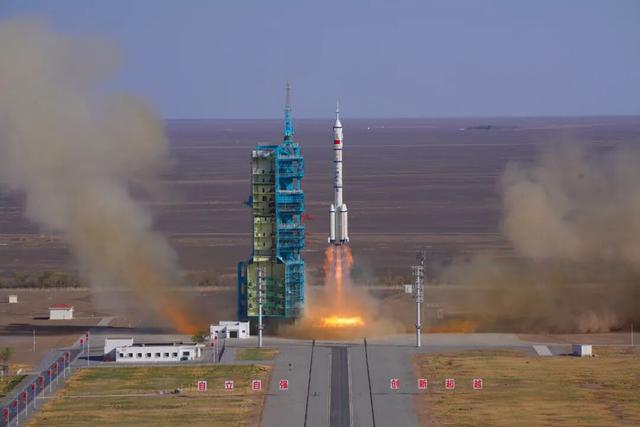
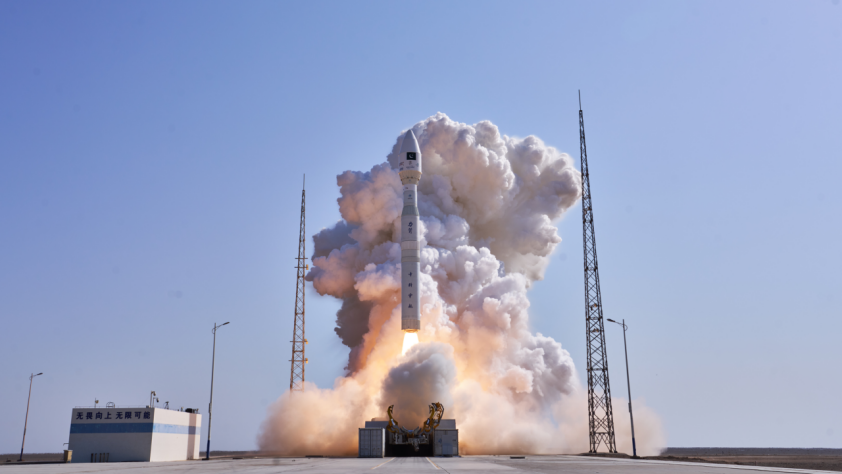
中科宇航:力箭一号遥八运载火箭发射取得圆满成功 “一箭3星” 中国商业火箭连接世界、服务全球
Zheng Quan Shi Bao Wang· 2025-10-19 06:32
Core Points - The successful launch of the KZ-1A rocket on October 19, 2025, marked the ninth flight of the KZ-1A rocket, successfully placing three satellites into orbit [1][3] - The KZ-1A rocket has now delivered a total of 73 satellites into their designated orbits, with a cumulative payload mass exceeding 9 tons [3] - The KZ-1A rocket is the only commercial rocket in China capable of carrying foreign payloads, establishing itself as a bridge for global space services [3] Company Overview - Zhongke Aerospace aims to be a pioneer in serving national strategies, a practitioner of space economy, and a promoter of space civilization [3] - The KZ-1A rocket has successfully fulfilled international orders, enhancing China's commercial space capabilities [3] Satellite Details - The Zhongke Satellite 03 and 04 are X-band SAR remote sensing satellites developed by Zhongke Satellite Technology Group, operating at an altitude of 505 km [5] - These satellites feature a compact structure with advanced capabilities, including interferometric SAR measurement and onboard AI processing, achieving an imaging resolution better than 0.5 meters [5] - The satellites will support various applications in natural resources, agriculture, emergency response, water conservancy, and urban planning through the AIRSAT constellation [6]